

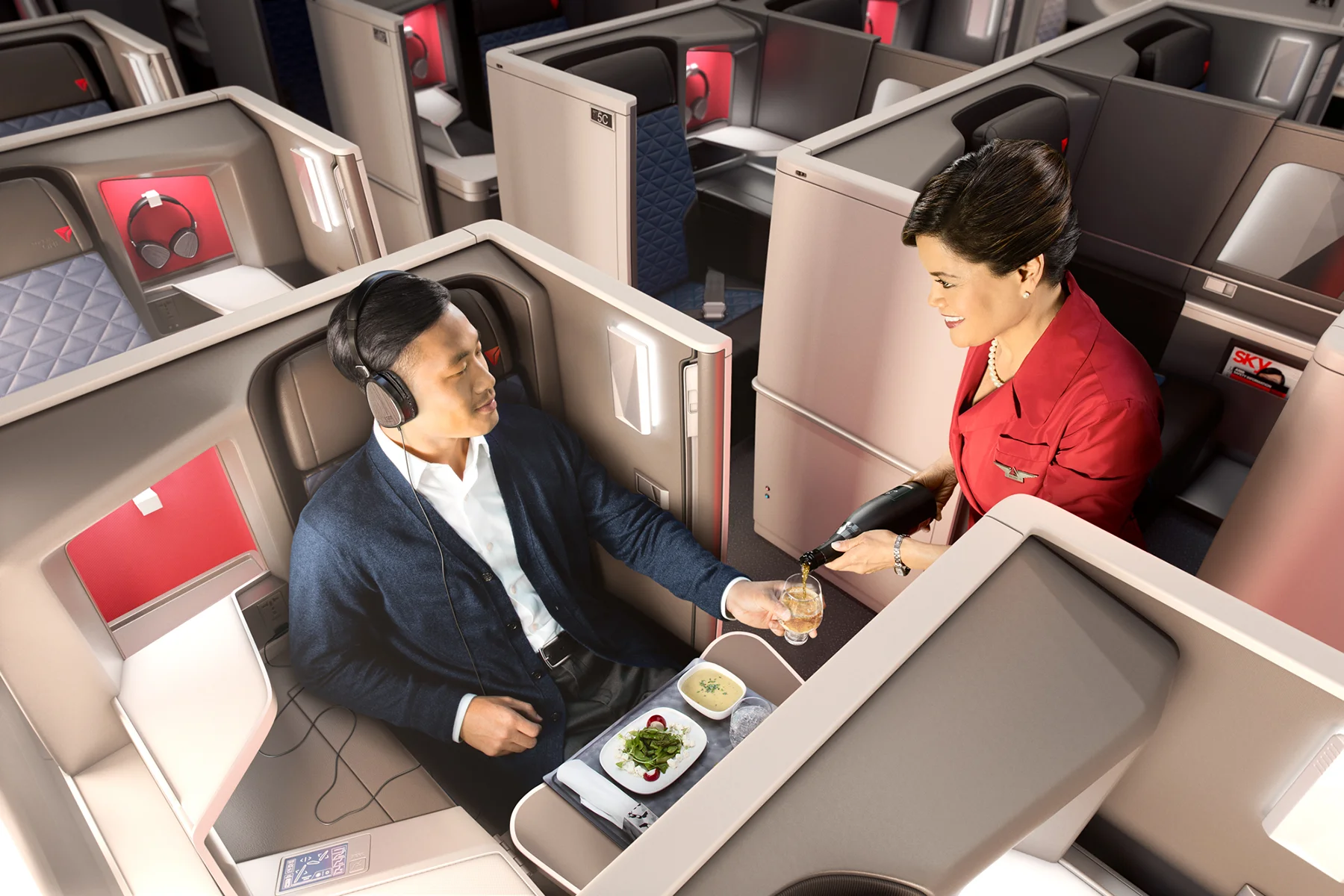
ATLANTA- Delta Air Lines (DL) will not add a single new Main Cabin economy seat in 2027, extending a freeze that has already held for several consecutive years. Chief Commercial Officer Joe Esposito confirmed the plan on the airline’s June quarter earnings call.
The decision comes as premium revenue overtook Main Cabin revenue for the first time in the airline’s history. The Atlanta-headquartered carrier will grow through premium cabins, larger aircraft, and international markets instead.
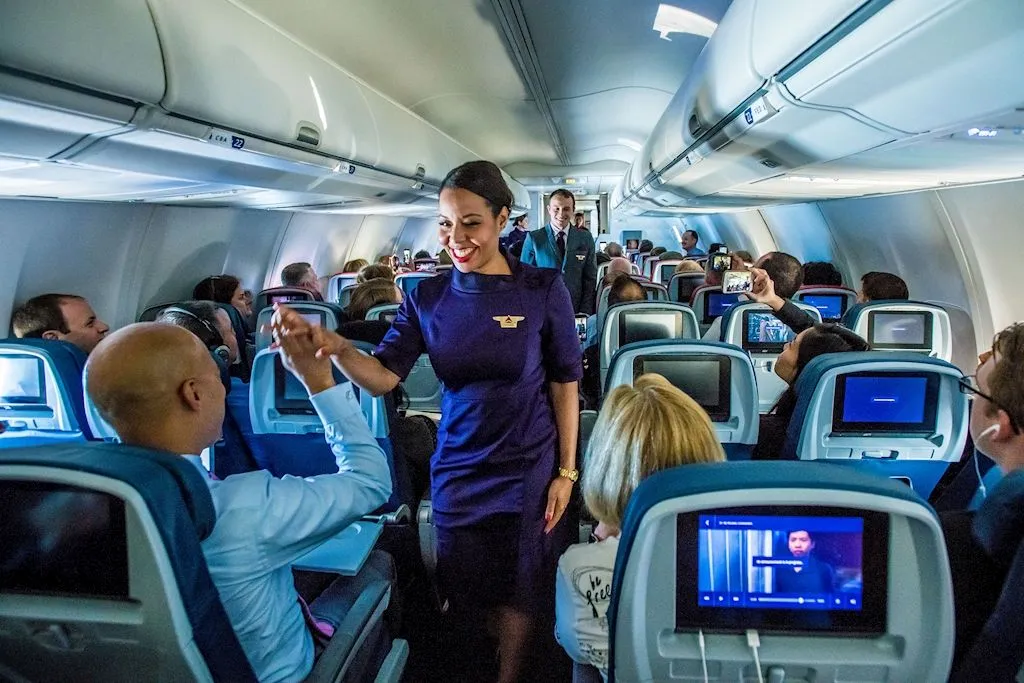
Delta Freezes Economy Capacity for Another Year
Esposito left no ambiguity when analysts asked about next year’s seat mix.
“We’re not growing Main Cabin seats. This is a multiyear, several years in a row that we haven’t grown this cabin. We won’t be growing it next year either.”
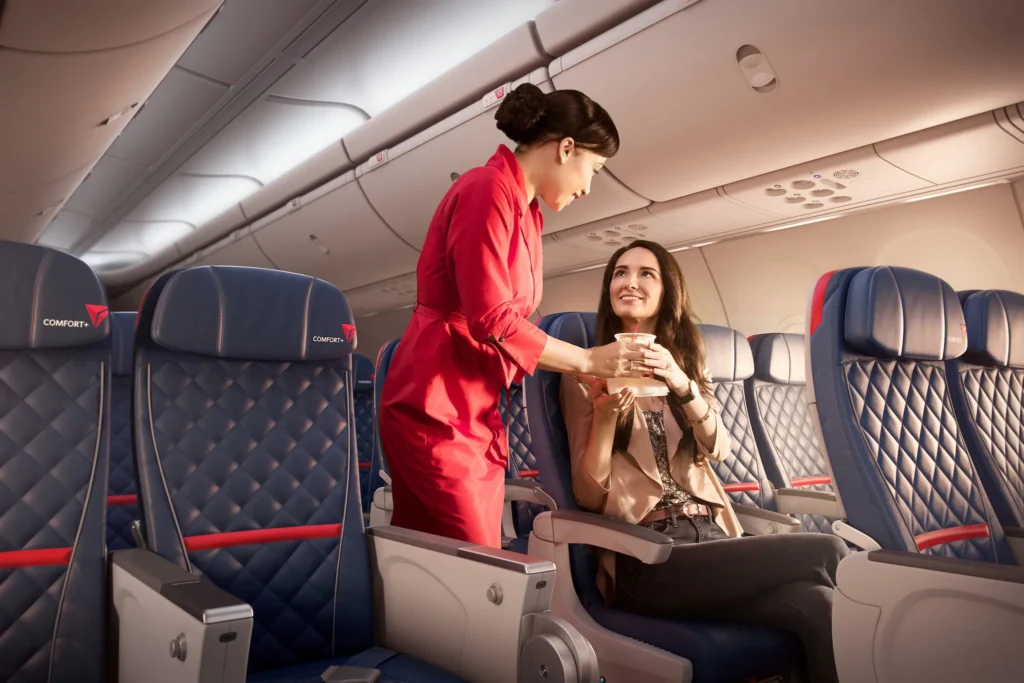
Delta is not abandoning growth. It is redirecting growth into cabins and markets that generate higher revenue per seat. Main Cabin capacity is currently down 2% to 3%, while premium capacity is up by low single digits.
Cutting economy capacity would normally signal weak demand. Delta has produced the opposite result. Esposito said Main Cabin unit revenue actually outpaced premium unit revenue growth during the second quarter.
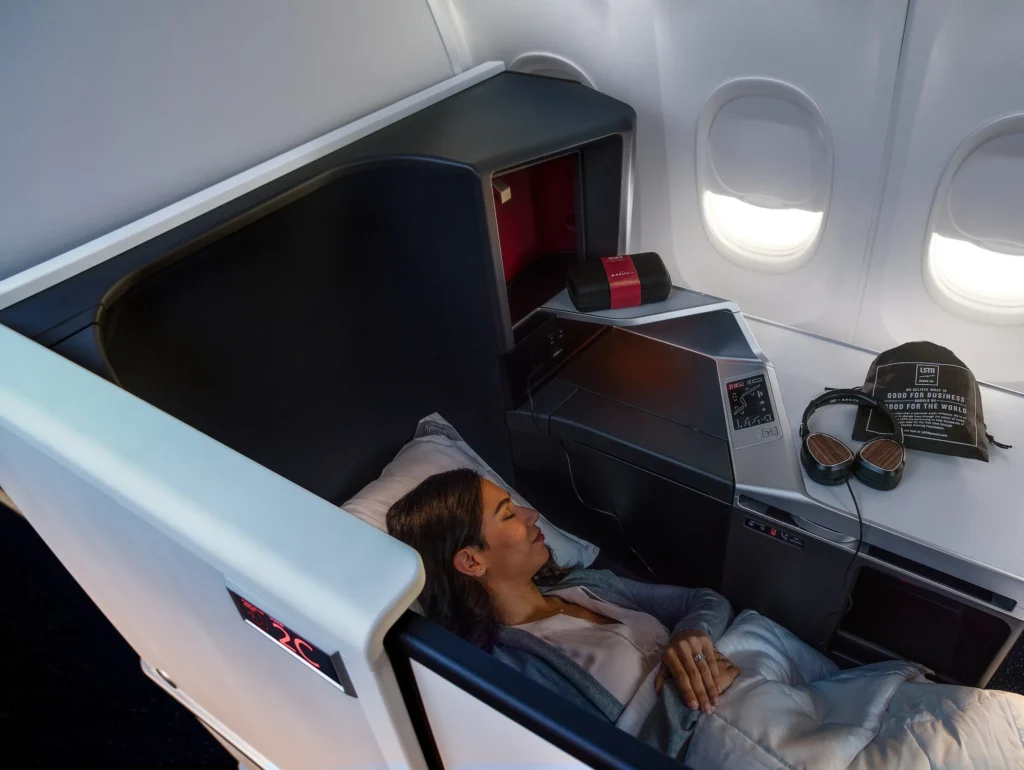
Premium Revenue Overtakes Main Cabin for First Time
The clearest evidence of the strategy sits in the revenue split. Premium tickets generated $6.92 billion during the second quarter, ahead of the $6.85 billion produced by the Main Cabin. Premium seat sales outsold the back of the aircraft for the first time.
Premium revenue grew 17% year over year. Loyalty and related revenue rose 19%. American Express remuneration reached $2.4 billion, up 16%, and premium corporate sales climbed 25%.
Paid load factors in premium cabins also improved. That detail matters because it confirms passengers are buying the seats rather than receiving them as complimentary upgrades.
Delta has since introduced a Basic Business fare, offering a cheaper Delta One and business class ticket that drops lounge access, refundability, and seat selection.
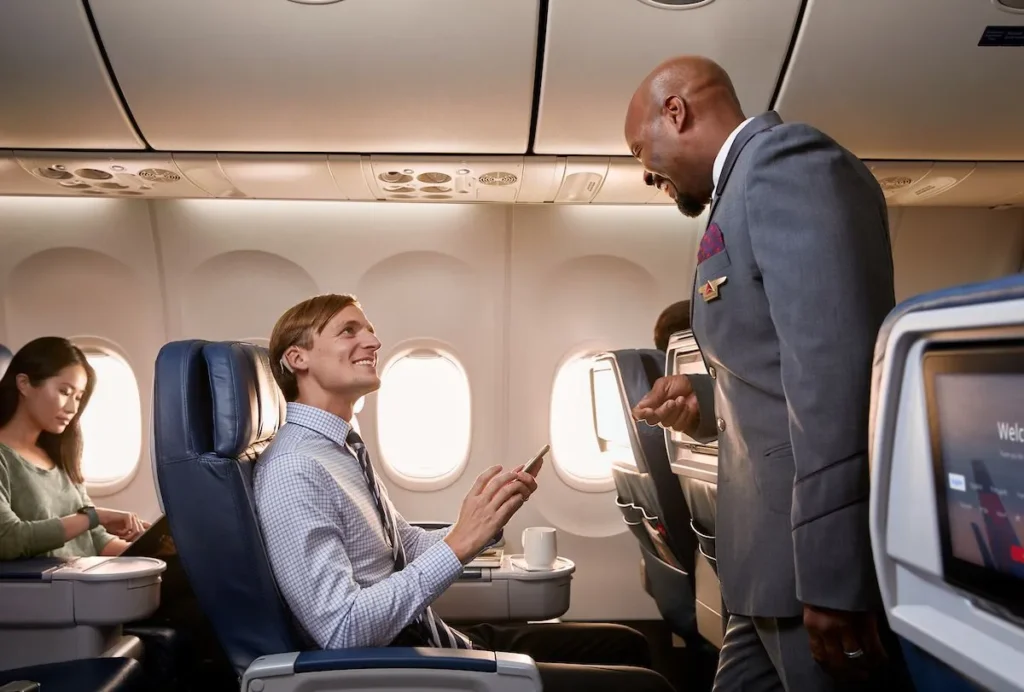
Collapsing Budget Capacity
Ultra-low-cost carriers once forced legacy airlines to compete on price by flooding routes with cheap seats. That pressure has largely disappeared.
“The industry has removed a significant amount of unprofitable capacity. If you look at the ultra-LCC category, that capacity is down about 30%. So Main Cabin has gotten significantly healthier this year.”
Delta reported total revenue of $17.7 billion for the quarter, up 14% on roughly 1% capacity growth. Total unit revenue rose 12.4%. Main Cabin unit revenue grew in the mid-teens during June alone. The airline is earning far more from each seat it already flies, which removes any commercial reason to add more.
Budget Airlines Must Raise Fares to Survive
Chief Executive Officer Ed Bastian used the same call to explain why the pricing environment is unlikely to reverse.
“Even with the improvements we’ve seen in pricing for the industry, the low end of the market still has to increase fares by another 5%,” Bastian said, describing the level needed to break even at current fuel prices.
He argued that the tools budget carriers once used to undercut rivals are gone. Fuel hedges have disappeared across the industry, while labour, airport, technology, and aircraft costs have reset higher for everyone. In his view, there is nothing to gain by chasing market share at low fares in that environment.
The cost pressure is real for Delta too. Fuel expense reached $4.4 billion in the quarter, nearly $2 billion higher than a year earlier. Delta still delivered a pretax profit of $1.4 billion and a 9% operating margin, ahead of its own guidance.
Larger Aircraft Deliver 2027 Growth
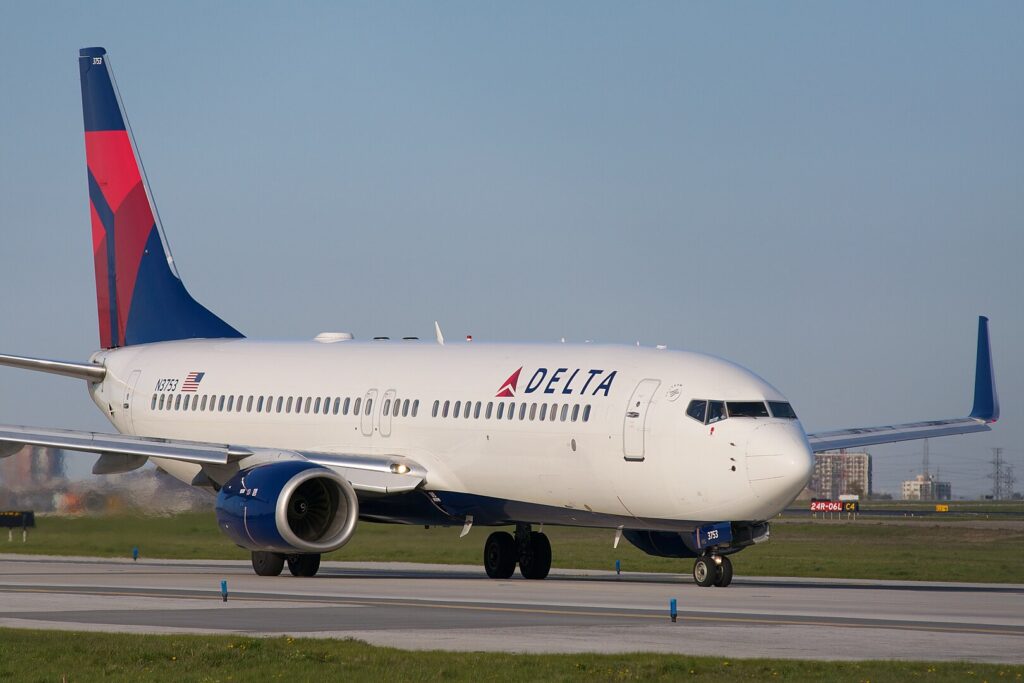
Delta plans to add capacity without adding flights or economy seats. Larger aircraft do the work.
The Boeing 737 MAX 10 arrives in 2027 as the first step, following an order for up to 130 aircraft placed at the 2022 Farnborough air show. The type replaces older and smaller narrowbodies while carrying more premium seats.
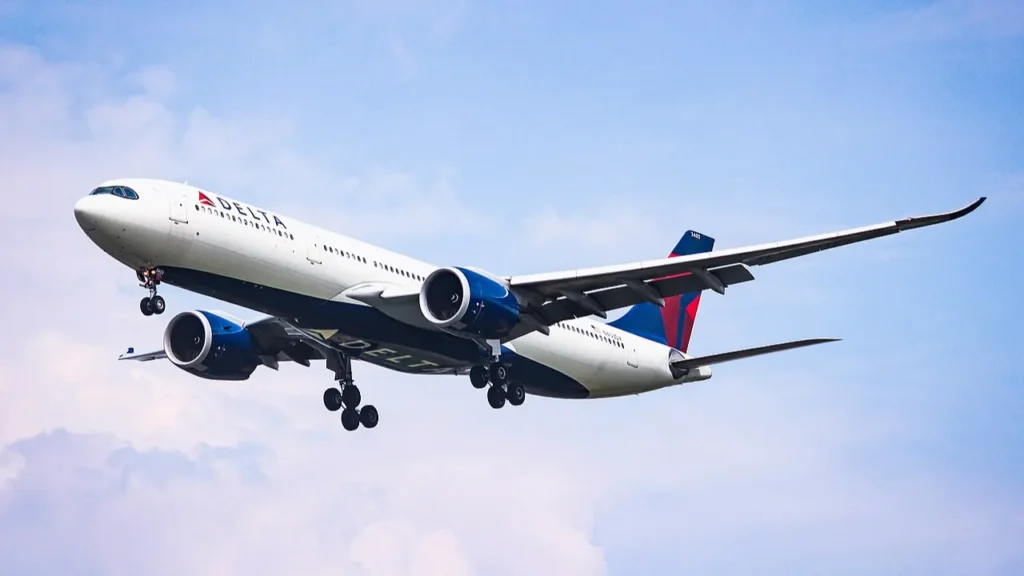
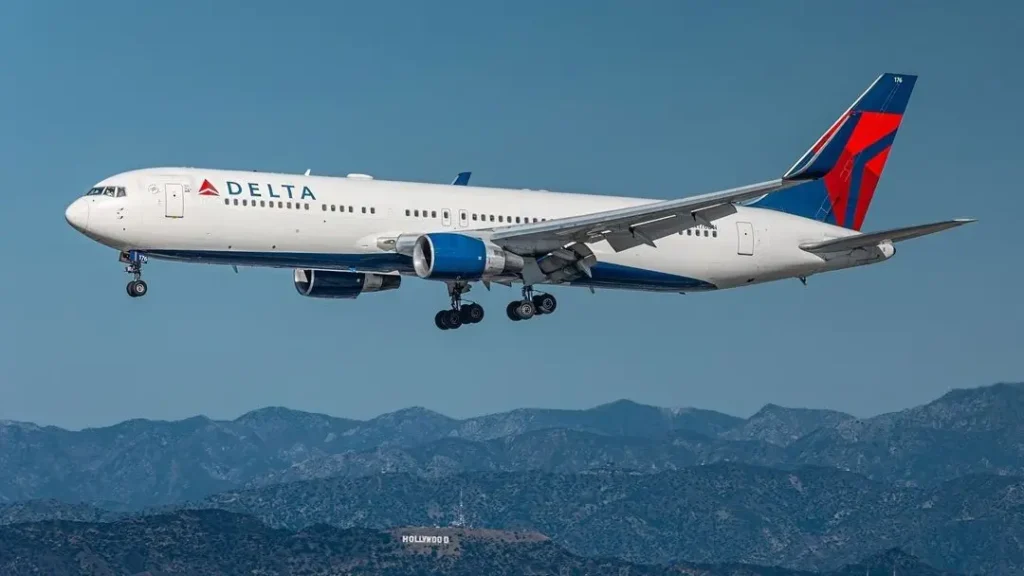
Esposito described the widebody shift in similar terms, noting the airline is “going from 30% premium seating in a 767 to over 50% in a 787, and it can handle twice the cargo.”
As reported by Live and Let’s Fly, the incoming Boeing 787-10 will carry more than 50% premium seating under Delta’s own cabin definition. Delta ordered 30 of the type with options for 30 more, and deliveries begin in 2031.
Delta defines premium broadly. The category covers Delta Comfort alongside First Class, Delta Premium Select, and Delta One. Even with that wide definition, a rising share of the fleet will serve passengers paying above a standard economy fare.
Route Level Capacity Can Still Change
A flat systemwide Main Cabin total does not mean every route loses economy seats.
Delta can still move aircraft between markets, add seats where demand is strong, and pull them from weaker routes. Some markets may receive larger aircraft and therefore more economy seats.
Across the network, however, the total will not rise.
Conclusion
Delta calls the outcome a better balance between Main Cabin and premium seating. The second quarter numbers support that view.
The airline earned more from every economy seat it flew, more from premium than from economy for the first time, and enough to absorb a $2 billion fuel increase while still expanding margins.
Delta expects revenue growth in the upper mid-teens during the third quarter, with an operating margin of 11% to 13%.
For travellers waiting on a wave of new economy capacity to push fares down, the airline’s own guidance suggests that wait will continue.
Stay tuned with us. Further, follow us on social media for the latest updates.
Join us on Telegram Group for the Latest Aviation Updates. Subsequently, follow us on Google News
