

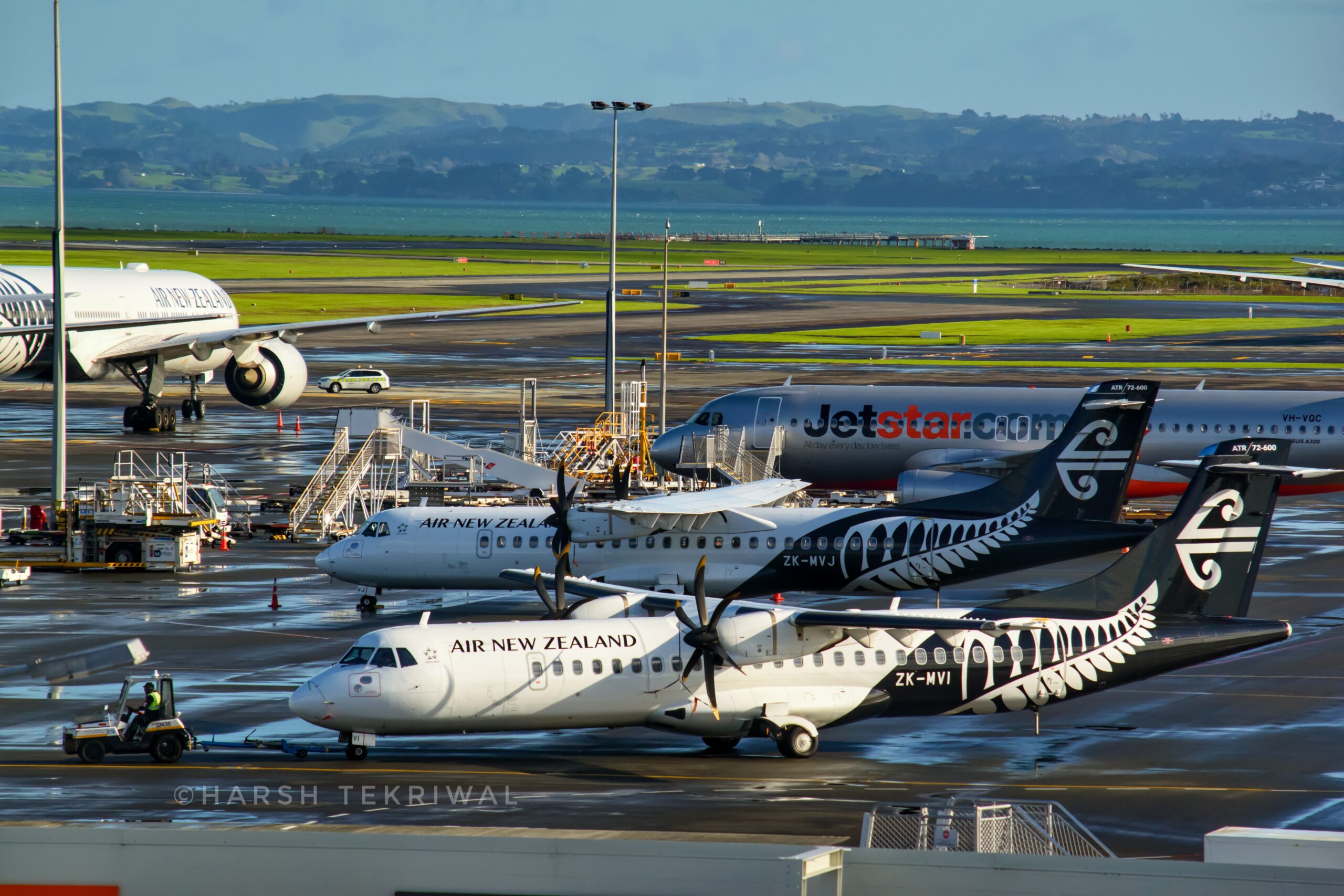
AUCKLAND– Air New Zealand (NZ) is facing unexpected delays in its flagship pilot cadet program after several trainees required additional instruction before qualifying for New Zealand Commercial Pilot Licences (CPLs).
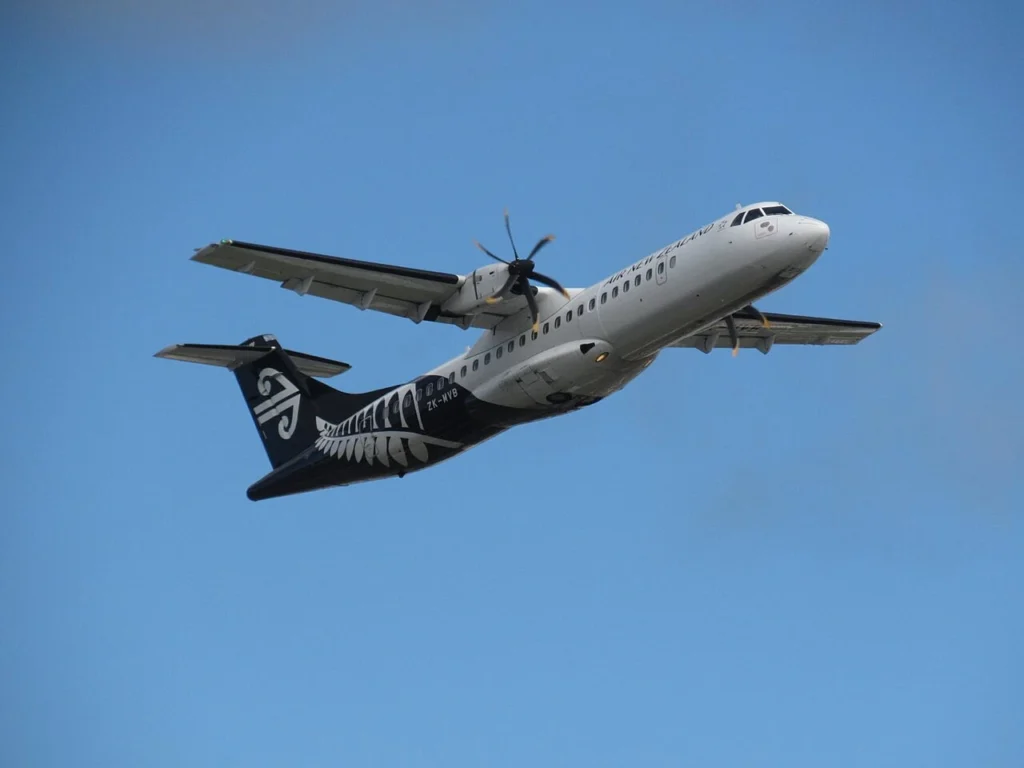
The issue has affected the airline’s accelerated pathway designed to prepare pilots for its regional ATR 72-600 fleet, despite the cadets completing extensive overseas training.
The program, launched in 2024 to address a growing global pilot shortage, sends selected cadets to the United States for flight training before simulator sessions and final licensing in New Zealand.
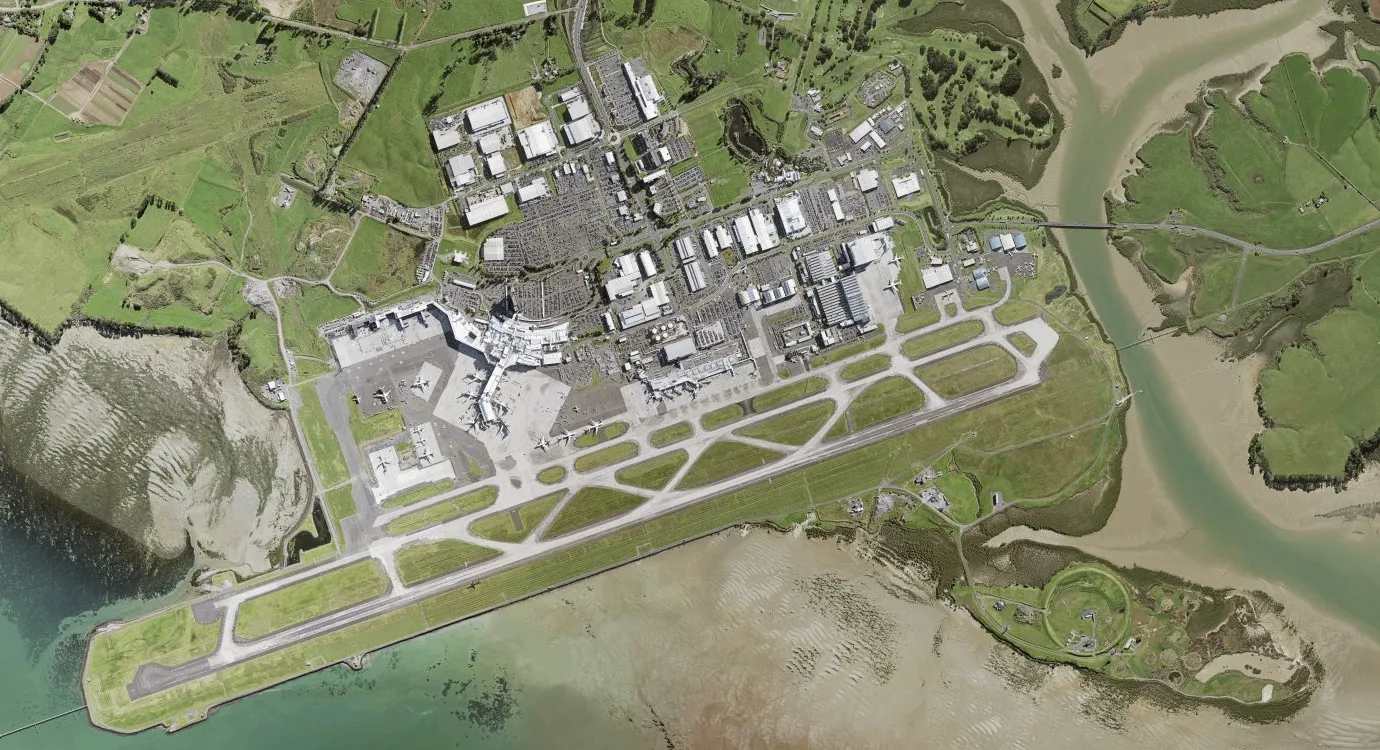
The first cohort returned to New Zealand to complete their CPL flight tests before joining Air New Zealand (NZ) as first officers on ATR 72-600 aircraft operating domestic services through Auckland Airport (AKL) and other regional airports.
Air New Zealand Cadet Program
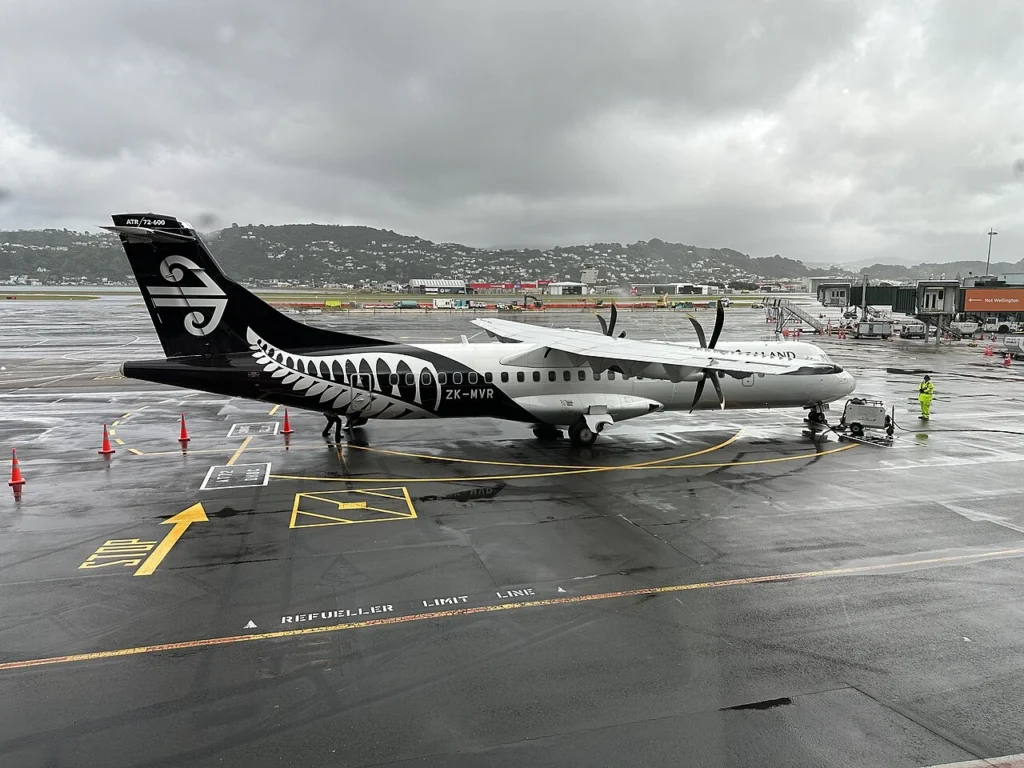
Air New Zealand introduced the Mangōpare Pilot Cadetship as a fast-track route to train regional airline pilots in approximately 14 months. Nearly 2,000 applicants competed for just 30 places, highlighting strong demand for aviation careers.
The airline covers about NZ$150,000 of the estimated NZ$200,000 training cost, while each cadet contributes NZ$50,000. Since the program began, two participants have withdrawn, leaving 28 cadets progressing through various stages of training.
After completing Federal Aviation Administration (FAA) commercial pilot training in Arizona, cadets returned to New Zealand for conversion to a New Zealand CPL.
However, the transition proved more demanding than anticipated because the two licensing systems follow different operational procedures and testing standards.
Air New Zealand said the additional time reflects the detailed licensing requirements that every pilot must satisfy before entering commercial service. The airline added that the first group has continued progressing through the final stages of qualification.
Licensing Differences Between FAA Systems
Industry flight instructors believe the lower-than-expected pass rates stem from differences between FAA training and New Zealand Civil Aviation Authority (CAA) requirements.
They noted that U.S. flight schools, particularly those in Arizona, operate in consistently favorable weather, allowing more uninterrupted flying. In contrast, New Zealand’s mountainous terrain and rapidly changing weather demand broader operational skills and different flight procedures.
According to the CAA, overseas training alone does not qualify pilots to operate commercially in New Zealand. Every cadet must complete New Zealand licensing standards, competency assessments, and operational training before entering airline service.
To help bridge the gap, Air New Zealand has arranged additional flight instruction through Napier Aero Club before cadets complete their licensing process.
Regulatory Review of Pilot Licensing
The experience gained from the cadet program is also contributing to a broader review of New Zealand’s pilot licensing framework.
The CAA confirmed the cadet scheme operates within the country’s existing aviation regulations while officials review future licensing pathways, instructor requirements, international alignment, and modern training methods.
Air New Zealand Chief Pilot Captain David Morgan is participating in the discovery phase of the review as an external industry adviser, The Post reported.
Despite the licensing delays, Air New Zealand said all cadets have completed their initial overseas training and are either progressing through ATR 72-600 type rating training, completing their New Zealand CPL requirements, or have already joined the airline’s regional operations.
The carrier maintains that every pilot will meet New Zealand’s safety and competency standards before entering scheduled passenger service.
Stay tuned with us. Further, follow us on social media for the latest updates.
Join us on Telegram Group for the Latest Aviation Updates. Subsequently, follow us on Google News


