

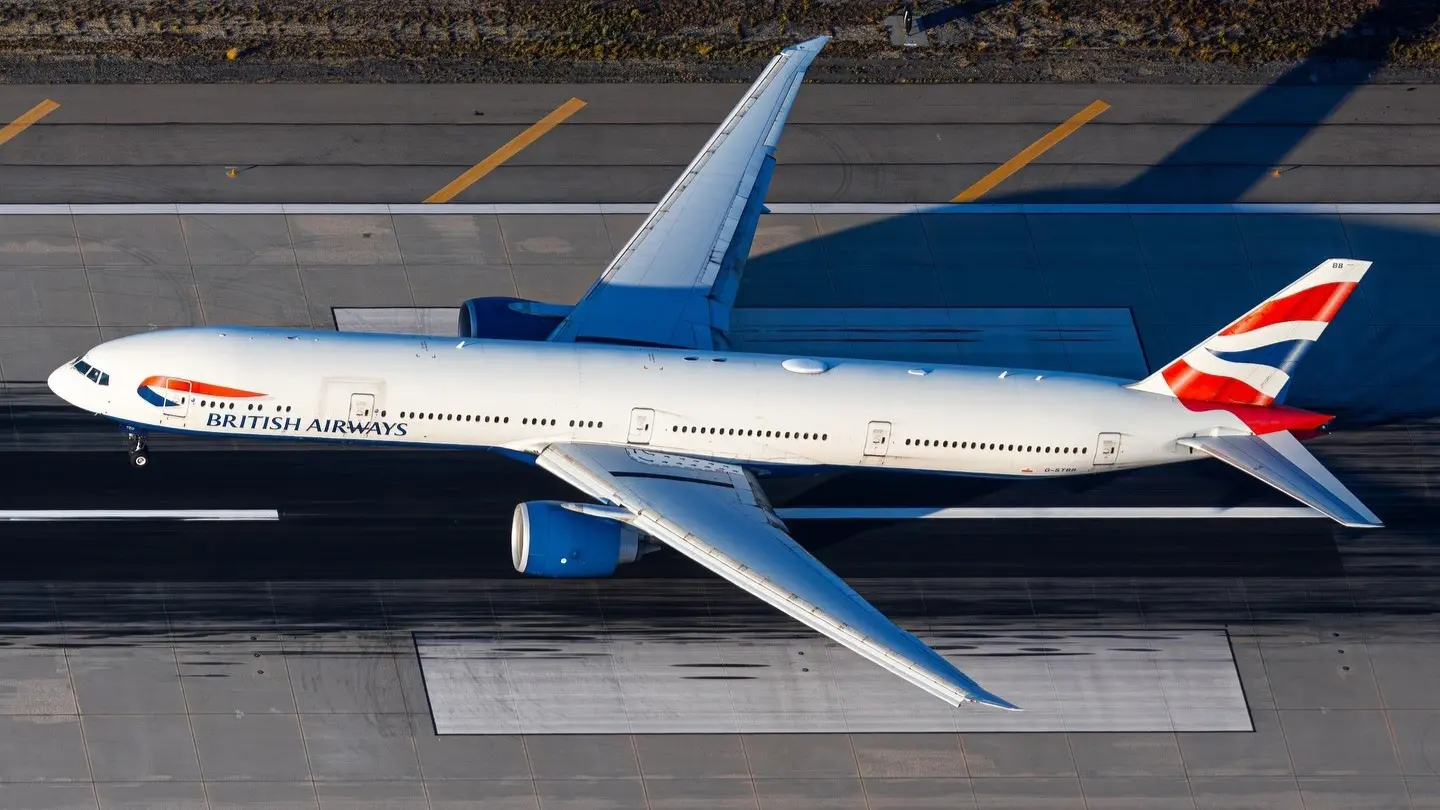
LONDON- Heathrow Airport (LHR) could face fresh pressure over its passenger charging plans after International Airlines Group, the parent company of British Airways (BA) and Iberia (IB), urged incoming British Prime Minister Andy Burnham to limit future airport fees before the airport begins its proposed £49 billion third runway expansion.
The appeal comes as Heathrow Airport Ltd prepares for one of the largest aviation infrastructure projects in Europe.
The airport plans to construct a third runway, new taxiways, terminal facilities, and supporting infrastructure, with planning approval targeted by 2029 and commercial operations expected by 2035.
The dispute centers on how much Heathrow should be allowed to charge airlines and passengers to fund the project.
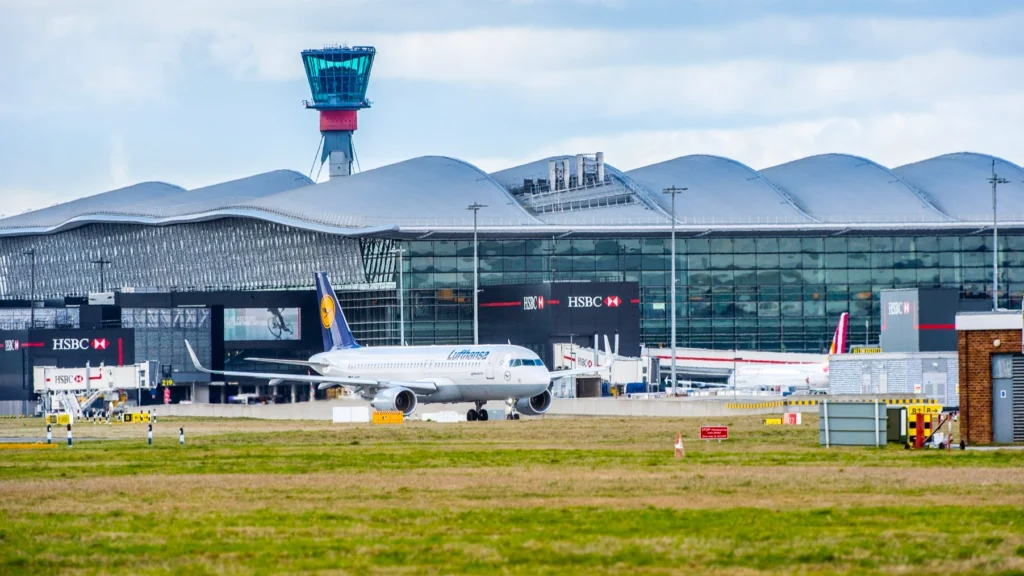
London Heathrow Charges
The debate follows the UK government’s decision earlier this year to support Heathrow Airport Ltd’s expansion proposal instead of a competing, lower-cost alternative backed by IAG and a consortium of private investors, including the Arora Group.
Under Heathrow’s approved proposal, the new runway will extend westward over the M25 motorway while adding significant airport infrastructure to increase long-term capacity.
The project carries an estimated price tag of £49 billion. However, Heathrow has warned that private investment in the expansion depends on the Civil Aviation Authority (CAA) permitting higher passenger charges during the construction period.
Currently, Heathrow collects an average passenger charge of £26.57 for every departing traveler, making it one of the most expensive major airports globally. Comparable international hub airports charge an average of approximately £22.27 per passenger, PYOK flagged.
Between 2027 and 2031, Heathrow wants that average fee to increase to £33.80. Airlines operating at the airport argue that such increases would ultimately make tickets more expensive and reduce their competitiveness against rival European hubs.
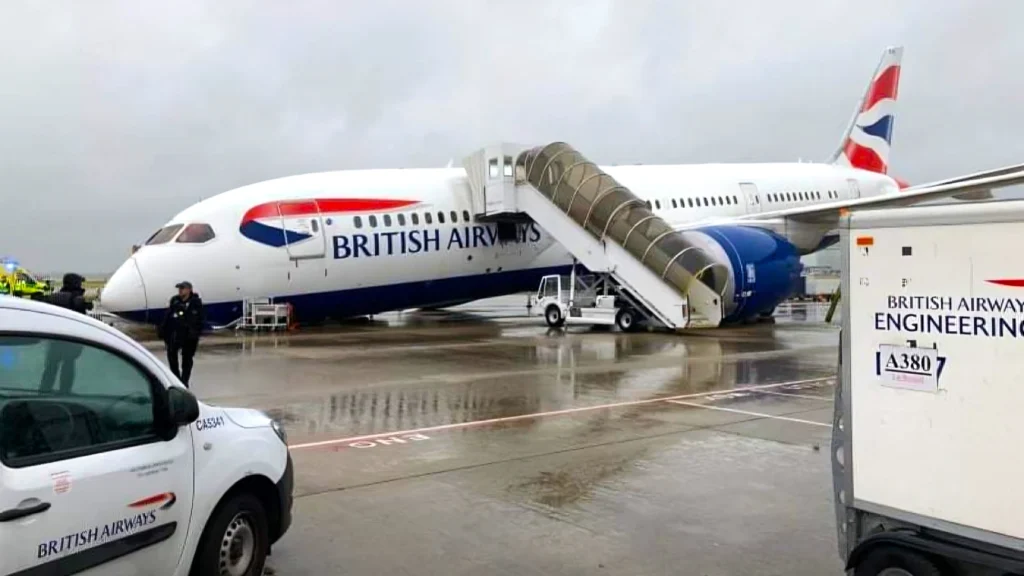
IAG Seeks Cap
IAG has intensified its campaign by asking the incoming government to support a cap of £23 per passenger instead of Heathrow’s proposed increase.
According to the airline group, the airport’s current Regulatory Asset Base (RAB) funding model creates little incentive to control construction costs because additional spending can eventually be recovered through higher passenger charges.
IAG argues that if construction expenses exceed current projections, travelers and airlines could bear the financial burden for decades through rising airport fees.
Chief Executive Luis Gallego warned that, without stronger safeguards, overall development costs could eventually reach £100 billion over the next quarter-century. In that scenario, passenger charges could rise to approximately £50 per traveler.
Gallego said a cap on airport charges combined with greater competition in delivering the expansion would provide better value for passengers while ensuring Heathrow’s long-term growth.
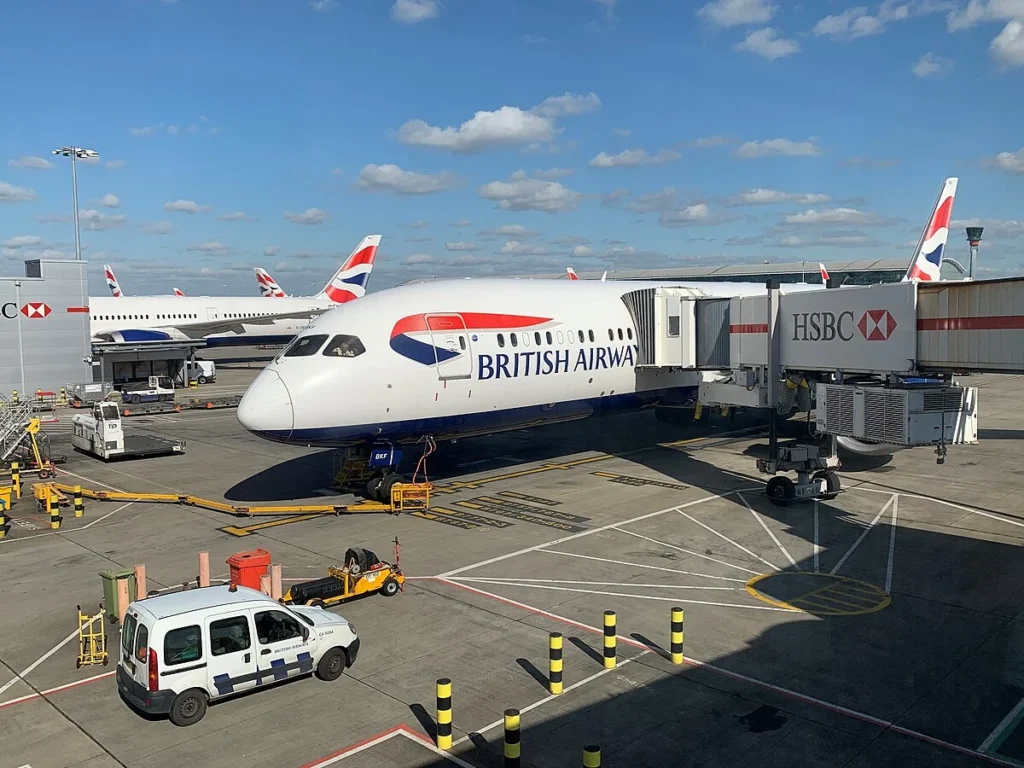
CAA Decision Ahead
The Civil Aviation Authority has acknowledged concerns surrounding Heathrow’s funding model but has not endorsed IAG’s proposed flat fee cap.
Instead, the regulator is considering allowing moderate increases while introducing stricter oversight of project costs. Proposed measures include tighter controls on cost overruns and wider use of competitive tendering throughout the expansion process.
The CAA recently concluded a consultation on the funding framework and is expected to publish an update later this month. Additional consultations will continue through the autumn before regulators finalize the long-term charging model.
The eventual decision will play a significant role in determining how Heathrow finances its expansion and whether airlines can limit future costs passed on to passengers.
Stay tuned with us. Further, follow us on social media for the latest updates.
Join us on Telegram Group for the Latest Aviation Updates. Subsequently, follow us on Google News
