

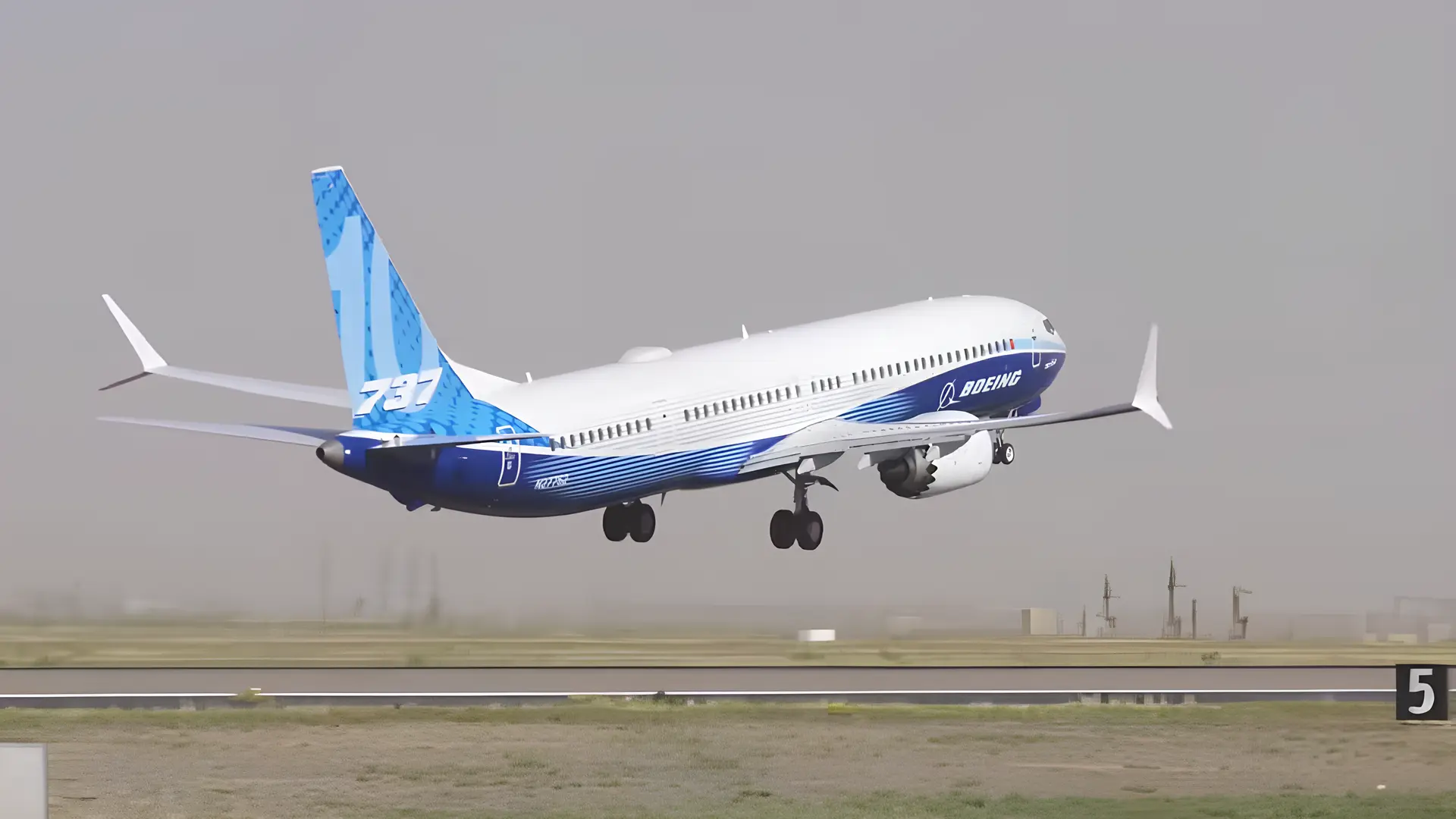
ARLINGTON- Boeing has provided a detailed update on the certification of its 737-7, 737-10, and 777-9 aircraft, saying the work has entered a more predictable phase after years of flight testing, engineering analysis, and regulatory engagement.
The 737-7 sits closest to final approval, the 737-10 has entered the last stretch of flight testing, and the 777-9 continues to target first customer deliveries in 2027.
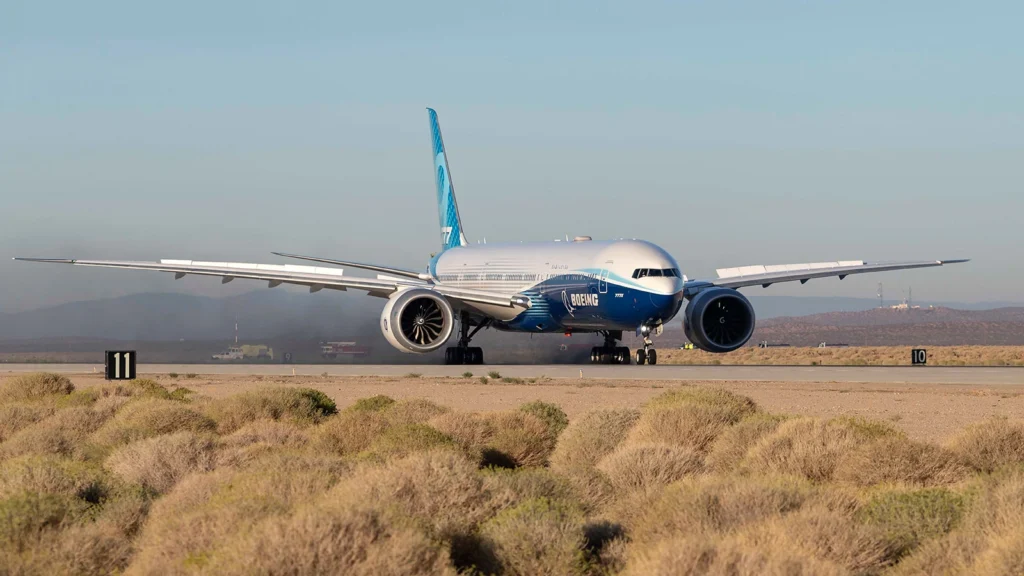
Boeing Signals Certainty Over Speed
Boeing leaders say years of flight testing, engineering analysis, and regulatory engagement have brought the remaining certification work into clear view.
Teams now sit close to defined milestones, including final flight test events, Development Assurance Review (DAR) closeouts, and certification deliverable submittals. That visibility lets Boeing show airlines, customers, and stakeholders exactly which steps remain for each program.
Mike Sinnett, senior vice president of Product Strategy, Product Development and Development Programs for Boeing Commercial Airplanes, framed the shift plainly at a recent media roundtable. “Certainty is more important than flow.
Two years ago, the path forward wasn’t as clear as we wanted it to be. It is now,” he said. The company stressed that certification remains driven by regulatory compliance rather than a fixed schedule, and that every remaining milestone must satisfy FAA standards before approval.
Boeing has strengthened its certification process using lessons from earlier programs, applying broader Development Assurance Reviews, formal human factors validation, and more structured engineering oversight throughout.
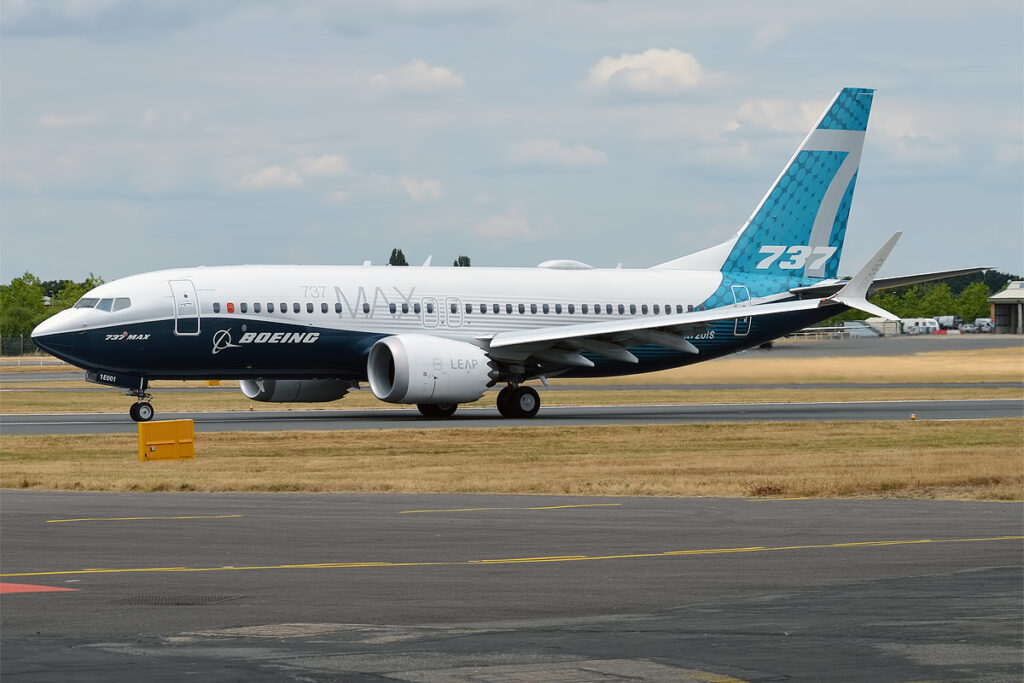
737-7 Approaches Final FAA Certification
The 737-7 has progressed the furthest of the three programs. Chris Payne, vice president and general manager of the 737 Airplane Development Programs, reported that about 95% of certification deliverables are complete and that certification flight testing has finished.
The campaign logged 686 certification flight hours across 441 flights, plus 349 hours of ground testing, validating aircraft performance across a wide range of operating conditions.
With flight testing done, the team has shifted to final documentation and technical approvals. The remaining work includes closing outstanding technical approvals, certifying the updated engine anti-ice (EAI) solution for production aircraft, and completing end-of-program submissions to the FAA.
Boeing describes these steps as administrative and regulatory rather than test-driven.
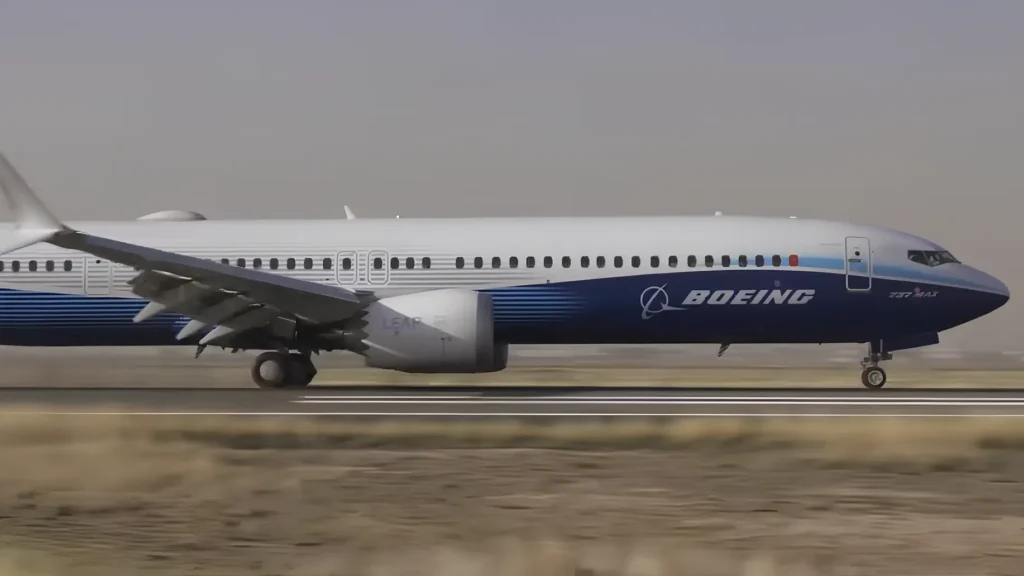
737-10 Enters the Final Development Phase
The 737-10, the largest member of the family, has also reached the final stage of certification. Certification flight testing is about 98% complete, covering roughly 2,060 flight test hours, 972 certification flights, and 1,033 hours of ground testing, one of the most extensive campaigns undertaken for the 737 MAX.
Boeing says the heaviest remaining effort now involves engineering process validation and regulatory documentation rather than additional testing.
A key activity still underway is the Development Assurance Reviews, which confirm that aircraft systems, software, and supporting documentation meet certification requirements.
DAR 3 is complete, DAR 4 is about 60% complete, and system safety assessment submissions are continuing. These assessments evaluate how systems perform under normal and abnormal conditions before approval can be finalized.
The 737-10 program also validated an update to the engine anti-ice (EAI) system. Boeing developed the change after identifying rare conditions that could overheat the system without pilot intervention or a design change, then demonstrated the fix’s compliance and performance in flight.
Once certified, the improved EAI system will become the production standard on all new 737 MAX aircraft, including the 737-7 and 737-10, and will be retrofitted across the in-service fleet.
A second upgrade, the enhanced Angle of Attack (eAoA) system, is being tested aboard the 737-10 before entering every model in the family.
Project pilot Capt. Bill Quashnock described the system as a way to simplify flight deck indications and reduce cockpit cues that can confuse crews.
It inhibits erroneous warnings by improving how angle of attack information is processed and presented, without changing normal aircraft operation. Both the eAoA and EAI updates will be baseline on newly produced 737-7 and 737-10 aircraft and retrofitted fleet-wide.
Near term, the 737-10 team will complete the last flight activities, close the remaining DAR 4 items, and finalize system safety submittals for FAA review.
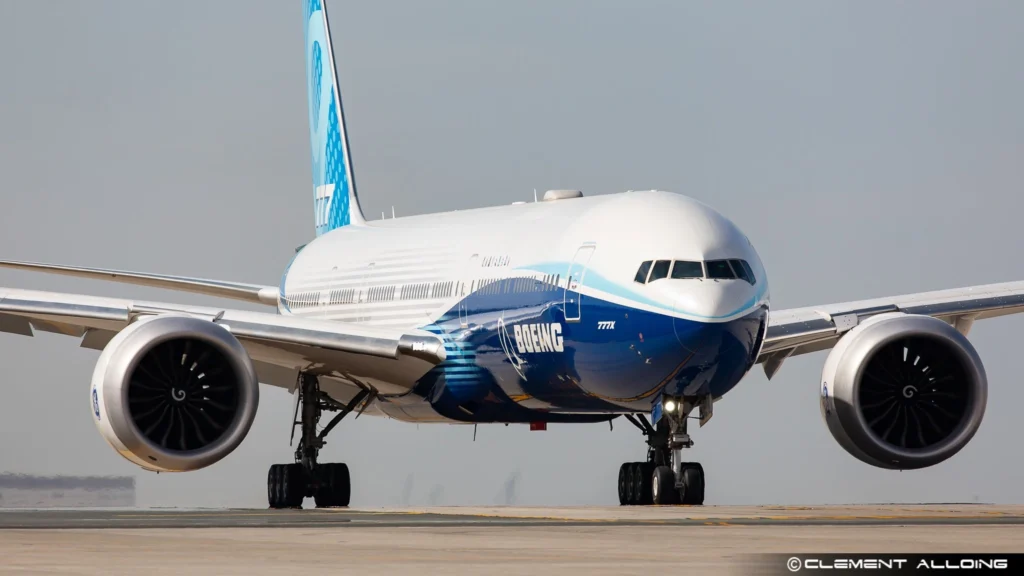
777-9 Reaches Major Milestones Ahead of 2027
The 777-9 remains Boeing’s most extensive certification program, but several major milestones now sit behind it.
Terry Beezhold, vice president and general manager of the 777-9 program, said the test fleet has logged more than 4,800 flight hours across roughly 1,700 flights, with about 50% of planned certification flight testing complete.
Two of the four dedicated flight test airplanes have finished their final layups to move into the remaining test phases.
A central regulatory step is the Type Inspection Authorization (TIA), which allows FAA personnel to officially witness specific flight tests and verify compliance. Boeing has secured the majority of required TIAs, leaving TIA 5 and the ETOPS-focused authorizations still to earn.
ETOPS, or Extended-range Twin-engine Operational Performance Standards, verifies that a twin-engine aircraft can safely operate long routes far from diversion airports, an approval essential for the international and transoceanic flying the 777-9 is built for.
Beezhold said the program will keep earning the remaining TIAs, gain approval to begin ETOPS demonstrations, and close certification deliverables before first delivery in 2027.
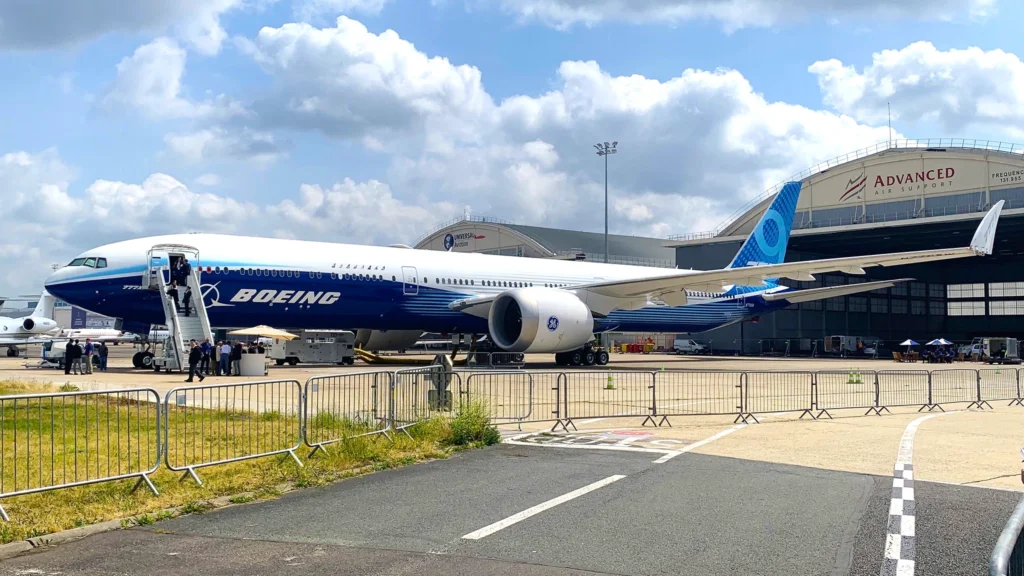
Inside the 777-9 Full-Scale Fatigue Test
Alongside flight testing, Boeing runs one of its most important structural programs, the full-scale fatigue test, which measures how the airframe ages after decades of simulated operations. The aircraft used is the fourth 777-9 produced, moved directly from the Everett, Washington, factory into a custom test rig.
A massive wing rises and falls in a steady cadence while hundreds of sensors track every micrometer of movement. Dedicating an airframe to this test has been standard on every major Boeing model since the 707.
“All Boeing airplanes since the 707 have undergone full-scale fatigue testing, and we do this testing to ensure that we’re meeting our rigorous safety and performance standards,” said Tresha Lacaux, 777-9 vice president and chief project engineer.
Engineers will cycle the airframe through 120,000 complete flight cycles to confirm structural robustness, inspection methods, and maintenance intervals. “We’re applying loads to the wings, to the fuselage, we’re pressurizing the fuselage,” said David Pocasangre of the 777-9 fatigue test team.
“And we’re doing it in such a way to simulate a flight to get ourselves through the equivalent of more than three lifetimes on an airframe.”
Each simulated flight replicates a full airline operation from departure gate to arrival gate, covering taxi, takeoff, climb, cruise, descent, landing, and taxi once more.
“We will run this airplane through a complete ground-air-ground flight profile, so that’s from the gate, to the gate and everything in between,” said Lee McNeil, 777-9 structures technical fellow. “The airframe thinks it’s actually in flight.”
Rather than repeating identical loads, engineers rate the simulated missions on an A to E scale. E flights make up the majority and represent routine short hops in benign weather.
A flights apply the highest loads and reproduce demanding long hauls, such as thunderstorms over mountainous terrain, with the middle categories filling the range between. The rig averages roughly 160 cycles every 24 hours, compressing decades of service into months.
The full-scale test sits atop Boeing’s building-block approach. Engineers begin with thousands of material coupon tests, stressing small representative samples under controlled conditions, then progress through parts and assemblies before committing a full airplane to the rig.
“Fatigue testing helps us show the design is really robust; it’s a safe airplane,” said Daniele Hovington of the fatigue test team. “I’m looking forward to actually flying on a 777-9 myself.”
The campaign has now passed 63,000 flight cycles, beyond one full lifetime, and results continue to match expectations. The data sets structural inspection procedures, maintenance intervals, and long-term operational planning for carriers.
“We test to learn, and to give airlines predictable, dependable guidance to help keep their operations on schedule,” Lacaux said. For airlines, the work supports predictable maintenance and higher availability. For passengers, it offers assurance that the structure has been exercised far beyond routine service before the aircraft ever carries a fare.
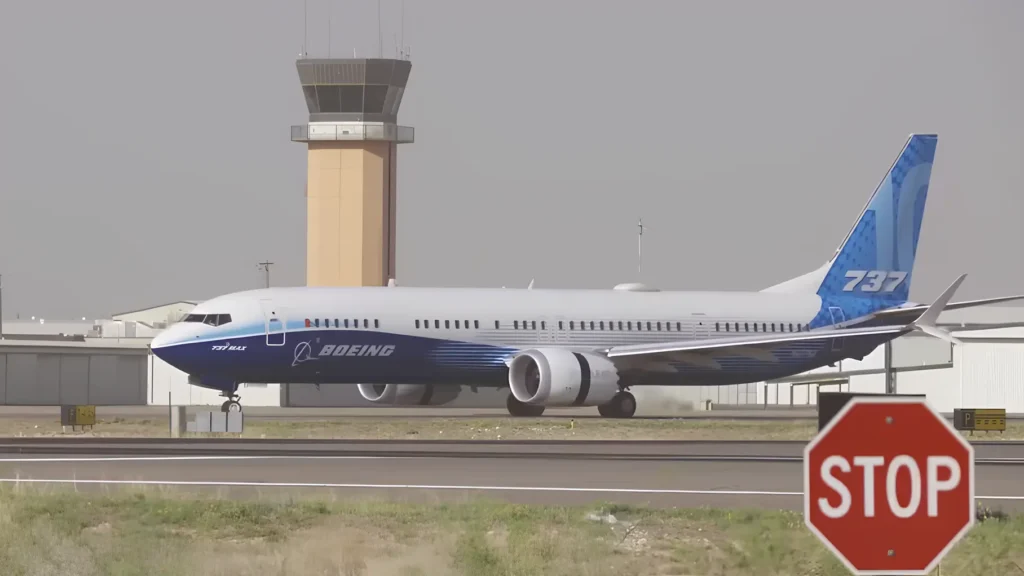
What Comes Next for Boeing’s Programs
In the near term, teams will close DARs and safety analyses on the 737 MAX programs, complete the remaining flight tests, secure the final TIAs and ETOPS approvals for the 777-9, and press toward the documented approvals that enable first delivery.
Sinnett, Payne, and Beezhold all stressed that regulators remain closely engaged and that the required deliverables are now clearly visible.
Sinnett pointed to greater rigor drawn from earlier programs, including wider use of development assurance and formal human factors validation. “We’ll have much greater clarity on future development programs,” he said, “and then we can lean out our own processes to achieve better schedule clarity as we demonstrate compliance with regulatory requirements.”
Lacaux tied the effort back to the people behind it. “I’m incredibly proud of our teams,” she said. “What they bring for this airplane, and their dedication to getting it through certification and delivery, it inspires me every day.”
Stay tuned with us. Further, follow us on social media for the latest updates.
Join us on Telegram Group for the Latest Aviation Updates. Subsequently, follow us on Google News
