

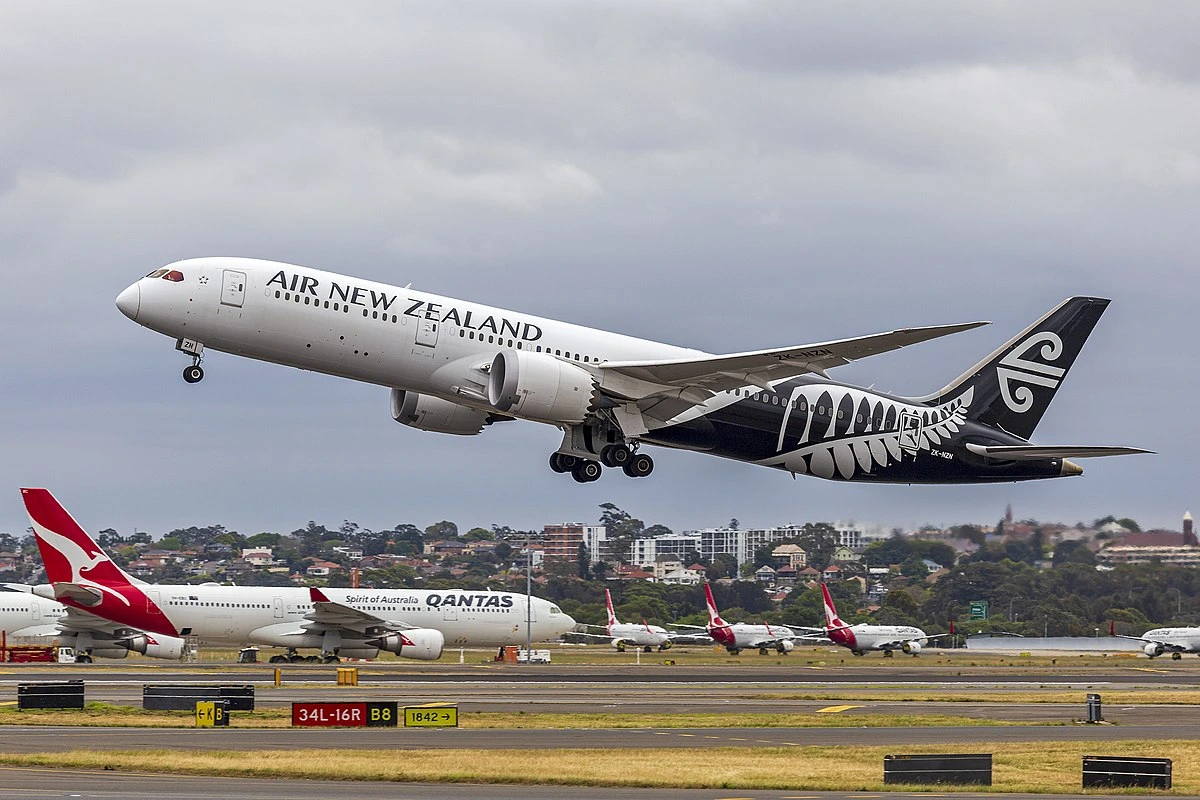
AUCKLAND— Air New Zealand (NZ) has improved its flight punctuality significantly over the past year, with 86% of its services arriving within 15 minutes of schedule during June 2026.
The latest operational gains reflect the airline’s broader strategy to enhance reliability while using artificial intelligence (AI) to provide passengers with more accurate delay information.
The flag carrier has attributed the improvement to better scheduling, enhanced operational tools, and stronger collaboration across its workforce.
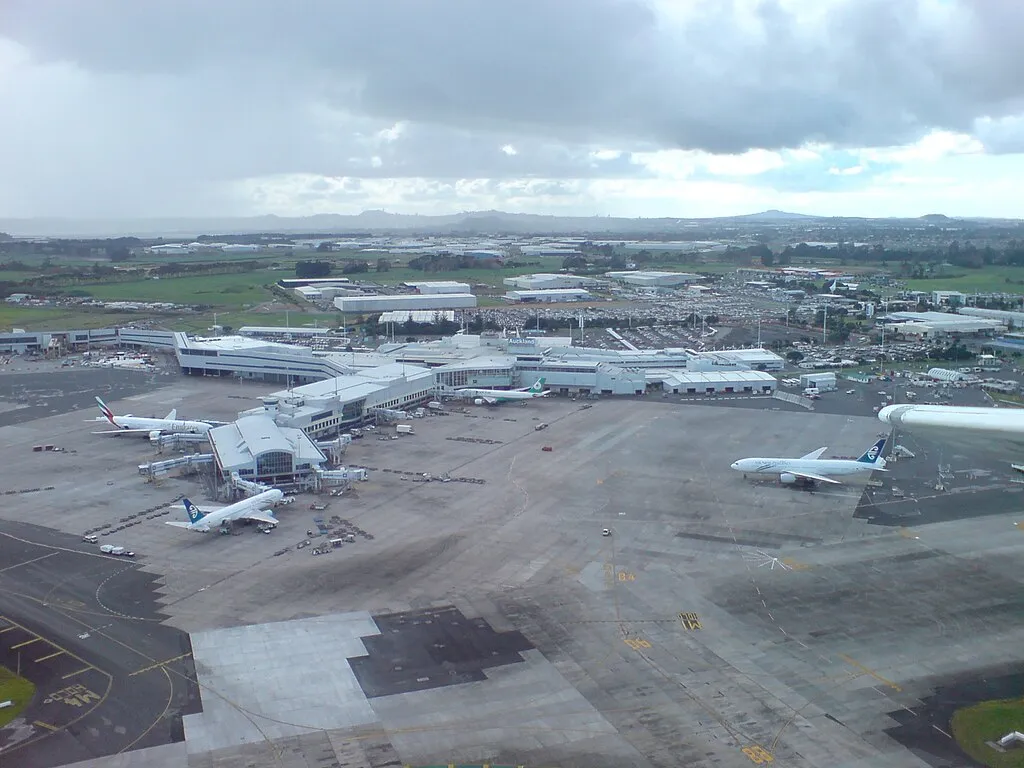
While domestic flights continue to outperform international services, Air New Zealand (NZ) says it remains focused on raising its overall on-time arrival rate closer to 90%. The airline is based at Auckland Airport (AKL), its primary international hub.
Air New Zealand On-Time Performance Gains
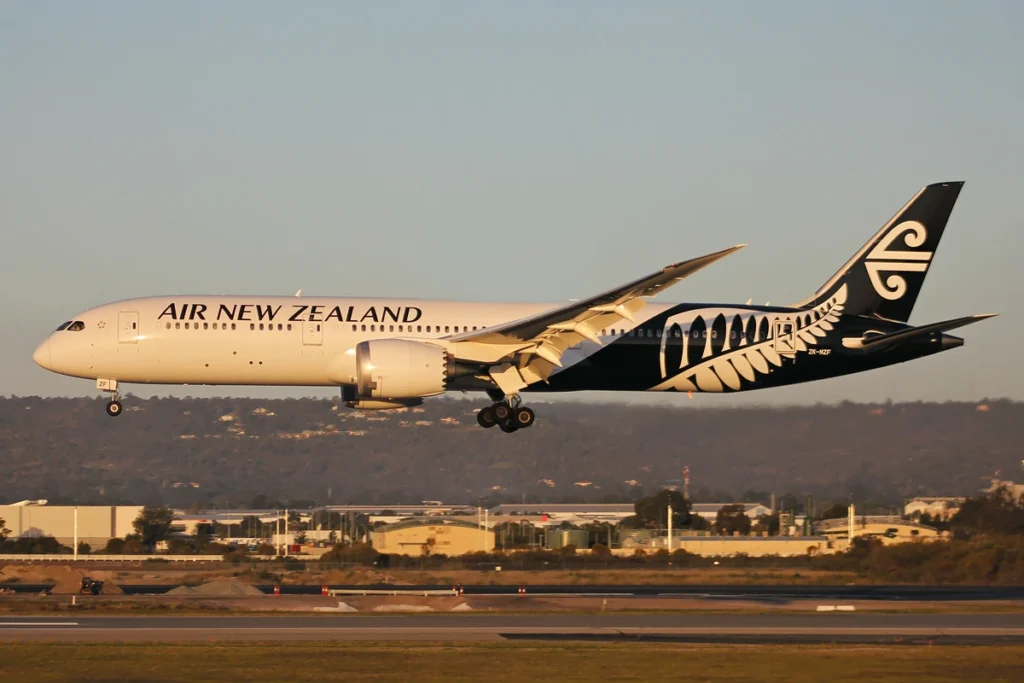
Air New Zealand reported an 8% improvement in on-time performance compared to June 2025. During the month, 86% of flights landed within 15 minutes of their scheduled arrival time, although 1,719 flights still experienced delays, averaging around 57 late arrivals each day.
Chief Operations Officer Kate Boyer said punctuality remains one of the airline’s highest operational priorities because it directly influences customer confidence. According to Boyer, every department across the company contributes to achieving reliable departures and arrivals.
She explained that employees have played a major role in identifying operational improvements. Rather than relying solely on management initiatives, Air New Zealand has encouraged frontline teams to suggest practical solutions that simplify processes and reduce delays.
The airline’s domestic network currently records an on-time performance of 89%, while international flights operate at approximately 78.8%.
Boyer acknowledged that international operations face additional challenges, including longer flight sectors, aircraft rotations, weather disruptions, and global air traffic constraints.
AI Improves Operational Efficiency
Artificial intelligence has become an increasingly important tool in Air New Zealand’s daily operations. The airline is deploying AI across several areas to improve network resilience and strengthen operational decision-making.
One application helps determine the most suitable aircraft for each scheduled flight, allowing the airline to manage disruptions more efficiently. By optimizing aircraft assignments, Air New Zealand can minimize operational impacts when unexpected issues arise.
The carrier is also using AI to predict potential delays before they occur, RNZ reported. By analyzing operational data, the system estimates how events such as late-arriving aircraft, crew changes, or equipment swaps could affect departure times.
These predictive capabilities allow operations teams to respond earlier and make more informed decisions, reducing uncertainty throughout the network.
Better Customer Flight Updates
Beyond improving operational efficiency, Air New Zealand is using AI to provide passengers with clearer and more detailed travel information when disruptions occur.
Instead of offering broad delay estimates, predictive technology enables the airline to communicate more precise timing and explain the operational reasons behind schedule changes.
This gives travelers a better understanding of what is happening before they arrive at the airport.
The airline has also invested in automated rebooking technology to simplify the travel experience when cancellations or major delays occur. Customers can receive alternative flight options more quickly, reducing waiting times during disruptions.
Boyer said travelers often fly for important personal or professional reasons, making timely and transparent communication essential.
Stay tuned with us. Further, follow us on social media for the latest updates.
Join us on Telegram Group for the Latest Aviation Updates. Subsequently, follow us on Google News


