

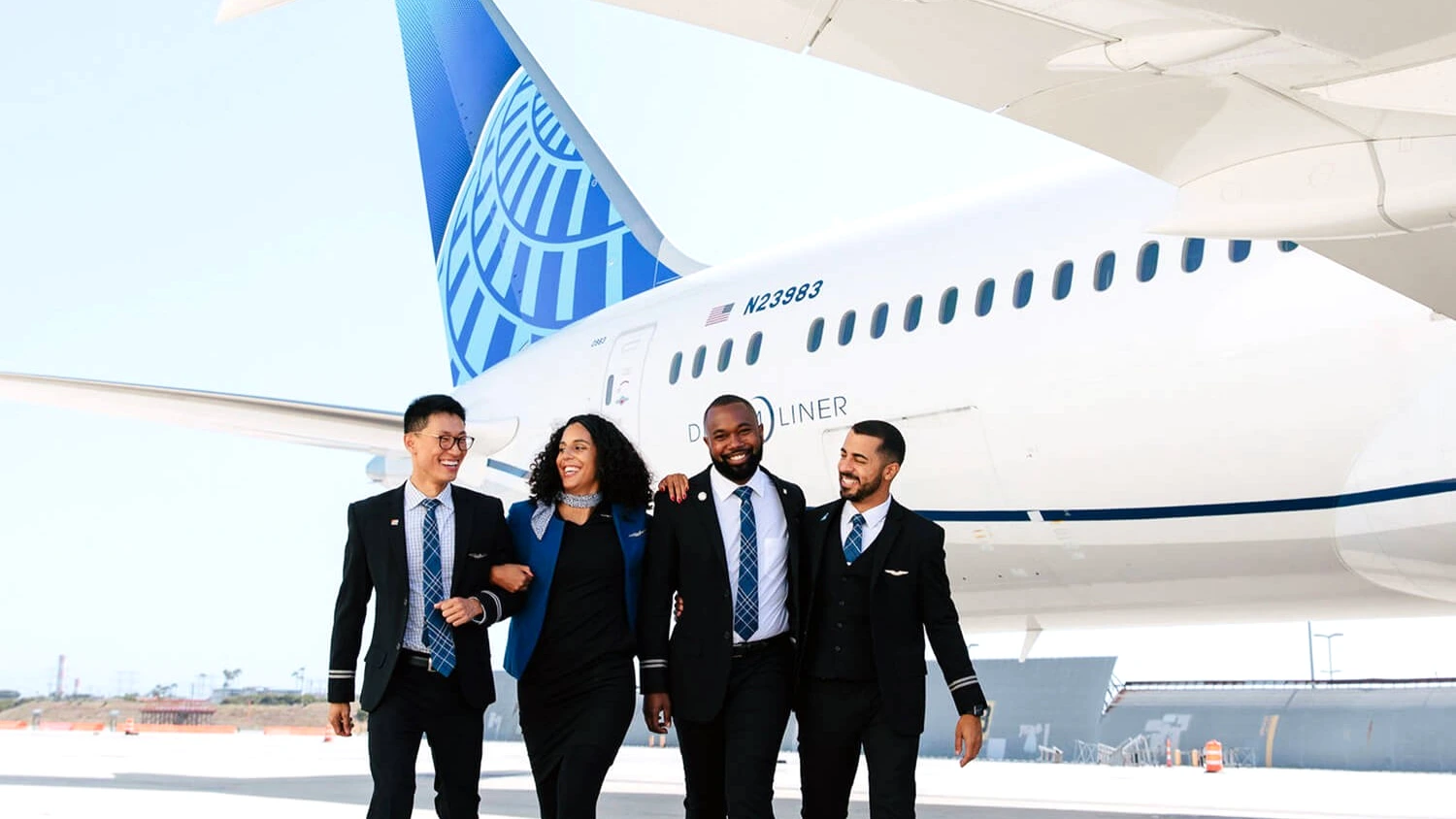
CHICAGO— United Airlines (UA) is disciplining and, in some cases, terminating new-hire flight attendants who are accused of being “out of position” while assigned to reserve duty. The Chicago-based carrier, headquartered near Chicago O’Hare International Airport (ORD), says these crew members are not physically present at their assigned base when their reserve period begins.
Junior flight attendants at United typically spend their first two to three years on reserve, meaning they hold no fixed schedule and remain on call for last-minute assignments. Since February, the airline has taken the position that reserve crew must be at their base or within a three-hour travel window the moment their duty period starts, setting up a direct clash with the Association of Flight Attendants (AFA-CWA).
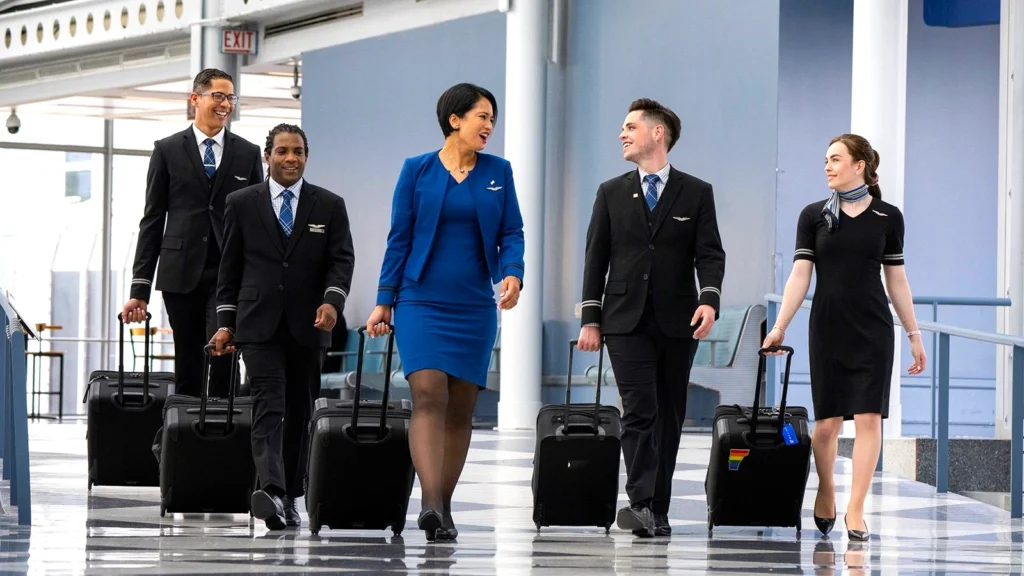
How Reserve Duty Works for New United Crew
Reserve flight attendants do not have set flights in their monthly roster. Instead, they stay available to cover trips that lack enough crew due to sickness, delays, or unexpected schedule changes. When called from home reserve, they normally have several hours to reach their assigned base.
Many new-hire crew members do not live in their base city. United’s hub airports sit in some of the most expensive metropolitan areas in the United States, and the high cost of living pushes junior staff to commute from cheaper locations.
This gap between where crew lives and where they are based sits at the center of the current dispute.
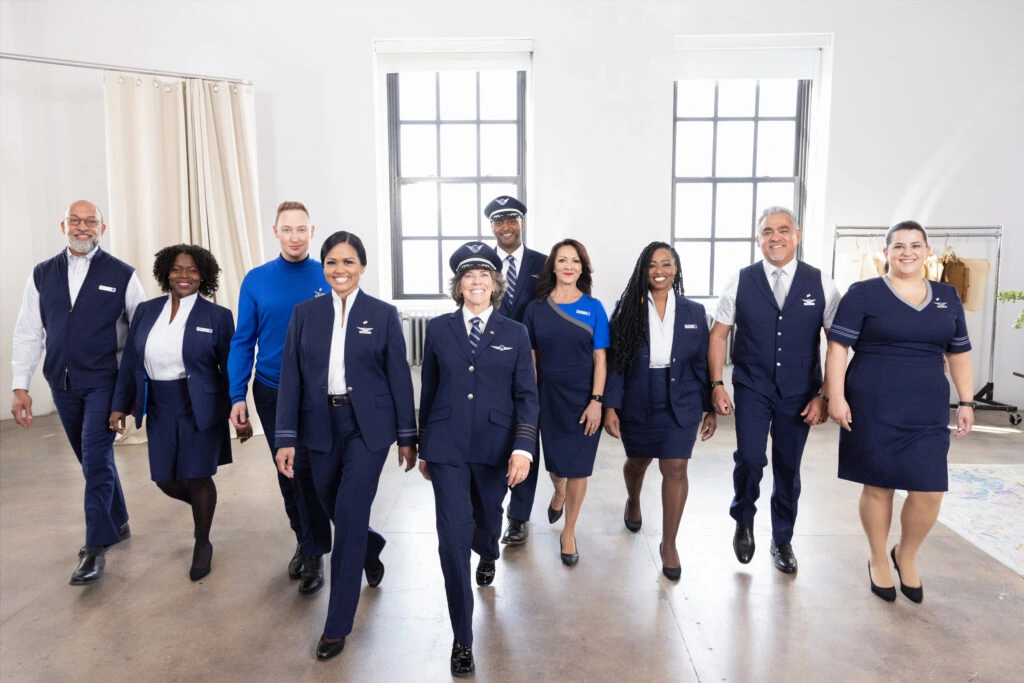
Why Some Flight Attendants Are “Out of Position”
Some flight attendants take a calculated risk by not being physically present at their base at the exact time their reserve period begins.
In certain cases, they are still on a commuting flight to base, betting that even if called, they would arrive within the callout window.
In other cases, crew members do not travel to their base city at all. They check where their name sits on the reserve callout list and decide the odds of being called are too low to justify the trip. This behavior is what United is now targeting.

How United Tracks Crew Movements
United is not monitoring flight attendants through company-issued smartphones. Instead, the airline reviews flight bookings to work out whether a crew member is out of position when reserve duty starts.
For example, if a flight attendant books a standby flight from their home city to their base that departs after the reserve period begins, this signals they were out of position.
Similarly, if a crew member flies from base to their home city but does not book a return flight for the day their next reserve duty starts, this suggests they were hoping to avoid a callout.
United’s stated rule requires reserve flight attendants to be in their base city by 11 pm the night before duty begins. The reserve period then starts at one minute past midnight, with the earliest report time set for 4 am.
Union Pushes Back With a Grievance
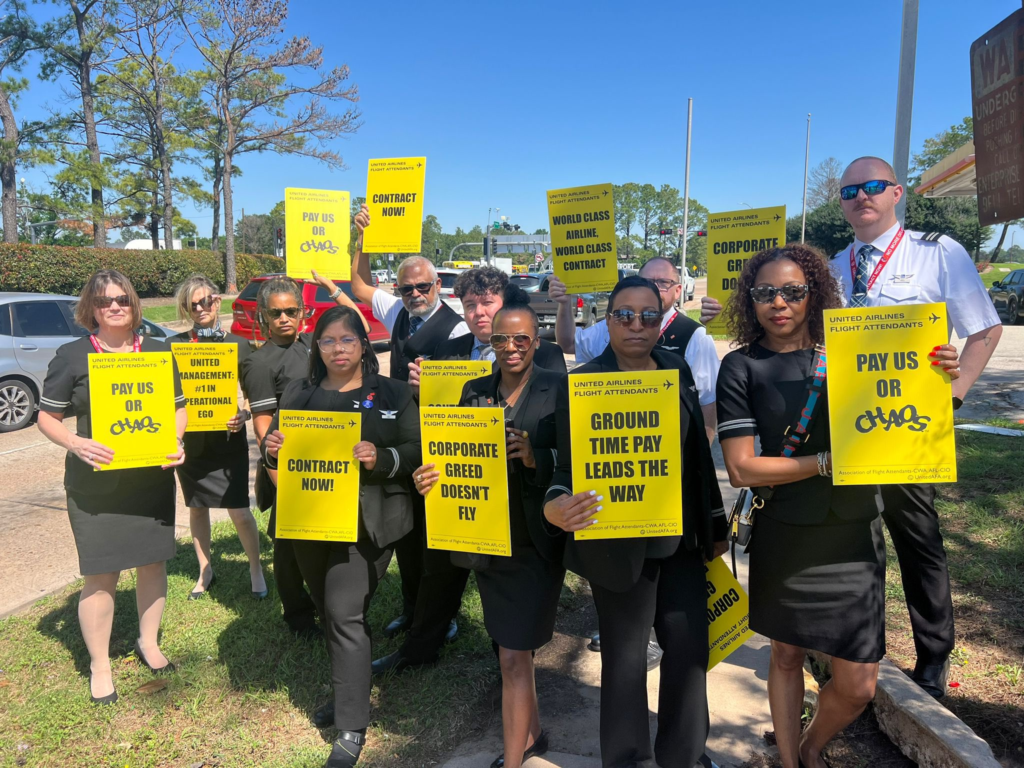
The AFA-CWA is challenging the clampdown. According to PYOK, the union argues that its contract only requires reserve crew members to be available to accept an assignment and then report on time once one is given.
Under that reading, where a flight attendant is located before accepting an assignment should not matter, as long as they turn up at base at the required time.
The union has filed a grievance to press United to ease its enforcement. While the grievance moves through the legal process, the AFA has warned members that the airline may continue disciplining crew it deems out of position.
A Familiar Pattern Across US Airlines
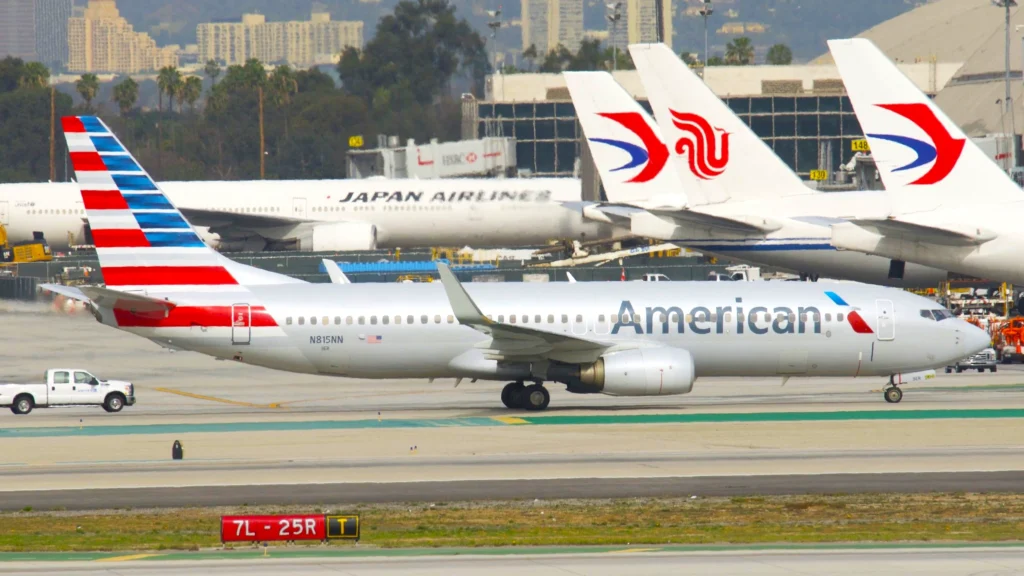
United is not the first carrier to take a hard line on reserve absences. In 2022, American Airlines terminated more than 50 flight attendants in just six months over similar allegations, acting after growing frustrated with reserve crew failing to show up for assigned flights.
Reserve life is widely cited as one of the most demanding parts of the job for junior flight attendants. With few days off and limited holiday time, some crew members appear to be stretching the rules to maximize time spent at home.
Stay tuned with us. Further, follow us on social media for the latest updates.
Join us on Telegram Group for the Latest Aviation Updates. Subsequently, follow us on Google News
