

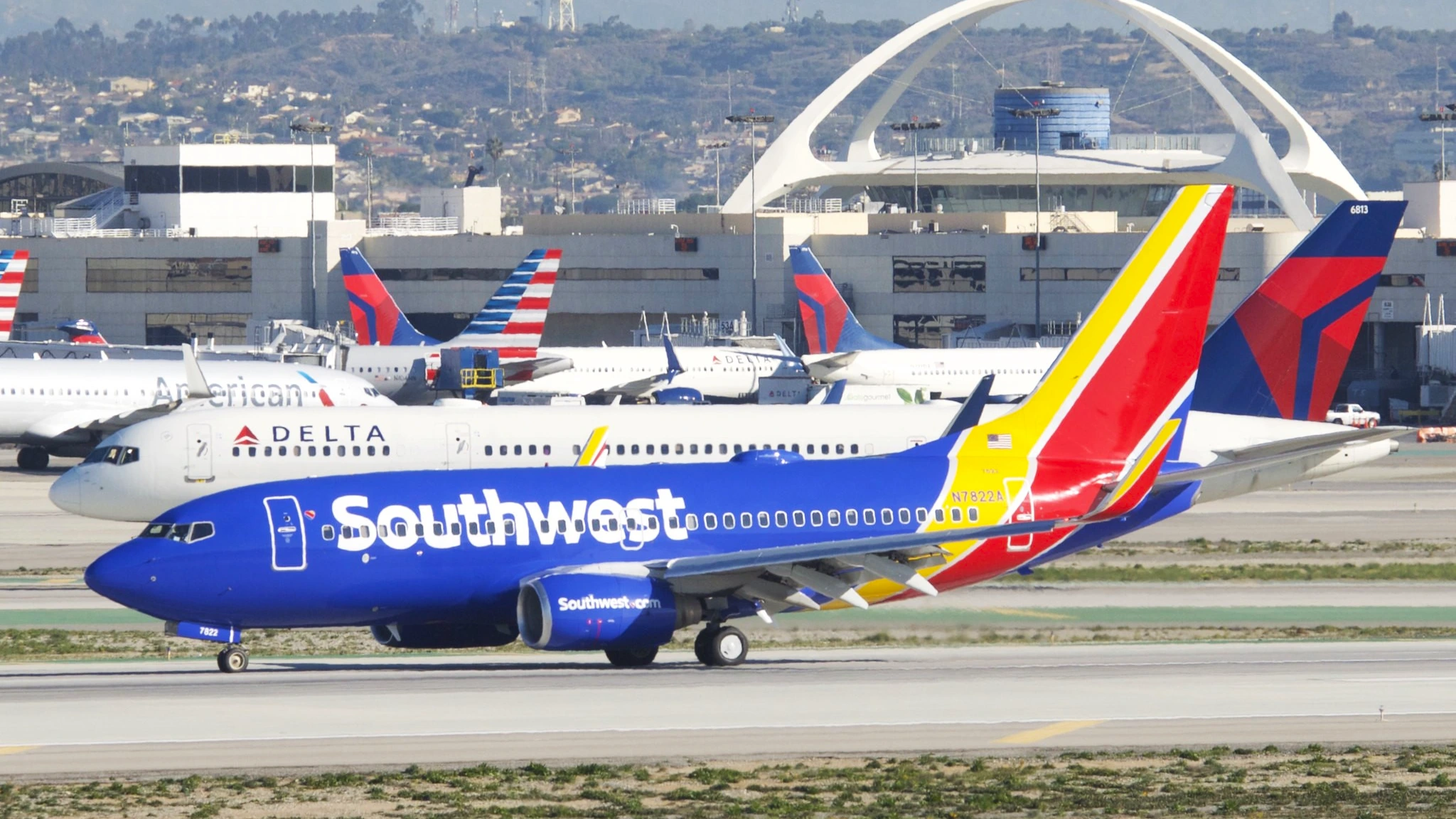
SAN DIEGO- A ground controller at San Diego International Airport (SAN) lost patience with pilots from United Airlines (UA) and Southwest Airlines (WN) during a congested morning push, and the exchange escalated into open criticism on the frequency.
The friction started when crews asked for updates on taxi and pushback clearances at San Diego (SAN), an airport that operates with a single runway and tight taxi space. The controller pushed back hard, one pilot suggested he be replaced, and another told him to go back to LaGuardia (LGA).
Why San Diego Ground Operations Turn Into a Puzzle
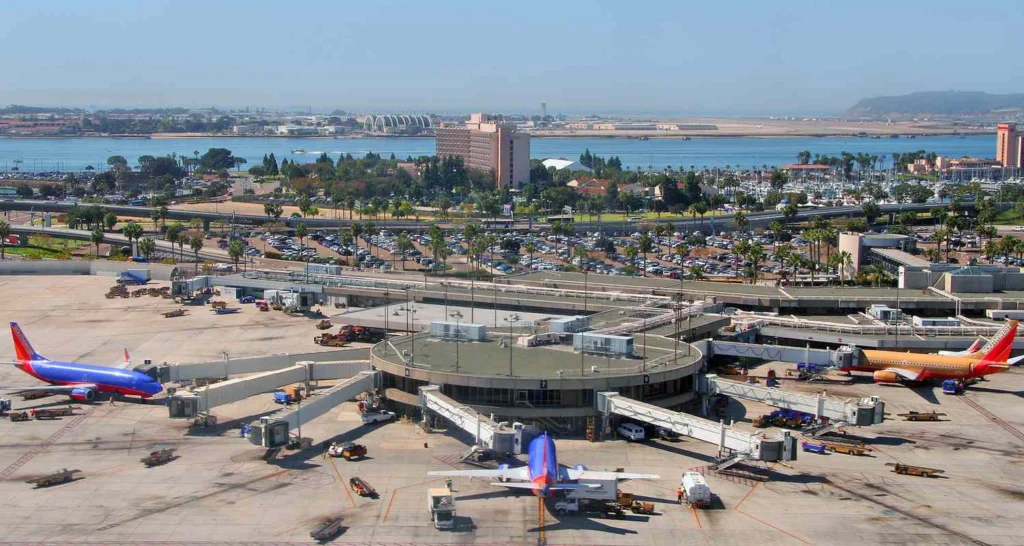
San Diego International Airport works with one runway and limited room for aircraft to taxi. When arrivals and departures stack up at the same time, moving aircraft across the field becomes a sequencing problem rather than a simple clearance issue.
The situation gets harder when aircraft land before their assigned gate is free. Those aircraft need somewhere to hold, and that hold consumes the same taxi space that departing aircraft need. On this particular morning, the ground controller had a long list of aircraft requesting movement and very little space to move them.
Pilots, meanwhile, want to move as early as possible. Crews often follow up on clearances to confirm their place in the sequence or to check on delays. On a saturated frequency, those follow-ups add up.
The United Exchange
According to OMAAT, VASAviation published the air traffic control audio along with a visualization of the morning’s traffic.
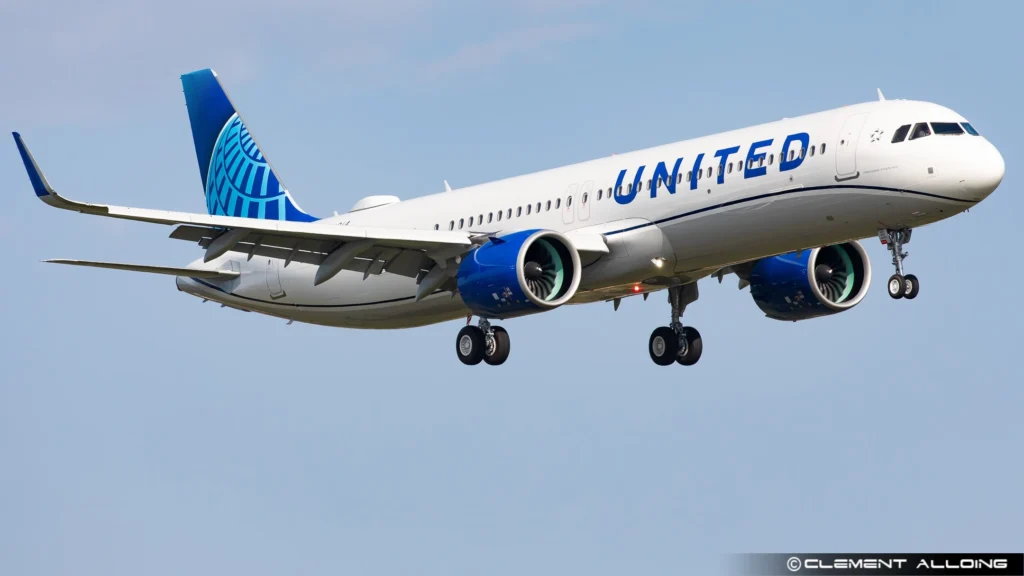
After the controller issued taxi clearances to other aircraft, a United Airlines crew asked about their own clearance.
The United pilot asked, “What about United 1069?”
The controller replied with a single word: “NO!”
The crew tried again, asking, “Just curious for 1069, do we have a time to Chicago?”
The controller then explained his position in detail. He said, “United 1069, I’ve got one taxiway, planes all over the place cause planes arrived too early with no gates. When there’s a slot to get you down there, cause whether you wait there or you’re number 14 waiting at the end, it makes no difference.”
The United crew accepted the answer and responded, “All right, thank you.”
The Southwest Exchange Escalates
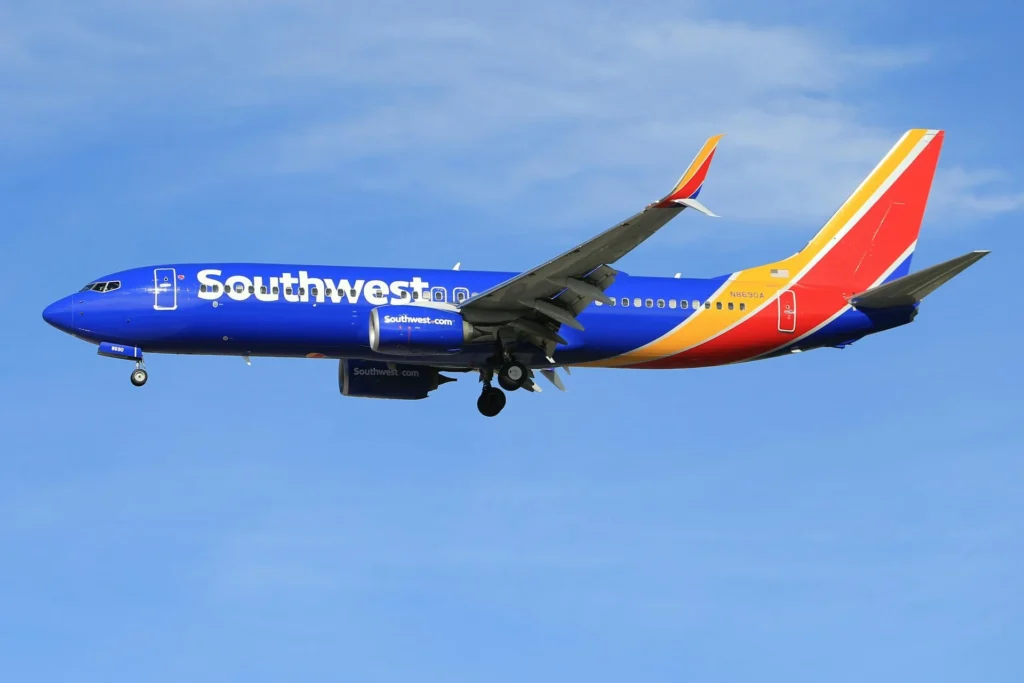
The tone deteriorated when a Southwest Airlines crew requested pushback.
The Southwest pilot called, “Push, for Southwest 3896, at 103.”
The controller denied the request and referenced his experience. He said, “No, there’s traffic inbound in the alley. I’ve been doing this 18 years. When it’s clear, I’ll call you back.”
The Southwest crew disputed the reasoning, saying, “Yeah, he just came in the alley, and he’s parking right now, for Southwest 3896.”
The controller answered that more traffic was on the way. He said, “Well, in about two minutes ask your ground crew to look towards the east, and you will see the next company coming by.”
At that point, the Southwest pilot made the comment that turned the exchange personal: “Sounds like you need to be replaced.”
The controller responded, “Sounds like you have the attitude over there too, because I told you there’s traffic coming and you want to argue with me about it.”
An unidentified pilot then keyed up and added, “Go back to LaGuardia!”
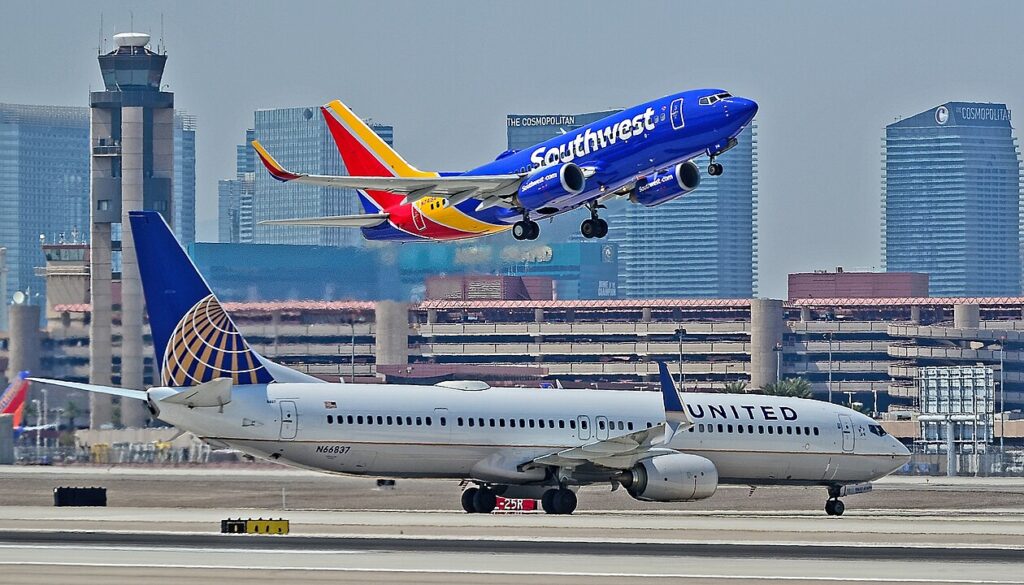
San Diego ATC Gets Angry
The controller’s frustration has a clear operational basis. He was managing a field where aircraft had arrived early without gates, leaving him with one taxiway and aircraft parked across the movement area.
On a frequency with almost no gaps between transmissions, repeated status requests from crews consume time he needs for sequencing.
He also had a plan. His response to United 1069 made that clear, since he pointed out that waiting at the gate area or waiting as number 14 at the end of the queue produces the same departure time.
Where the Response Fell Short
The delivery is the part that draws criticism. A stressed and busy controller who spends airtime lecturing crews is spending the same airtime he says he does not have.
Standard phraseology offered a faster route. A simple “unable,” or a brief note that more inbound traffic was coming, would have communicated the same information in a fraction of the time and without inviting an argument.
The pilots did not help the situation either. The comment about the controller needing to be replaced was unnecessary, and the LaGuardia remark, while memorable, added nothing operationally.
Bottom Line
A busy morning at San Diego International Airport (SAN) produced a ground frequency dispute between a controller and crews from United Airlines (UA) and Southwest Airlines (WN).
The airport’s single runway and constrained taxi layout, combined with early arrivals holding without gates, left the controller with very little room to work.
Rather than issuing short denials, the controller chose to explain and defend his decisions on frequency. The pilots pushed back, and the exchange ended with open insults on a channel meant for movement instructions.
Stay tuned with us. Further, follow us on social media for the latest updates.
Join us on Telegram Group for the Latest Aviation Updates. Subsequently, follow us on Google News
