

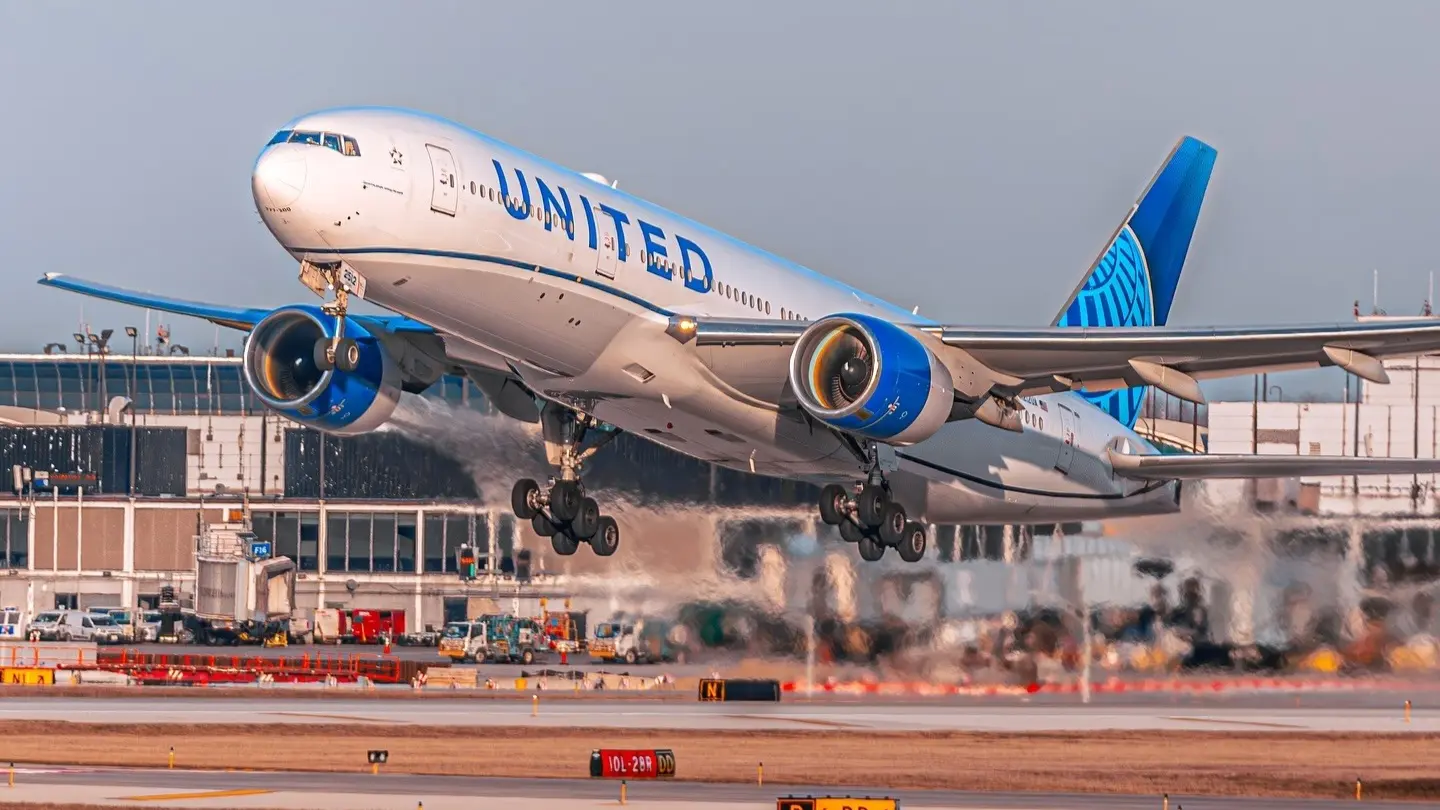
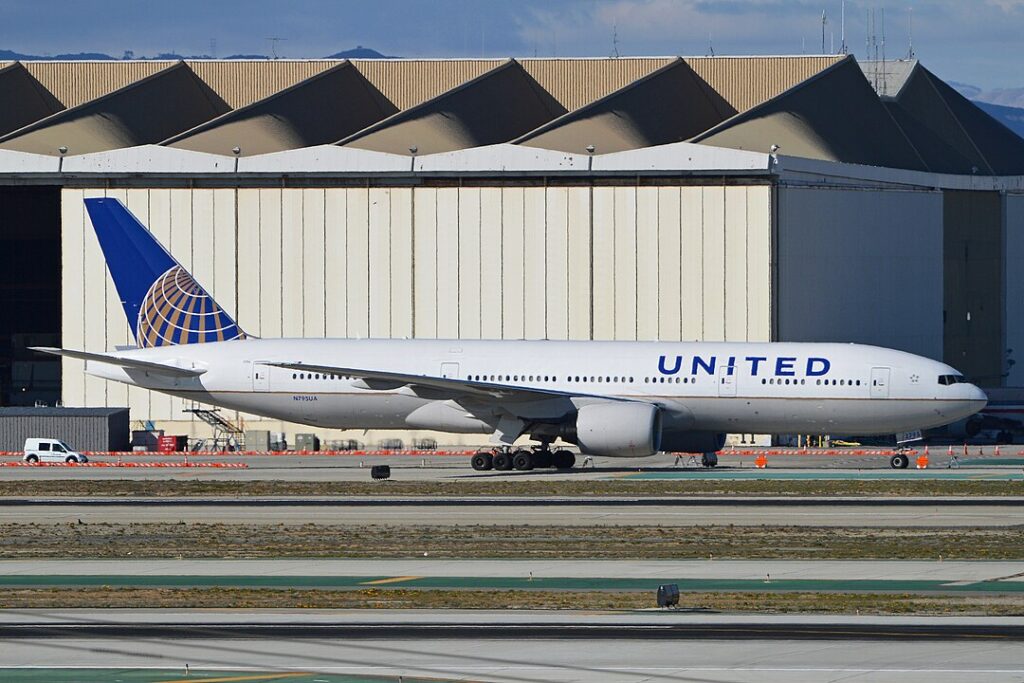
CHICAGO- United Airlines (UA) is facing online scrutiny after a passenger photograph appeared to show a crack near the wing root area of a Boeing 777-200 preparing to depart San Francisco (SFO) for Chicago (ORD).
The image spread quickly across social media, drawing thousands of comments about aircraft age and maintenance standards. Aviation professionals, however, cautioned that a single photograph cannot establish whether an aircraft has sustained structural damage.
Viral Photo: United 777 Crack?
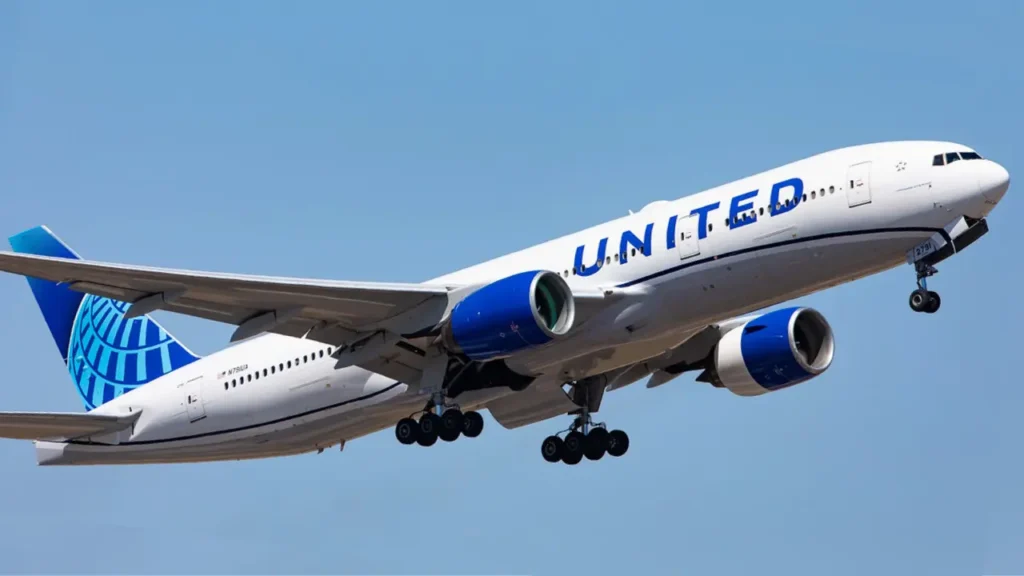
The post came from Lauren Self, who photographed the tail section of an aircraft believed to be N779UA, a 30-year-old 777-200 operated by United, according to ch-aviation and flight tracking data. She stated that a crack appeared visible on the aircraft’s wing-to-fuselage fairing before the jet left San Francisco for Chicago O’Hare.
The aircraft was reportedly one of United’s original 777-200s, which entered service during the mid-1990s. The post gained rapid engagement, with commenters questioning whether an aircraft of that age should still operate scheduled passenger services. Others asked why the airline did not hold the departure until the apparent damage could be examined.
Self was not travelling on the United flight. She was flying with Southwest Airlines (WN) and raised the matter with the pilots operating her own aircraft.
In her post, she wrote:
“I showed the pilots on the Southwest flight I was on. “Uhh, that’s not good. We need to get that grounded immediately.” They tried to get UA to get it back to the gate, but couldn’t get to ground staff in time. So now it’s flying :(“
United has not publicly responded to the claim. There is no indication that aviation regulators have opened an investigation connected to the aircraft in the photograph, Simple Flying reported.
Why Mechanics Urged Caution
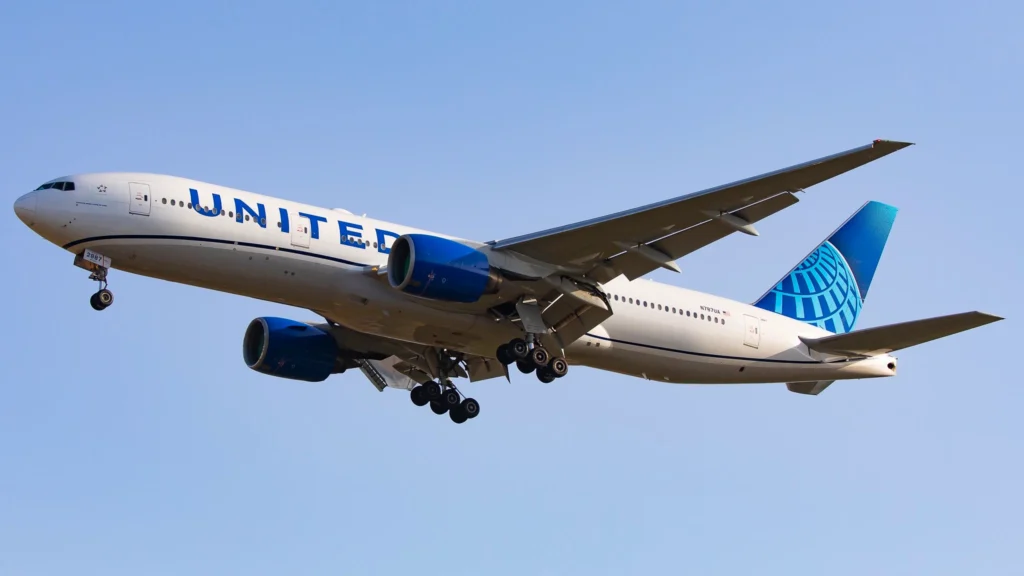
Mechanics and pilots joining the online discussion pointed out that exterior panels, fairings, and composite coverings are routinely mistaken for primary structural components.
They explained that photographs taken from boarding bridges or terminal windows can exaggerate shadows, panel gaps, paint lines, and sealant joints. Features that look alarming in an image often turn out to be normal design details.
Without a close physical inspection and access to maintenance records, determining whether a visible mark represents genuine structural damage is effectively impossible from a photograph alone.
Aircraft Age Does Not Determine Airworthiness
The aircraft’s reported age became a central theme of the online debate. Aviation experts note that commercial aircraft are certified on maintenance condition rather than years in service.
Airlines follow maintenance programmes approved by aviation regulators. These include routine daily inspections, scheduled A, C, and D checks, structural evaluations, and mandatory inspections required through Airworthiness Directives. Components showing wear, corrosion, or fatigue are repaired or replaced well before they can create a safety risk.
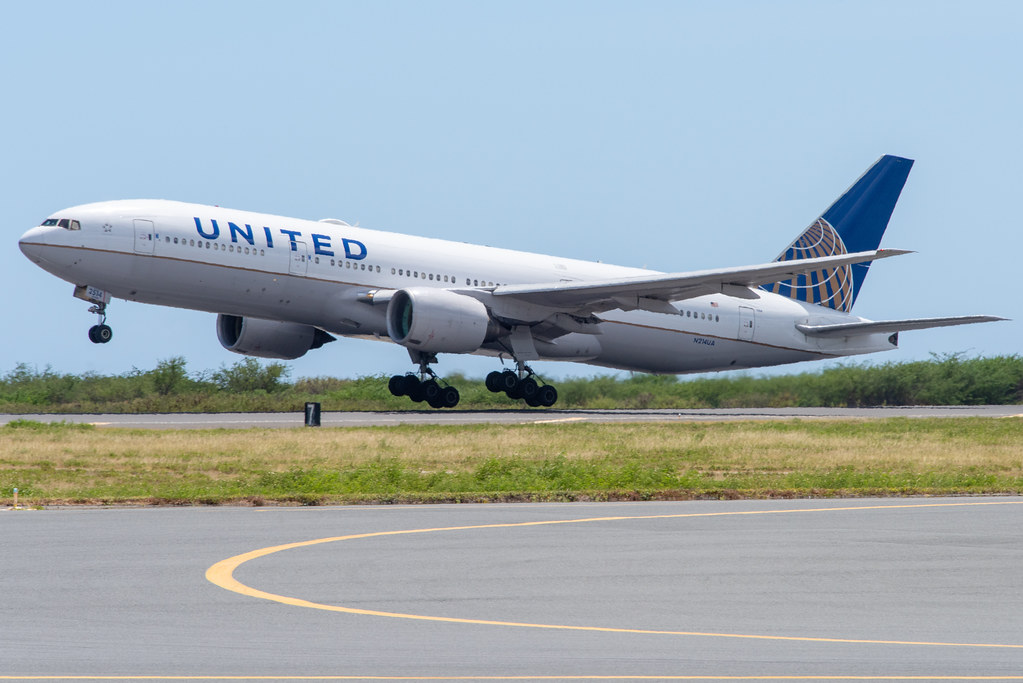
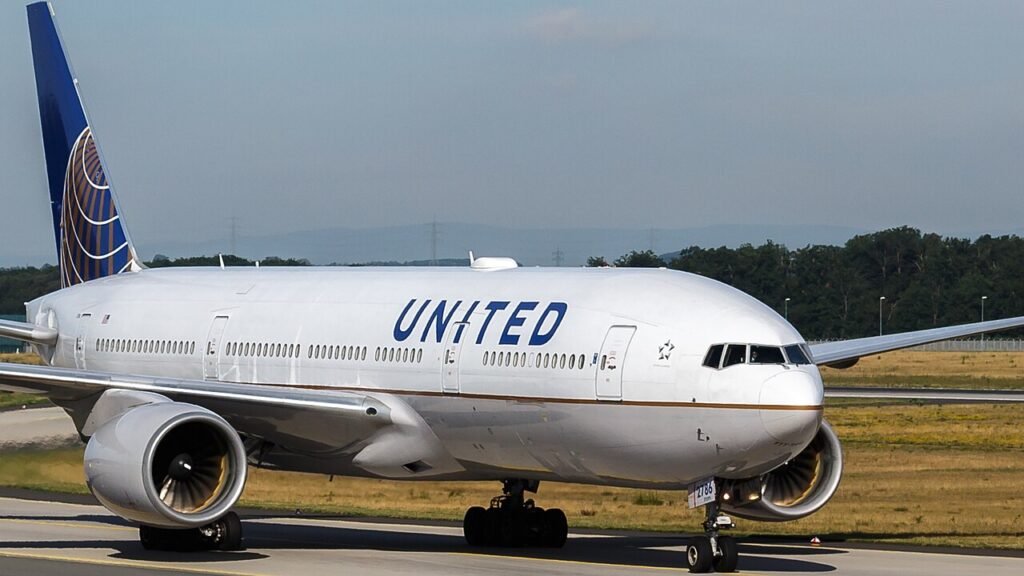
Many 777-200s built during the 1990s remain in commercial service worldwide. The type entered airline service in 1995 and has built one of the strongest safety records among widebody aircraft. Several carriers continue to operate early-production examples after extensive maintenance and refurbishment work. Age by itself is therefore not treated as an indicator of airworthiness.
Public Scrutiny of Aviation Safety Is Rising
The episode shows how fast aviation images travel online, often before their authenticity or technical meaning can be checked. High-profile aviation events in recent years have sharpened public attention on maintenance, prompting passengers to examine anything unusual they notice around an aircraft.
Genuine structural or engine problems on 777 aircraft have historically triggered detailed investigations by the National Transportation Safety Board (NTSB) and the Federal Aviation Administration (FAA).
Those investigations depended on physical inspections, flight data, engineering analysis, and maintenance documentation rather than passenger images. Previous United 777 incidents involving engine failures were subject to full federal review before any conclusions were published.
No Verified Evidence of a Defect
In the case of this photograph, there is no verified evidence that the aircraft departed with an unsafe structural defect, and no reported operational issue during the flight.
Until the airline or regulators release further information, the image remains an unverified social media claim rather than confirmation of a safety breach. The case underlines a basic point for passengers. Public vigilance can highlight potential concerns, but airworthiness is determined by certified inspections and regulatory oversight, not by the appearance of a single photograph.
Stay tuned with us. Further, follow us on social media for the latest updates.
Join us on Telegram Group for the Latest Aviation Updates. Subsequently, follow us on Google News
