

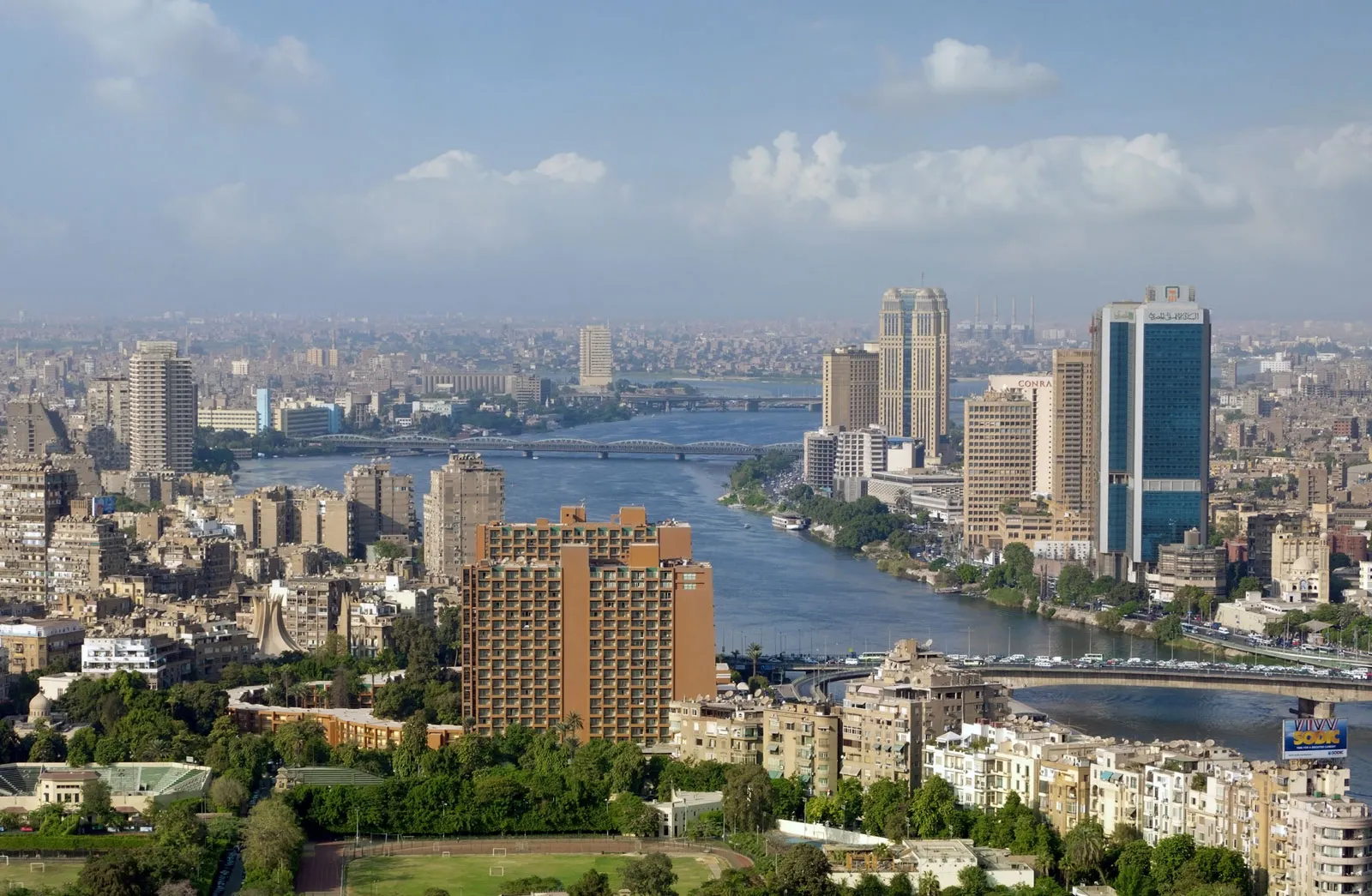
Africa’s aviation sector continued its upward trajectory in June 2026, with airlines expanding capacity to meet increasing demand for both domestic and international travel.
From major connecting hubs to tourism-focused gateways, the continent’s busiest airports played a crucial role in linking Africa with destinations across Europe, Asia, the Middle East, and the Americas.
Based on outbound seat capacity for June 2026, these airports handled the largest number of scheduled departing airline seats.
10 Busiest Airports in Africa
The ranking reflects not only passenger demand but also the growing influence of several African carriers and airports investing in network expansion and modern infrastructure.
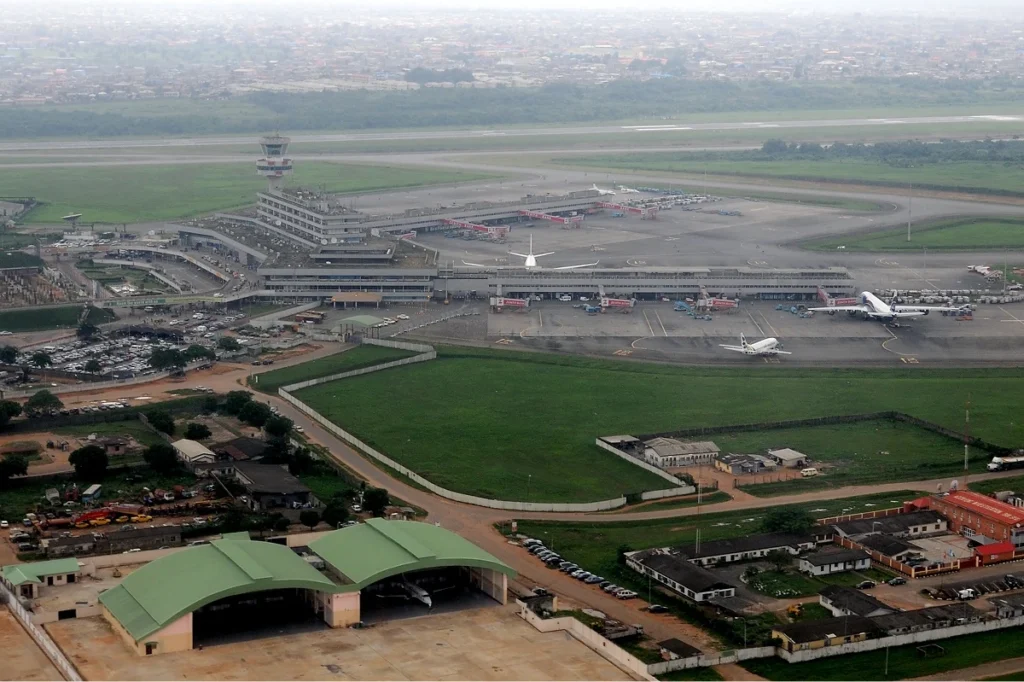
10. Lagos Murtala Muhammed International Airport
Nigeria’s busiest airport rounds out the list after posting the strongest year-on-year capacity growth among Africa’s top 10 airports.
Outbound seats climbed to more than 417,000 in June 2026, highlighting increasing demand for both domestic and international flights.
Located in Lagos, the airport remains the country’s primary aviation gateway and serves numerous regional and long-haul routes.
Continued airline expansion and rising passenger traffic have strengthened its position as one of Africa’s fastest-growing aviation hubs.
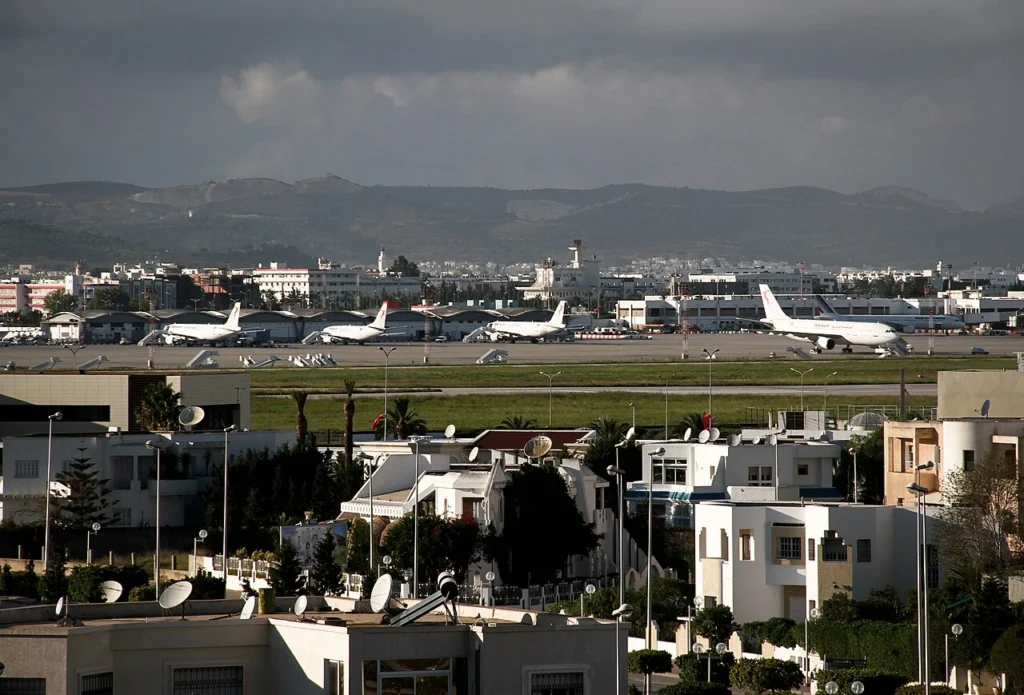
9. Tunis–Carthage International Airport
Tunisia’s principal airport maintained its place in Africa’s top 10 with steady improvements in airline capacity.
Offering more than 422,000 outbound seats during June, the airport continues to connect North Africa with major cities across Europe, the Middle East, and the African continent.
As the main base for Tunisian carriers, Tunis–Carthage remains an important gateway for tourism, business travel, and regional connectivity, supported by consistent passenger demand and a well-established route network.
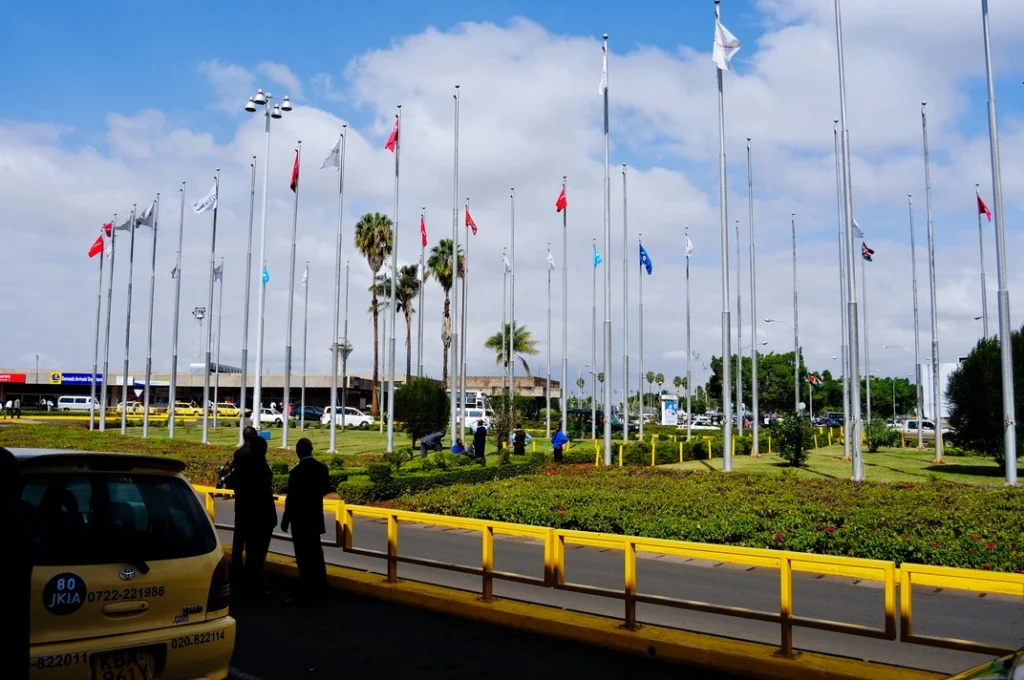
8. Jomo Kenyatta International Airport
Serving Kenya’s capital, Nairobi, Jomo Kenyatta International Airport continues to strengthen its role as East Africa’s leading aviation hub.
Airlines scheduled nearly 487,000 outbound seats in June 2026, reflecting healthy annual growth.
The airport acts as the primary base for Kenya Airways and links passengers to dozens of destinations worldwide. Its strategic location and extensive international network make it one of Africa’s most important transfer points for business and leisure travelers alike.
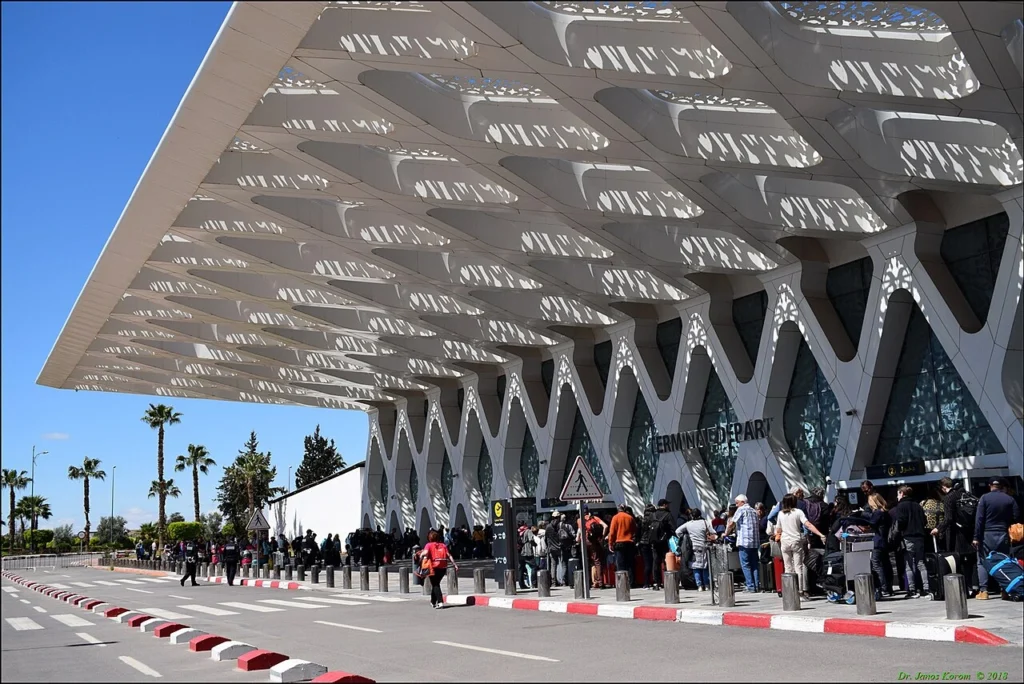
7. Marrakech Menara Airport
Morocco’s tourism boom continues to benefit Marrakech Menara Airport, which secured seventh place after recording solid growth in outbound capacity.
Airlines offered nearly 497,000 departing seats during the month as international visitor numbers remained strong.
The airport connects Marrakech with more than 60 destinations, particularly across Europe, making it one of the continent’s busiest leisure gateways. Continued airline expansion has reinforced its importance within Morocco’s rapidly growing aviation market.
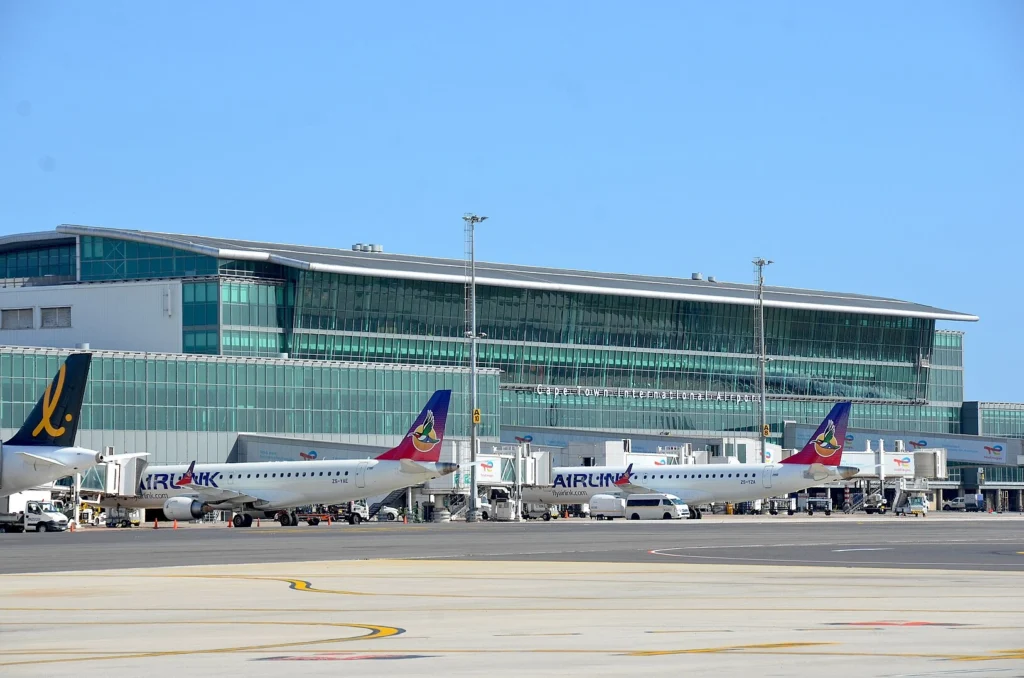
6. Cape Town International Airport
Cape Town International Airport remains one of South Africa’s busiest travel hubs, supported by strong demand from both international tourists and domestic travelers.
More than 515,000 outbound seats were available in June 2026, representing steady annual growth.
The airport offers extensive connections throughout Africa while also serving long-haul destinations in Europe, Asia, the Middle East, Australia, and the Americas. Its modern facilities and growing international network continue to boost its regional importance.
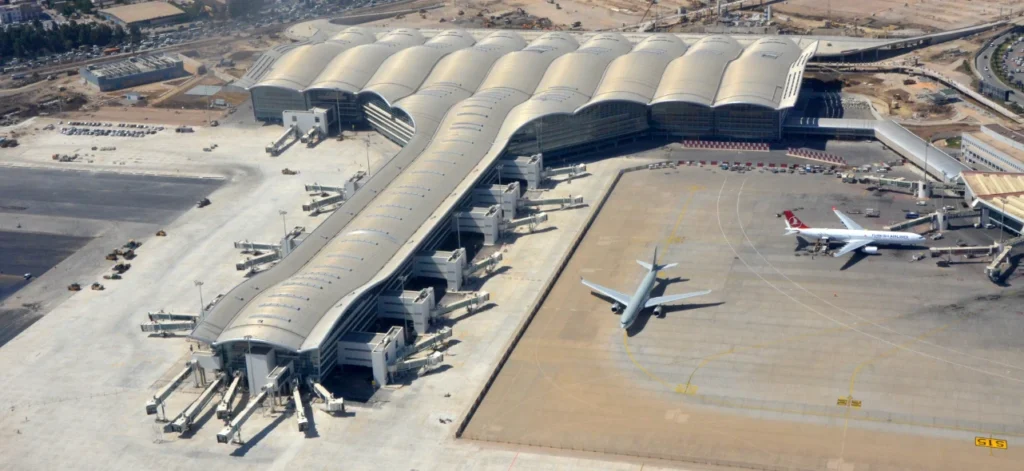
5. Houari Boumediene International Airport
Algeria’s largest airport ranked fifth after offering more than 532,000 outbound seats in June 2026.
Based in Algiers, Houari Boumediene International Airport serves as the country’s primary international gateway and continues to benefit from gradual growth in passenger demand.
Significant investments in terminal expansion over recent years have increased its handling capacity, allowing the airport to accommodate more airlines and larger aircraft while strengthening Algeria’s connections with Europe, the Middle East, and the rest of Africa.
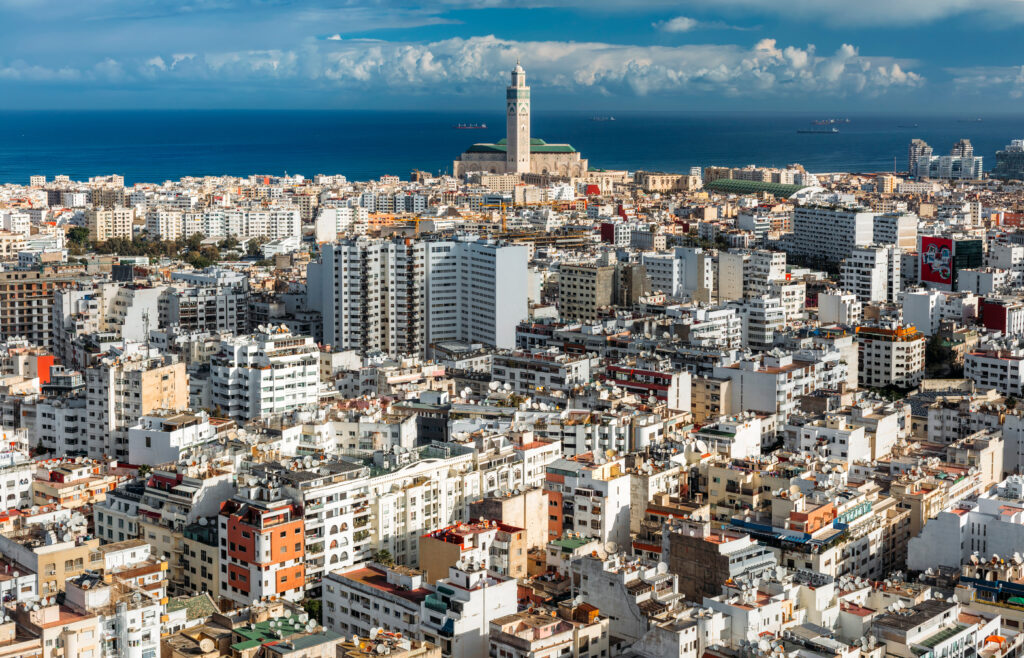
4. Mohammed V International Airport
Located near Casablanca, Mohammed V International Airport remains Morocco’s busiest aviation hub and one of Africa’s most important transit airports.
Airlines scheduled approximately 666,000 outbound seats during June 2026, reflecting another year of healthy growth.
The airport connects travelers to more than 100 destinations and serves as the primary hub for Royal Air Maroc. Its modern terminals and expanding international network continue to support Morocco’s ambitions as a leading aviation gateway between Africa and Europe, Nairametrics reported.
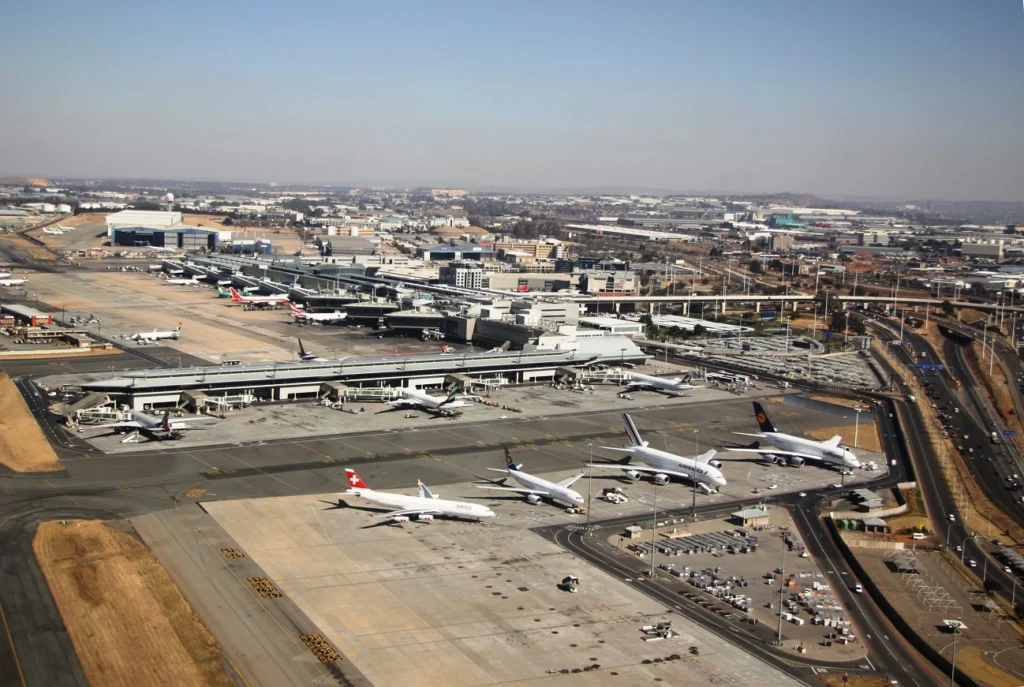
3. O.R. Tambo International Airport
Johannesburg’s O.R. Tambo International Airport secured third place with more than 1.06 million outbound seats during the month.
As South Africa’s largest airport, it plays a central role in linking the continent with destinations across six inhabited continents.
The airport remains the main hub for South African Airways and several international carriers. Its extensive flight network, modern infrastructure, and strategic location ensure it remains one of Africa’s busiest and most influential aviation centers.
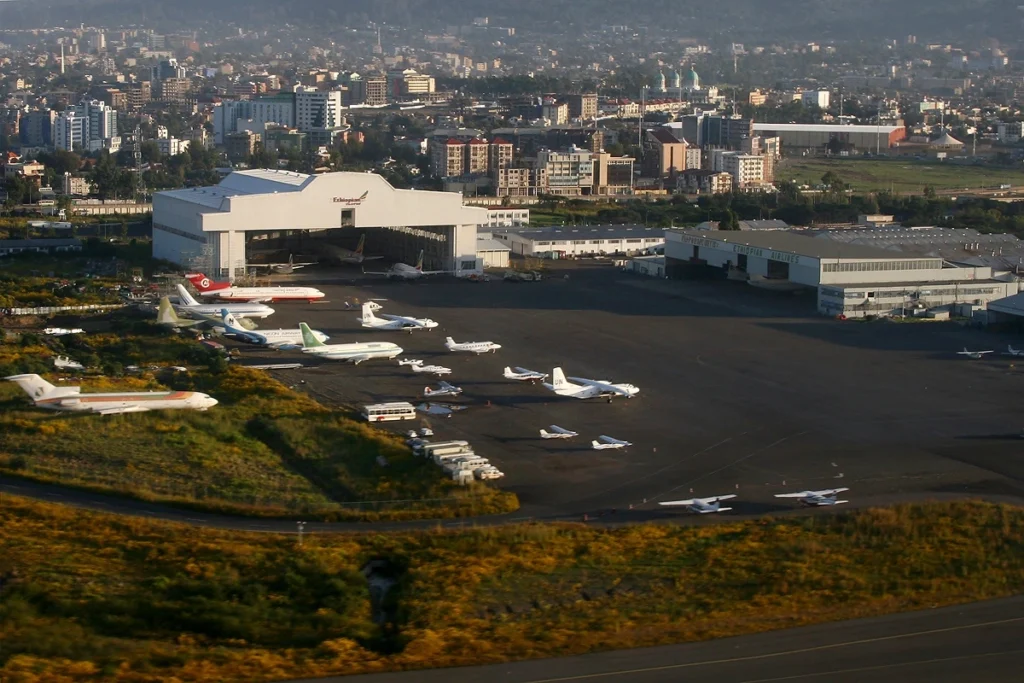
2. Addis Ababa Bole International Airport
Addis Ababa Bole International Airport claimed the second position after exceeding 1.13 million outbound seats in June 2026.
Continued expansion by Ethiopian Airlines has transformed the airport into one of the world’s leading transit hubs connecting Africa with Europe, Asia, the Middle East, and the Americas.
Strong annual growth reflects the airport’s increasing importance in global aviation, supported by efficient connections, modern facilities, and Ethiopia’s expanding role in international air transport.
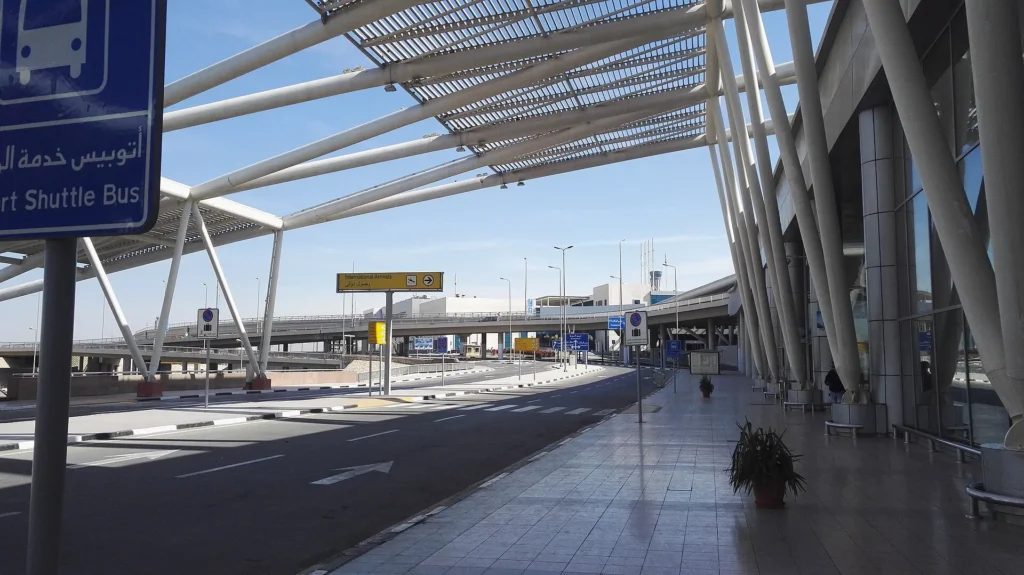
1. Cairo International Airport
Holding onto the top spot once again, Cairo International Airport remained Africa’s busiest airport by outbound seat capacity in June 2026.
Airlines offered more than 1.65 million departing seats, comfortably ahead of every other airport on the continent.
As Egypt’s primary international gateway and the main hub for EgyptAir, the airport continues to experience steady growth driven by rising travel demand and ongoing infrastructure upgrades.
Planned future expansions are expected to further strengthen Cairo’s position as one of the region’s premier aviation hubs.
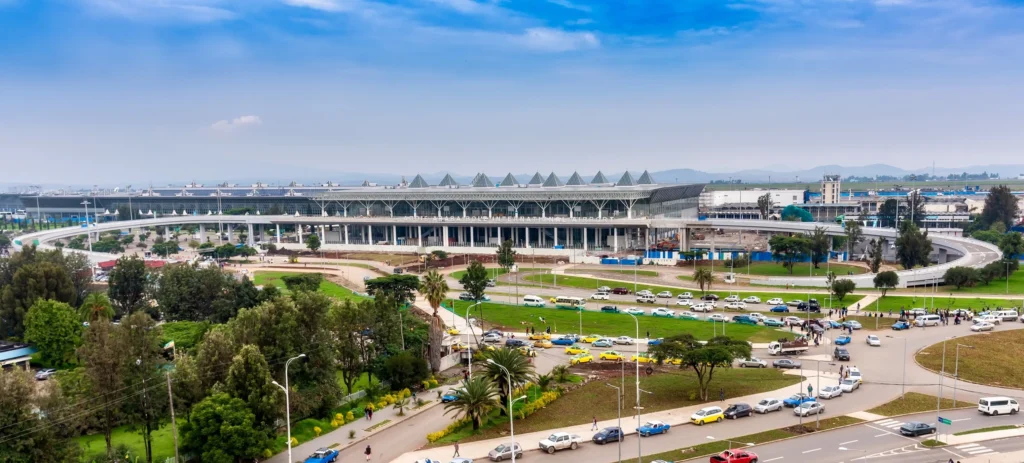
Bottom Line
June 2026 highlighted Africa’s steadily expanding aviation market, with leading airports increasing airline capacity to meet growing passenger demand.
Cairo and Addis Ababa maintained their dominance as the continent’s busiest hubs, while airports in Morocco, South Africa, Algeria, Kenya, Tunisia, and Nigeria continued to strengthen their positions through network expansion and rising traveler numbers.
As airlines add more routes and governments invest in airport infrastructure, Africa’s busiest airports are expected to play an even greater role in global air connectivity in the years ahead.
Stay tuned with us. Further, follow us on social media for the latest updates.
Join us on Telegram Group for the Latest Aviation Updates. Subsequently, follow us on Google News


.jpg)
.jpg)


_AN1418405.jpg)