

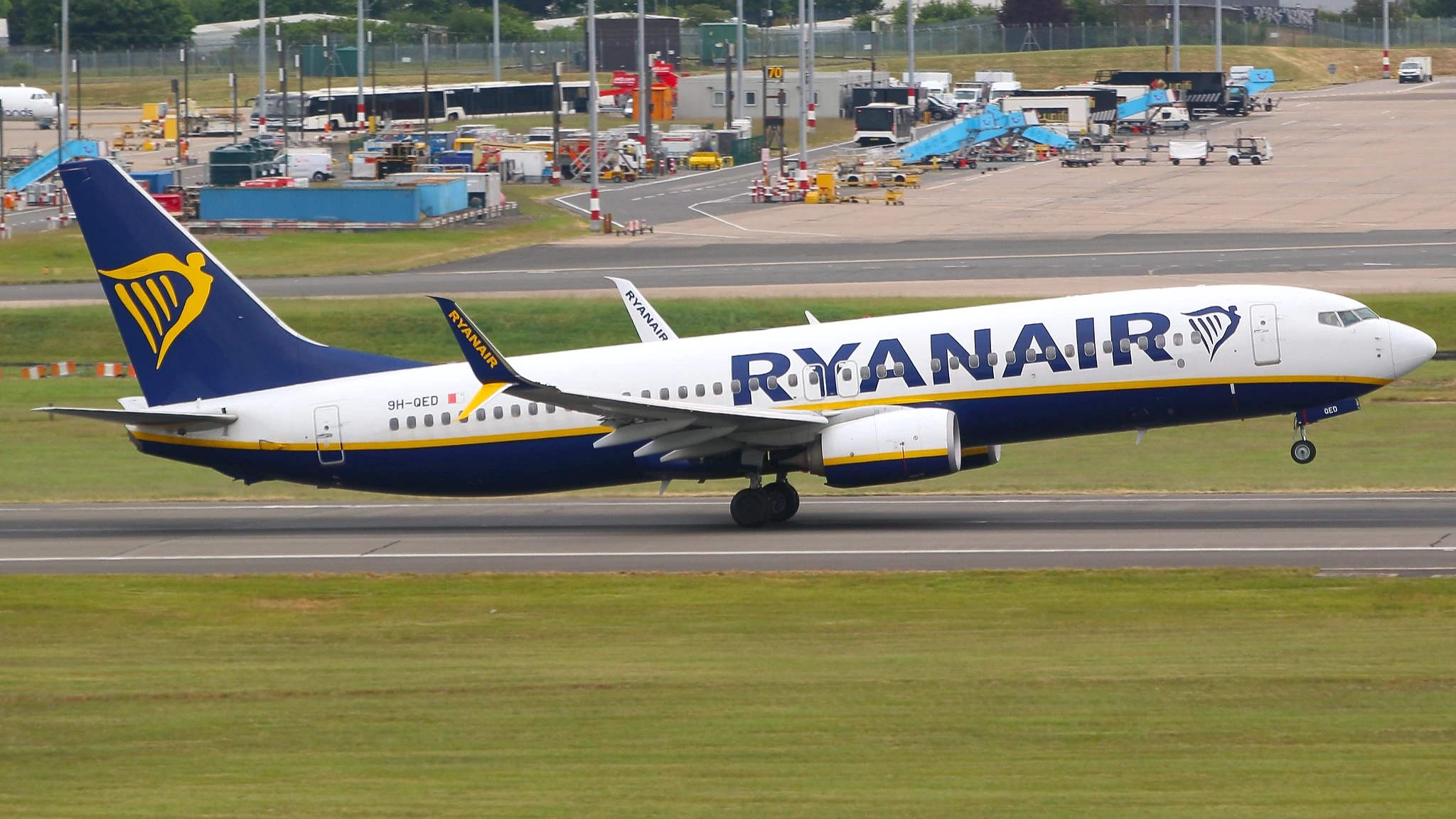
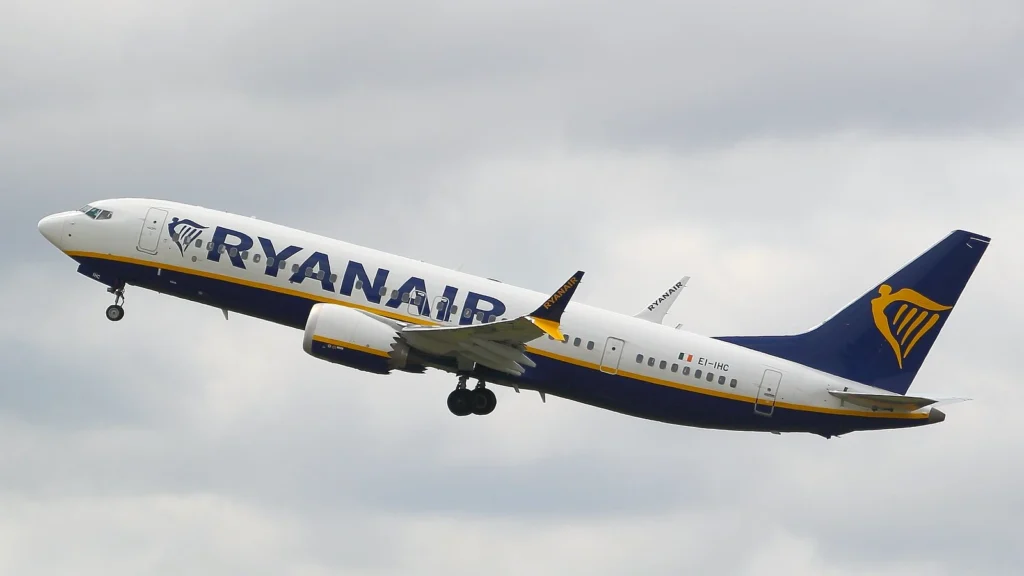
DUBLIN- Ryanair (FR), the Dublin (DUB) based ultra-low-cost carrier, reported record full-year FY26 profit and proved that an airline can still earn serious money from flying people, without a giant co-brand credit card engine behind it.
That result stands in sharp contrast to American Airlines (AA), Delta Air Lines (DL), and United Airlines (UA), three US network carriers whose thin airline profits now lean heavily on bank partnerships with Citi, American Express, and JPMorgan Chase.
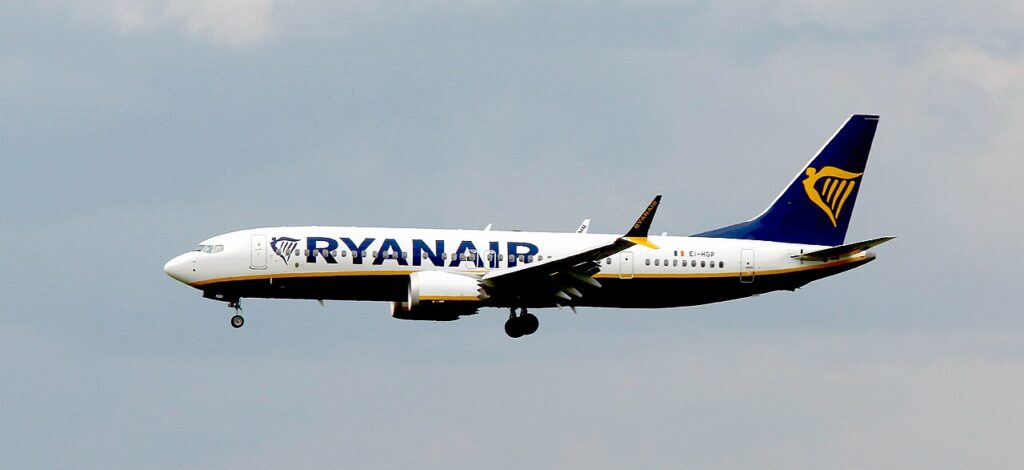
Ryanair Built Its Profit On Flying, Not Banking
Ryanair Holdings reported FY26 profit after tax, before exceptional items, of €2.26 billion for the year ended March 31, 2026. That figure rose 40% from €1.61 billion in FY25.
Group revenue increased 11% to €15.54 billion, traffic grew 4% to 208.4 million passengers, and ancillary revenue reached €4.99 billion, equal to about €24 per passenger.
After an €85 million provision for an Italian competition fine, reported profit after tax was €2.17 billion.
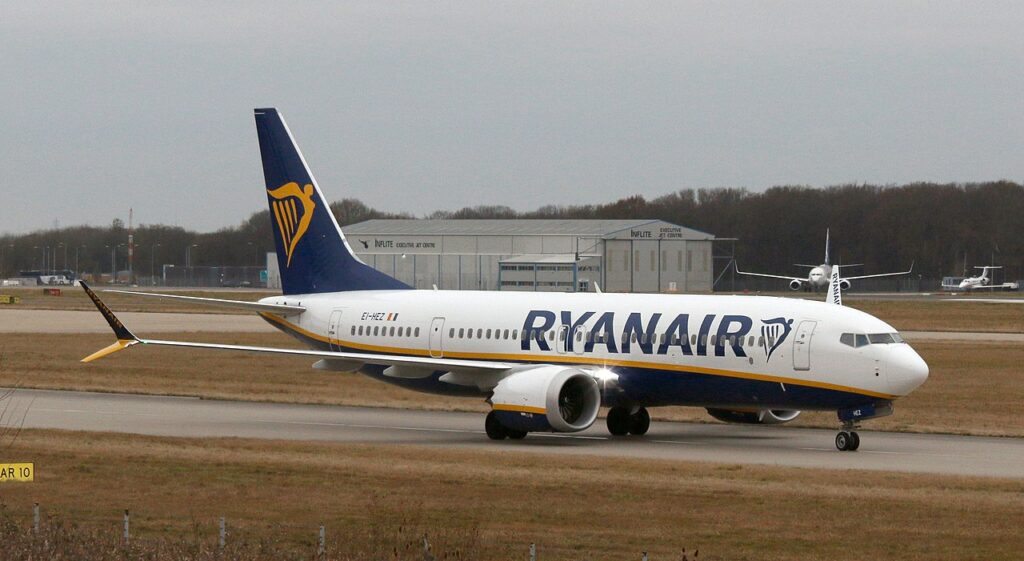
The airline did not need a bank to buy billions of miles to reach that number. It used a low-cost operating model, a single narrowbody fleet built around the dense Boeing 737-8200, high aircraft utilization, and a fare that gets people to book before they pay extra for the items the airline strips out of the base price.
The fare attracts the booking, the cost base keeps the fare possible, and the ancillary revenue turns a cheap seat into a profitable trip, Live and Let’s Fly reported.
A Note On The Half-Year Figure
Ryanair’s first-half FY26 profit, for the six months to September 30, 2025, was actually higher than the full year at €2.54 billion, up 42%.
The September quarter alone delivered €1.72 billion. The full-year total lands lower than the half-year total because Ryanair’s winter second half runs at a seasonal loss.
The seasonally weak Q3 produced only €115 million, and the January to March quarter typically loses money. This pattern explains the gap and does not weaken the result. It shows the strength of the summer travel season, carrying the business.

American Airlines Leans On AAdvantage And Citi
American Airlines reported record full-year 2025 revenue of $54.6 billion, but GAAP net income of only $111 million. That is a very thin margin for a global network carrier carrying heavy labor, fleet, and operational costs.
American’s 2025 annual report listed cash remuneration from co-branded credit cards and other partners of $6.2 billion.
Citi became the exclusive US issuer of the AAdvantage co-branded card portfolio in 2026, under an expanded 10-year agreement. Co-branded card spending rose 8% in 2025, and AAdvantage enrollments grew 7%.
Loyalty accounting includes deferred revenue, mileage liability, and redemption costs, so the $6.2 billion in partner cash cannot be subtracted cleanly from the $111 million profit. Still, the relationship between those two numbers is hard to ignore. The airline creates the loyalty currency, and the bank monetizes it at scale.
Delta Air Lines And The American Express Engine
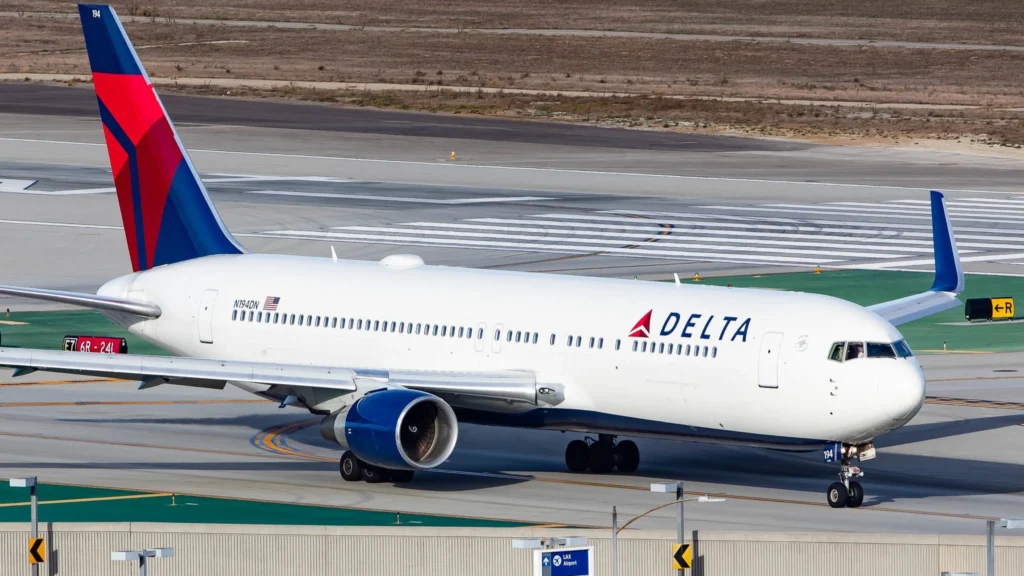
Delta is the best run of the US legacy carriers, which makes the credit card points stronger rather than weaker. Delta generated about $5 billion in profit on operating revenue of $63.4 billion in 2025, supported by real operational reliability and premium revenue growth.
Delta also reported that American Express remuneration grew 11% to $8.2 billion in 2025, with more than one million new card acquisitions for the fourth straight year. Delta has signaled that this figure could keep climbing toward $10 billion in the coming years.
Diversified revenue, including premium, loyalty, cargo, and partner income, now accounts for about 60% of total revenue.
Delta runs a premium airline, a loyalty platform, and one of the strongest co-brand card relationships in the country, which means it is no longer a clean comparison to Ryanair.

United Airlines Ties Profit To MileagePlus And Chase
United reported full-year 2025 net income of roughly $3.35 billion on record operating revenue of $59.1 billion.
Its 2025 Form 10-K shows $3.85 billion of other operating revenue, with the increase driven partly by mileage revenue from non-airline partners, including credit card spending with JPMorgan Chase. Loyalty revenue rose 9% for the year.
United is not only rewarding people for flying. It is building MileagePlus so that card holding, card spending, elite status, and redemption all reinforce one another. The seat still matters, but it increasingly works as one part of a wider financial ecosystem.
Why The Contrast Matters
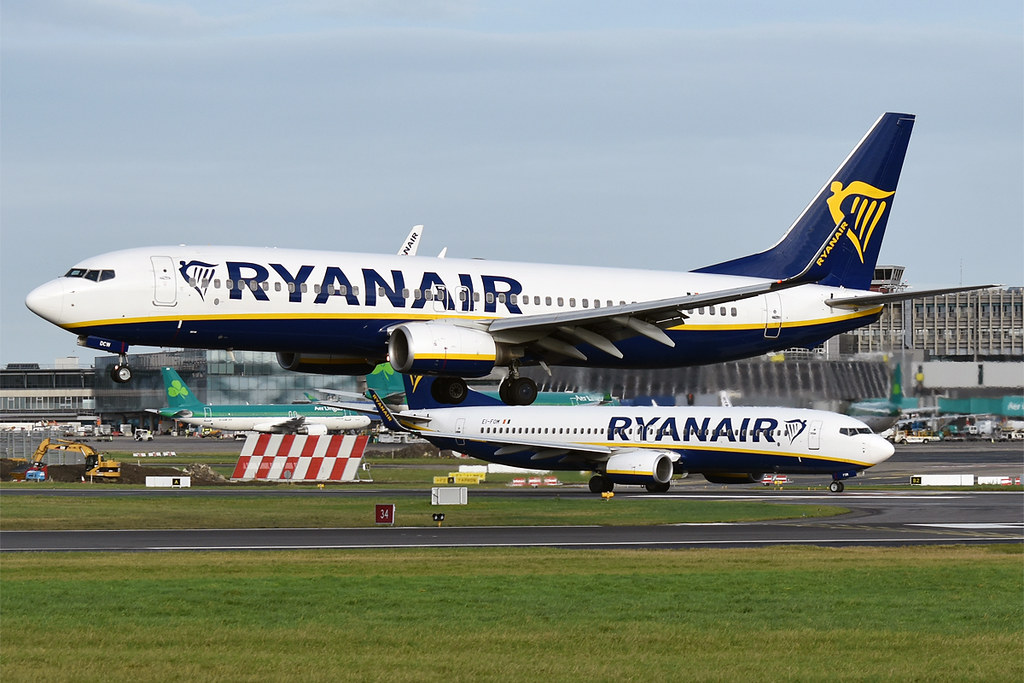
Ryanair makes money by running the least sentimental version of the airline business. It keeps costs low, keeps planes full, keeps aircraft moving, sells the base fare hard, and charges separately for everything else.
The US legacy carriers run a far more complex model of hubs, lounges, premium cabins, and alliances, then use loyalty programs and bank partnerships to turn that complexity into something banks pay to access.
That model can work very well, and Delta proves it. But it works because the bank relationship is now core to the financial model, not a supplement. Ryanair has no such cushion, and it still leads the world in earning profit from the flight itself.
What The Comparison Does Not Prove
Ultra-low-cost carriers are not the only airlines that can make money, and a low-cost label does not guarantee success.
Spirit’s collapse in the US showed that the model does not erase debt, competition, or execution mistakes. Frontier, Allegiant, Wizz Air, easyJet, Volaris, and IndiGo all show different results under the same broad idea.
The common thread is not that every cheap airline wins. It is that the model starts with the flight trying to pay for itself, before any bank makes the economics feel better. Ryanair’s FY26 record is the cleanest proof that a disciplined low-cost airline can still earn real money by moving people from one place to another.
Stay tuned with us. Further, follow us on social media for the latest updates.
Join us on Telegram Group for the Latest Aviation Updates. Subsequently, follow us on Google News
