

WASHINGTON— Employers and foreign professionals seeking work opportunities in the United States continue to face uncertainty after a federal court temporarily suspended a ruling that had invalidated the controversial $100,000 H-1B visa filing fee introduced during President Donald Trump’s administration.
The legal dispute has created confusion for companies that rely on skilled international talent.
While the original court decision briefly offered relief to employers and H-1B applicants, a subsequent administrative stay has preserved the status quo until a higher court reviews the matter.
H-1B Visa Fee Dispute Continues
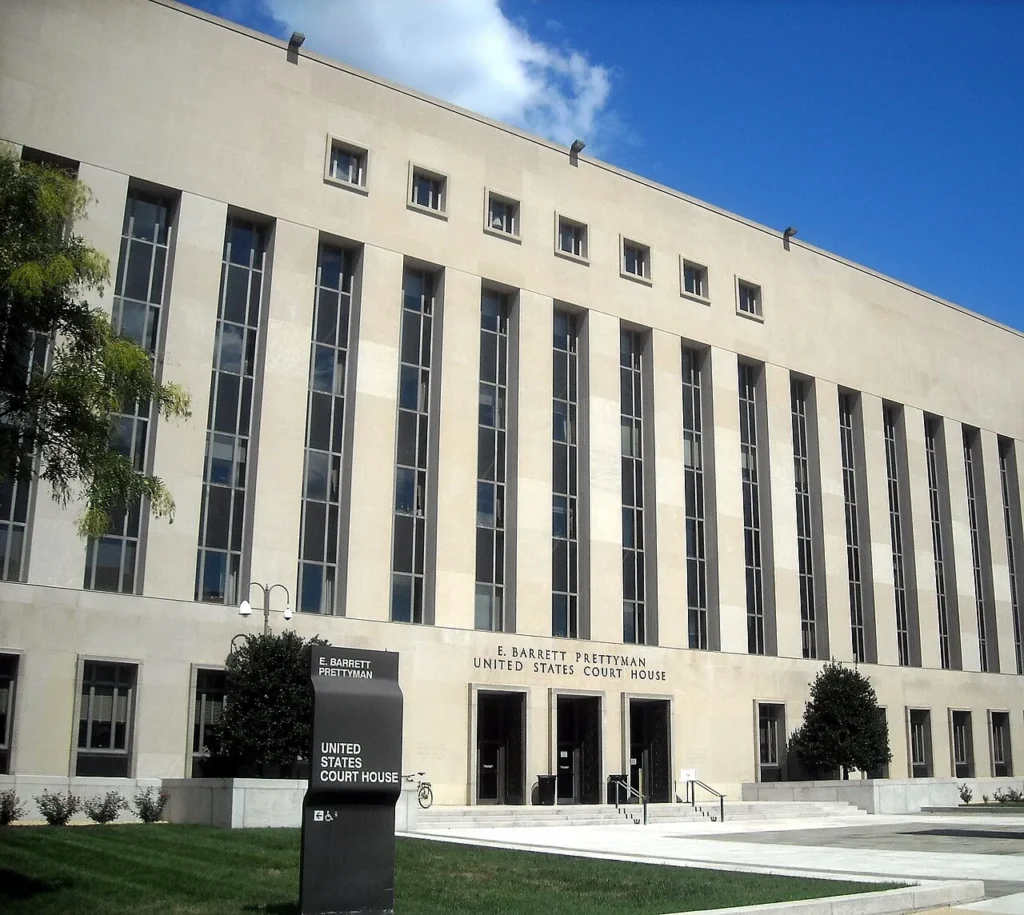
The controversy centers on a $100,000 filing fee imposed on certain H-1B visa petitions. On June 8, US District Judge Leo Sorokin ruled that the fee amounted to an unauthorized tax and exceeded the government’s legal authority.
However, the decision did not immediately eliminate the fee. On June 12, Judge Sorokin issued an administrative stay of his ruling, allowing existing regulations to remain in effect while the federal government pursues an appeal before the US Court of Appeals for the First Circuit.
The temporary stay means employers must continue planning for the possibility that the fee could remain enforceable.
Businesses across technology, engineering, healthcare, and research sectors are closely monitoring the legal proceedings because of the potential impact on hiring costs and workforce planning.
USCIS RFE Activity Continues
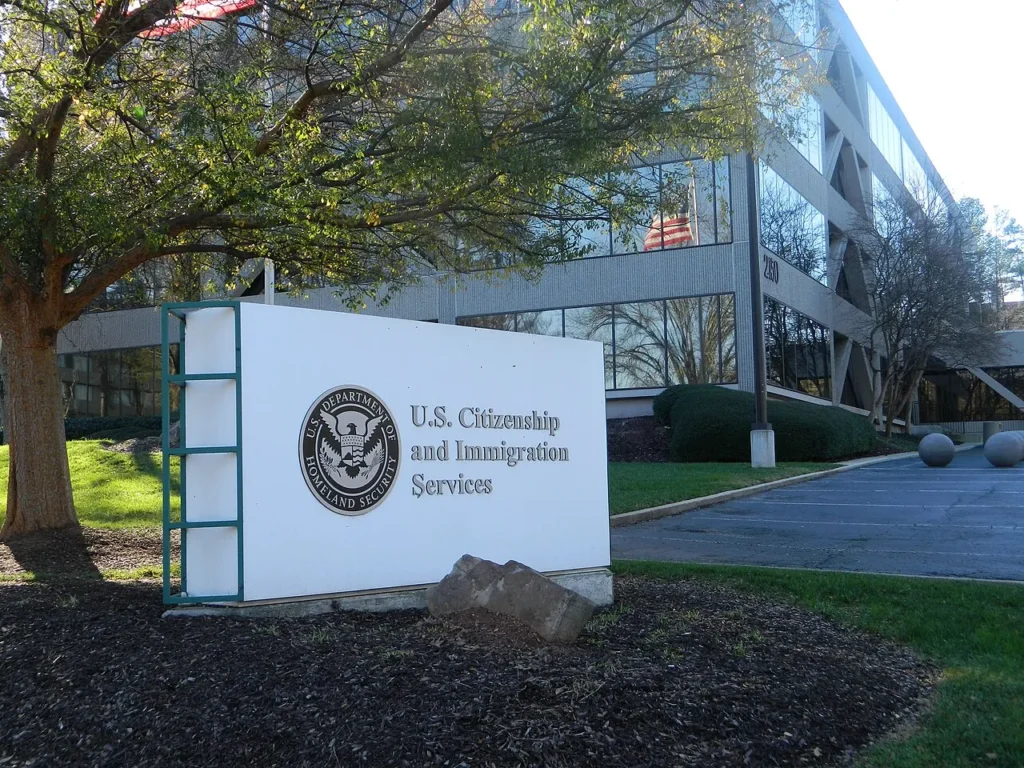
Despite the ongoing court battle, the US Citizenship and Immigration Services (USCIS) continues issuing Requests for Evidence (RFEs) related to H-1B filings and fee compliance requirements, Hindustan Times reported.
Immigration attorneys say employers should remain prepared for additional scrutiny during the application process. Legal experts advise organizations to account for the potential financial burden while maintaining flexibility in recruitment strategies.
Many companies are evaluating alternative immigration pathways to reduce uncertainty. These options may include cap-exempt H-1B programs, L visas for intracompany transfers, O visas for individuals with extraordinary ability, and expanded remote workforce arrangements.
The continued issuance of RFEs indicates that immigration authorities are proceeding with enforcement measures while the legal challenge remains unresolved.
Appeal Impact On Employers
The Department of Homeland Security (DHS) has argued that the district court’s ruling was incorrect and has asked the appeals court to keep the decision on hold throughout the appellate process.
According to court filings, DHS maintains that the administration acted within its authority under federal immigration law. Government attorneys have also argued that suspending enforcement could undermine broader immigration objectives while the appeal remains pending.
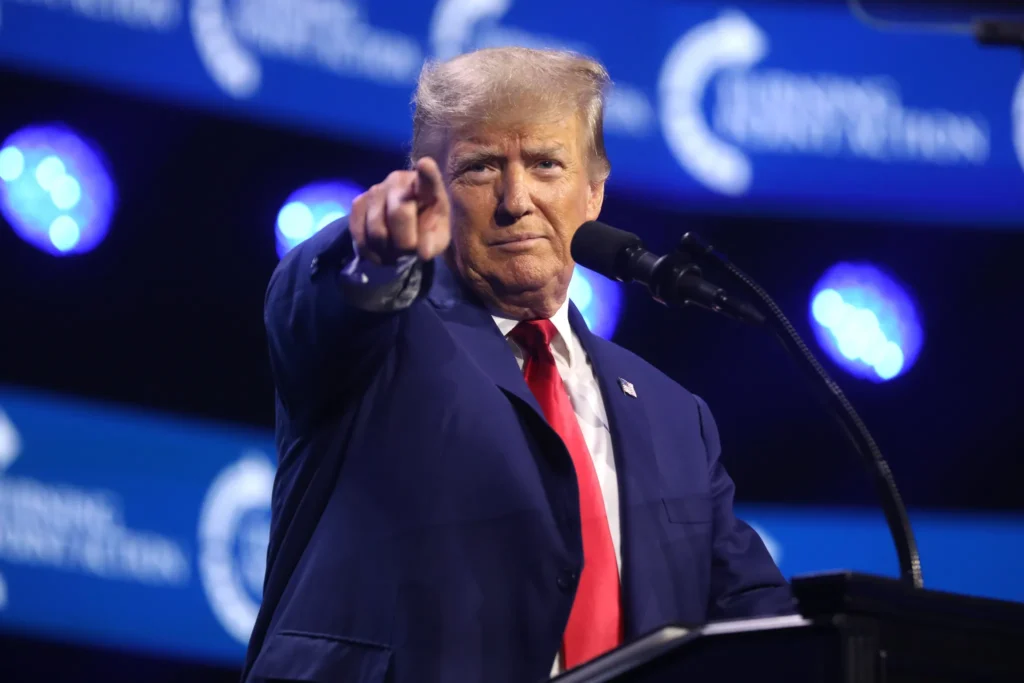
The White House has similarly defended the policy, stating that the president possessed the legal authority to implement the measure. The outcome of the First Circuit appeal could ultimately determine whether the fee survives or is permanently struck down.
For employers, foreign workers, and immigration attorneys, the case remains one of the most closely watched developments in US employment-based immigration.
Until the appeals court reaches a decision, businesses will likely continue preparing for multiple scenarios while navigating an uncertain regulatory environment.
Stay tuned with us. Further, follow us on social media for the latest updates.
Join us on Telegram Group for the Latest Aviation Updates. Subsequently, follow us on Google News


