

The world is facing more active conflicts than at any time since World War II. According to the Global Peace Index 2026, global peacefulness has declined for the 12th consecutive year, with 99 countries becoming less peaceful.
Despite this trend, a small group of nations continues to stand out for stability, low crime, and strong social trust. The world’s safest countries share common traits: low violence, effective institutions, limited militarization, and strong community life.
10 Safest Countries in the World
Here’s what life feels like in the top 10 safest countries in the world for 2026, compiled by BBC.

1. Iceland
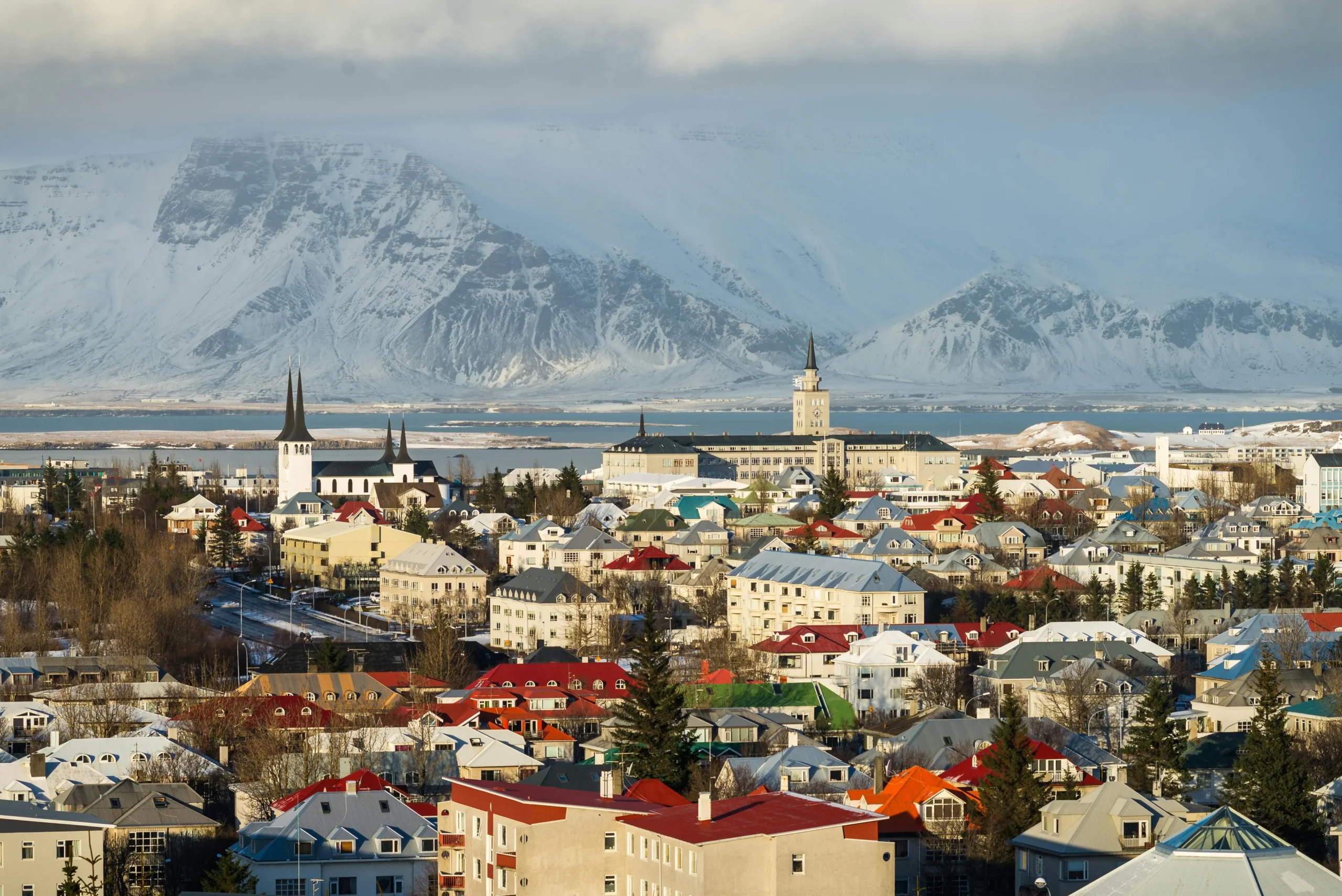
Iceland has remained the world’s safest country for 19 years. Crime is extremely rare, and residents often describe daily life as peaceful, calm, and built on strong mutual trust. People generally feel safe walking alone at any time, and public safety is rarely a concern in everyday routines.
Community ties are strong, and equality is a core value in society. With geothermal pools, clean air, and vast, untouched landscapes, life moves at a slower pace and stays closely connected to nature, shaping a lifestyle that feels both secure and balanced.
2. New Zealand
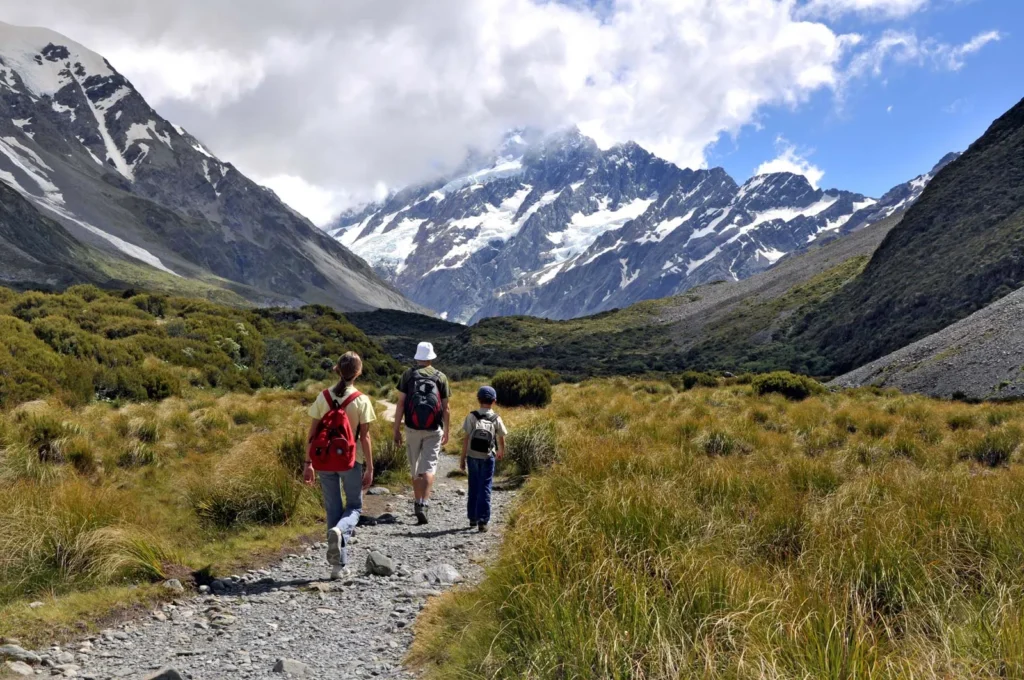
New Zealand ranks second due to low conflict and strong social trust. Safety is so normal that locals rarely think about it, and public spaces feel open and welcoming even in busy areas.
Strict gun laws, friendly communities, and easy access to nature make life relaxed and secure. People enjoy a laid-back lifestyle filled with outdoor activities like hiking, surfing, and exploring scenic landscapes, which further strengthens the country’s peaceful and balanced way of life.
3. Switzerland
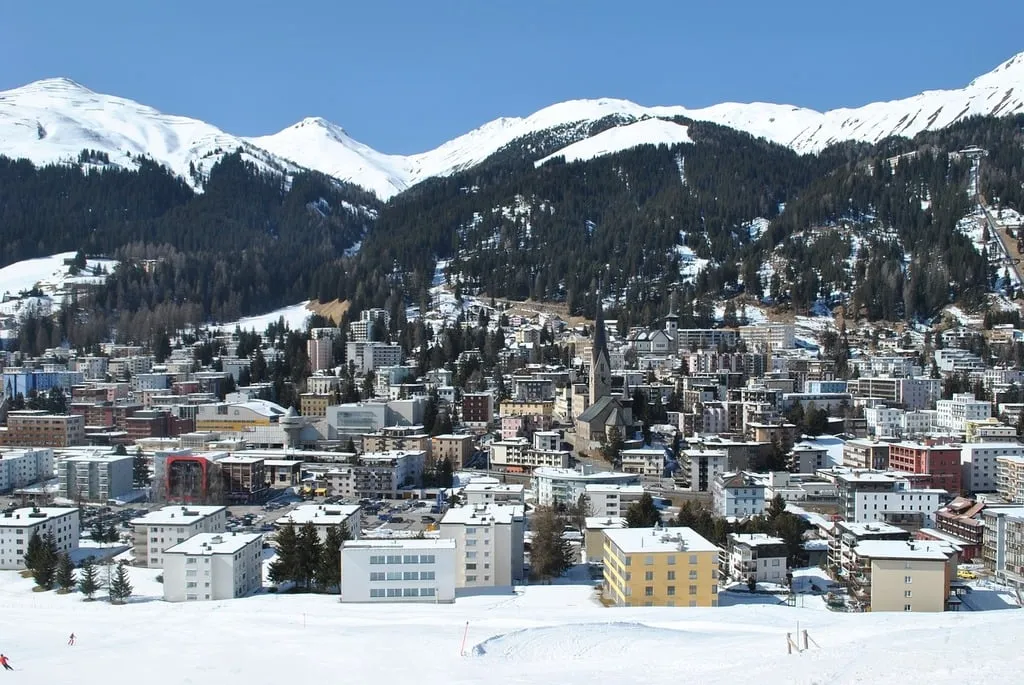
Switzerland is known for neutrality and strong public order. Residents trust systems and each other, creating a predictable and safe environment.
Lost items are often returned, and daily life reflects fairness, balance, and respect for diversity. The country’s efficient infrastructure, low crime rate, and well-managed cities further contribute to a strong sense of security and stability.
4. Slovenia
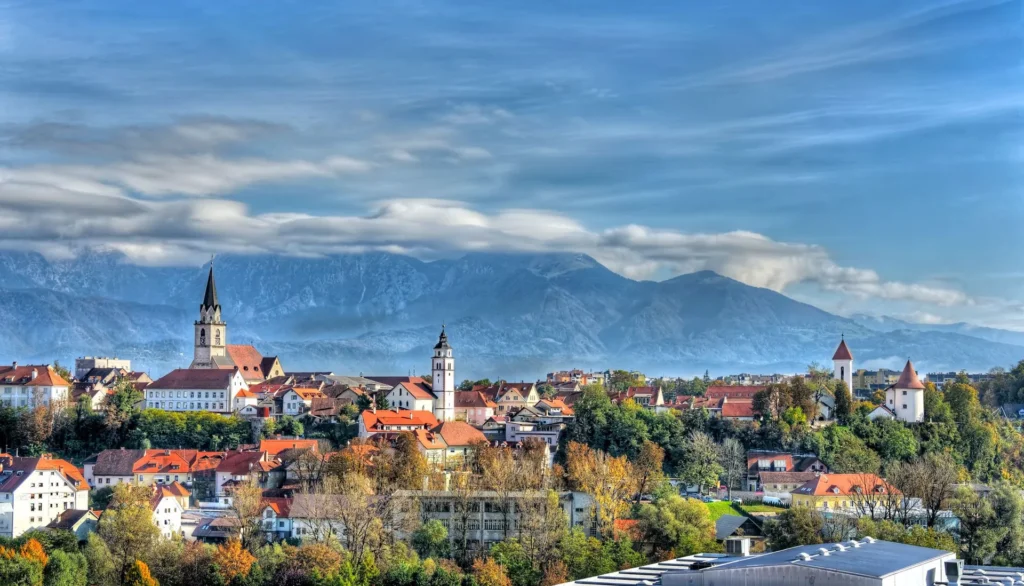
Slovenia’s safety comes from low militarization and strong community values. Life is calm and centered around nature, with a relaxed pace that supports well-being and stability.
People often spend weekends hiking, cycling, or visiting lakes, creating a balanced and peaceful lifestyle. Small towns feel welcoming, and the strong connection to nature helps reinforce a sense of everyday security and harmony.
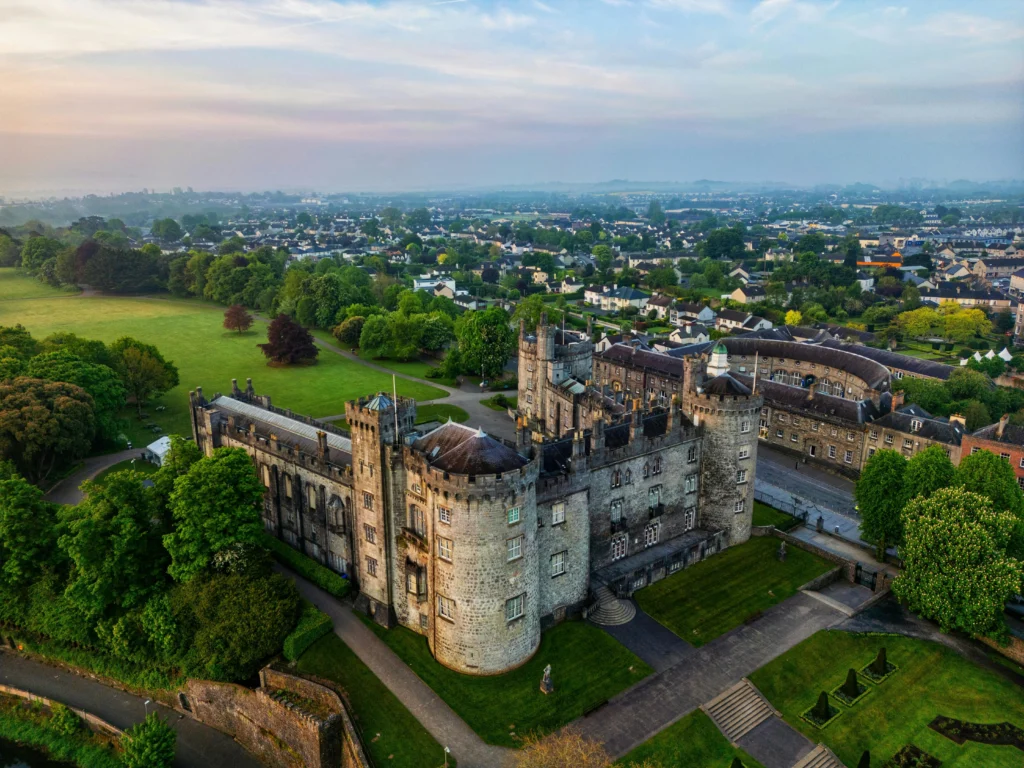
5. Ireland
Ireland combines neutrality with a strong culture of hospitality. Residents describe it as welcoming, socially warm, and easygoing, where strangers are often treated with kindness and familiarity.
Despite its history, modern Ireland is peaceful, with strong community bonds and a relaxed lifestyle. Life in both cities and rural areas feels connected, and social life is shaped by conversation, local traditions, and a strong sense of belonging that adds to everyday security.
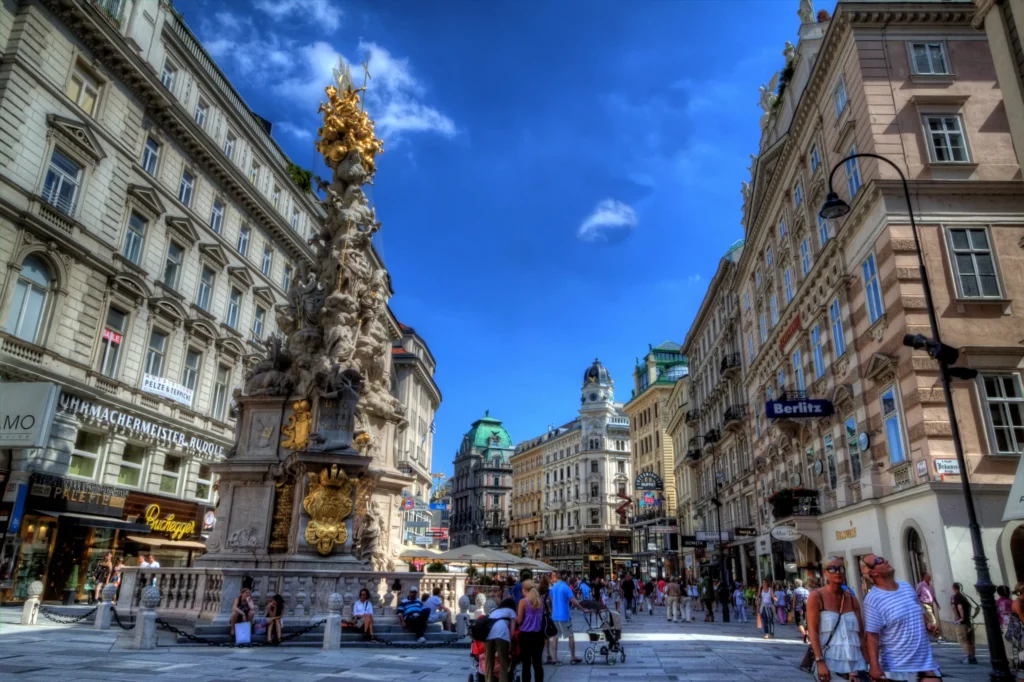
6. Austria
Austria is safe due to strong governance and low crime rates. Cities feel orderly, clean, and stable, with efficient public transport and well-maintained infrastructure that supports everyday comfort.
Access to alpine nature supports a balanced life with good public services and a high quality of living. Residents often enjoy outdoor activities like skiing, hiking, and cycling, which contribute to a calm, healthy, and secure lifestyle.
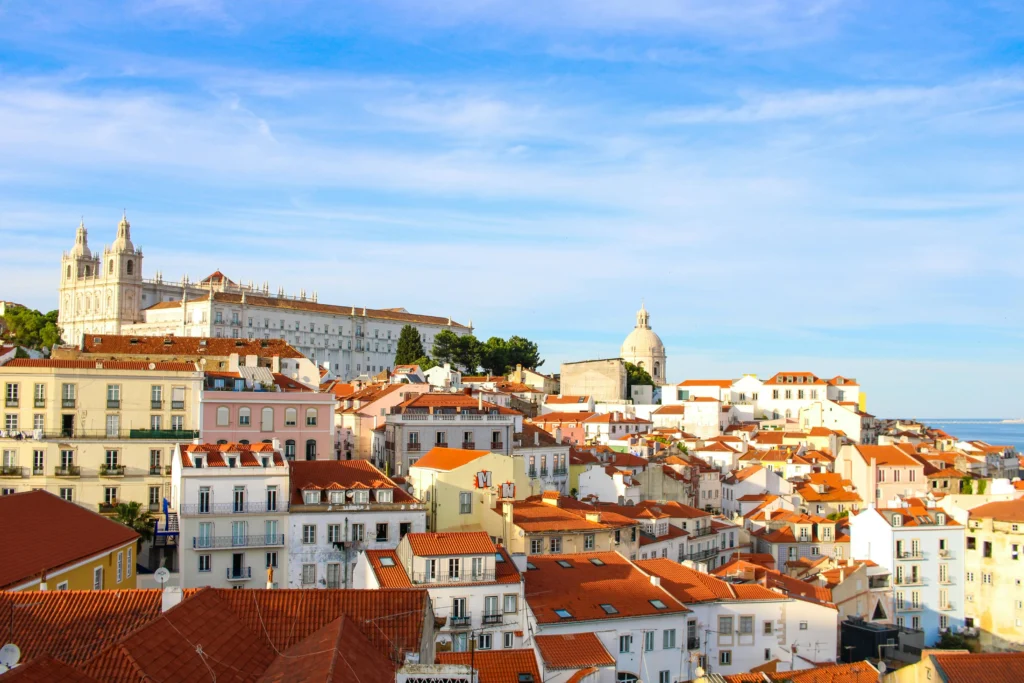
7. Portugal
Portugal is known for its relaxed lifestyle and relatively low levels of violence, making it one of the calmer countries in Europe. Daily life is generally stress-free, with a strong sense of safety in both cities and small towns.
Strong community ties, coastal living, and a slower pace of life make it feel peaceful and easygoing. Warm weather, friendly locals, and a culture centered around family, food, and tradition further enhance the country’s welcoming and secure atmosphere.

8. Singapore
Singapore is one of the safest urban countries in the world. Strict laws, efficient governance, and advanced policing systems help keep crime rates extremely low, making public spaces consistently secure and well-regulated.
Residents feel safe at all hours, and the city is clean, organized, and highly structured. Strong public transport, high civic discipline, and a culture of respect for rules further reinforce its reputation as a safe, modern, and highly livable global city.
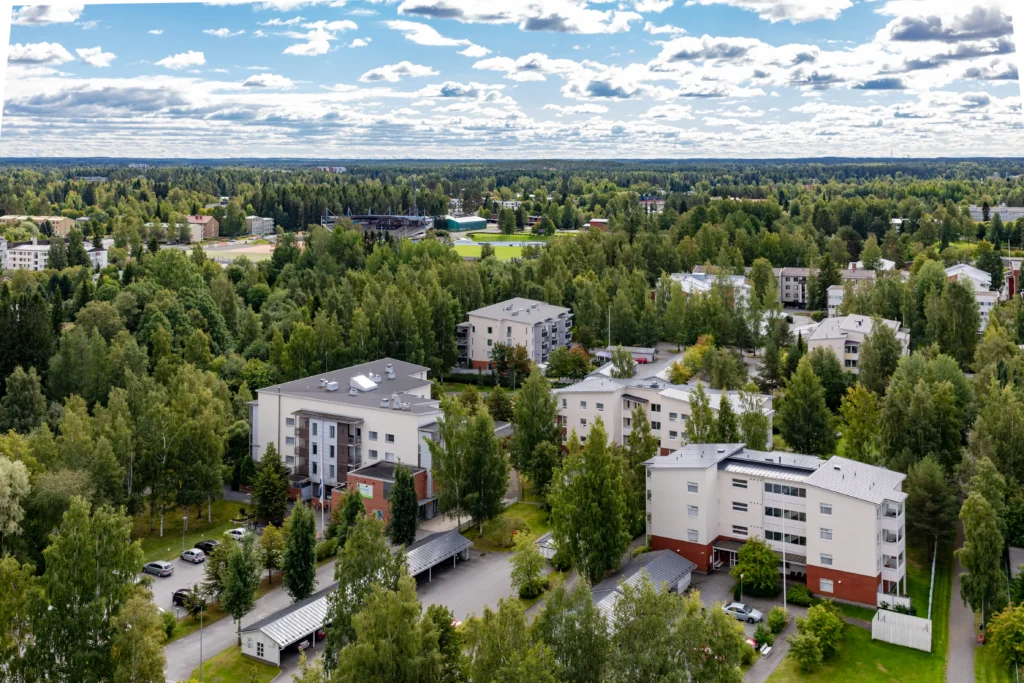
9. Finland
Finland is built on trust, equality, and a strong welfare system where people rely on both public services and each other. Society is highly transparent, and this helps create a strong sense of security in everyday life.
Nature is central to Finnish living, with forests, lakes, and quiet landscapes shaping a calm and balanced lifestyle. Clean cities, low corruption, and a strong education system further support its reputation as one of the safest and most stable countries in the world.
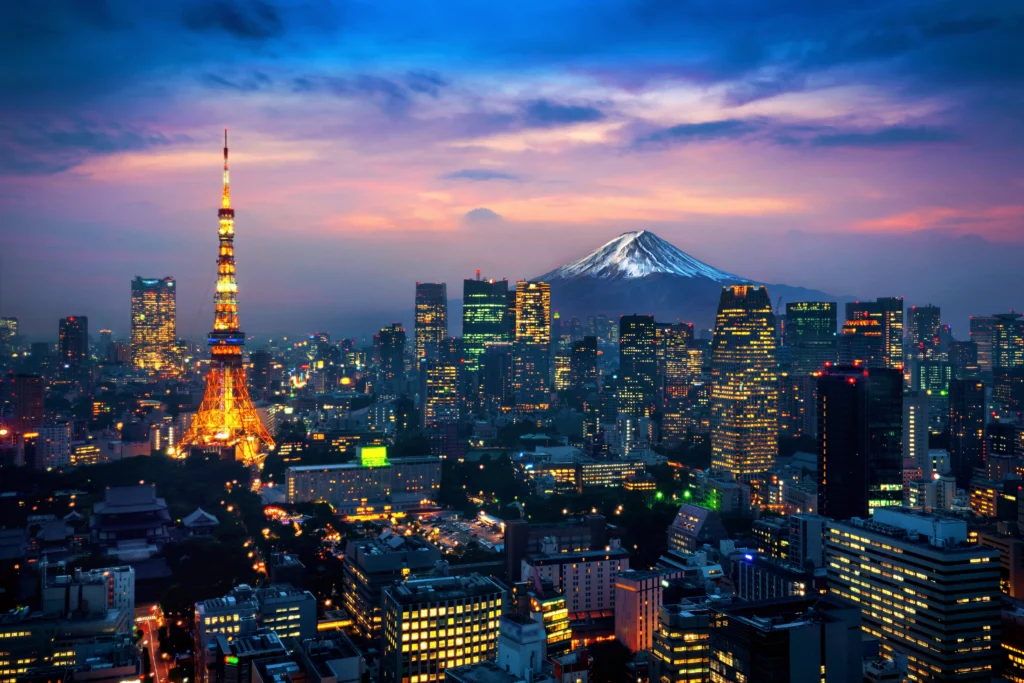
10. Japan
Japan has very low crime and strong social discipline, which helps create a highly safe and orderly society. Cities are clean, efficient, and well-organized, with reliable public transport and a strong sense of public responsibility.
Respect and responsibility shape daily life, from how people behave in public spaces to how communities interact with each other. This cultural focus on harmony, combined with effective systems, makes Japan one of the safest and most stable countries in the world.
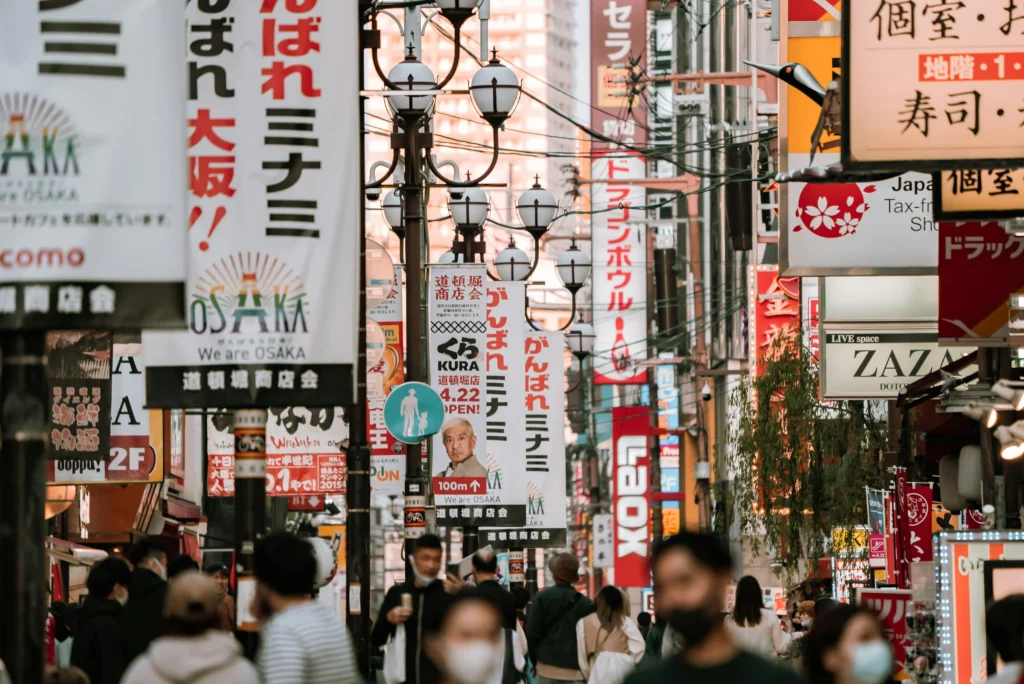
Bottom Line
Across all ten countries, safety is not just about low crime—it is about trust, stability, and social connection.
From Iceland’s tight-knit communities to Japan’s discipline and Switzerland’s neutrality, these nations show that peace is built through both systems and society. Across all ten countries, safety is not just about low crime rates but also about trust, stability, and strong social connections.
People feel safe because institutions are reliable, governance is transparent, and communities are generally cohesive and supportive. This combination helps create an environment where daily life feels predictable and secure.
From Iceland’s tight-knit communities to Japan’s culture of discipline and order, and Switzerland’s long-standing neutrality and political stability, each country reflects a different path to peace.
Despite their differences, they share a common foundation: systems that function well alongside societies built on mutual respect and responsibility.
Stay tuned with us. Further, follow us on social media for the latest updates.
Join us on Telegram Group for the Latest Aviation Updates. Subsequently, follow us on Google News
