

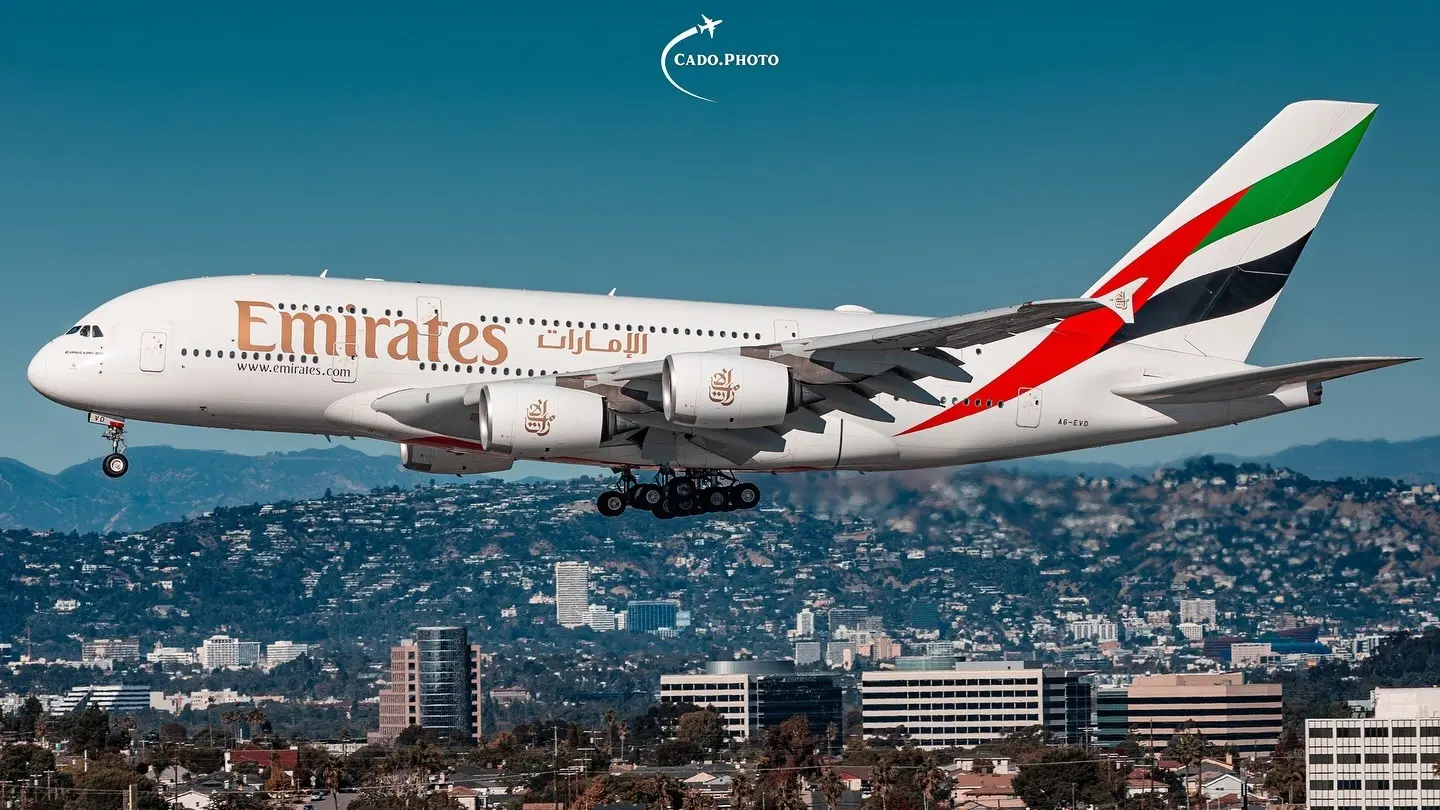
DUBAI— Emirates Airline (EK) will remove the Airbus A380-800 from its Beijing route starting July, replacing the quadjet with the Boeing 777-300ER while restoring a second daily frequency between Dubai International Airport (DXB) and Beijing Capital Airport (PEK).
The move does not reduce capacity on the route. Although the A380 carries more passengers than a single 777, the reinstated second service keeps total seat capacity steady, protects high-yield premium cabins, and adds cargo capacity for the Dubai-based carrier.
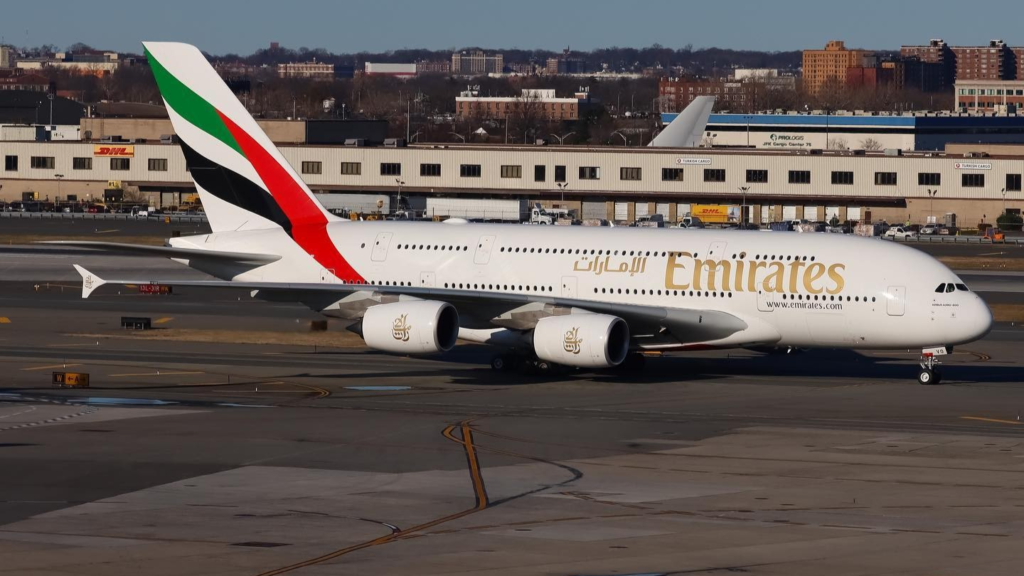
Emirates to Replace A380 with 777 to Beijing
Emirates last operated the A380 to Beijing in May, and the airline has not run regular Beijing services since the end of February.
According to AeroRoutes, the carrier will resume the route in July by deploying the 777-300ER on its existing daily flight and bringing back a second daily service that last operated on February 28.
Historical scheduling shows Emirates has previously run both the A380 and the 777 on this route at different times. The route itself has been served since 2010, with nearly half of all flights flown by the A380 and the remainder by the 777 fleet.
From July, the two daily rotations are as follows:
| Flight | DXB Departure | PEK Arrival | PEK Departure | DXB Arrival | Aircraft |
|---|---|---|---|---|---|
| EK306 / EK307 | 3:50 AM | 3:25 PM | 12:40 AM | 5:00 AM | 4-class retrofitted 777 (replacing A380) |
| EK308 / EK309 | 10:40 AM | 10:20 PM | 7:25 AM | 11:35 AM | Regular 3-class 777 (reinstated service) |
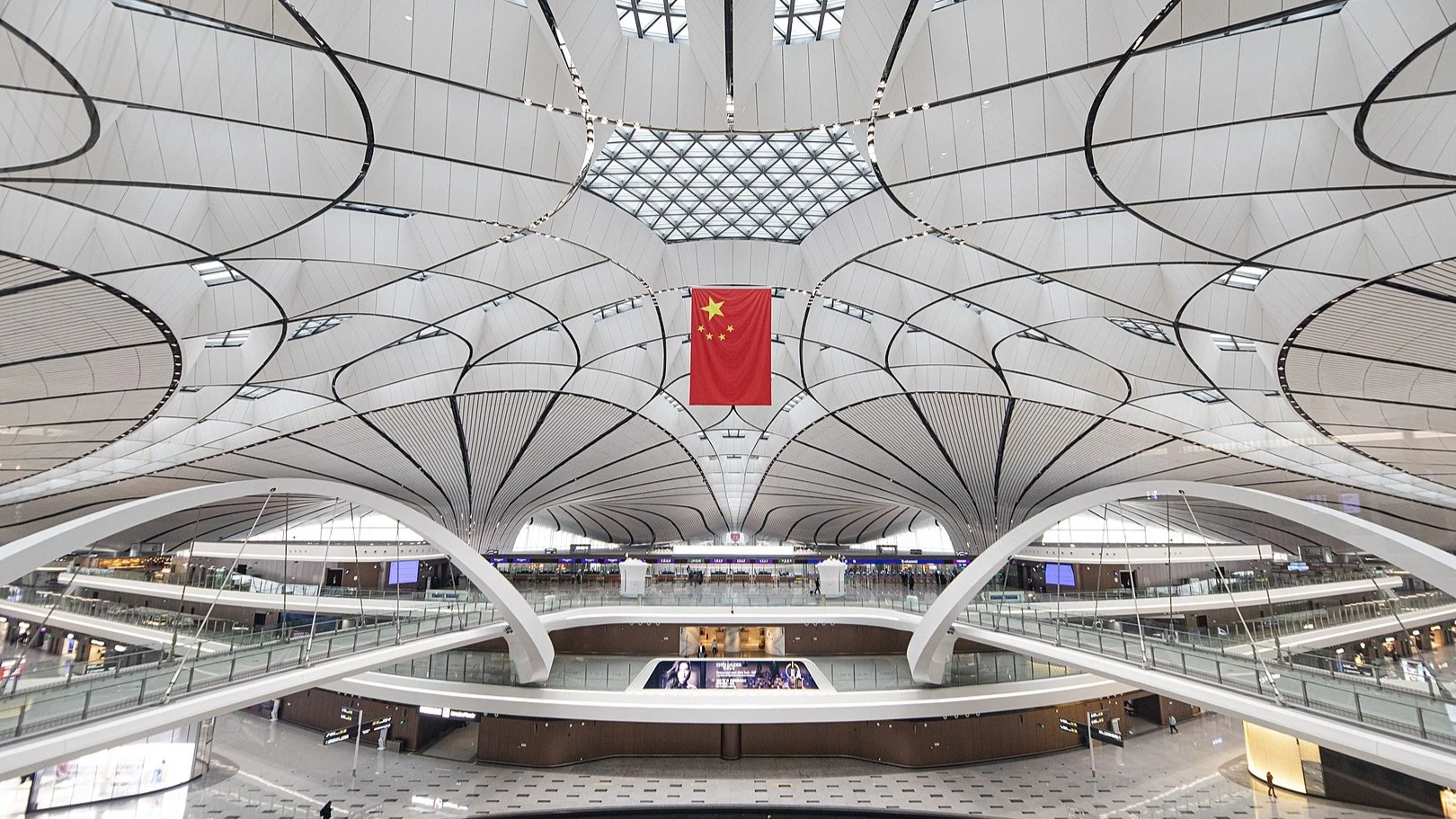
China Network Retains Two Daily A380 Routes
After the Beijing change, Emirates will operate just two daily A380 services to China in July. These run to Shanghai Pudong International Airport (PVG) and Guangzhou Baiyun International Airport (CAN). Shanghai also receives a second daily flight operated by the 777.
Both Shanghai and Guangzhou see additional cargo operations beyond passenger flights. Emirates SkyCargo flies these freight services from Al Maktoum International Airport (DWC) in Dubai, using its dedicated fleet of Boeing 777 freighters.
Emirates also serves other Chinese cities such as Hangzhou and Shenzhen, and maintains codeshare and interline partnerships with China Southern Airlines, Air China, and China Eastern Airlines, Simple Flying reported.
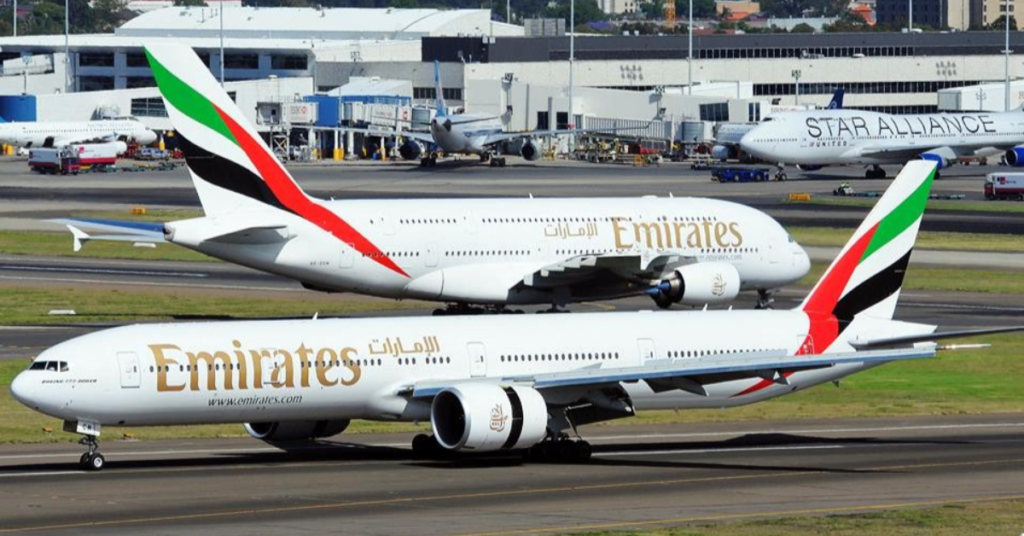
Network Recovery Drives The Fleet Decision
Emirates, along with other Gulf carriers, saw its network disrupted when the regional conflict began at the end of February. Since then, the airline has shown one of the fastest operational recoveries in the region and has nearly restored its full network, with only a handful of routes still running reduced frequencies or capacity.
The removal of the A380 from Beijing should not be read as a step back. The airline’s pre-conflict schedule did not feature the A380 on this route, so the 777 deployment reflects a return to the standard setup rather than a downgrade.
Emirates continues to assess passenger demand and is restoring capacity each month, with the A380 returning to four other routes in July.
Across July, Emirates is scheduled to operate more than 2,000 A380 flights to nearly 50 destinations, reaching close to 70 daily departures from its Dubai hub. The trend points to a careful and efficient capacity buildup as the carrier completes its network recovery.
Stay tuned with us. Further, follow us on social media for the latest updates.
Join us on Telegram Group for the Latest Aviation Updates. Subsequently, follow us on Google News
