

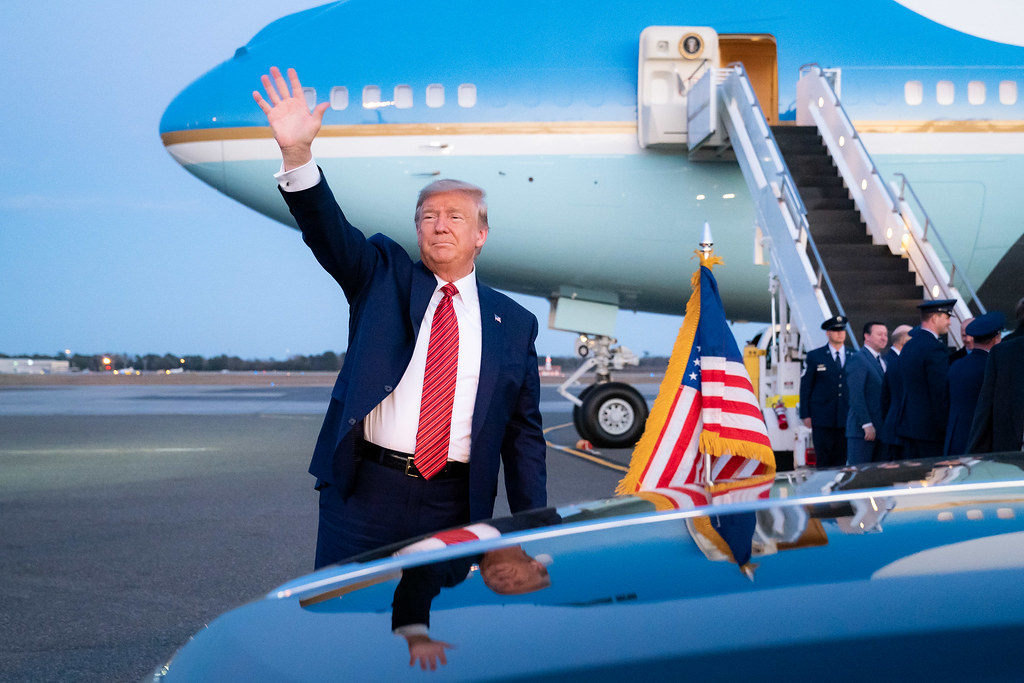
WASHINGTON— One of the United States’ most recognizable aircraft has completed its final presidential mission.
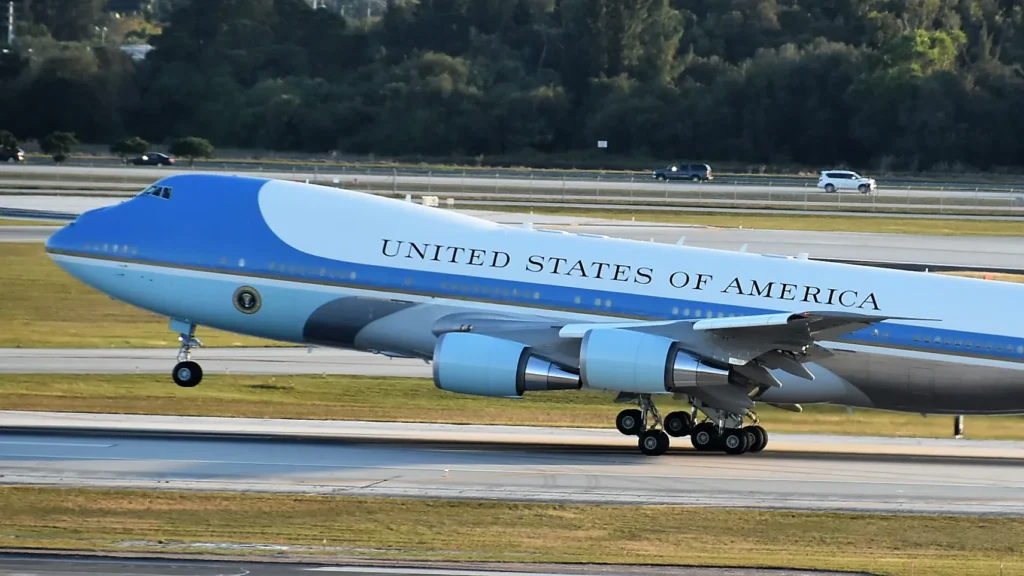
The Boeing VC-25A, tail number 29000, flew its last trip carrying President Donald Trump after his return from the G7 summit, marking the end of more than three decades of service as Air Force One.
The retirement of the Boeing 747-200-based aircraft comes as the U.S. Air Force prepares to introduce a modified Boeing 747-8 previously operated by the Government of Qatar.
The transition creates a temporary solution until Boeing delivers the next-generation Air Force One fleet, which remains years behind schedule.
Alec Wilson
Trump Air Force One Retirement
The retiring aircraft, Boeing 747-2G4B MSN 23825, first flew in October 1987 and entered service with the U.S. Air Force in December 1990.
Alongside its sister aircraft, it served multiple U.S. presidents and participated in some of the most significant moments in modern American history.
The aircraft notably transported President George W. Bush during the September 11, 2001 attacks.
Over its operational life, it became a flying White House equipped with advanced communications systems, security features, and facilities designed to support presidential duties anywhere in the world.
The VC-25A offers approximately 4,000 square feet of interior space. Its layout includes a presidential suite, conference room, staff work areas, secure communications facilities, and a medical center capable of functioning as an operating room.

Qatar 747 Replacement
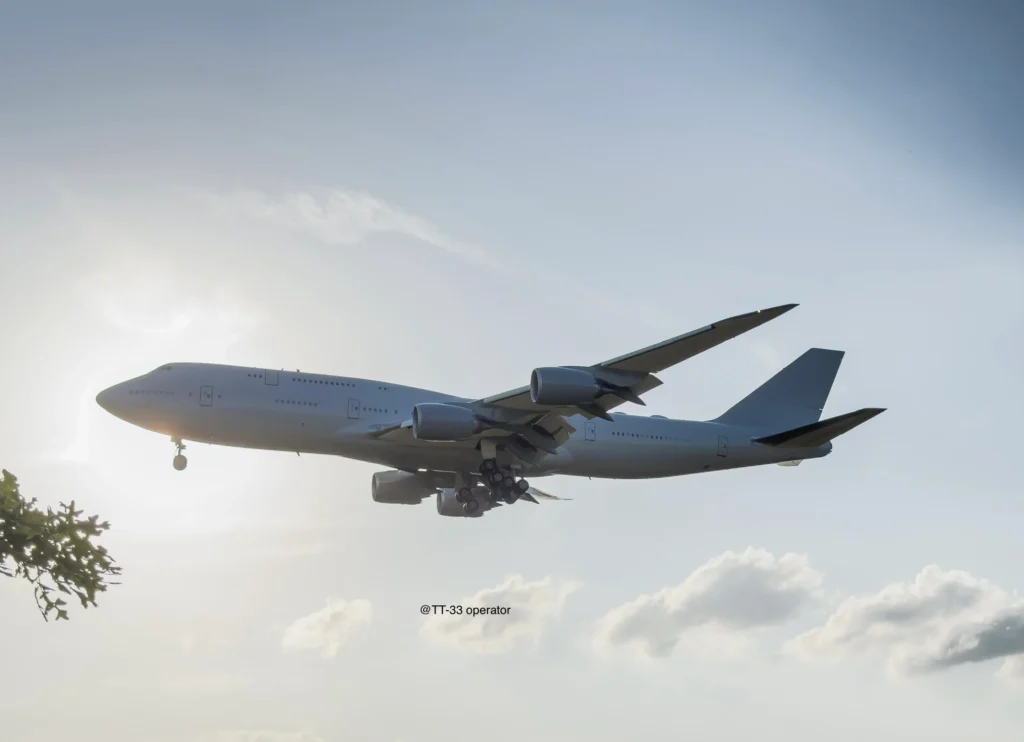
The replacement aircraft is a Boeing 747-8 Intercontinental, formerly used by Qatar’s head of state.
The aircraft, now registered as N7478D, was transferred to the United States and underwent extensive modifications before entering presidential service.
Government officials reportedly spent approximately $400 million adapting the aircraft for its temporary role, View from the Wing reported.
The conversion included security upgrades and inspections designed to identify and eliminate any technical risks associated with its previous foreign ownership.
Unlike the traditional Air Force One configuration, the aircraft retains much of its luxury interior. The cabin features lounges, private offices, guest bedrooms, entertainment areas, crew accommodations, and a master suite designed for VIP travel rather than government operations.
The updated aircraft has also received a darker blue exterior livery favored by President Trump, replacing the light-blue scheme that has defined presidential aircraft since the early 1960s.
Future Air Force One
The Boeing 747-8 will serve as a bridge aircraft until Boeing completes two new VC-25B presidential aircraft. Those jets were originally expected to enter service in 2024 but are now projected for delivery in 2028 or later.
Despite its luxurious interior, the temporary aircraft lacks several capabilities found on the retiring VC-25A fleet.
It does not have an identical backup aircraft, and it reportedly operates without the full range of defensive and self-sufficiency systems installed on dedicated presidential aircraft.
The transition has raised questions among aviation observers because presidential airlift operations traditionally rely on redundancy and standardized aircraft configurations.
However, the Air Force maintains that mission planners will determine which aircraft best suits each presidential trip.
The Air Force One designation itself dates back to 1953, when aviation officials created the unique callsign to prevent confusion between a presidential aircraft and a commercial flight operating in the same airspace.
Stay tuned with us. Further, follow us on social media for the latest updates.
Join us on Telegram Group for the Latest Aviation Updates. Subsequently, follow us on Google News
