

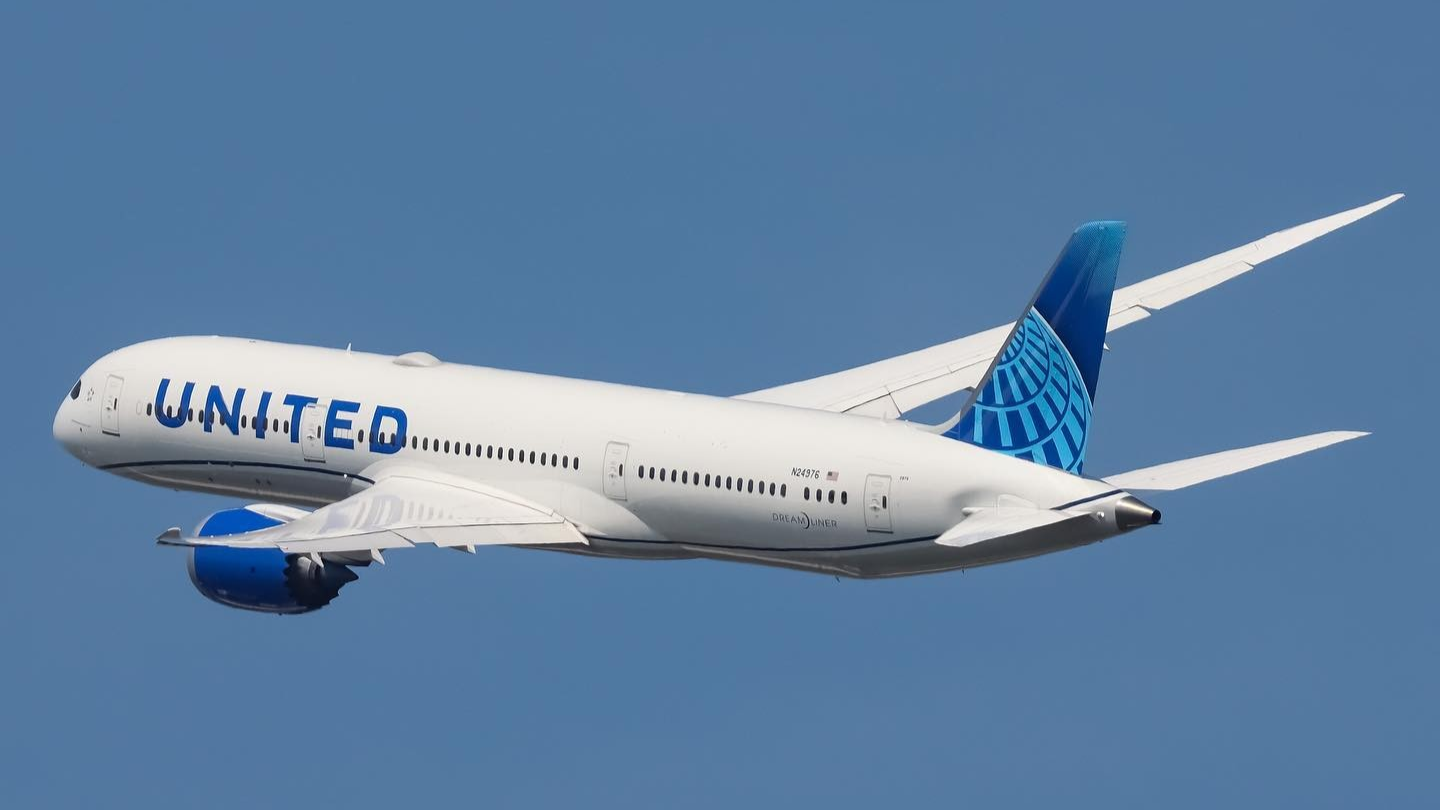
CHICAGO- United Airlines (UA) flight attendants traveling on their “non-rev” privileges may soon gain access to the hidden crew rest bunks fitted on widebody aircraft. The Chicago (ORD) based carrier has reached an in-principle agreement on the matter with the Association of Flight Attendants (AFA-CWA).
The change would allow off-duty crew members assigned to a jump seat to rest in a proper lay-flat bunk for part of the flight. The union, however, is still working out a standard protocol before the perk can take effect.
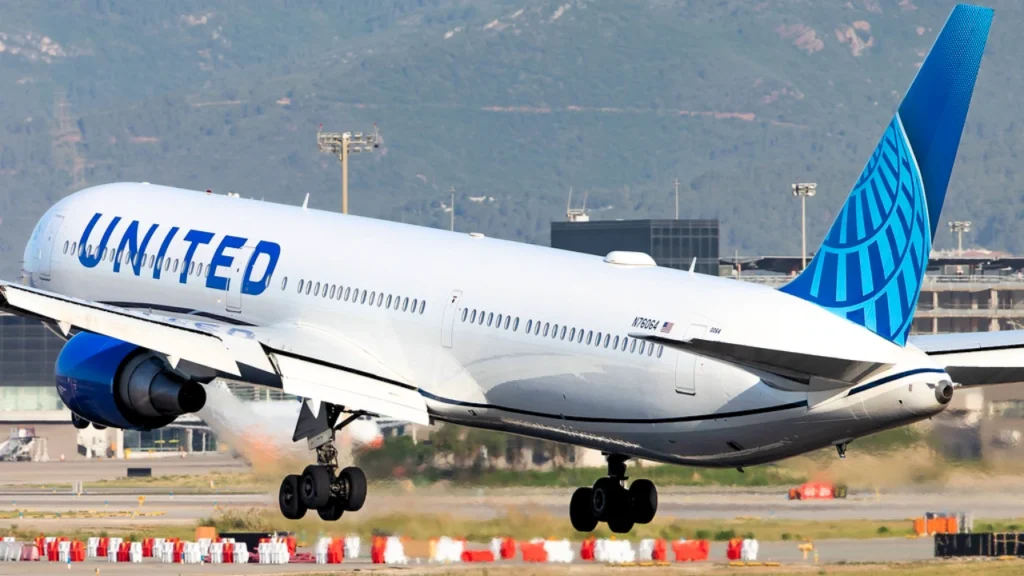
United Airlines Crew Rest Bunks Work on Widebody Jets
Crew rest facilities differ from one aircraft type to the next, but widebody jets generally carry two separate sets of bunks.
A smaller pilot rest area sits toward the front of the aircraft, usually fitted with one or two recliner seats and two partitioned bunks. A separate flight attendant rest area sits toward the rear, with as many as eight bunks reserved for the working cabin crew.
These bunks are normally restricted to flight attendants who are on duty. That long-standing rule is what United now plans to relax for its off-duty staff.
What the New Perk Would Allow
Flight attendants using non-rev travel privileges are sometimes assigned a spare jumpseat when every passenger seat is sold.
A jumpseat can be deeply uncomfortable, particularly on a long-haul flight, yet many employees still take it rather than be left behind.
Under the proposal, these non-rev flight attendants would be allowed to use the rear crew rest facility for portions of the flight. The benefit is straightforward, as it gives travelling staff a chance to sleep or simply relax away from a cramped jumpseat for a couple of hours.
Why the Union Is Holding Back
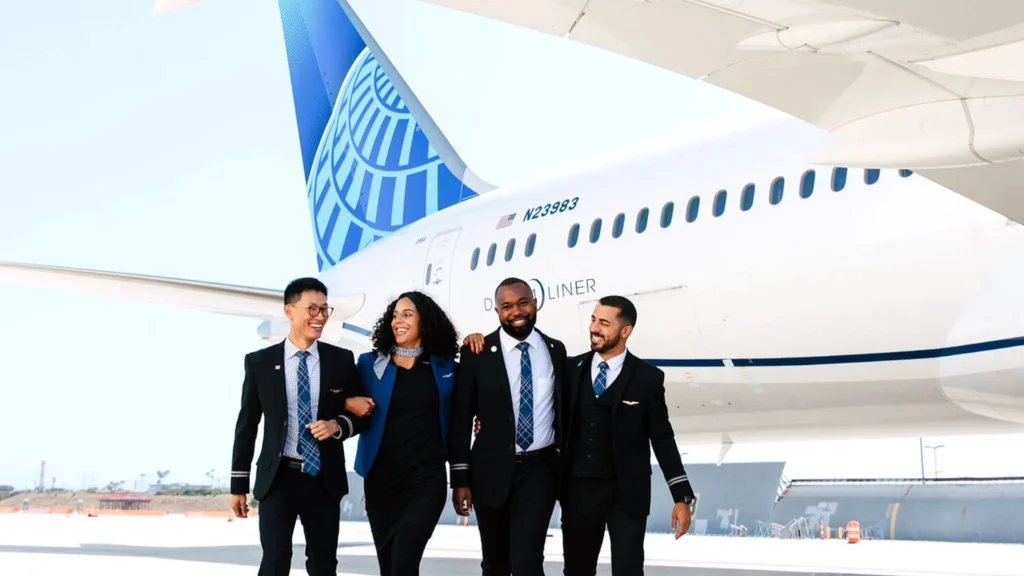
United has approved the concept, but the AFA-CWA is the party slowing down implementation. The union needs to define exactly how the arrangement will operate in practice.
The core issue is fatigue. Crew rest facilities exist so working crew members can recover, which matters most on overnight long-haul flights where tiredness becomes a genuine safety concern. Even one or two hours of lay-flat rest can restore a flight attendant’s alertness for the rest of the duty, so non-rev crew cannot be allowed to occupy bunks that the working team needs.
According to PYOK, the likely protocol would let non-rev flight attendants use a bunk during the primary meal service, after which they would be moved out so the working crew can take their scheduled rest in turn.
If a flight has more bunks than crew members on the rest roster, the non-rev flight attendant might be permitted to stay in a bunk for the entire flight.
One detail still to be settled is which bunk the off-duty crew member may use. Bunks are not all equal, and many flight attendants have a clear preference for a particular spot.
United’s Crew Rest Requirements
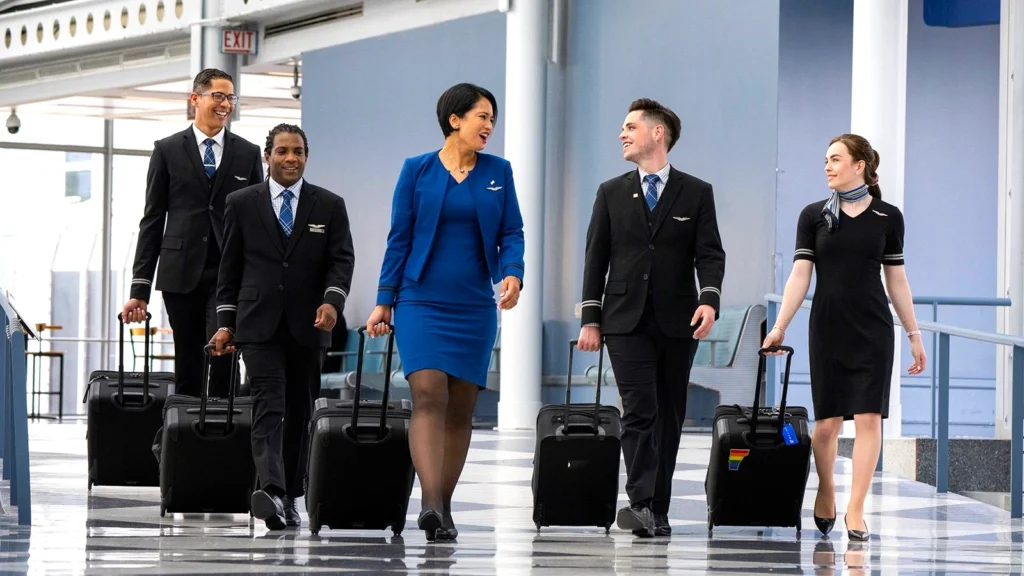
In the United States, flight attendants are not legally required to take bunk rest to satisfy anti-fatigue flight time rules. Instead, most carriers build rest entitlements into their collective bargaining agreements.
At United, flight attendants receive a minimum of 1 hour at the assigned crew rest location on flights of 8 hours or more.
That rises to a minimum of two hours when the flight runs 12 hours or longer. On shorter sectors of seven hours or more but under eight hours, only a 30-minute break is required.
The A321XLR Factor
On aircraft without dedicated crew bunks, United must block out passenger seats and curtain them off from the rest of the cabin to create a rest space.
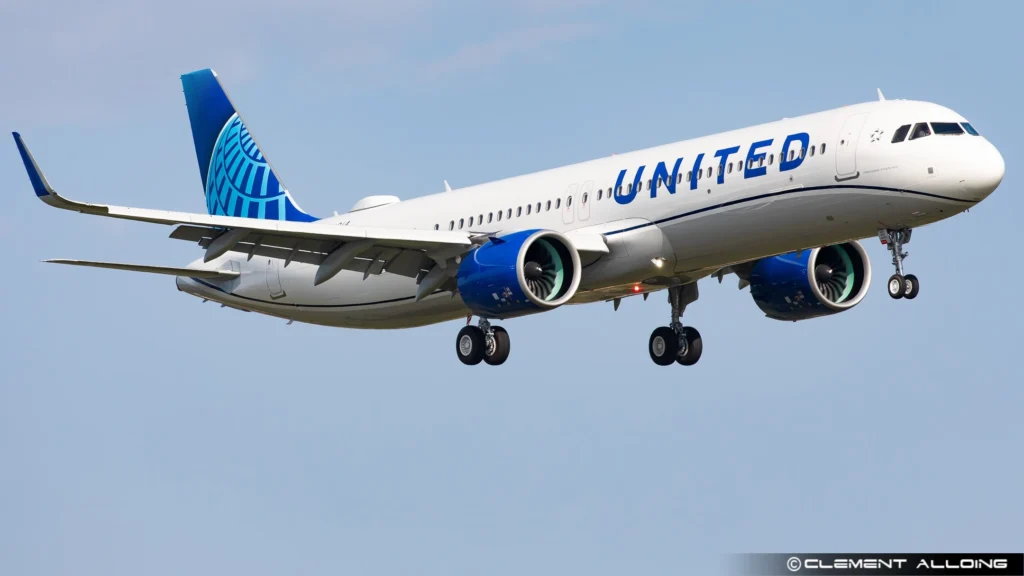
This requirement will become especially important once United takes delivery of its Airbus A321XLR. The single-aisle jet is set to operate long-haul transatlantic routes, where crew rest provisions will be essential despite the absence of built-in bunks.
Stay tuned with us. Further, follow us on social media for the latest updates.
Join us on Telegram Group for the Latest Aviation Updates. Subsequently, follow us on Google News
