


PARIS— Air France-KLM is reportedly considering a corporate name change as the airline group expands beyond its original French and Dutch identities.
The move comes as the company increases investments across Europe and positions itself for another phase of airline consolidation.
The Paris-based group, formed through the 2004 merger of Air France (AF) and KLM Royal Dutch Airlines (KL), now controls multiple brands that extend far beyond its founding carriers.
Recent investments in SAS Scandinavian Airlines (SK) and interest in acquiring a stake in TAP Air Portugal (TP) have reportedly accelerated internal discussions about adopting a broader group identity.
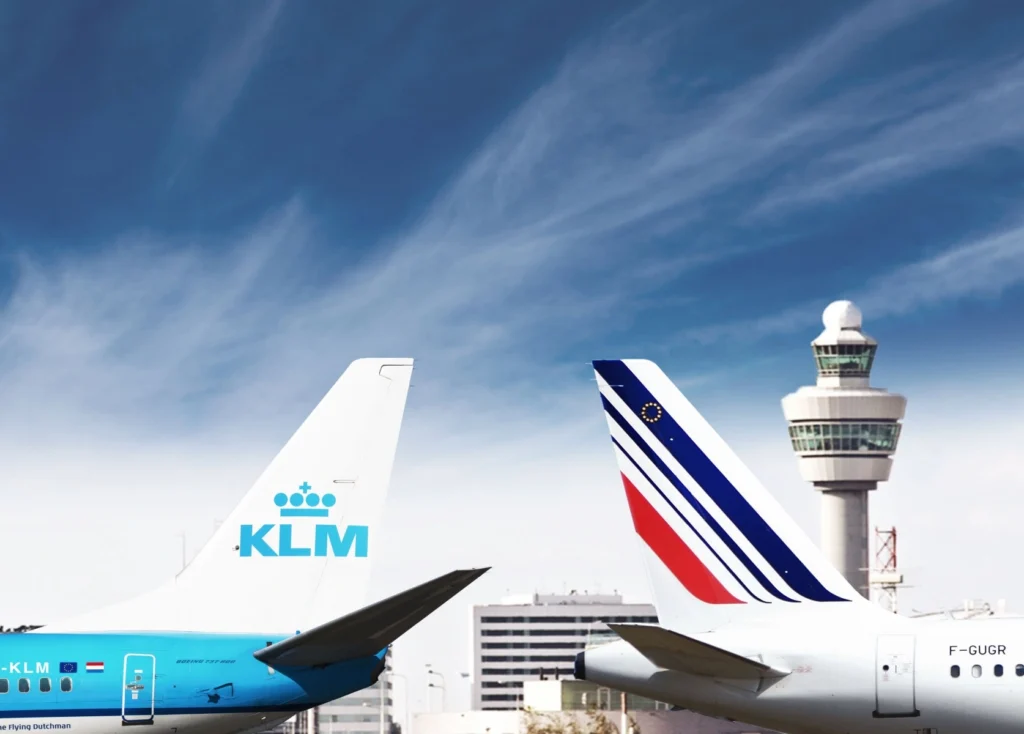
Air France-KLM Rebranding Strategy
According to multiple European media reports, Air France-KLM chief executive Benjamin Smith supports a rebranding effort that better reflects the company’s evolving structure.
Executives reportedly believe the current corporate name no longer represents the scale of the group’s airline portfolio or its future ambitions.
One possible working title under discussion is “The Blue Group,” although industry sources suggest the final branding decision has not yet been confirmed.
The reported proposal has triggered mixed reactions within senior management, with some executives said to favor preserving the strong recognition associated with the Air France-KLM identity.
The airline group already operates several brands outside its two flagship airlines. These include low-cost carrier Transavia, which originally began as a Dutch subsidiary before expanding into a major budget operation serving both France and the Netherlands.
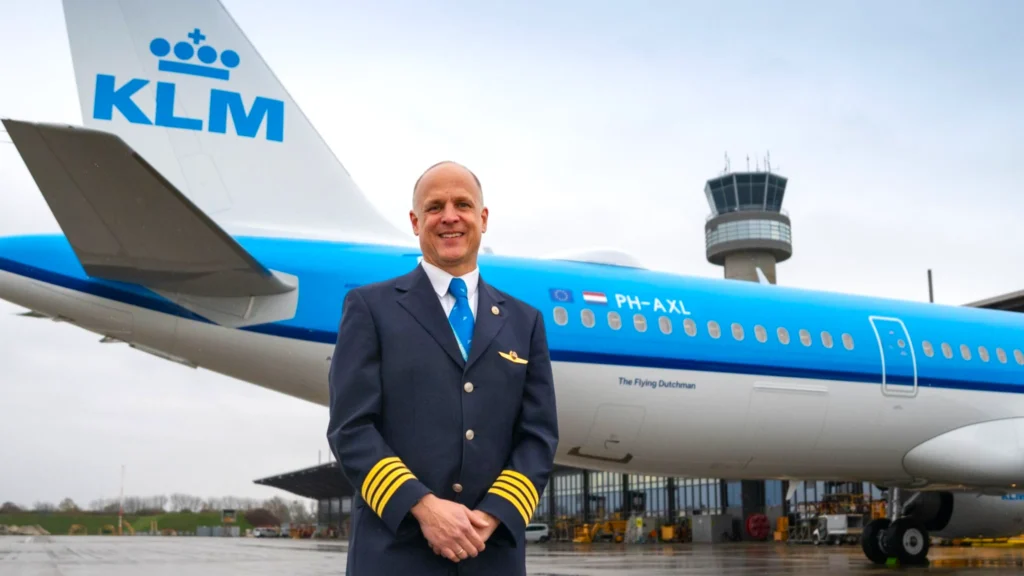
European Consolidation
The reported name change discussions come as European aviation enters another period of consolidation.
Rising operational costs, aircraft delivery delays, and growing competition from Gulf and low-cost carriers have pushed airline groups to strengthen their networks through investments and acquisitions.
Air France-KLM recently acquired a stake in SAS Scandinavian Airlines following the Scandinavian carrier’s restructuring process. The group has also shown interest in TAP Air Portugal, one of Europe’s most strategically positioned airlines due to its extensive Brazil and South Atlantic network.
Other major airline groups have already adopted broader structures while retaining legacy airline names.
Lufthansa Group includes Austrian Airlines, SWISS, Brussels Airlines, Eurowings, and Discover Airlines under its portfolio, while Ryanair Holdings operates multiple subsidiaries, including Buzz, Lauda Europe, and Malta Air.
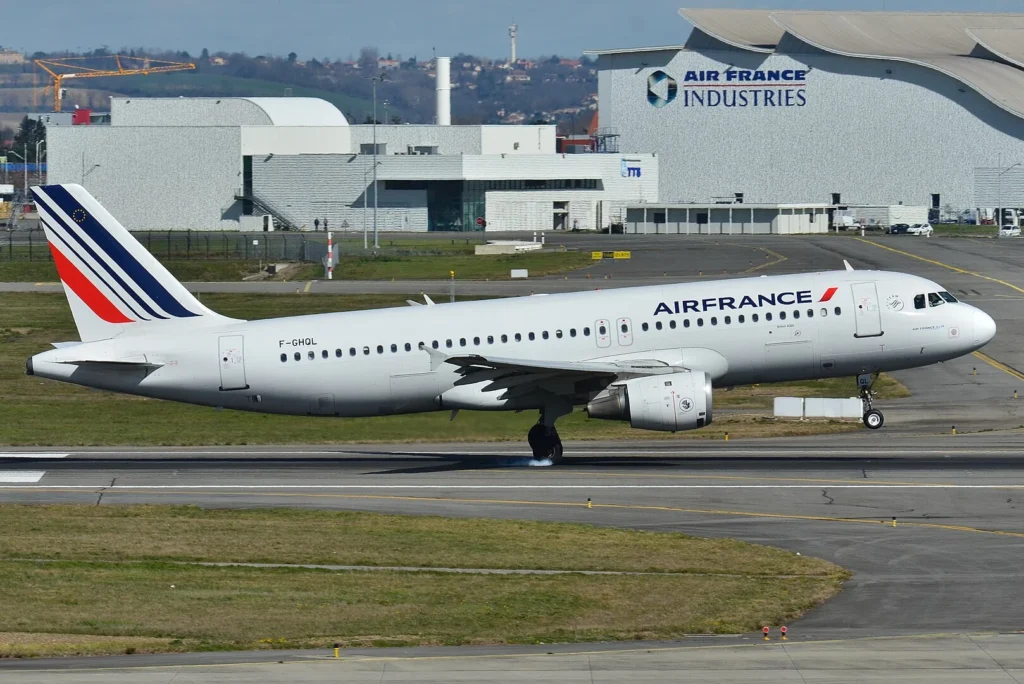
Industry Growth Plans
The International Airlines Group model offers a closer comparison to Air France-KLM’s current situation. International Airlines Group (IAG), formed by the merger of British Airways and Iberia, adopted a neutral corporate identity to support future expansion across multiple airline brands.
Analysts believe Air France-KLM may now be pursuing a similar long-term strategy.
A neutral corporate identity could make future acquisitions easier to integrate while reducing the perception that the company primarily represents French and Dutch interests.
The airline group continues to expand its influence across Europe as competition intensifies among major aviation holdings.
Although no official timeline for a rebrand has been announced, the discussions highlight how Europe’s largest airline groups are preparing for another wave of industry transformation.
Stay tuned with us. Further, follow us on social media for the latest updates.
Join us on Telegram Group for the Latest Aviation Updates. Subsequently, follow us on Google News
