

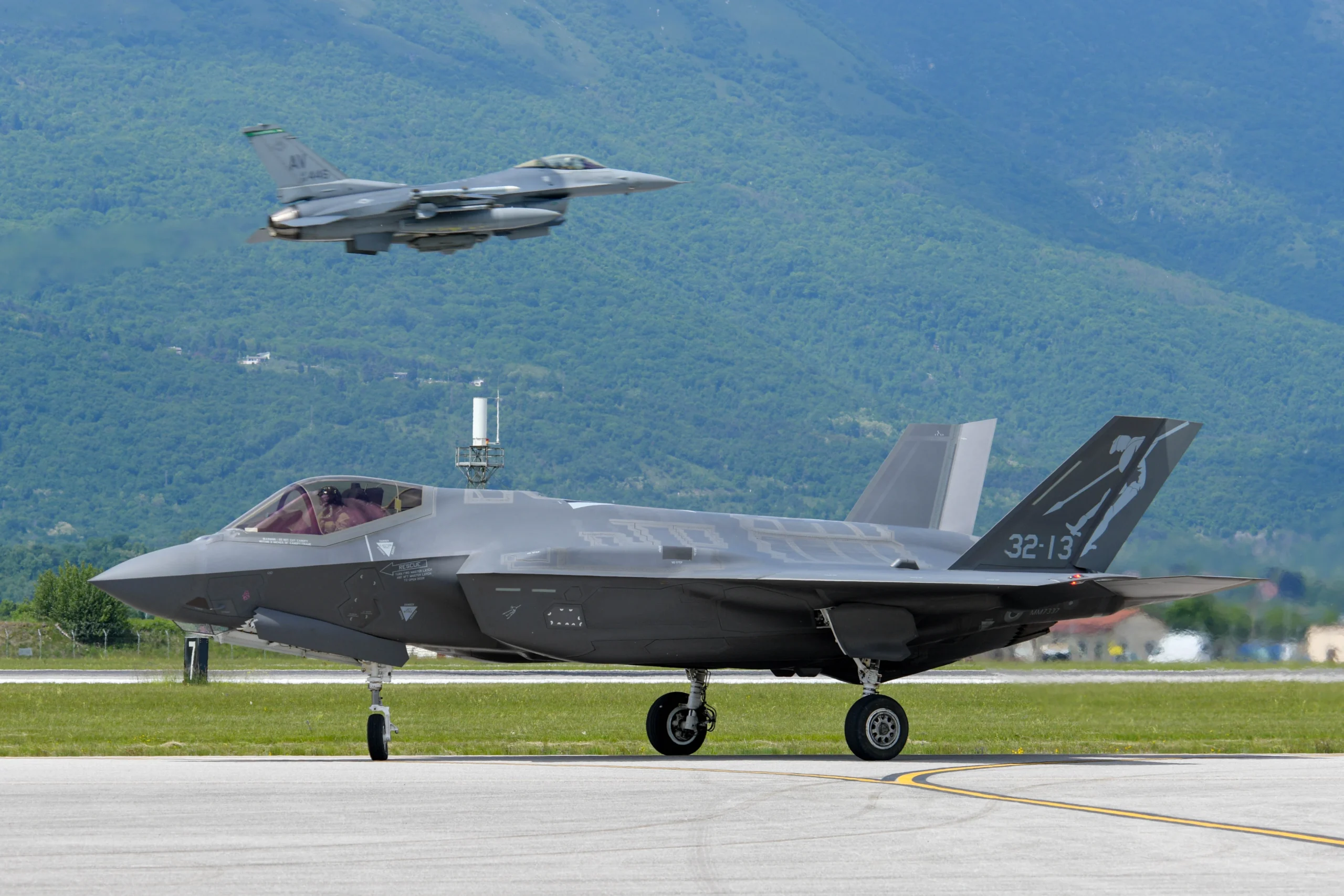
Modern fighter aircraft represent the highest level of military aviation technology, yet some of the world’s most advanced stealth fighters are being designed without an internal gun.
While earlier combat aircraft relied heavily on cannons for air-to-air combat, today’s stealth platforms prioritize long-range engagement, networked warfare, and advanced missile systems.
The debate has become more relevant as programs such as the Boeing F-47 and the BAE Tempest move toward sixth-generation fighter development.
Unlike older aircraft that expected close-range dogfights, these next-generation jets are designed to destroy threats from long distances while remaining undetected. As a result, many manufacturers view internal guns as unnecessary weight and space consumers.

Stealth Fighter Evolution Future Air Combat
For decades, fighter aircraft carried guns as a primary weapon. Aircraft such as the McDonnell Douglas F-4 Phantom II initially entered service without a cannon, assuming missiles would dominate air combat.
Combat experience later showed that close-range engagements could still occur, prompting many air forces to retain guns on future fighters.
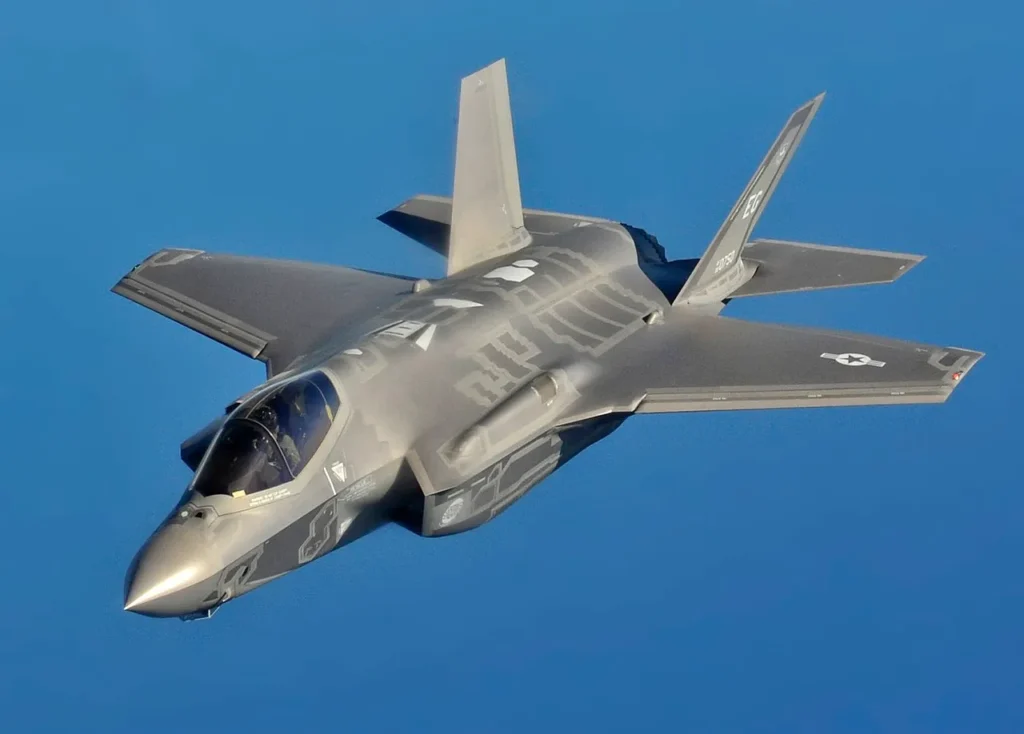
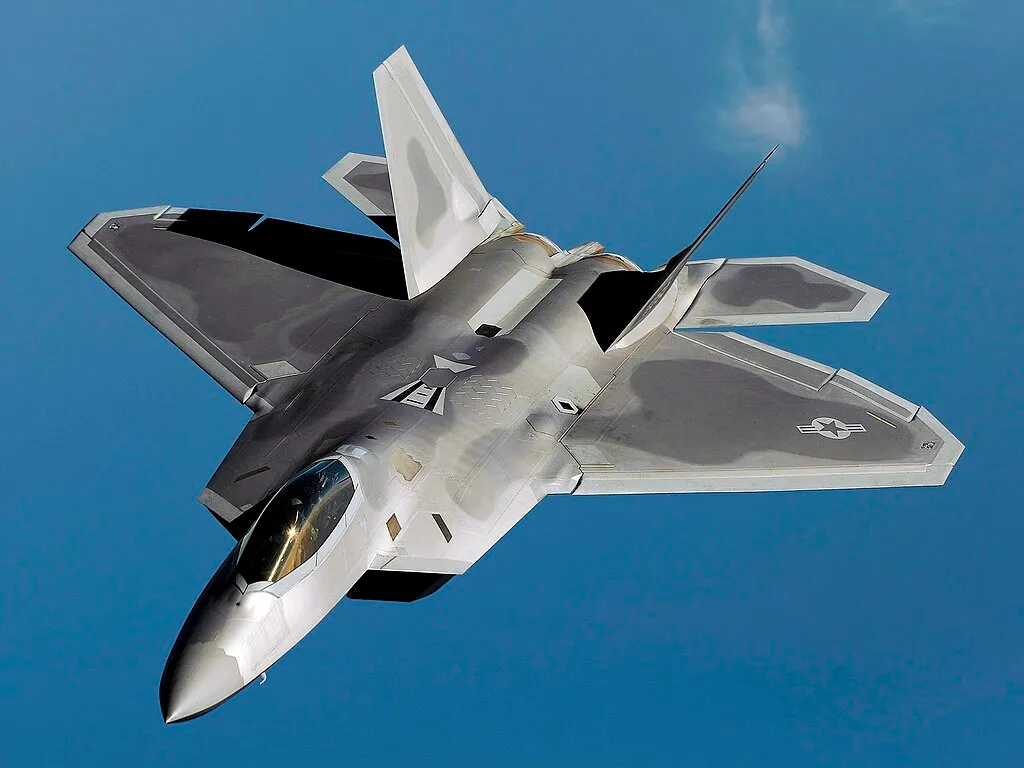
Fifth-generation aircraft adopted a more balanced approach. The Lockheed Martin F-22 Raptor and F-35A Lightning II include internal cannons for emergency dogfighting and ground attack missions. However, the F-35B and F-35C variants use external gun pods instead of built-in guns.
Design limitations largely explain this decision. The F-35B requires a vertical lift system for short takeoff and vertical landing operations, while the F-35C incorporates reinforced structures for aircraft carrier operations.
Both features consume valuable internal space that would otherwise accommodate a gun system.
Beyond Visual Range Air Combat Dominance
Modern air combat increasingly relies on Beyond-Visual-Range (BVR) weapons. Advanced radar systems, sensor fusion technology, and long-range missiles allow pilots to detect and engage threats before they become visible.
Stealth aircraft gain their greatest advantage by avoiding detection rather than entering close-range combat. Using a gun requires a fighter to approach a target, point its nose directly at the opponent, and operate within a very short engagement distance.
These conditions reduce many of the advantages that stealth technology provides.
Military planners, therefore, focus on improving missile performance, electronic warfare capabilities, and sensor networks. These systems allow aircraft to neutralize threats while maintaining safe separation from hostile forces.
Future Air Combat Technologies
Sixth-generation fighter programs are taking this concept even further. Future aircraft are expected to operate as part of a larger combat ecosystem that includes autonomous drones, advanced networking systems, and directed-energy weapons.
Collaborative Combat Aircraft, often called loyal wingman drones, will perform surveillance, carry weapons, and absorb risks that would otherwise threaten expensive crewed fighters.
By extending a fighter’s reach far beyond its own airframe, these drones reduce the need for close-range engagements, Simple Flying flagged.
Engineers are also investing heavily in laser technology. Directed-energy weapons can engage incoming threats at the speed of light without requiring traditional ammunition. This capability could eventually replace many of the functions historically performed by aircraft guns.
Despite these advances, military planners remain cautious. History has shown that battlefield conditions can challenge even the most advanced assumptions.
While stealth fighters continue moving away from internal cannons, many defense experts believe future combat will still require flexibility and backup options when technology faces unexpected challenges.
Stay tuned with us. Further, follow us on social media for the latest updates.
Join us on Telegram Group for the Latest Aviation Updates. Subsequently, follow us on Google News
