

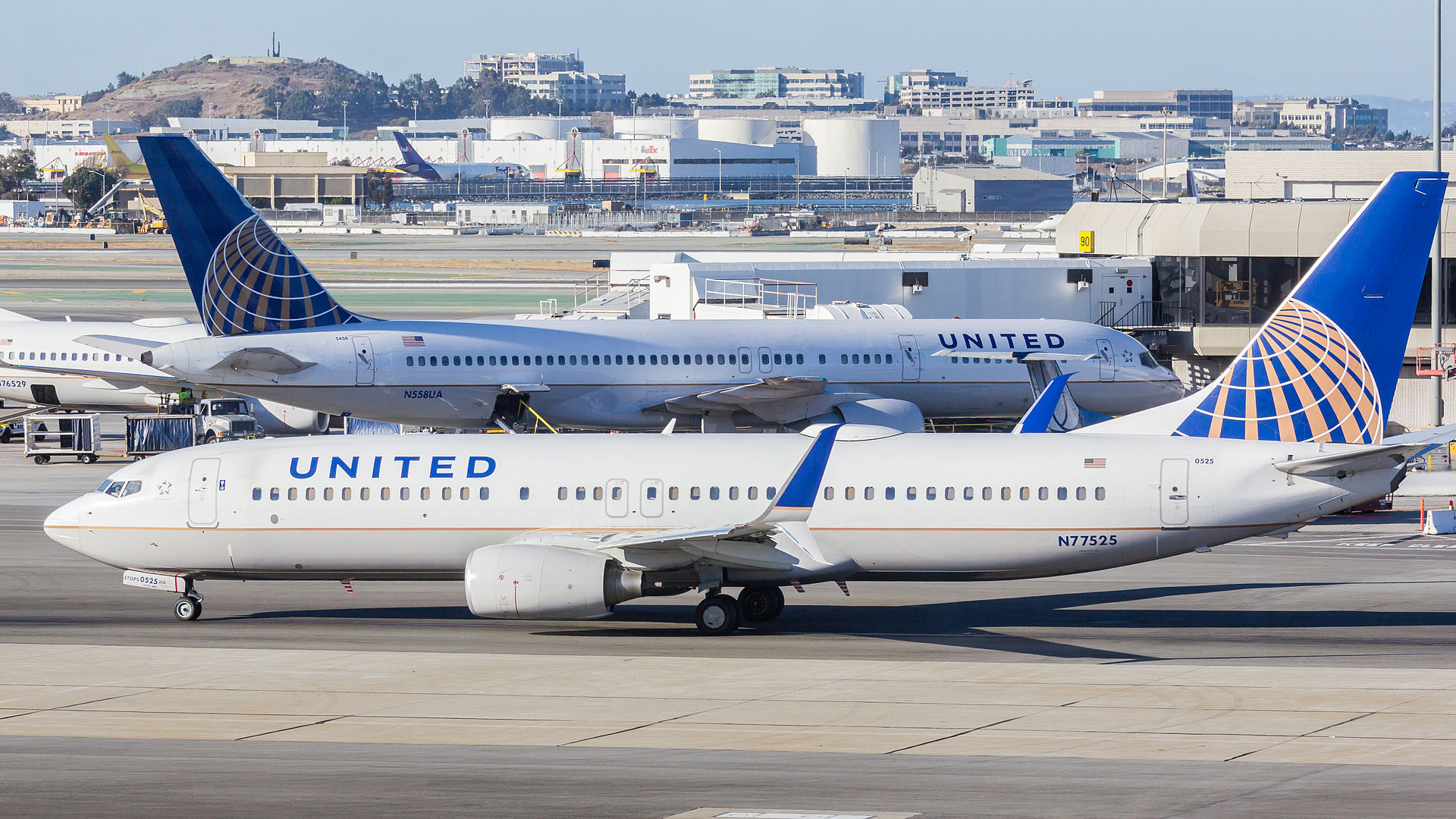
WASHINGTON- A United Airlines (UA) Boeing 737-900 experienced a nose landing gear issue shortly after departing Washington on June 9, 2026, forcing the aircraft to return to its departure airport as a precaution.
The flight was operating as UA1535 from Washington Dulles International Airport (IAD) to Houston George Bush Intercontinental Airport (IAH) with 179 people on board.
The incident occurred during the initial climb phase when the flight crew identified an abnormal indication involving the aircraft’s nose gear system.
After conducting troubleshooting procedures, the pilots determined that the nose landing gear had failed to retract and elected to return to Washington Dulles for a safe landing.
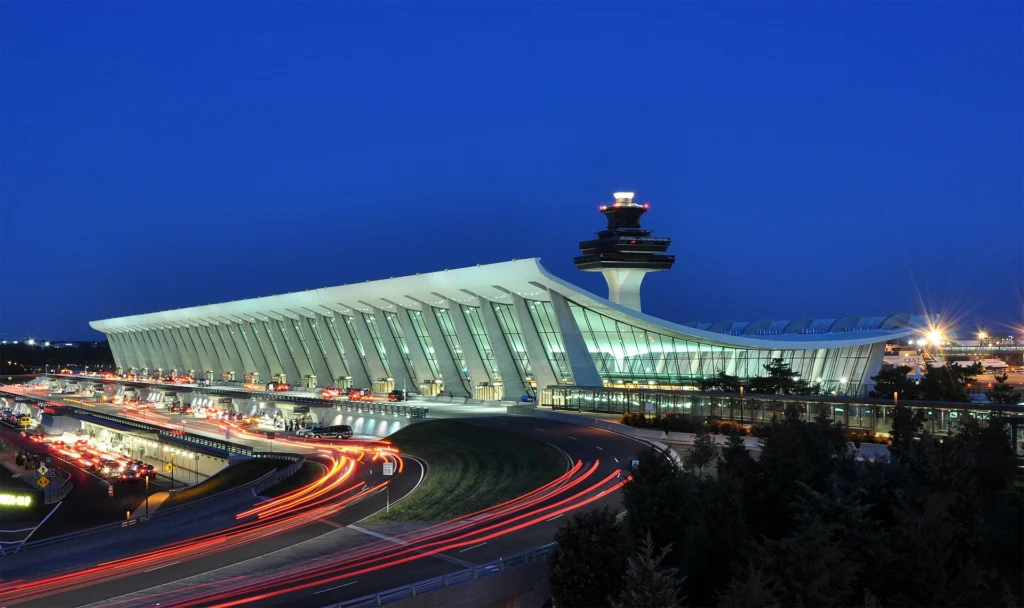
United 737 Makes U-Turn to Dulles
According to air traffic control communications, the Boeing 737-900 had departed runway 19L and was climbing out of the Washington airspace when the crew requested additional time to troubleshoot an issue before continuing the flight.
The aircraft was subsequently handed off to departure control and leveled off at approximately 4,000 feet while pilots assessed the situation.
Following the troubleshooting process, the crew informed controllers that the nose gear remained extended and that a return to Washington Dulles was necessary.
Despite the abnormal condition, the pilots advised that the nose gear was locked down and indicated there was no immediate need to declare an emergency.
The aircraft remained in a holding pattern near the airport while crews completed checklists and coordinated the return. Air traffic controllers provided the necessary support to ensure a smooth approach and landing sequence.
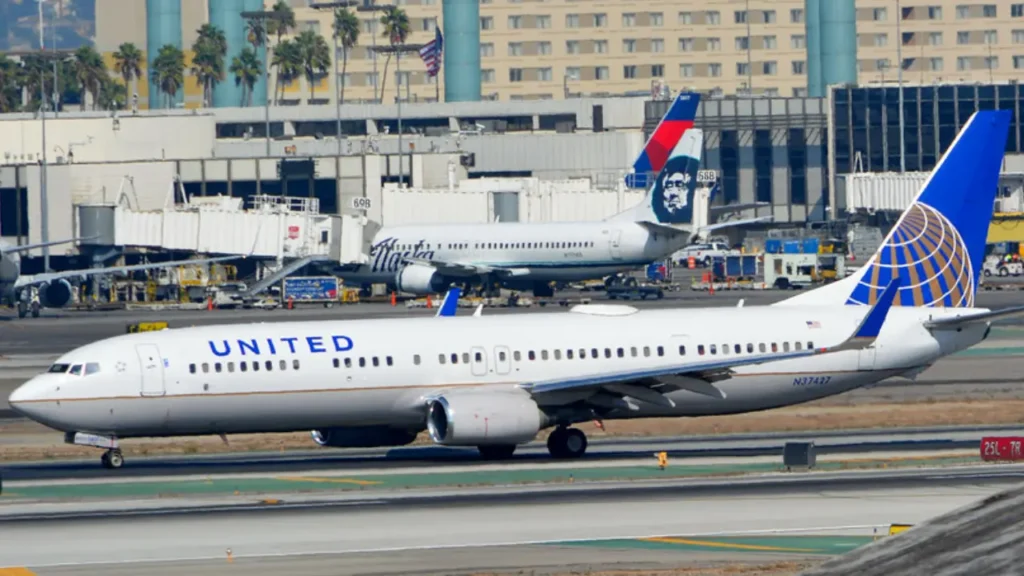
FAA Investigates Technical Incident
The aircraft landed safely on runway 19R at Washington Dulles roughly 50 minutes after its departure. No injuries were reported among passengers or crew, and the aircraft taxied normally after landing.
The Federal Aviation Administration (FAA) confirmed the event and stated that United Airlines Flight 1535 returned safely to Washington Dulles after the pilot reported a nose-gear issue.
The agency also confirmed that the Boeing 737-900 had been operating a scheduled service to Houston before the flight crew decided to return.
As is standard procedure for operational incidents involving aircraft systems, the FAA announced that it will investigate the circumstances surrounding the event.
Investigators are expected to review maintenance records, flight data, and crew reports to determine why the nose gear did not retract after takeoff.
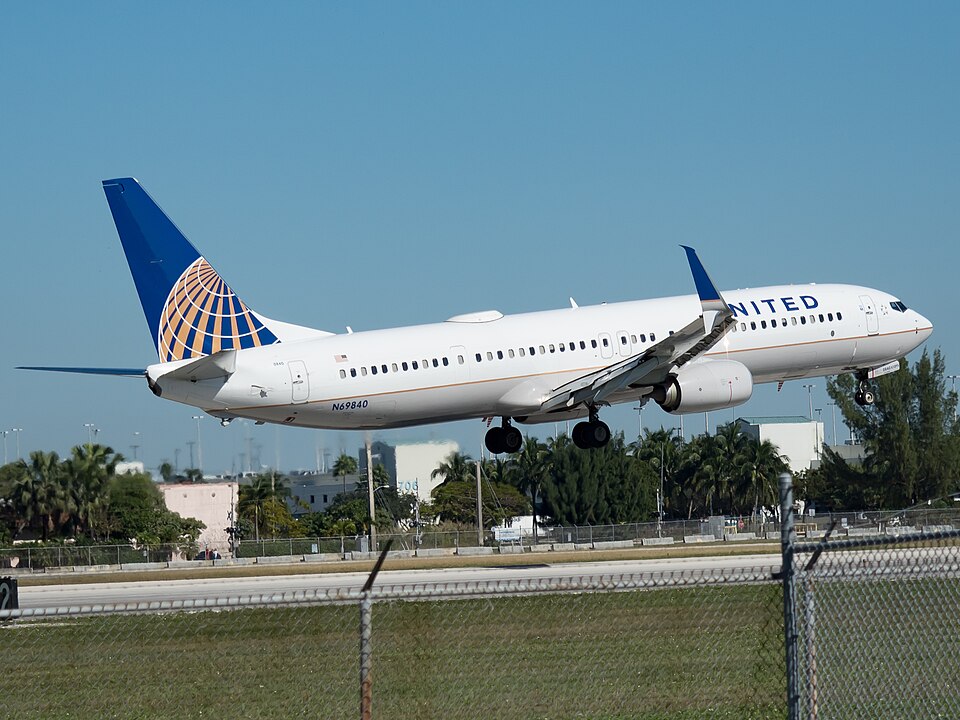
Aircraft Resumes Revenue Service Operations
Following inspections and maintenance checks at Washington Dulles, the aircraft was cleared to return to service. The Boeing 737-900 later departed again and successfully completed its journey to Houston.
Flight tracking data showed that the aircraft ultimately reached Houston with a delay of approximately two and a half hours compared to its original schedule.
The successful return to service suggests that maintenance teams were able to address the issue without requiring prolonged downtime.
While nose gear malfunctions are relatively uncommon, commercial aircraft are designed with multiple safety procedures and redundant systems that allow crews to manage such situations effectively.
In this case, the crew followed established protocols, coordinated closely with air traffic control, and ensured a safe outcome for everyone on board, The Aviation Herald mentioned in their reporting.
Stay tuned with us. Further, follow us on social media for the latest updates.
Join us on Telegram Group for the Latest Aviation Updates. Subsequently, follow us on Google News
