

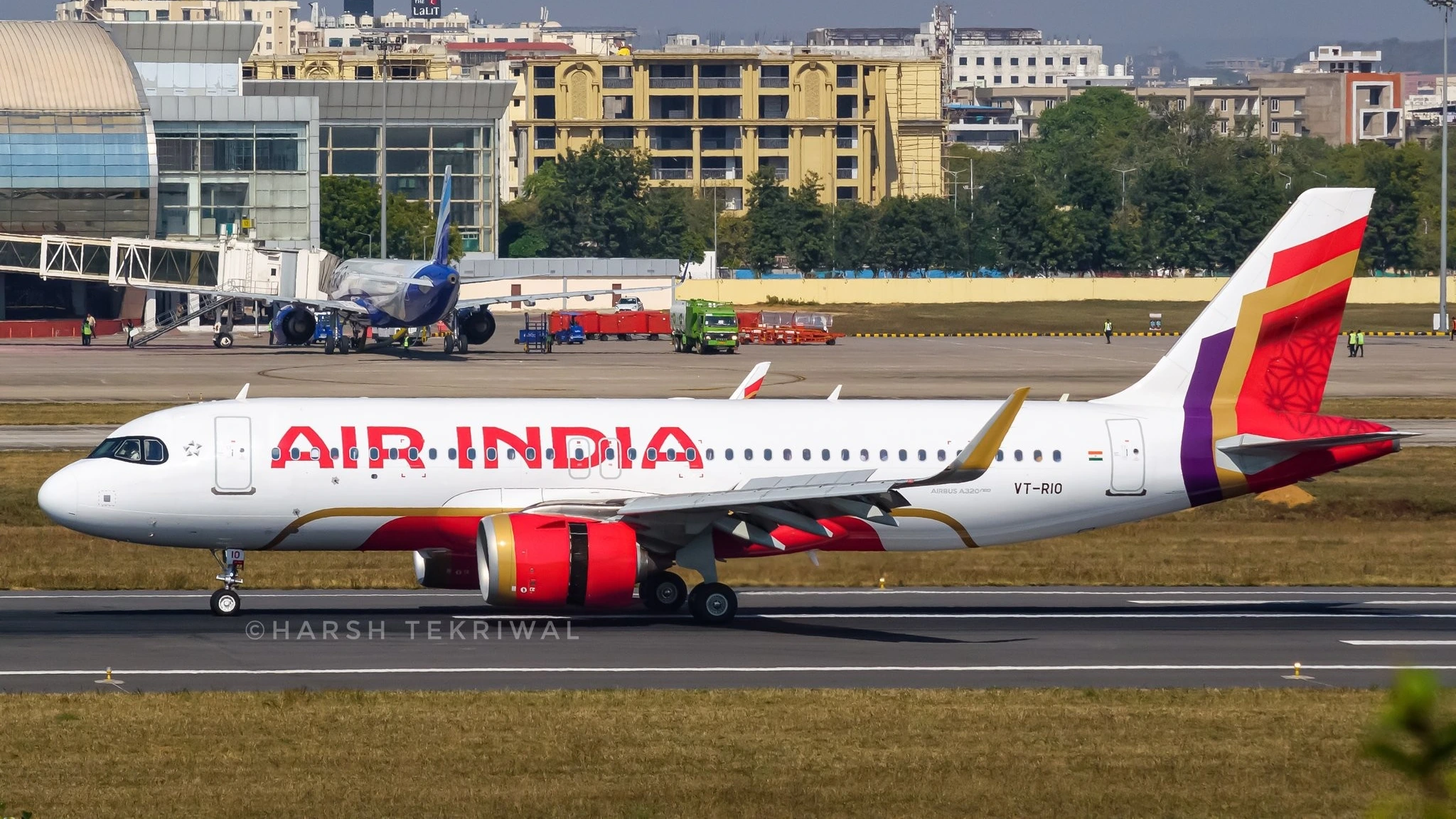
MUMBAI— A former Air India (AI) pilot has regained his Airline Transport Pilot Licence (ATPL) after the Bombay High Court set aside a 2011 suspension order issued by India’s aviation regulator.
The decision comes nearly 15 years after the Directorate General of Civil Aviation (DGCA) suspended the licence over allegations involving forged examination documents.
The ruling marks a significant development in one of India’s longest-running aviation licensing disputes. The court found that the DGCA failed to provide the pilot with an opportunity to defend himself before taking action, resulting in a violation of principles of natural justice.
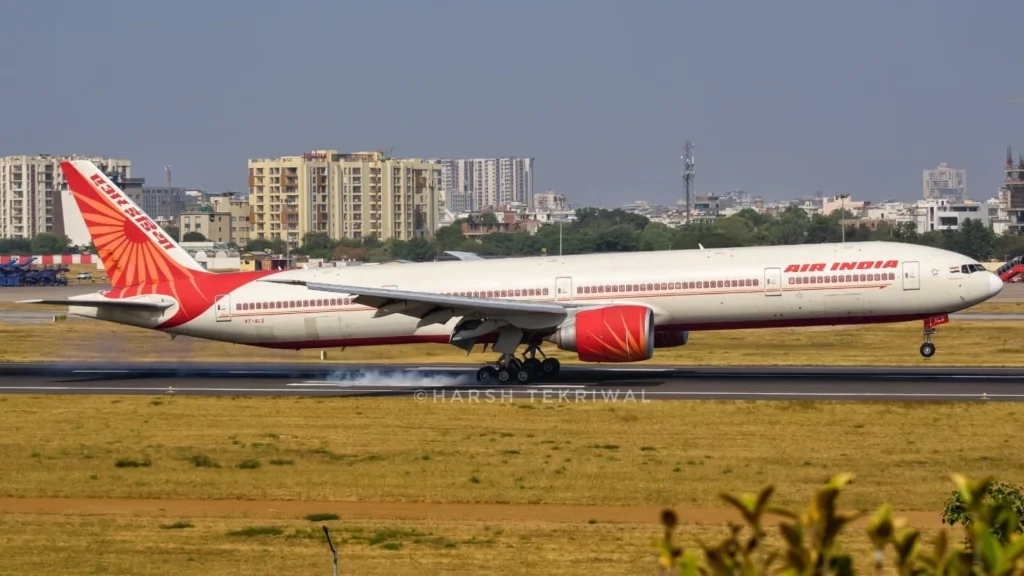
Court Quashes Pilot Licence Suspension Order
Former Air India (AI) pilot Jeetendra Krishna Varma challenged the suspension of his ATPL, which was imposed on March 12, 2011. The action followed an investigation into allegations that several pilots had obtained licences using forged examination records.
According to the case, the DGCA alleged that Varma submitted a forged marksheet showing he had passed the Air Navigation Composite examination in April 2010. The regulator argued that the licence had been secured through incorrect information and suppression of material facts.
However, the Bombay High Court ruled that the regulator did not follow the mandatory procedure outlined under Rule 39A of the Aircraft Rules. The provision requires authorities to provide a hearing before disqualifying an individual from holding an aviation licence.
The division bench observed that the pilot was never served a show-cause notice and was not given an opportunity to present his version of events before the suspension was imposed.
DGCA Procedure Questioned By High Court
The court also examined the evidence presented by the DGCA during the proceedings. Judges noted that the regulator failed to place the allegedly forged marksheet before the court and did not provide sufficient supporting material to substantiate its claims.
The DGCA argued that immediate action was necessary in the public interest while investigations were underway. However, the court rejected that position and stated that the legal provisions cited by the regulator did not apply to the circumstances of the case.
Varma maintained that he had served as a commercial pilot for more than two decades and had accumulated nearly 7,000 flight hours during his career.
He also pointed out that he had successfully completed competency and licence renewal checks conducted by DGCA-approved examiners throughout his professional service.
The court concluded that the absence of due process caused clear prejudice to the pilot because he was denied the chance to respond to the allegations before losing his licence.
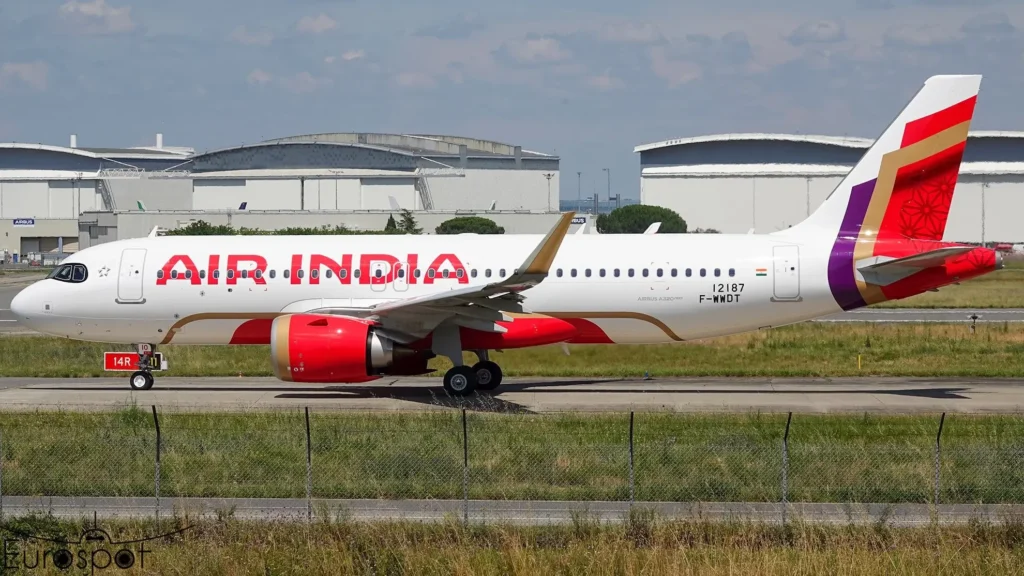
Fresh Inquiry Allowed Under Rule 39A
While restoring the ATPL, the Bombay High Court did not close the matter entirely. The bench granted liberty to the DGCA to initiate a fresh inquiry under Rule 39A if it chooses to pursue the allegations further.
Any new proceedings must provide the former pilot with a proper hearing and follow all procedural requirements established under aviation regulations. The court directed that such an inquiry, if launched, should be completed within two months.
The judges also took note of the prolonged delay in the related criminal proceedings. Although a criminal complaint was filed in 2011 and a chargesheet was submitted, charges have reportedly not been framed even after 15 years.
The ruling restores Varma’s Airline Transport Pilot Licence while reinforcing the importance of procedural fairness in aviation regulatory actions.
The decision may also serve as a reference point for future cases involving licence suspensions and enforcement actions within India’s aviation sector.
Stay tuned with us. Further, follow us on social media for the latest updates.
Join us on Telegram Group for the Latest Aviation Updates. Subsequently, follow us on Google News
