


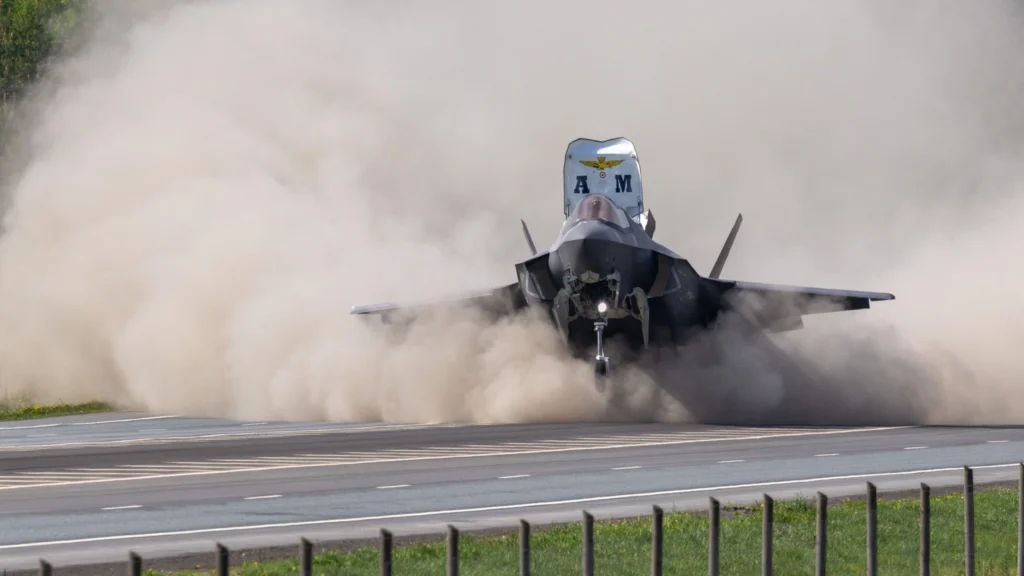
MISAWA AIR BASE, JAPAN- United States Air Force (USAF) F-35A Lightning II fighters marking a major shift in Pacific airpower. The arrival of the fifth-generation jets at the base, served by Misawa Airport (MSJ), opens a new chapter for Pacific Air Forces and allied deterrence across the Indo-Pacific.
The 35th Fighter Wing now flies the F-35A in the Suppression of Enemy Air Defenses role, widely known as the “Wild Weasel” mission. The transition replaces the wing’s long-serving F-16 Fighting Falcons and strengthens Fifth Air Force capability in one of the most strategically sensitive regions in the world.
A New Era for the 35th Fighter Wing
The first F-35A jets assigned to the 13th Fighter Squadron, nicknamed the “Panther Pack,” arrived at Misawa on March 28, 2026. The delivery marked the first time the Air Force has permanently based F-35s in Japan. The 35th Fighter Wing later held a ribbon-cutting ceremony on April 24, 2026, to formally induct the aircraft into the Fifth Air Force arsenal.
The arrival forms the opening phase of a wider modernization plan. The Air Force intends to replace the base’s 36 F-16C/D fighters with 48 F-35As, with the 13th and 14th Fighter Squadrons set to complete the conversion over time.
The first four aircraft were not newly built. Three transferred from Hill Air Force Base in Utah, while the fourth previously served with RAF Lakenheath in the United Kingdom, all routing through Hickam Air Force Base in Hawaii before reaching Japan.
Col. Paul Davidson, 35th Fighter Wing commander, said the move reflects a long-standing commitment to Japan and the region and improves the wing’s ability to respond quickly alongside Japanese partners.
The wing flew the F-16 from 1994, and its “WW” tail flash continues to signal the Wild Weasel heritage that traces back to the Vietnam War.
Why the F-35 Fits the Wild Weasel Mission
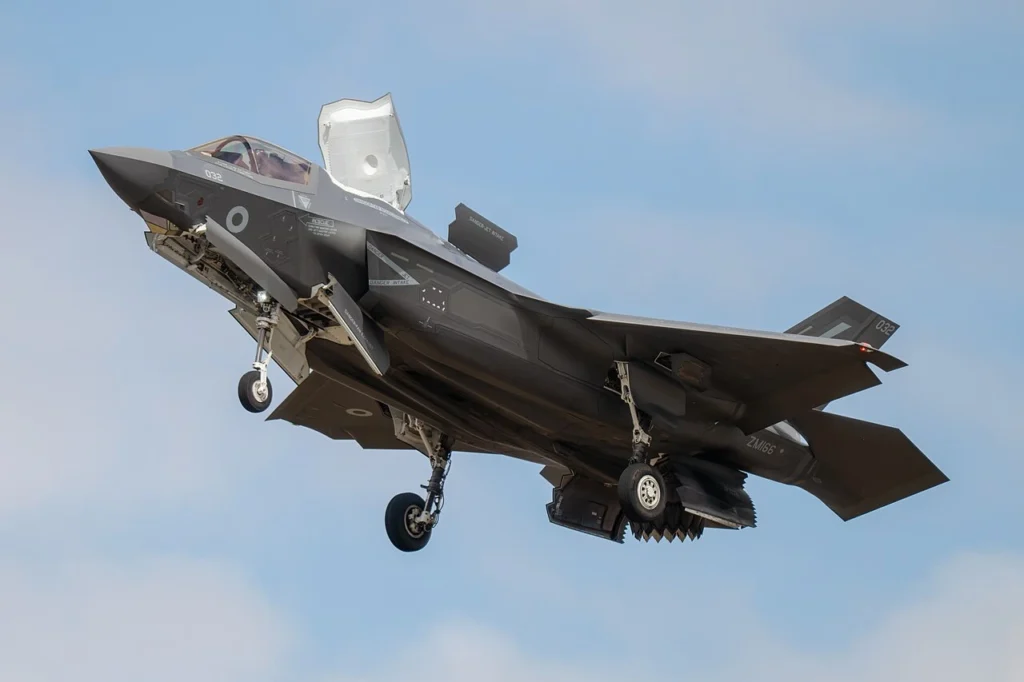
The Wild Weasel mission sends pilots first over hostile territory to locate, identify, and destroy enemy radar and surface-to-air missile systems. The work ranks among the most dangerous in modern air combat, and the F-35 was designed for it from the start.
Lt. Col. John Widmer, 13th Fighter Squadron commander, described the aircraft as tailor-made for the role. He noted that legacy platforms carried out the mission with sensors and weapons added onto existing airframes, while the F-35 was built from the ground up as a sensor platform with fusion and command capability.
Advanced sensor fusion gives F-35 pilots a single, integrated picture of the battlespace, which improves both survivability and effectiveness. Widmer said the sensor package allows pilots to detect threats and manage the full range of systems an enemy can field, with software that updates and upgrades continually.
‘First In, Last Out’ in Recent Combat
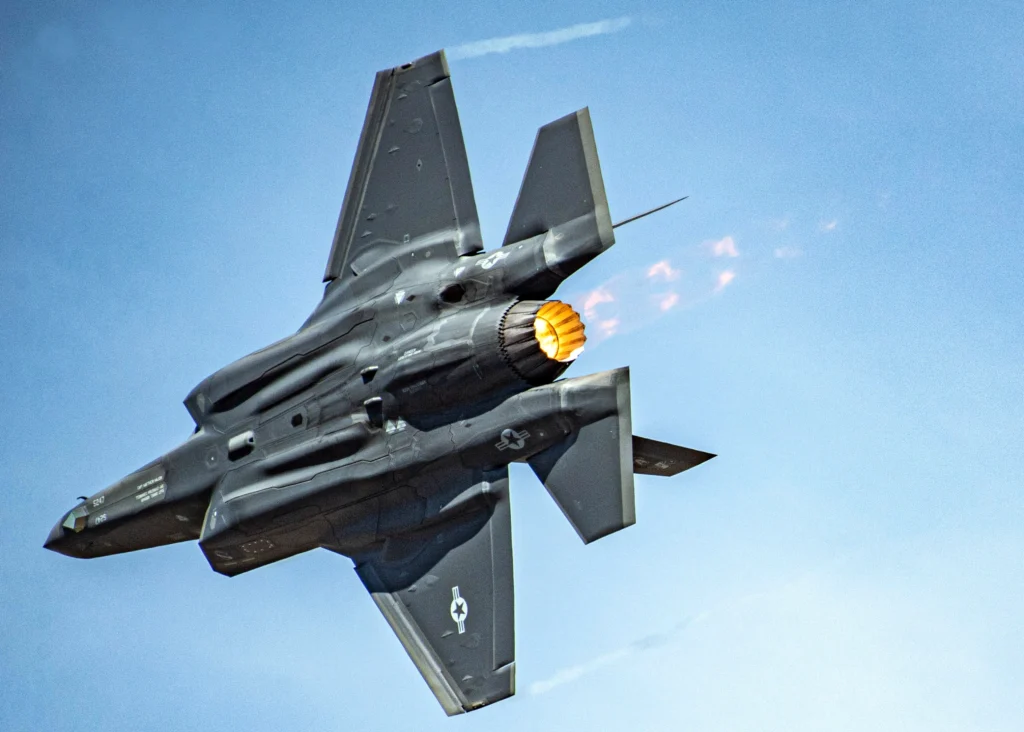
The Wild Weasel concept emerged in the 1960s, yet the mission remains central to modern air operations. In June 2025, U.S. Air Force F-35s suppressed Iran’s air defenses and cleared the path for other combat aircraft during Operation Midnight Hammer.
Lt. Col. Aaron Osborne, commander of the 34th Fighter Squadron, said the related Operation Rough Rider marked the first time in two decades that crews faced live fire while carrying out the Wild Weasel mission. He added that the operation introduced new weapons on the F-35, including strikes into tunnels and repeated hits on targets with deep-penetration munitions.
The transfer of the 13th Fighter Squadron’s older F-16s to Osan Air Base in South Korea in June 2025 cleared the way for the F-35 transition at Misawa.
Fifth Air Force leadership framed the stationing of the jets and closer cooperation with Japanese forces as a clear signal of alliance strength to any potential adversary.
Stay tuned with us. Further, follow us on social media for the latest updates.
Join us on Telegram Group for the Latest Aviation Updates. Subsequently, follow us on Google News
