


DUBAI- Emirates (EK) will introduce a series of incentives to win back travellers worried about the prolonged Iran conflict, choosing to compete on reliability and customer support rather than cheaper fares, President Tim Clark told Reuters on Tuesday.
The state-backed carrier will keep flying its full schedule from its hub at Dubai International Airport (DXB) despite rising costs.
Clark gave the comments on the sidelines of an industry summit in Berlin (BER), marking his first interview with a global news agency since the conflict began in late February and started hitting Middle Eastern airlines.
He said the airline would offer “all sorts of incentives other than price” to bring passengers back, even as talks to end the fighting drag on and attacks around the Gulf flare up again.
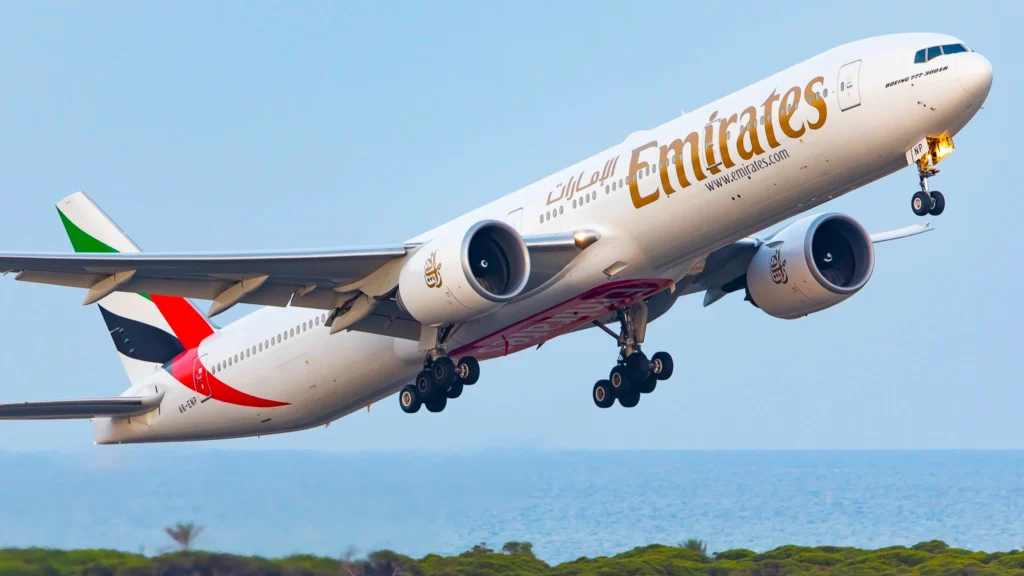
Emirates Reliability And Support Take Priority Over Fare Cuts
Emirates plans to reassure travellers by addressing the practical fears tied to flying through a conflict zone. Clark said the incentives could include stronger guarantees around operational safety. He also pointed to the airline’s handling of disrupted journeys as a key selling point.
“That could be a new means of ensuring their safety of operation, for instance,” Clark said. He added that the airline would tackle worries about cancelled flights and stranded passengers directly.
“We’ll take care of all of that, including flying them on other carriers if necessary to bring them home or get the kids into school,” he said. Clark stressed that flight safety remained the airline’s top priority throughout, Reuters reported.
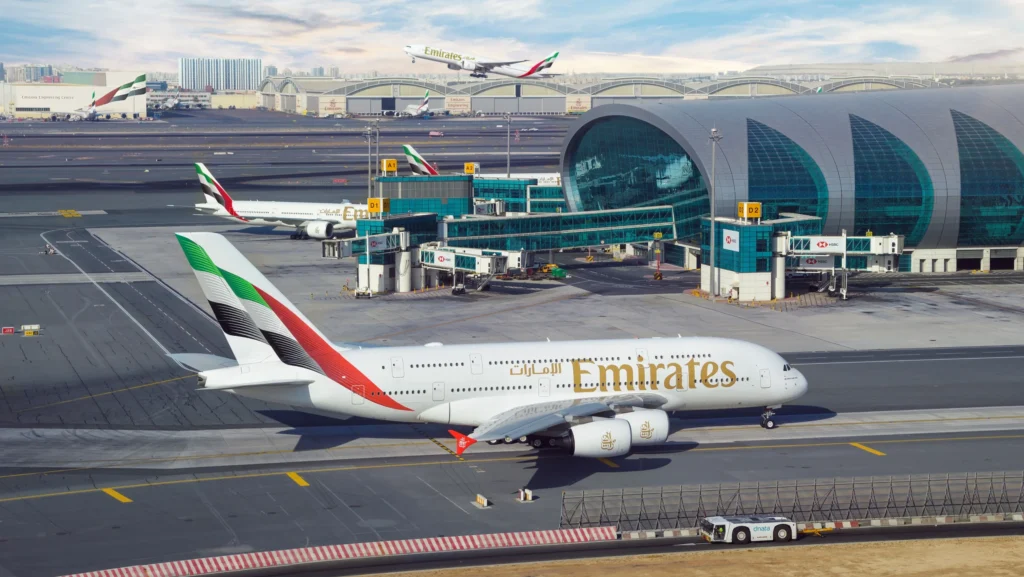
Intelligence-Sharing And Airspace Talks
Clark said Emirates was in active discussions with governments and regulators to ease restrictions on Middle East airspace. That airspace has been constrained by the U.S.-Israeli war against Iran. The European Union Aviation Safety Agency (EASA) has issued conflict-zone warnings advising carriers against flying over parts of the Gulf and the wider Middle East.
“We are talking to them,” Clark said, referring to regional governments, while acknowledging that regulators have a duty to protect passengers. “We rely on governments to be a little less restrictive in the warnings they issue about travelling across the Middle East.”
He said Emirates stayed in close contact with regional governments and that intelligence-sharing between authorities and airlines was extensive, helping the carrier maintain safe operations.
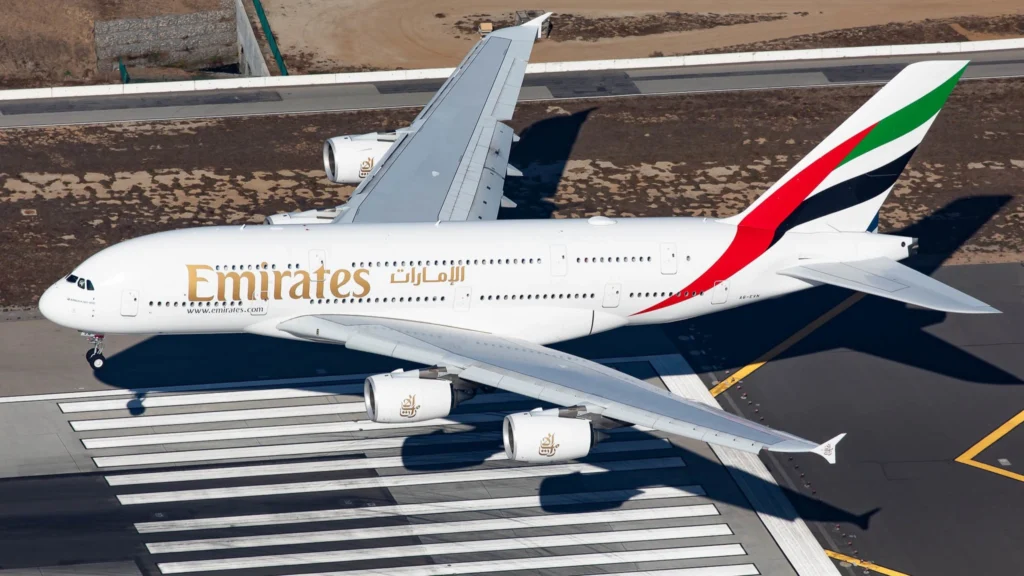
Ticket Prices Remain Tied To Oil Costs
Clark ruled out lower fares as a tool to attract travellers back to Dubai for now. He linked the airline’s pricing directly to the cost of fuel, which has stayed volatile during the conflict.
“The ticket price is very much conditional on what the oil price starts, and at the moment the oil price fluctuates,” he said.
Despite the disruption, Clark said Emirates still hoped for a strong summer, even though first-class cabins were running about half full. He predicted oil prices would eventually fall from about $90 a barrel to around $70.
“And then we’ll be back,” he said. “But it’s a question of how long it takes.”
Stay tuned with us. Further, follow us on social media for the latest updates.
Join us on Telegram Group for the Latest Aviation Updates. Subsequently, follow us on Google News
