

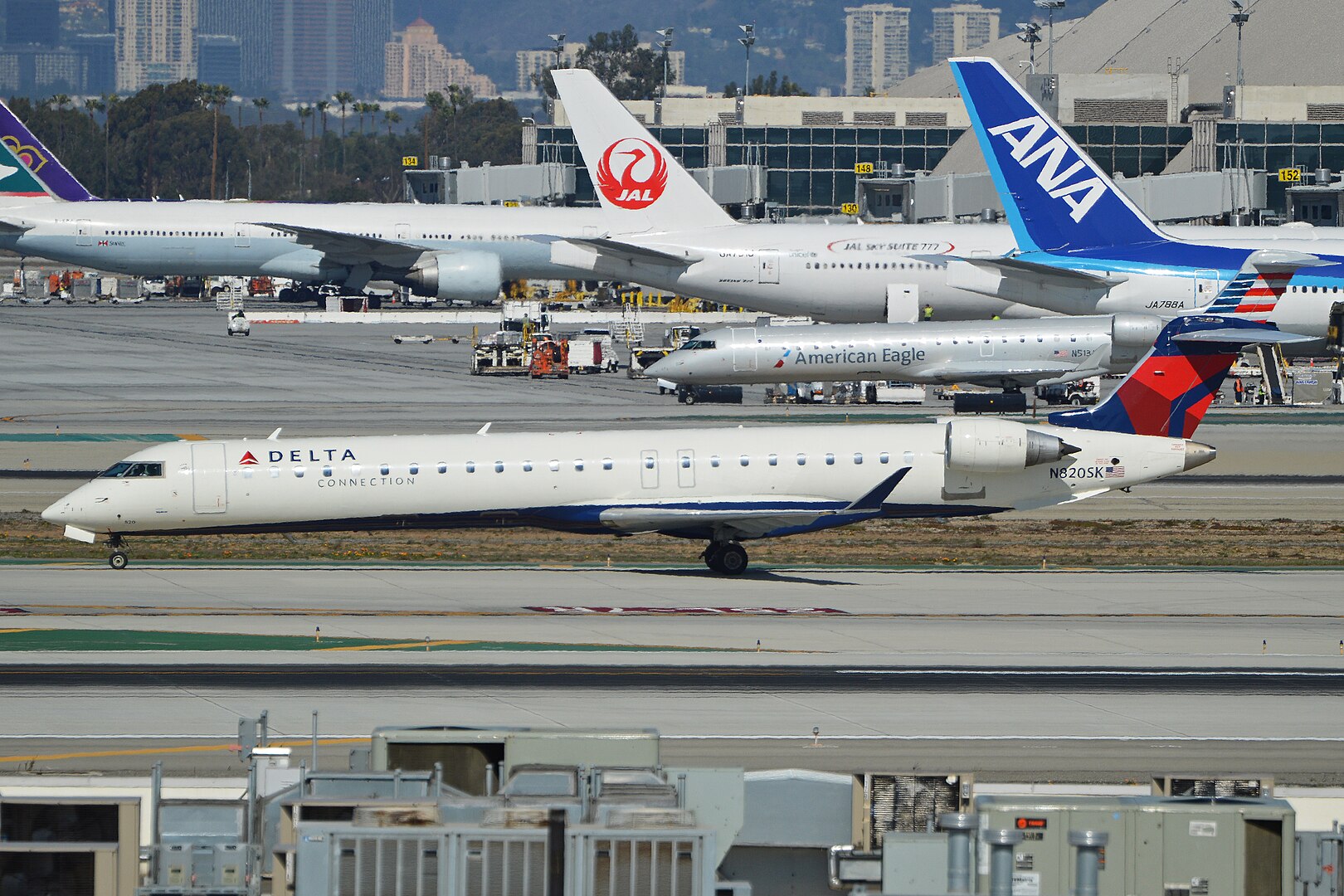
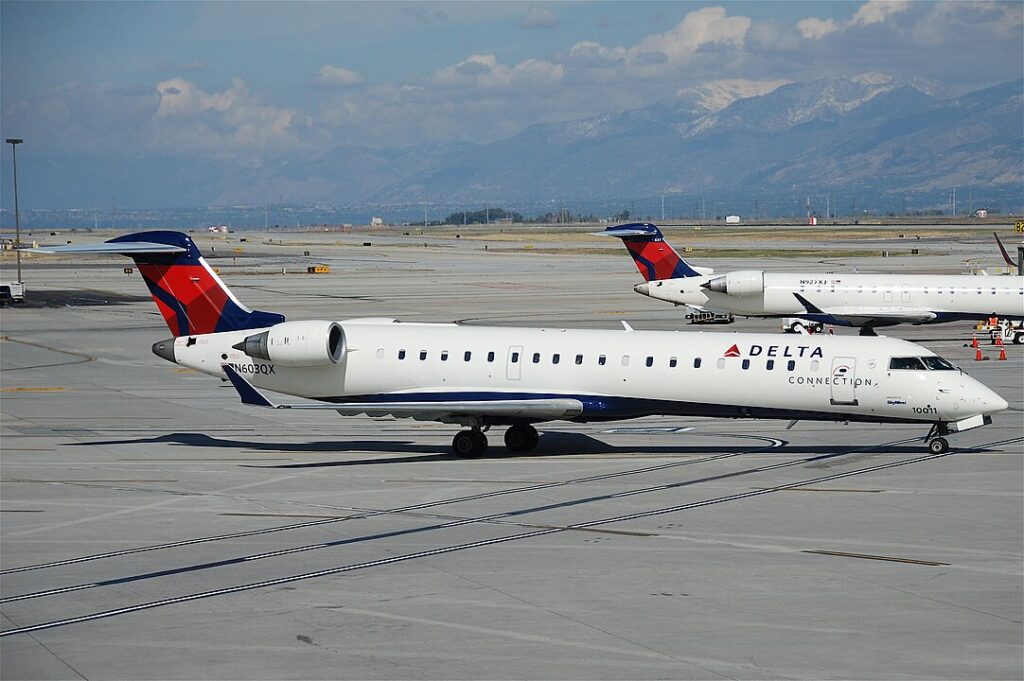
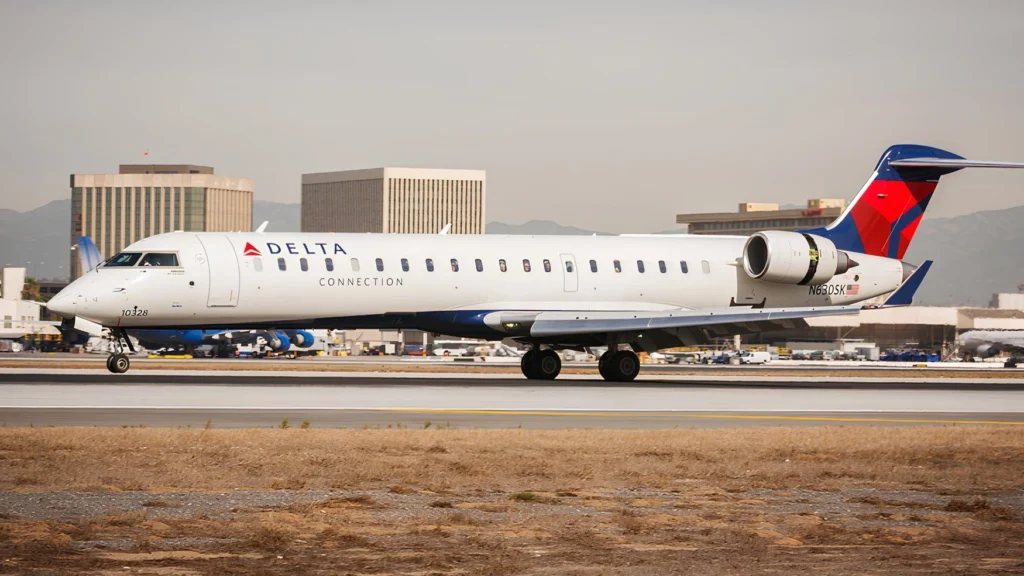
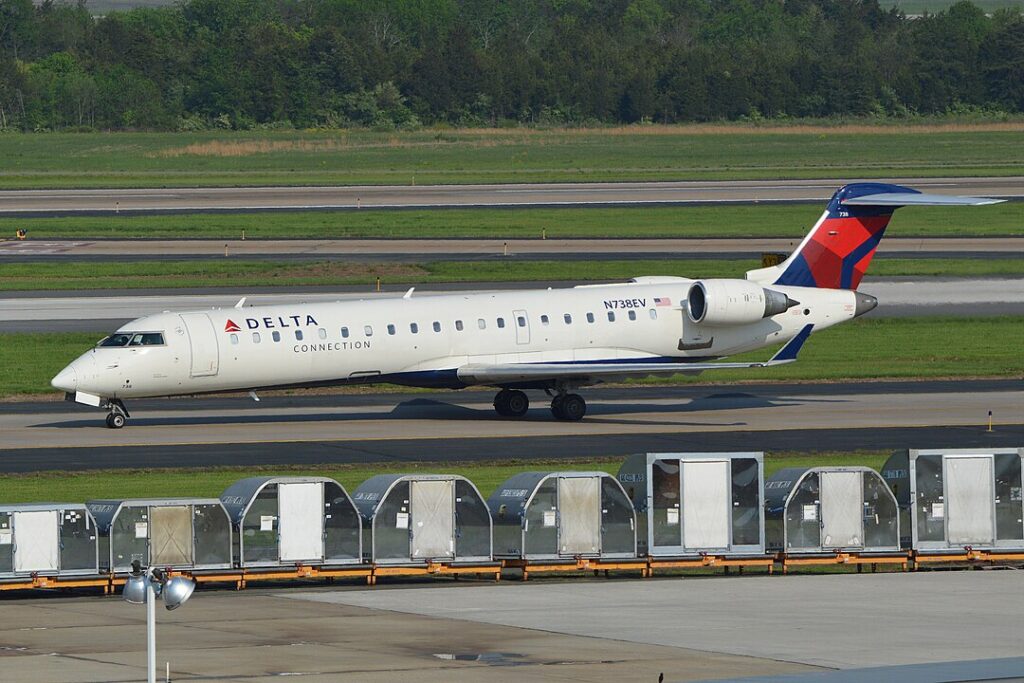
ATLANTA- Delta Air Lines (DL) cancelled flight 4854 from Cleveland (CLE) to Detroit (DTW) on May 27, 2026, after police removed a flight attendant from the Endeavor Air (9E) aircraft operating the Delta Connection service.
The carrier listed a lack of crew as the reason for the cancellation, but the staffing gap followed the detention of a cabin crew member at Cleveland Hopkins International Airport (CLE), with passengers rebooked to the following day for travel to Detroit Metropolitan Wayne County Airport (DTW).
Police Remove Crew Member Before Delta Connection Flight
Officers boarded the regional jet and escorted a flight attendant who was described as visibly shaken. The crew member gave a statement to the police at the scene. Officers then returned to the aircraft and brought out a second flight attendant, who was detained.
Reports indicate that one flight attendant had assaulted the other during the inbound flight, and that visible scratches were present. The dispute moved from the cabin to the gate area once the aircraft arrived in Cleveland.
Independent records reflect an assault incident at the airport, logged as a fight reported between two flight attendants at a gate. Officers responded to Gate B6 for an altercation involving two cabin crew members, View from the Wing reported.
Why The Flight Was Cancelled
The removal of two working crew members left the flight without enough staff to operate legally. Federal rules set minimum cabin crew levels based on aircraft seating capacity, so an airline cannot depart once it drops below that threshold.
Delta did not have additional later services on the route that day to recover the flight. As a result, the airline rebooked affected passengers onto flights departing the next day.
The stated reason of insufficient crew is accurate but incomplete. It does not explain that the shortage stemmed from a physical altercation between two employees rather than a routine scheduling problem.
Different Treatment For Passengers And Employees
The incident highlights a gap in how airlines handle misconduct. Carriers often move quickly to ban passengers who behave badly, sometimes permanently.
When the person involved is an employee, the process tends to run through union representation, human resources review, internal discipline, and police records before any termination can take place. This creates a slower and more structured path for staff than for travelers.
Crew Conflict Across The Industry
Cabin crew frequently work alongside colleagues they have never met, given the volume of daily flights and the varied backgrounds of staff. The frequency of pairing strangers makes the relatively low rate of open conflict notable.
Most airlines maintain procedures to code crew members as do not pair, which keeps individuals who clash from being scheduled together again. The system limits repeat conflicts but does not prevent first occurrences.
Similar disputes have surfaced elsewhere. Two SkyWest flight attendants working for American disagreed over passenger seat-trading rules, refused to work together, and left the assignment. A United Airlines flight was stranded in Des Moines after the airline pulled an entire crew over a flight attendant fight.
Pilot Disputes Also Occur
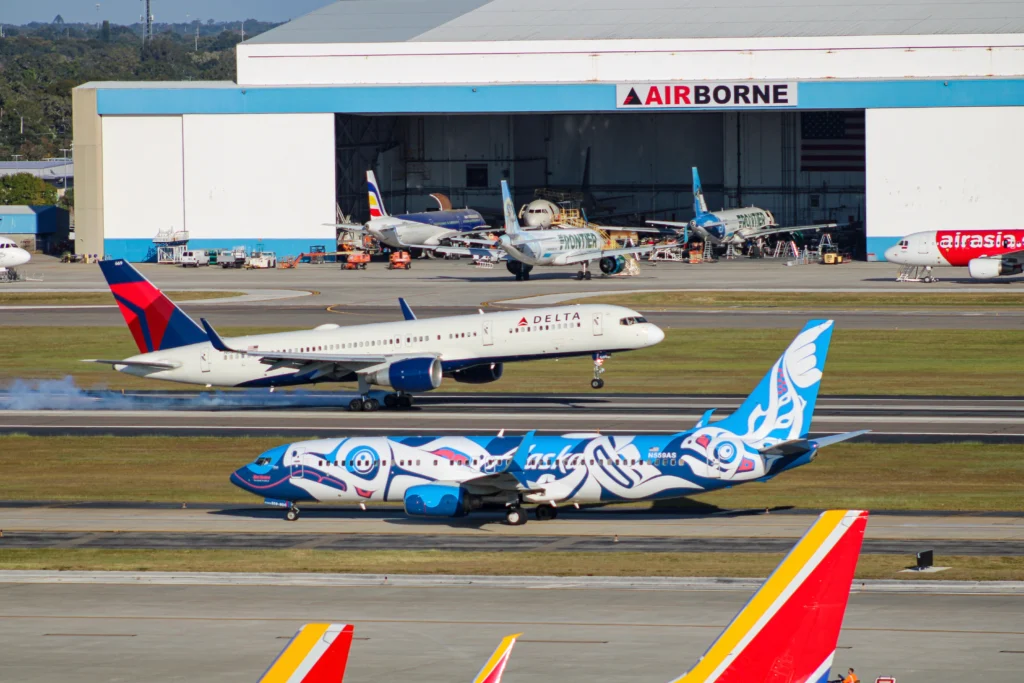
Conflict is not limited to cabin crew. An Alaska Airlines (AS) captain walked off a flight after arguing with the first officer and reportedly told passengers that he was not getting along with his coworker.
In a more serious case, a Delta first officer pulled a gun on the captain and threatened to shoot him if he diverted the flight for a sick passenger. These cases show that interpersonal disputes among flight deck crew can escalate and disrupt operations.
Stay tuned with us. Further, follow us on social media for the latest updates.
Join us on Telegram Group for the Latest Aviation Updates. Subsequently, follow us on Google News
