

PARIS— France and Germany have officially ended the Future Combat Air System (FCAS), a €100 billion European fighter jet program that was once expected to deliver a sixth-generation combat aircraft for European allies by 2040.
The decision follows years of industrial disagreements between Dassault Aviation and Airbus, the two companies leading the project on behalf of France, Germany, and Spain.
The cancellation marks one of the biggest setbacks for Europe’s defense and aerospace sector in recent years.
Leaders from both countries concluded that the participating companies could not overcome long-running disputes over intellectual property rights, industrial leadership, and work-sharing arrangements.
FCAS Program Ends After Years Of Disputes
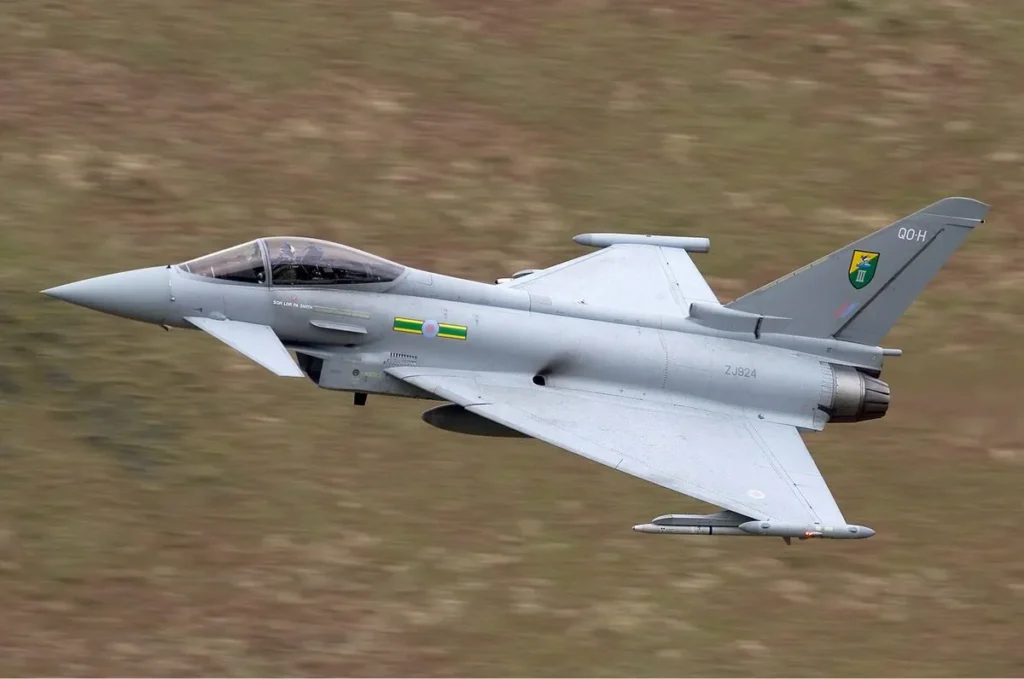
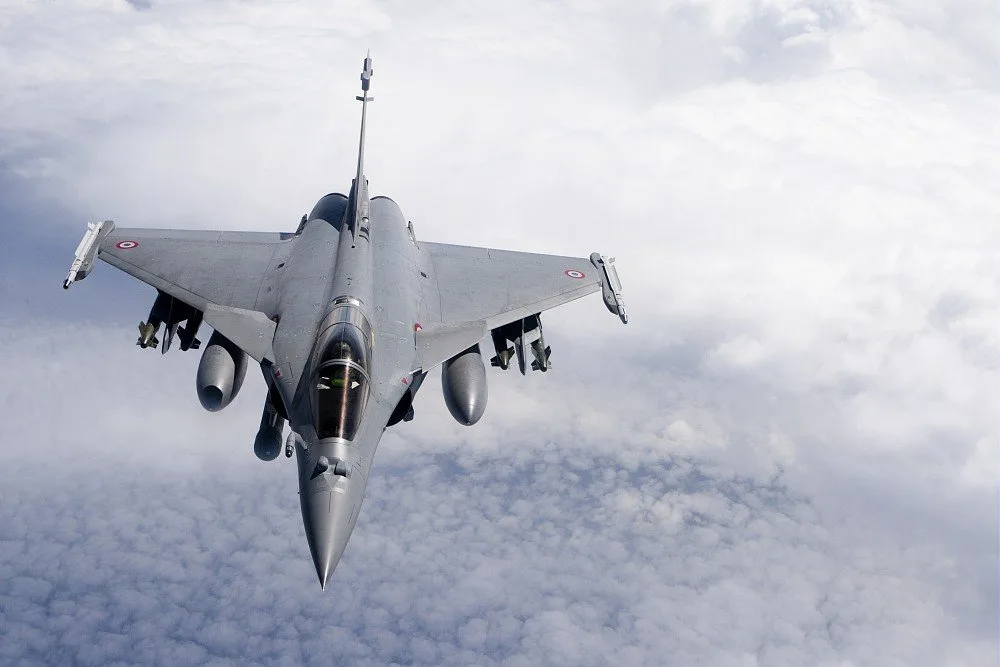
The FCAS initiative was launched in 2017 as a flagship European defense project aimed at replacing France’s Rafale fighter fleet and Germany’s Eurofighter aircraft.
The program envisioned a next-generation fighter operating alongside advanced drones, sensors, and a secure digital combat network.
However, negotiations repeatedly stalled as Dassault Aviation and Airbus disagreed on how responsibilities should be divided.
France sought greater control over the fighter jet’s development, while Germany and Spain pushed for a more balanced industrial structure.
The dispute became increasingly difficult to resolve despite political support from both governments.
During discussions held on the sidelines of a European summit in Montenegro, German Chancellor Friedrich Merz reportedly advised French President Emmanuel Macron to stop pursuing the joint fighter aircraft project.
While the fighter jet component has now been abandoned, both countries are expected to continue cooperating on related technologies such as the Combat Cloud network and collaborative combat drones.
Impact on European Defense Aviation Future
The collapse of FCAS comes at a critical moment for European defense planning. Governments across the continent are increasing military spending and seeking greater strategic autonomy as security concerns continue to grow.
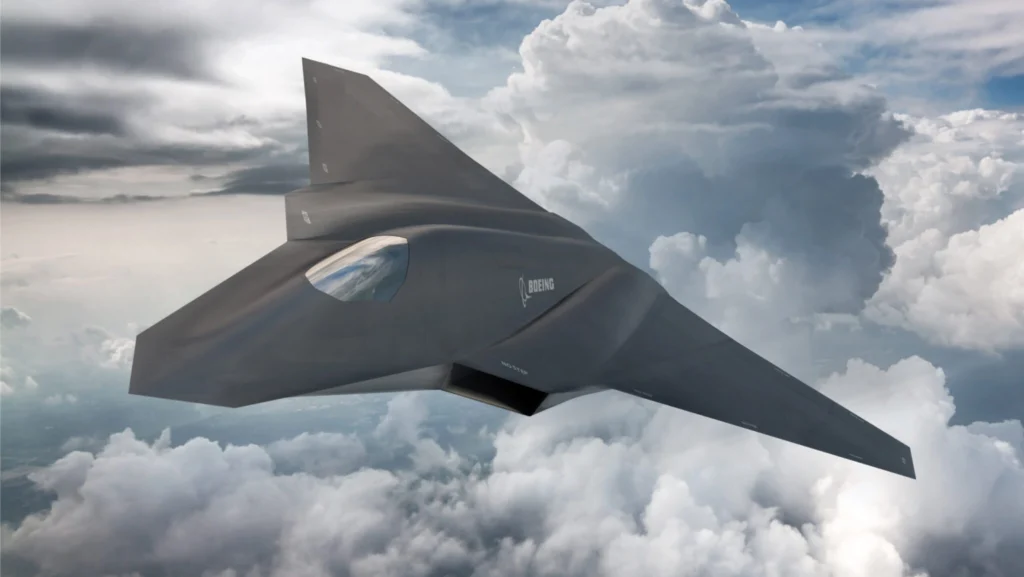
FCAS was widely viewed as Europe’s answer to emerging sixth-generation combat aircraft programs in the United States and other major military powers. Its cancellation leaves a significant gap in Europe’s long-term air combat roadmap.
Industry observers note that the failure highlights the challenges of multinational defense cooperation, particularly when participating nations have different military requirements.
France wanted a fighter capable of operating from aircraft carriers and supporting its nuclear deterrence mission, while Germany had different operational priorities.
The end of the program also raises questions about the future of European aerospace collaboration.
Although the broader FCAS framework may survive through drone and networking projects, the flagship fighter aircraft has effectively been shelved.
Future Fighter Plans After FCAS Collapse
Attention is now shifting toward alternative paths for the participating nations.
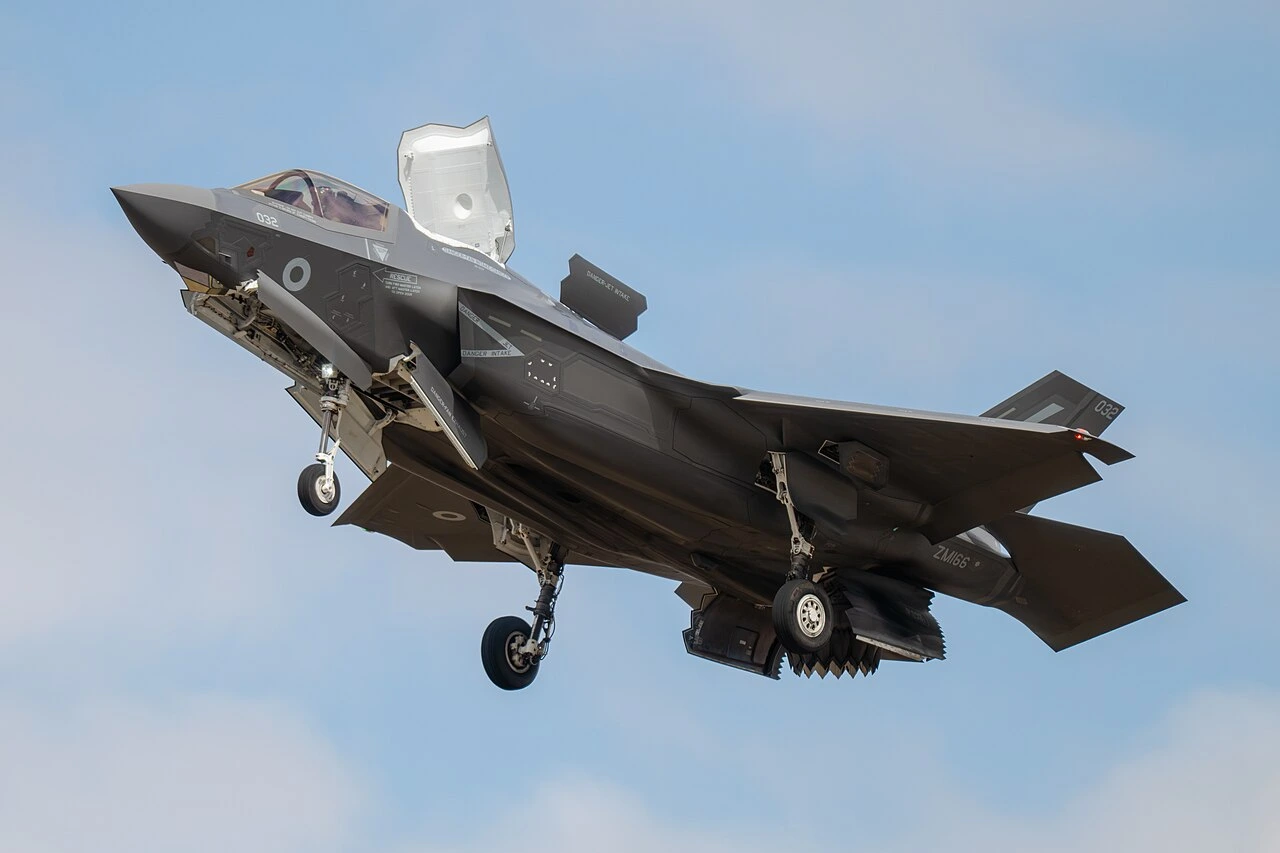
Germany could expand its acquisition of Lockheed Martin’s F-35 Lightning II fleet, although the aircraft does not offer the sixth-generation capabilities originally envisioned under FCAS, Simple Flying flagged.
Another possibility is closer involvement with the Global Combat Air Programme (GCAP), led by the United Kingdom, Italy, and Japan. The program is progressing toward the development of its own next-generation fighter platform.
France, meanwhile, may choose to pursue an independent fighter aircraft program that aligns with its national defense requirements. Such an approach would give Paris greater control over technology development and export policies.
Spain also faces important decisions after investing in FCAS for several years. Reports suggest Madrid continues to explore partnerships that would preserve sovereign control over future combat aircraft capabilities while supporting Europe’s defense-industrial base.
Stay tuned with us. Further, follow us on social media for the latest updates.
Join us on Telegram Group for the Latest Aviation Updates. Subsequently, follow us on Google News
