


Africa is often spoken about as an affordable region, especially when compared to Europe or North America. But that assumption doesn’t always hold up, at least not anymore. In 2026, data from Numbeo shows that several African countries are becoming increasingly expensive places to live, particularly when you consider local income levels.
What makes the African cost-of-living story a bit more complex is that prices alone don’t tell the full picture. In many of these countries, everyday expenses – things like rent, groceries, fuel, and utilities – may not appear extremely high on a global scale. However, when compared to average wages, they become significantly more burdensome. This gap between income and expenditure is what truly defines affordability across much of the continent.
There are also structural factors at play. Many African economies rely heavily on imports for essential goods, which makes them vulnerable to global price fluctuations. Add to that currency instability, infrastructure limitations, and rapid urbanisation, and you begin to see why living costs can rise quickly—even in places traditionally seen as low-cost.
Most Expensive Countries to Live in Africa in 2026
Here are the top 10 most expensive countries to live in Africa in 2026, based on Numbeo’s latest data.
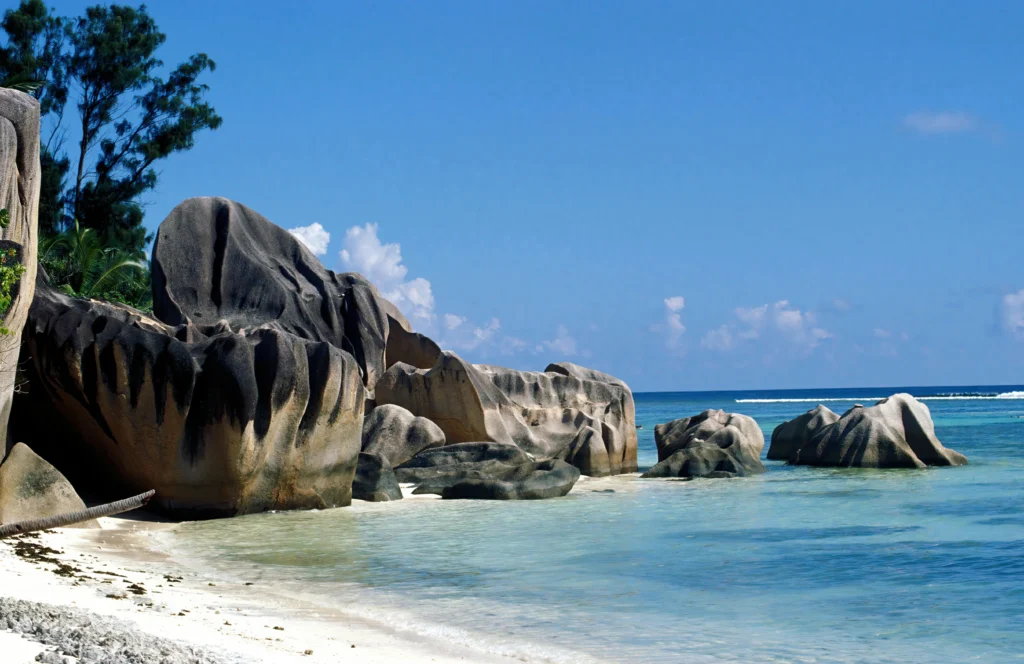
1. Seychelles
Seychelles takes the top spot, and quite comfortably so.
The reasons are fairly straightforward. As a small island nation, Seychelles relies heavily on imports for nearly everything—food, fuel, construction materials, and even basic consumer goods. That reliance pushes prices up across the board. Groceries can be particularly expensive, often costing significantly more than in mainland African countries.
Tourism also plays a role. Seychelles is positioned as a luxury destination, which means many services and amenities are priced with international visitors in mind rather than local residents. Housing is another major expense, with limited land availability driving up both rental and purchase costs.
Despite the high cost of living, Seychelles offers a high quality of life, clean environments, and strong tourism-driven economic stability. Still, affordability remains a challenge for many locals.
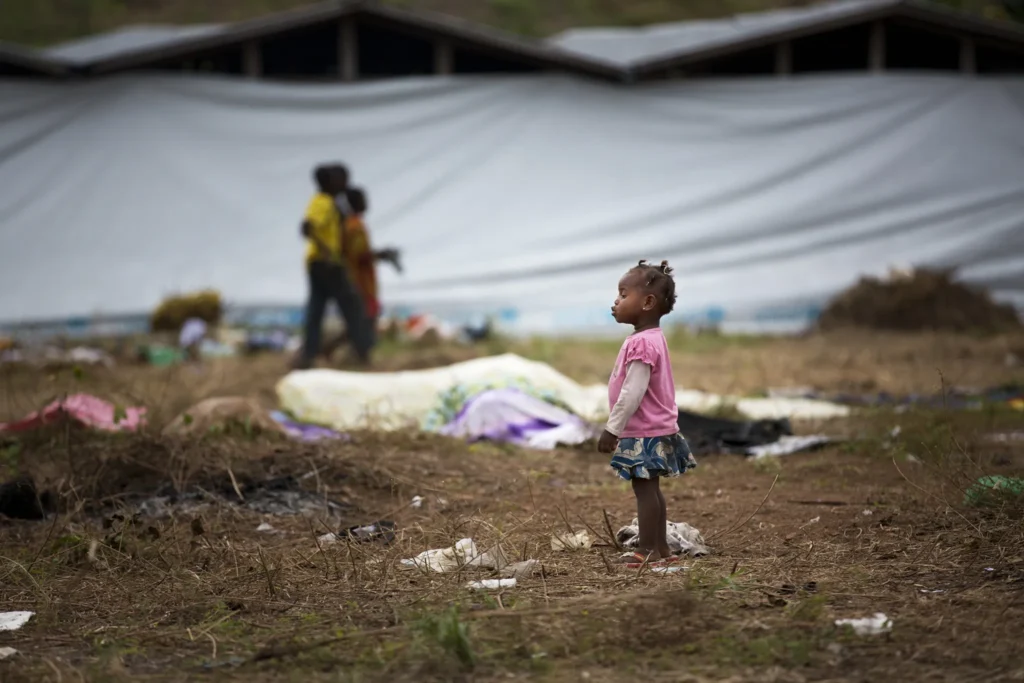
2. Democratic Republic of the Congo
Democratic Republic of the Congo ranks second, though the reasons here are quite different.
This is not a case of luxury pricing or high-end living – it’s more about structural inefficiencies. Poor infrastructure, limited supply chains, and reliance on imports all contribute to elevated prices for everyday goods.
In cities like Kinshasa, housing can be expensive relative to income, while groceries and utilities also take up a large portion of household budgets. Even basic services can be costly due to limited availability.
The key issue here is affordability. While prices may not always seem extreme in global terms, they are high relative to local wages, making daily life financially challenging for many residents.

3. Senegal
Senegal continues to see rising living costs, particularly in urban areas.
Dakar, the capital, has experienced rapid growth in recent years. With that growth comes increased demand for housing, which has pushed up rental prices. Imported goods also contribute to higher grocery costs, as local production does not always meet demand.
Dining out, transportation, and utilities are becoming more expensive as well, especially in central areas. While Senegal has a relatively stable economy compared to some of its neighbours, the cost of living is rising at a pace that many incomes struggle to match.
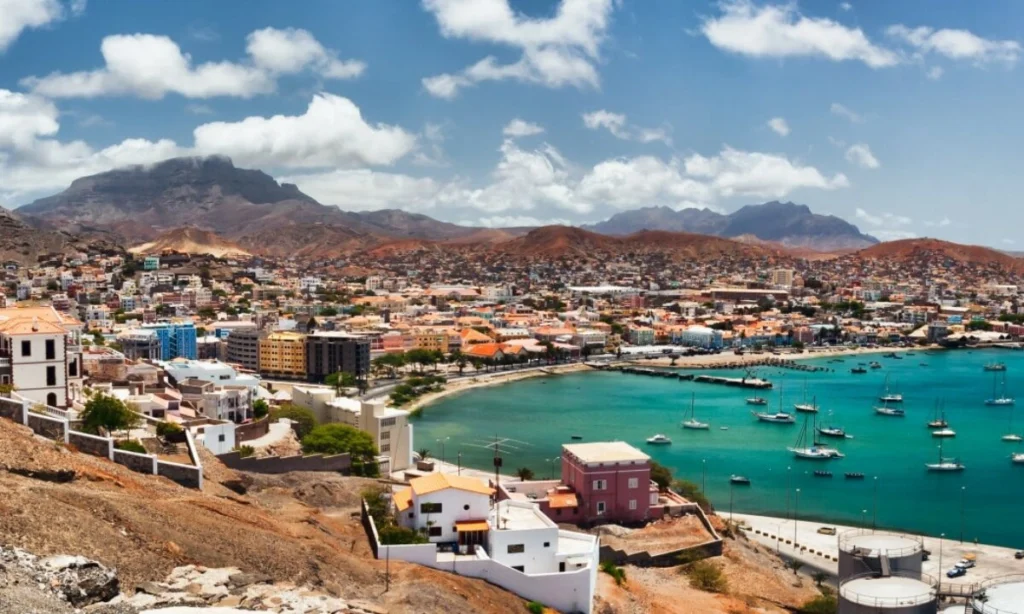
4. Cape Verde
Cape Verde is another island economy facing similar challenges to Seychelles.
Limited natural resources mean the country depends heavily on imports, which increases the cost of everyday goods. Groceries, fuel, and even basic household items tend to be more expensive than in mainland Africa.
Tourism also influences pricing, particularly in popular areas. As more visitors arrive, prices for accommodation, dining, and services tend to rise. Housing is a particular concern, with demand often exceeding supply.
Despite these challenges, Cape Verde offers a relatively high standard of living and a stable political environment, which continues to attract both tourists and expatriates.
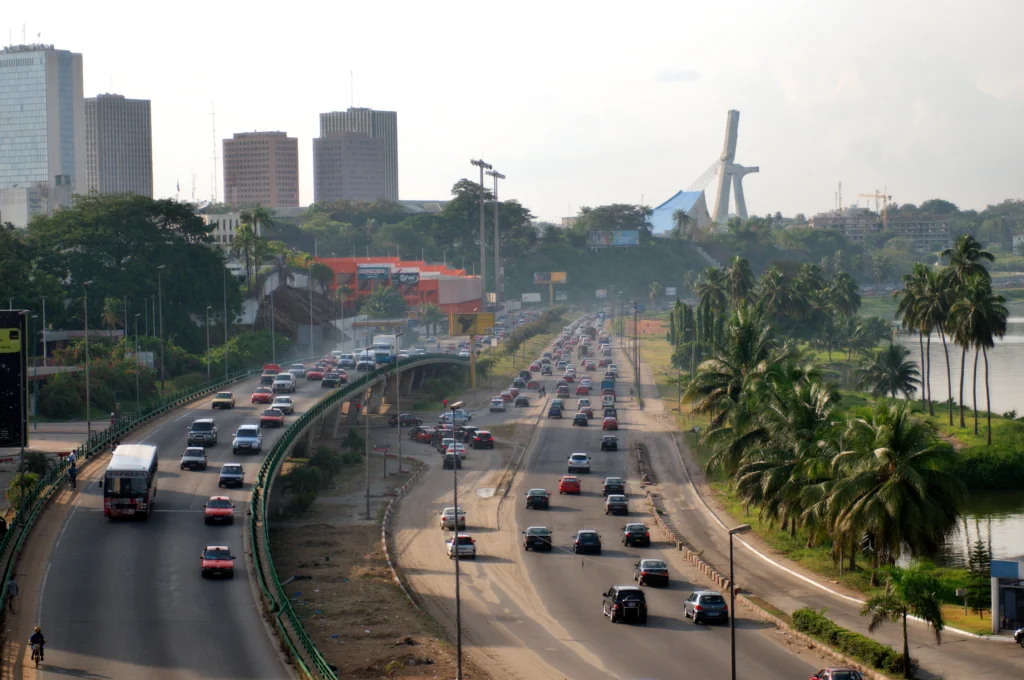
5. Ivory Coast
Ivory Coast, also known as Côte d’Ivoire, is one of the fastest-growing economies in the region, but that growth comes with rising costs.
In Abidjan, the economic hub, housing prices have increased significantly. Modern developments, increased demand, and urban expansion have all contributed to higher rents and property prices.
Groceries and utilities are also becoming more expensive, particularly for imported goods. While economic growth has improved opportunities, it has also widened the gap between high-income and low-income residents.

6. Angola
Angola has long been associated with high living costs, especially in its capital, Luanda.
Despite being rich in oil resources, Angola faces significant challenges when it comes to supply chains and domestic production. Many goods are imported, which drives up prices.
Housing is particularly expensive, with rental costs in Luanda often ranking among the highest in the world for expatriates. Utilities and services also add to the overall expense.
Currency fluctuations and inflation further complicate the situation, making it difficult for residents to maintain stable purchasing power.

7. Ethiopia
Ethiopia is an interesting case, as it has traditionally been considered more affordable.
However, in recent years, rising inflation and economic pressures have pushed up living costs. In Addis Ababa, housing prices have increased, and food costs have followed a similar trend.
Supply chain issues and limited infrastructure also contribute to higher prices for goods and services. While wages have not kept pace with these increases, affordability has become a growing concern.

8. Cameroon
Cameroon faces a combination of economic and structural challenges that contribute to its cost of living.
Import dependence plays a significant role, particularly for food and manufactured goods. Infrastructure limitations also make transportation and logistics more expensive, which in turn raises prices for consumers.
Cities like Douala and Yaoundé are particularly affected, with higher costs for housing, utilities, and services compared to rural areas.
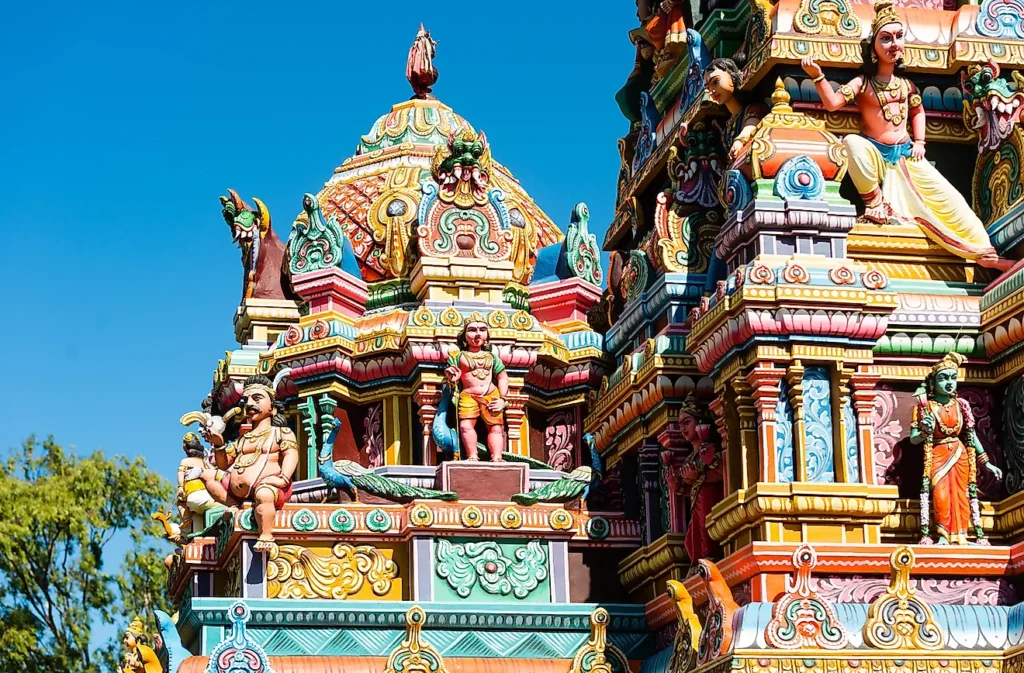
9. Mauritius
Mauritius is one of Africa’s most developed economies, and also one of its most expensive.
As an island nation, it relies heavily on imports, which drives up the cost of groceries and everyday goods. Housing is also relatively expensive, especially in areas popular with expatriates.
However, Mauritius offers strong infrastructure, good healthcare, and a high quality of life. Salaries are generally higher than in many other African countries, which helps offset some of the costs.
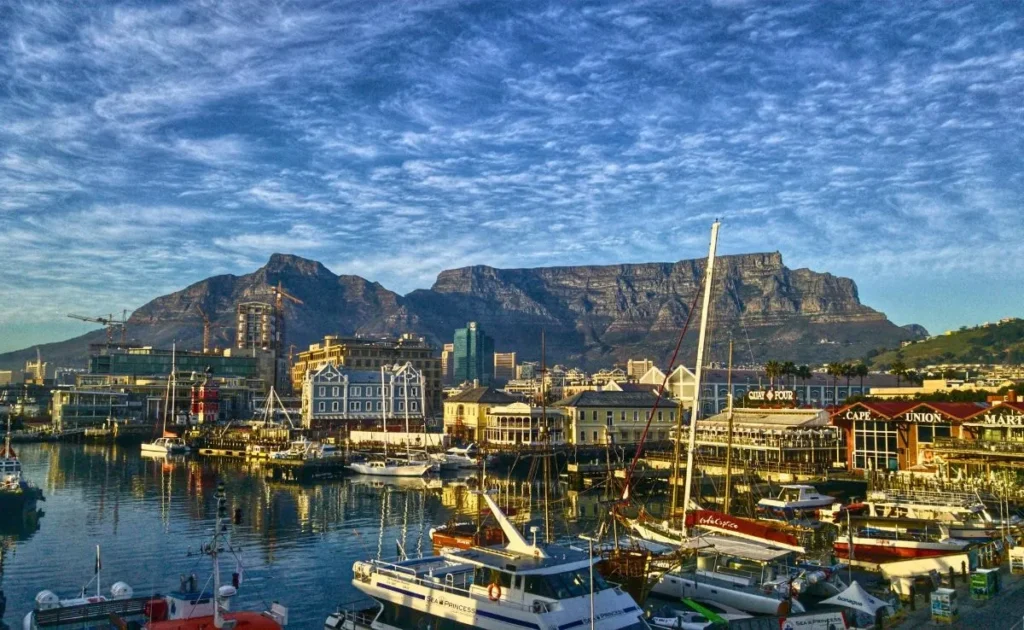
10. South Africa
South Africa completes the list.
While it may not be as expensive as some others here, it still ranks among the higher-cost countries on the continent. In cities like Cape Town and Johannesburg, housing prices have risen steadily, particularly in desirable neighbourhoods.
Groceries, utilities, and transport costs are also increasing. However, South Africa offers a relatively diverse economy, better infrastructure, and more employment opportunities compared to many other countries on this list.
The key challenge remains inequality – while some residents can comfortably afford the cost of living, others face significant financial pressure.

Bottom Line
The 2026 rankings from Numbeo highlight a crucial reality – Africa’s most expensive countries are shaped by structural challenges rather than just wealth.
Perhaps most importantly, these rankings show that the cost of living is relative. In many of these countries, the real challenge isn’t just high prices; it’s the gap between income and expenses.
For anyone considering moving to or working in Africa, understanding this balance is key. What may seem affordable on paper can feel very different in reality.
Most Expensive Countries in Africa FAQs
Numbeo uses user-submitted data on prices of groceries, rent, transport, and services, comparing them against a global benchmark.
Because they rely heavily on imports, which increases the cost of food, fuel, and everyday goods significantly.
Not overall, but in many countries, low incomes make even moderate prices feel expensive, which is why affordability varies widely across the continent.
Stay tuned with us. Further, follow us on social media for the latest updates.
Join us on Telegram Group for the Latest Aviation Updates. Subsequently, follow us on Google News
