

Europe has always carried a certain image of efficient cities, reliable public systems, strong economies, and a lifestyle that many people around the world aspire to. But in 2026, that image comes with a clear reality check: living in many parts of Europe is expensive, sometimes surprisingly so.
According to data from Numbeo, several countries stand out for consistently high costs across housing, groceries, transport, and everyday services.
The Cost of Living Index used in these rankings reflects what people actually spend daily. It considers everything from rent and utilities to eating out and commuting. A higher index means significantly higher costs compared to global averages. What’s interesting, though, is that these countries are not expensive without reason.
In most cases, they offer strong wages, high purchasing power, and excellent public infrastructure—but even then, affordability can be a challenge, especially in major cities.
Another important factor is how Europe’s economic structure has evolved. Urbanisation, housing shortages, and inflationary pressures have pushed prices upward in many countries. At the same time, demand for living in these places remains strong, particularly among expatriates and professionals. This combination of high demand and limited supply keeps costs elevated.
Most Expensive Countries to Live in Europe in 2026
Here are the top 10 most expensive countries to live in Europe in 2026.
1. Switzerland
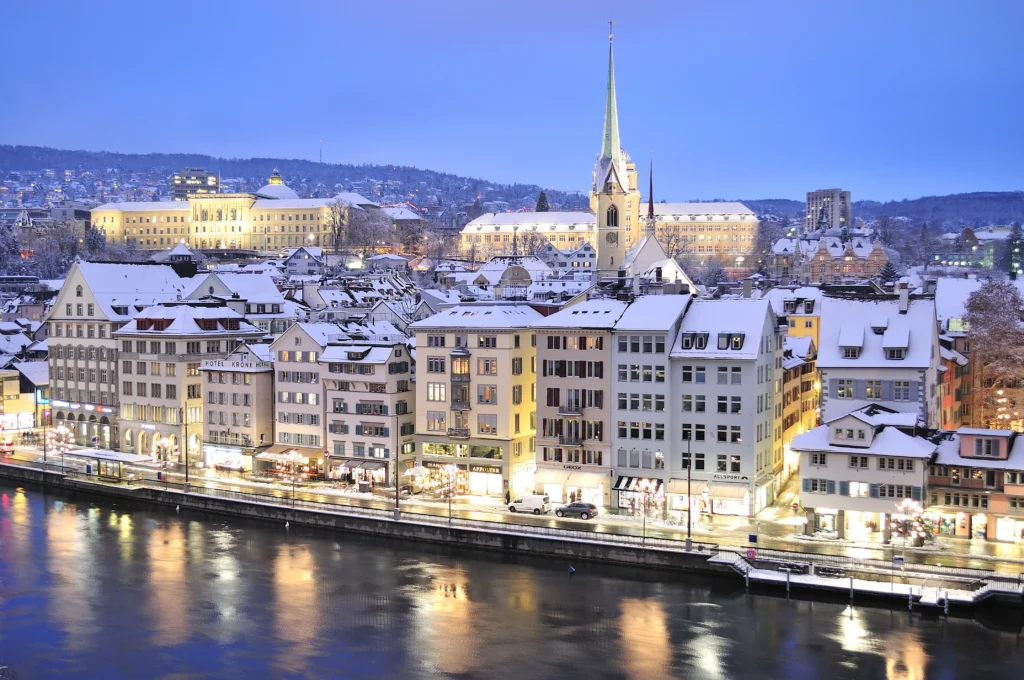
Switzerland remains the most expensive country in Europe and arguably one of the most expensive in the world.
Daily life here comes at a premium. Groceries, dining, transport, and services all cost significantly more than in most other countries. Even simple things like a cup of coffee or a short train ride can feel expensive if you’re not used to Swiss prices. Housing is another major factor. Cities like Zurich and Geneva consistently rank among the most expensive globally, with both rent and property prices reaching very high levels.
However, Switzerland also offers some of the highest salaries in the world. Strong purchasing power, excellent healthcare, and efficient public services help balance the high costs. Still, even with a good income, managing expenses requires careful planning.
2. Iceland
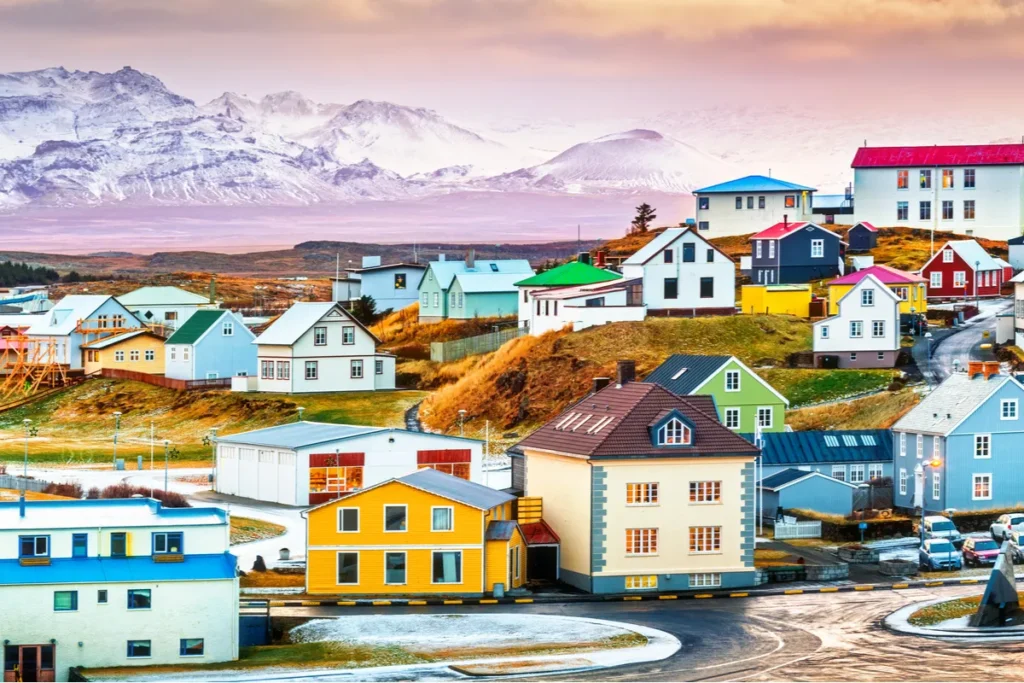
Iceland takes second place, largely due to its geographic isolation.
Because Iceland is an island located far from mainland Europe, it relies heavily on imports for many goods. This naturally drives up the cost of groceries, fuel, and everyday items. Dining out can be particularly expensive, as labour costs are high and ingredients often need to be imported.
Housing in Reykjavik has also become more expensive over time, as demand has increased. Despite this, Iceland offers a high standard of living, low crime rates, and a strong sense of community. For many residents, these benefits help justify the cost.
3. Jersey
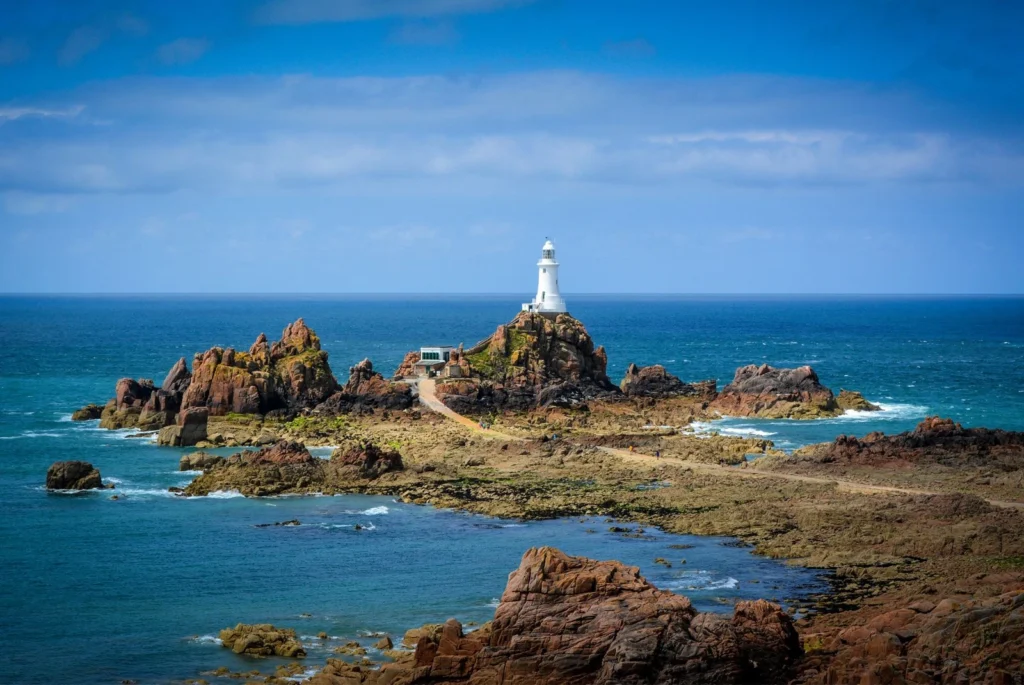
Jersey ranks third and stands out as one of Europe’s most expensive smaller territories.
Its limited size means land is scarce, which directly affects housing prices. Property costs are high, and rental options can be limited. Being an island also means that many goods need to be imported, which increases the price of groceries and other essentials.
Jersey’s strong financial services sector contributes to higher wages, but it also pushes up the cost of living. The overall lifestyle is comfortable, but it comes at a price.

4. Norway
Norway is known for its wealth and its high costs.
Everyday expenses, particularly groceries and dining, are among the highest in Europe. This is largely due to high wages and labour costs, which are reflected in the prices of goods and services. Eating out in Norway, for example, can be significantly more expensive than in many other countries.
Housing in cities like Oslo is also costly, although slightly more manageable compared to Switzerland. In return, Norway offers world-class public services, including healthcare, education, and infrastructure.
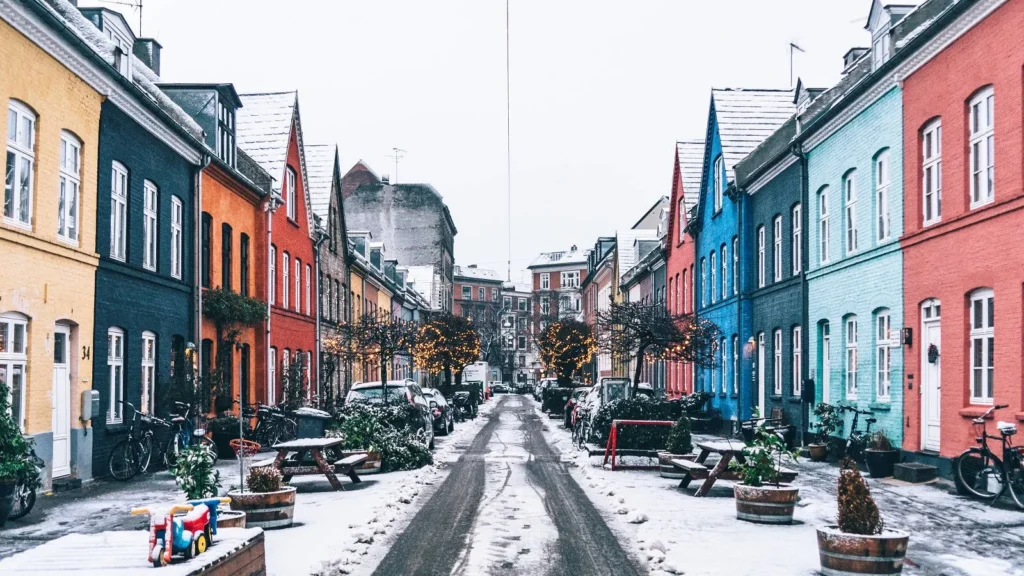
5. Denmark
Denmark combines high living costs with high taxation.
Dining, transport, and everyday services are all relatively expensive. Restaurants, in particular, tend to be costly due to labour expenses and taxes. However, these taxes fund a strong welfare system that includes free healthcare and education.
Copenhagen, the capital, is one of the most expensive cities in Europe. Still, Denmark consistently ranks highly in quality-of-life surveys, which makes the cost more acceptable for many residents.
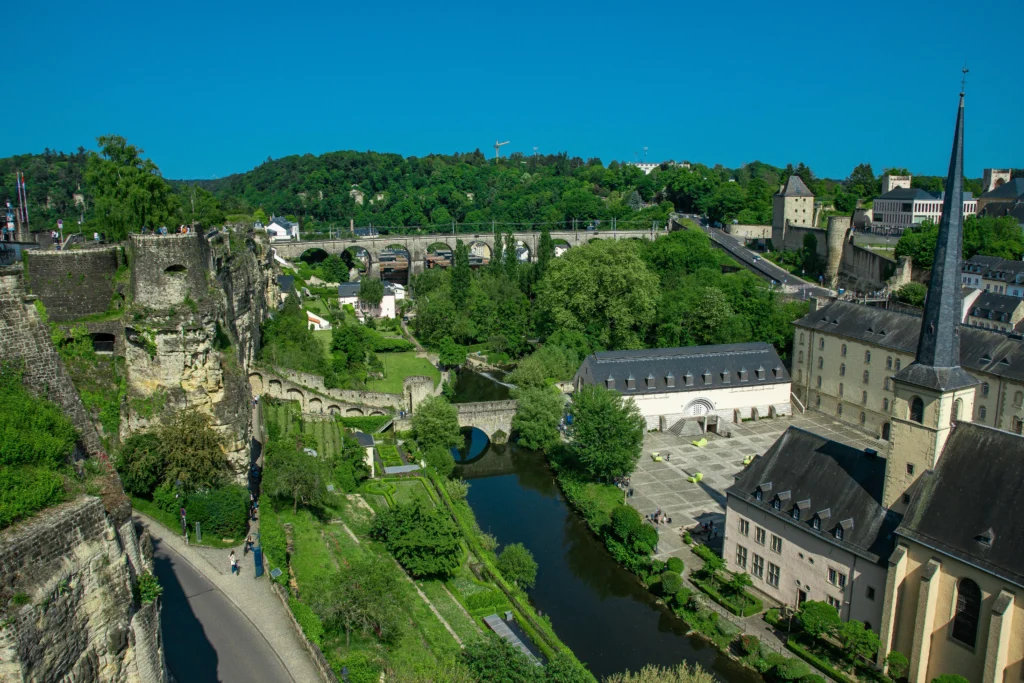
6. Luxembourg
Luxembourg is one of the wealthiest countries in Europe and that wealth is reflected in its cost of living.
Housing is the biggest challenge here. With limited space and high demand, property prices and rents have risen sharply in recent years. Groceries and services are also above average in terms of cost.
Luxembourg’s strong financial sector ensures high salaries, but even with that advantage, the overall expense level remains high. It’s a small country with high costs.

7. Isle Of Man
The Isle of Man ranks seventh due to its unique economic and geographic situation.
Like other island economies, it faces higher costs due to reliance on imports. Goods, fuel, and even construction materials tend to be more expensive. Housing is also relatively costly, particularly in desirable areas.
However, the Isle of Man offers a peaceful lifestyle, low crime rates, and a strong sense of community, which continues to attract residents despite the costs.
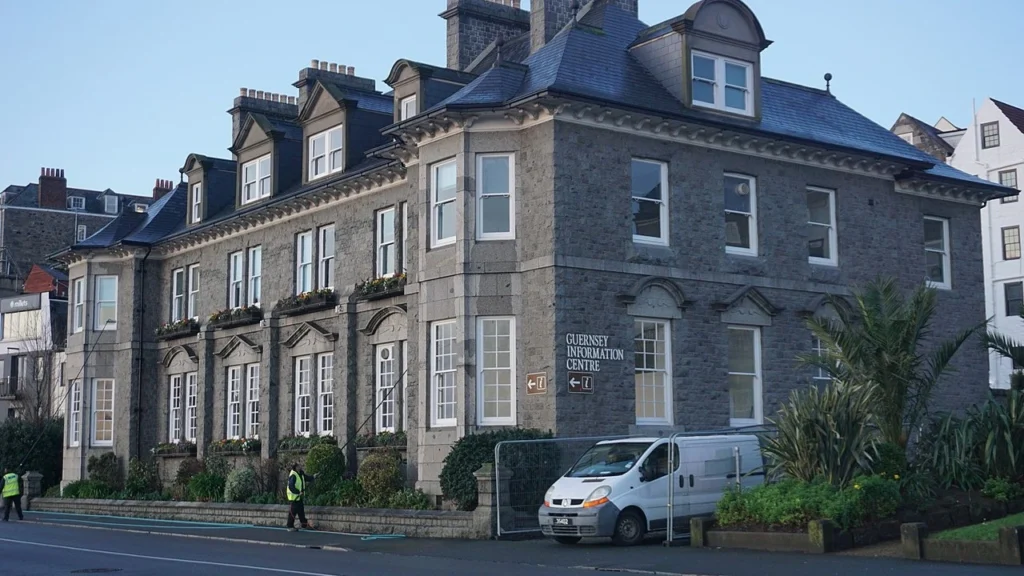
8. Guernsey
Guernsey shares many characteristics with Jersey.
Housing is expensive due to limited land availability, and imported goods drive up the cost of living. Services and dining are also priced higher than in mainland Europe.
Like Jersey, Guernsey benefits from a strong financial sector, which supports higher wages. Still, the cost of living remains a significant factor for residents.
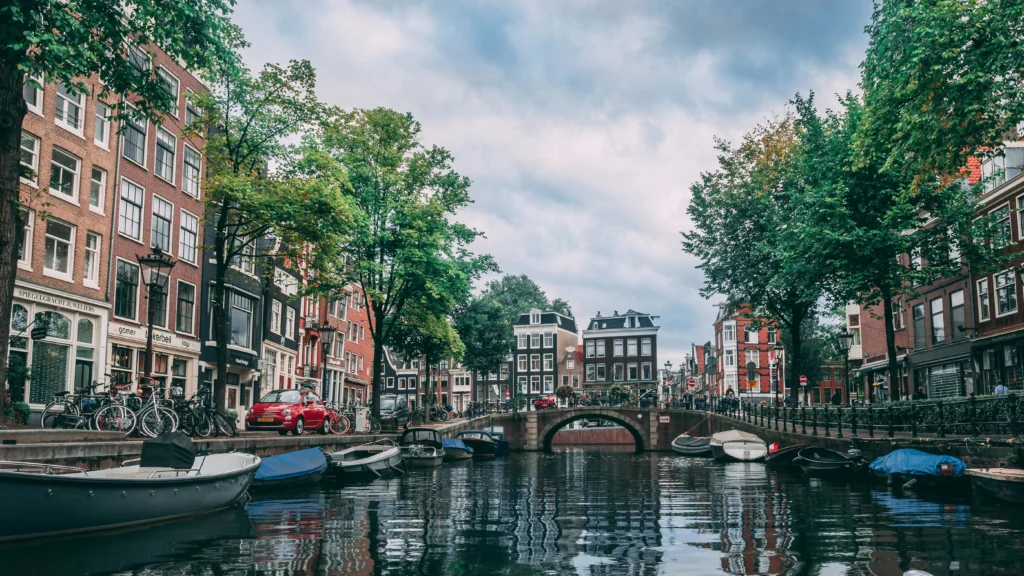
9. Netherlands
The Netherlands has seen a noticeable rise in living costs over recent years.
Housing is the biggest issue, particularly in cities like Amsterdam, where demand far exceeds supply. Rental prices have increased significantly, making it difficult for many people to find affordable accommodation.
Groceries, transport, and services are also relatively expensive, though not as extreme as in Switzerland or Norway. The Netherlands offers excellent infrastructure, healthcare, and work-life balance, which helps offset the higher costs.
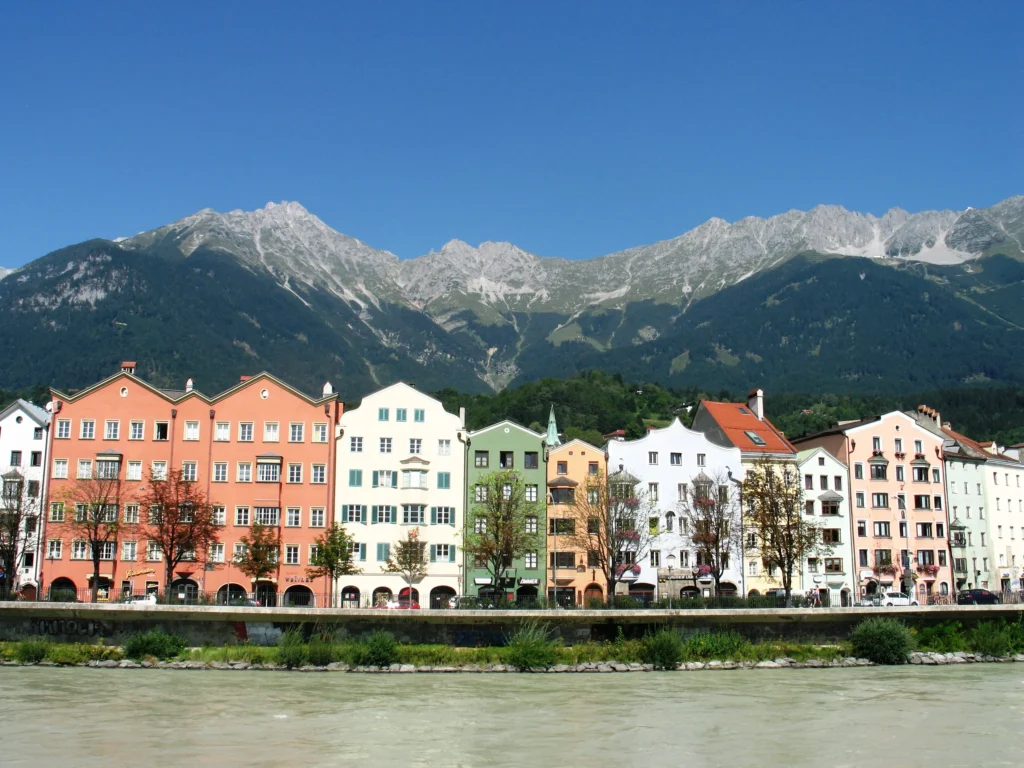
10. Austria
Austria completes the list.
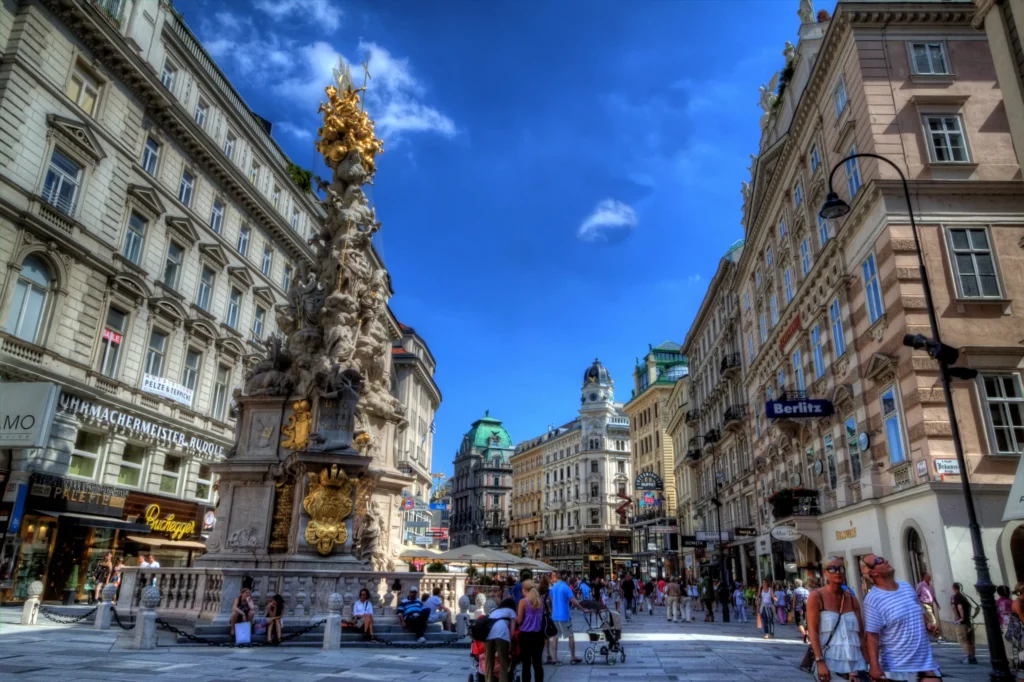
While slightly more affordable than the other countries mentioned, Austria still ranks among the more expensive places to live in Europe. Vienna, in particular, offers a high quality of life but comes with rising housing and living costs.
Groceries, dining, and utilities are moderately expensive, though generally more manageable compared to countries like Switzerland or Iceland. Austria strikes a balance; it’s costly, but not overwhelmingly so.
Bottom Line
The 2026 rankings from Numbeo make one thing clear: Europe’s most expensive countries are not just defined by high prices, they are defined by what those prices offer in return.
Ultimately, living in these countries can be incredibly rewarding, but it requires realistic expectations and careful financial planning. High quality of life often comes with a high price tag, and in Europe, that balance is more evident than ever in 2026.
Best Countries in Europe FAQs
Numbeo uses user-submitted data on prices for rent, groceries, transport, and services to create a comparative index.
Countries like Denmark and Norway have high wages and taxes, which increase the cost of goods and services.
It depends on your income and priorities. Many of these countries offer excellent healthcare, infrastructure, and job opportunities, which can justify the higher costs for some people.
Stay tuned with us. Further, follow us on social media for the latest updates.
Join us on Telegram Group for the Latest Aviation Updates. Subsequently, follow us on Google News
