

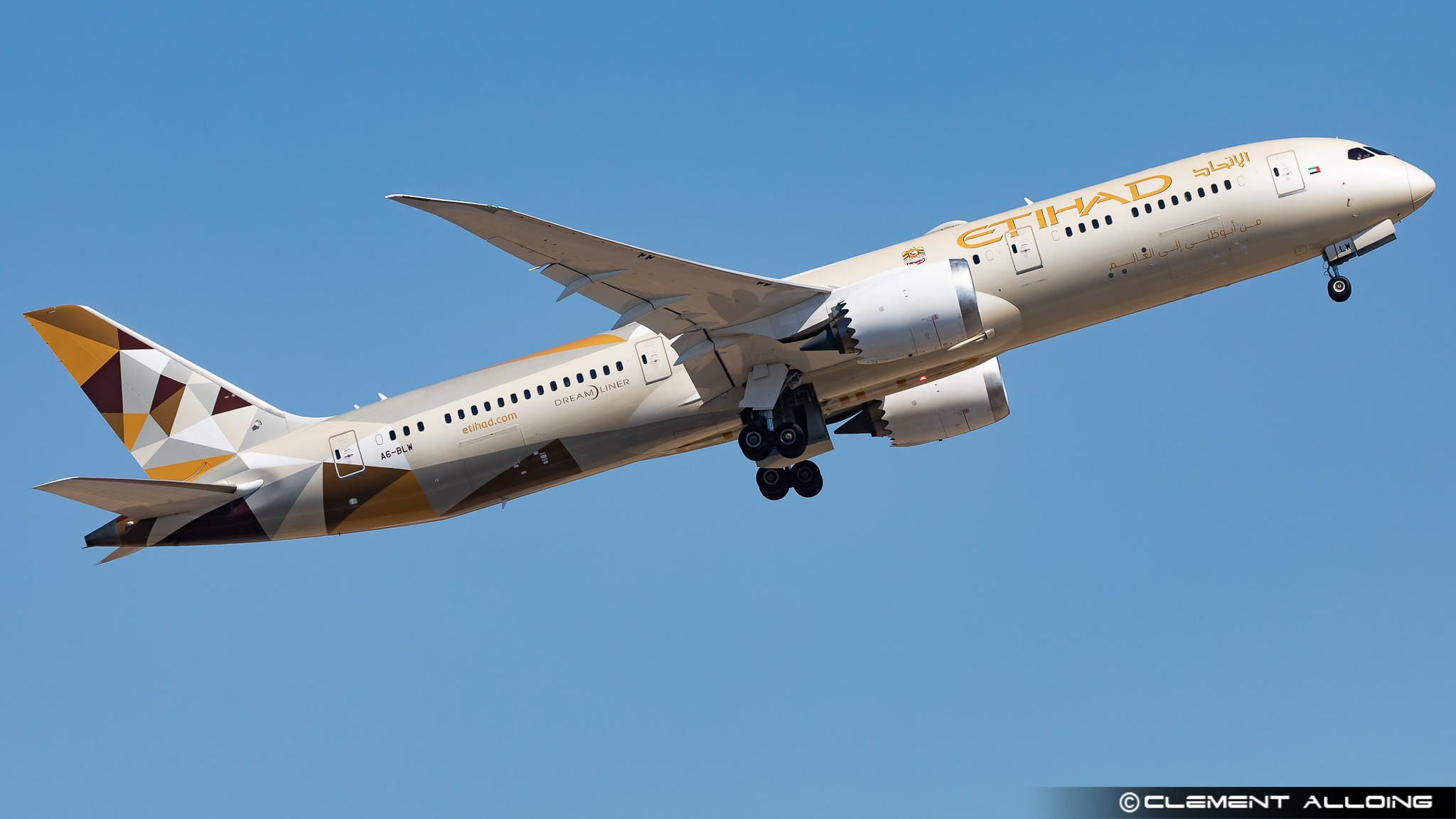
ABU DHABI- Etihad Airways (EY) plans to push its capacity beyond pre-conflict levels within days while finalizing a major new widebody aircraft order, chief executive Antonoaldo Neves has confirmed. The Abu Dhabi-based carrier, which operates from Abu Dhabi Zayed International Airport (AUH), is moving ahead with expansion despite continuing uncertainty across the Middle East.
The airline currently runs up to 78% of its pre-war schedule, but Neves expects EY to operate around 8% more capacity by June 15 than it did before late February. He shared the update at the International Air Transport Association (IATA) annual general meeting in Brazil, striking an optimistic tone on demand recovery through the Persian Gulf.
Etihad Pre-War Capacity Levels
Etihad scaled its network back when regional airspace closed at the start of the conflict, which the source dates to February 28 and links to the U.S. and Israeli confrontation with Iran.
The carrier temporarily grounded flights during this period, though Abu Dhabi saw far less disruption than neighboring Dubai (DXB), which absorbed the heaviest impact of the regional tensions.
Abu Dhabi Zayed International Airport came through Iran’s reported wave of ballistic missiles and drones in March and April largely unscathed. One civilian died when debris from a low-altitude drone interception fell near the airport. From a low of 78% of its pre-war schedule, the airline now expects to operate at roughly 108% of its late-February levels by June 15.
According to PYOK, Neves wants to keep as many aircraft flying as possible rather than parking them, arguing that a grounded plane costs more than one in active service. This logic anchors his cost approach as the airline scales operations back up.
A New Widebody Order in the Works
Neves confirmed the carrier is preparing a “double-digit” widebody order but declined to share further details.
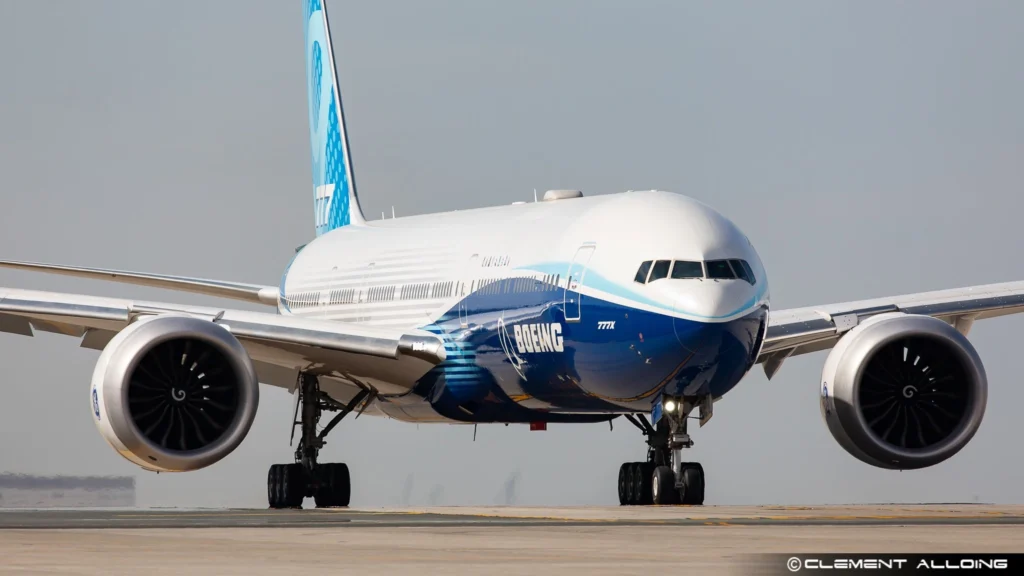
The new commitment would build on a previous deal placed last May for 28 additional widebody Boeing jets, which included 787 Dreamliners and the yet-to-be-certified 777X.
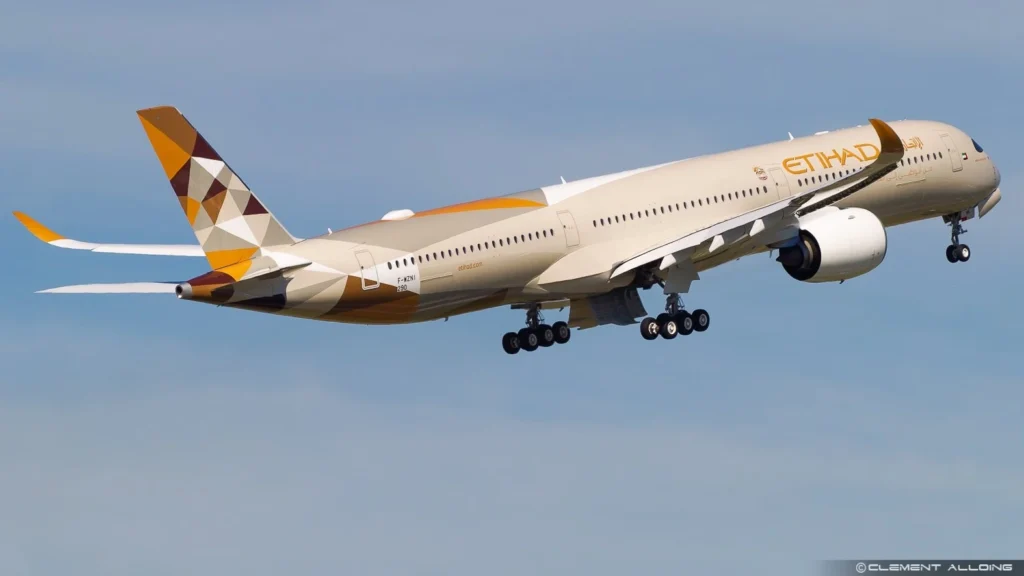
The Boeing 787 Dreamliner now serves as the workhorse of the Etihad fleet. The airline also operates the Boeing 777 and the Airbus A350-1000 on its long-haul network, giving it a flexible mix for both high-density and premium routes.
Journey 2030 Drives Network and Fleet Growth
Neves joined Etihad to accelerate its growth after years of cautious recovery. His “Journey 2030” transformation program targets a network of 125 global destinations and a fleet that doubles in size to 160 aircraft.
The plan marks a clear shift from the airline’s earlier survival mode. The airline has described this period as a pivotal turning point and the next phase of sustainable growth, with fleet and route expansion at its center.
From Heavy Losses to Sustained Profit
Etihad’s turnaround stands out in the industry. In 2016, the carrier reported a $1.87 billion loss after an equity investment strategy in second-tier airlines, paired with rapid expansion, collapsed.
The airline then brought in Tony Douglas to control costs. His aggressive cost-cutting program steadied the finances but, at one stage, risked shrinking Etihad into a small boutique carrier on the scale of Gulf Air (GF).
The strategy delivered results. In 2022, Etihad posted a core operating profit of $296 million, a sharp swing from a loss of nearly $400 million in the same period of 2021. Soon after, Abu Dhabi sovereign entity ADQ took full control of the Etihad Airways Group, and Douglas stepped aside for Neves to lead the next phase.
The momentum has held. In 2025, Etihad reported a post-tax profit of $698 million, while passenger numbers rose 21% year-on-year to 22.4 million.
Stay tuned with us. Further, follow us on social media for the latest updates.
Join us on Telegram Group for the Latest Aviation Updates. Subsequently, follow us on Google News
