

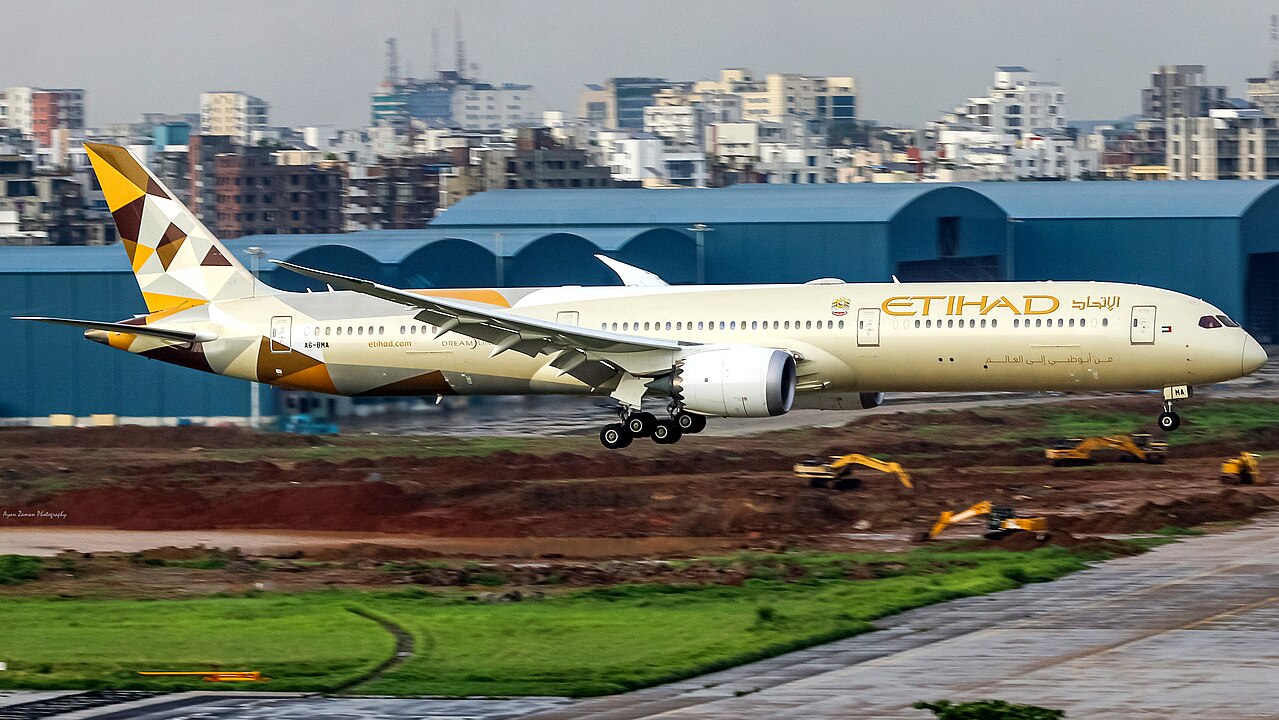
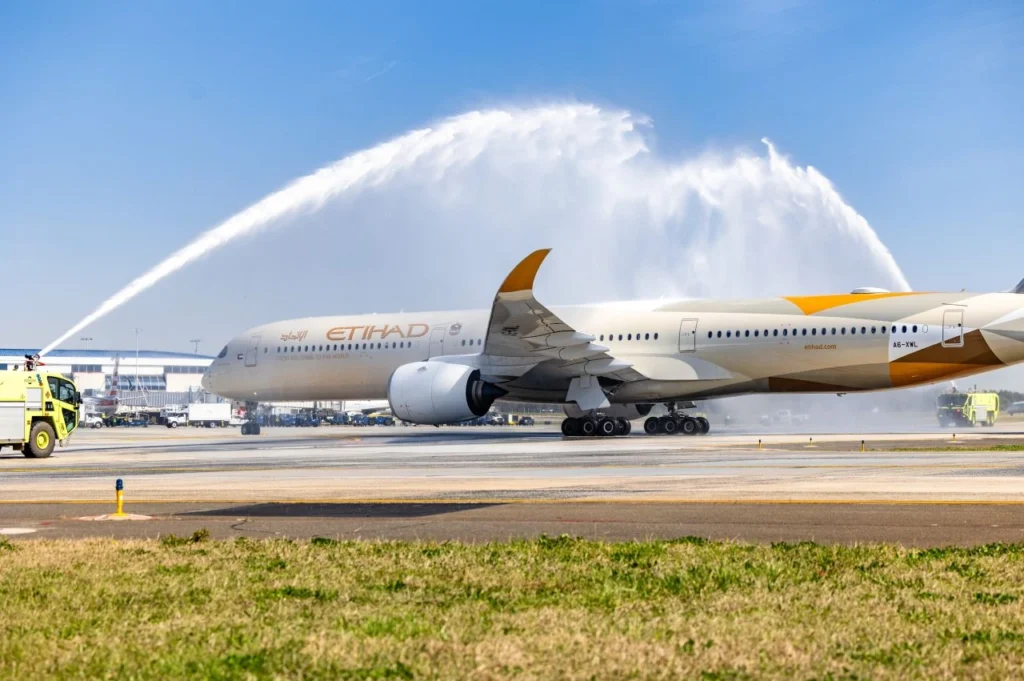
ABU DHABI- Etihad Airways (EY), the flag carrier of the UAE capital, announced this week that it will operate 42 weekly flights on its Tel Aviv route starting June 15, 2026. The move turns Ben-Gurion Airport (TLV) to Zayed International Airport (AUH) into one of the busiest routes in the airline’s entire network.
The expansion arrives as Israeli demand for travel to Asia rises steadily, while many foreign carriers still hold back from resuming flights to Tel Aviv (TLV) amid ongoing regional concerns.
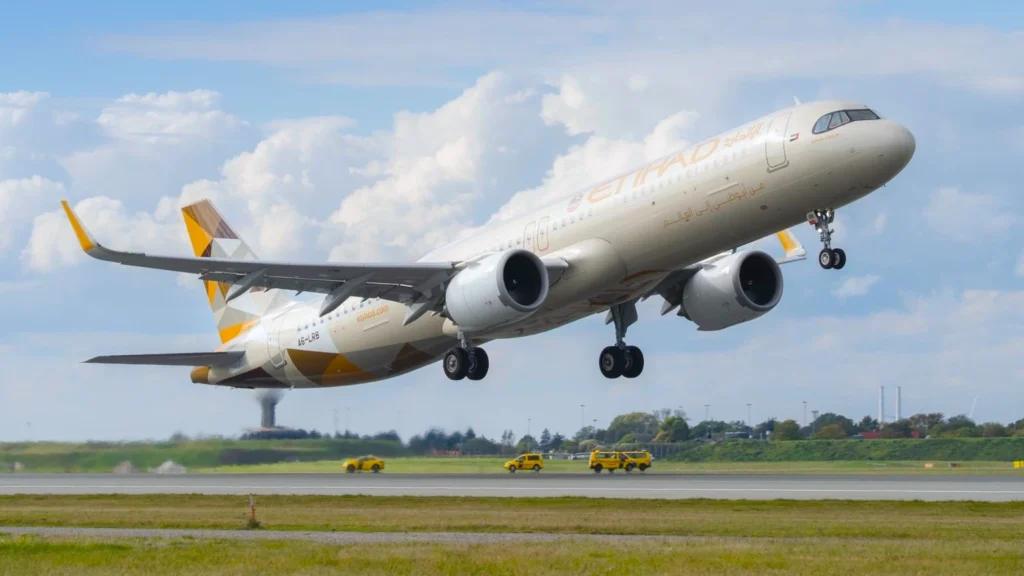
Etihad Strengthens Tel Aviv Flights
Etihad Airways will run six daily flights between Ben-Gurion Airport and Abu Dhabi from June 15. This frequency makes the TLV-AUH corridor the most traveled route in the carrier’s global network. The airline confirmed this growth even though most foreign carriers have not fully returned to Tel Aviv.
Passenger numbers support the decision. More than 100,000 travelers flew between Tel Aviv and Abu Dhabi during the first three months of the year. This figure marks a 30% increase compared to the same period last year, based on data published by Etihad.
The airline also noted that roughly 70% of these passengers used Abu Dhabi as a stopover. These travelers continued onward to destinations further east across Asia, which positions Abu Dhabi as a key transit hub for Israeli flyers, JPost flagged.
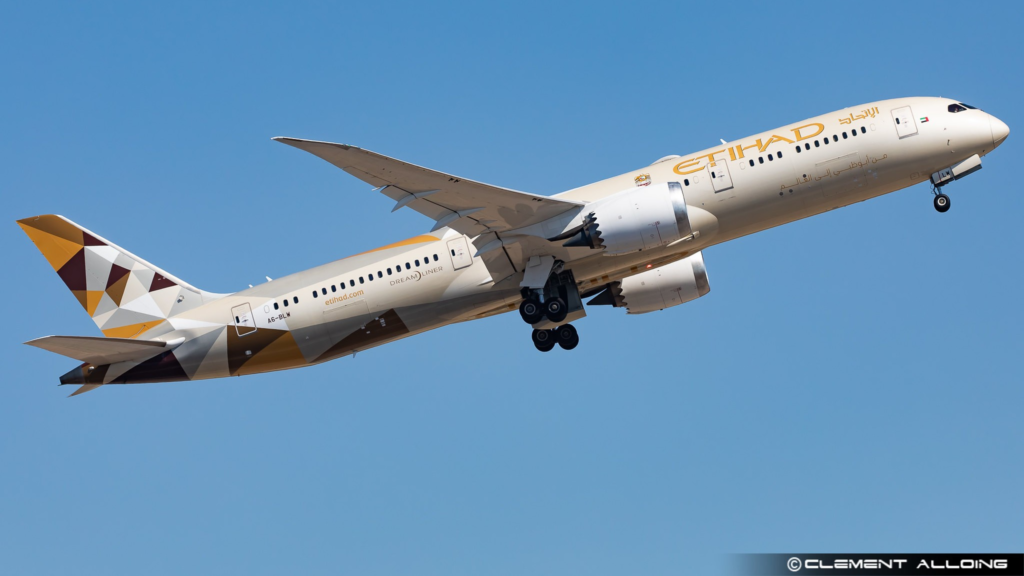
Competitive Pricing on High-Demand Asian Routes
Etihad released proposed fares for several popular flights tied to the expanded service. A round-trip ticket to Bangkok, Thailand, is expected to start at $974 without a checked bag and $1,014 with a checked bag.
The airline stated that these prices fall below the average market rate of $1,200 for similar routes.
This pricing strategy aims to attract Israeli travelers seeking value on long-haul journeys to Asia through the Abu Dhabi hub.
The Aviation Industry’s Gradual Return to Israel
Several major foreign carriers remain cautious about flying to Israel due to regional conflict risks. American Airlines (AA) confirmed it will not resume Tel Aviv flights before January 2027. Delta Air Lines (DL) and United Airlines (UA) are not expected to restart service this summer, and British Airways (BA) has extended its cancellations through August.
Other carriers have started to reverse course. Lufthansa Group (LH) announced it would resume flights to Israel beginning in June. Wizz Air (W6), the Hungarian budget carrier, said it would restart service as early as May 28.
These announcements followed an update from the European Aviation Safety Agency, which relaxed its recommendations on flights to Israel. The agency adjusted its guidance after the ceasefire between the United States and Iran held.
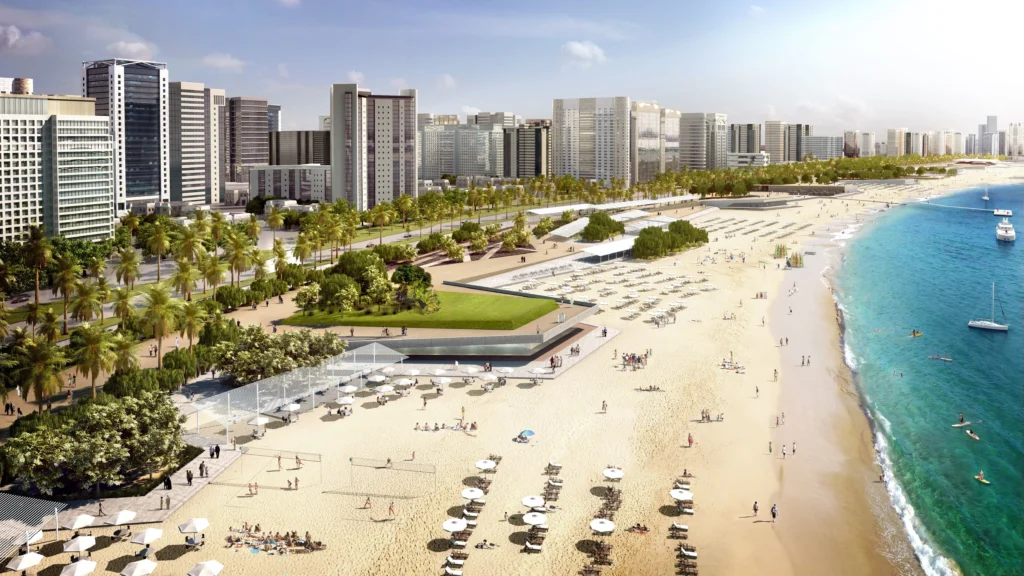
Abu Dhabi Travel Guide
Abu Dhabi is the capital of the United Arab Emirates (UAE) and a destination that moves well beyond sun, skyscrapers, and luxury hotels. It pairs pristine beaches and vast mangrove forests with world-class museums, a year-round sporting calendar, and a famously diverse dining scene.
Home to more than 200 nationalities and built around safe, multicultural communities, the emirate rewards travelers who want history, heritage, and an active outdoor lifestyle. This guide covers when to visit, where to go, what to eat, and how to travel responsibly.
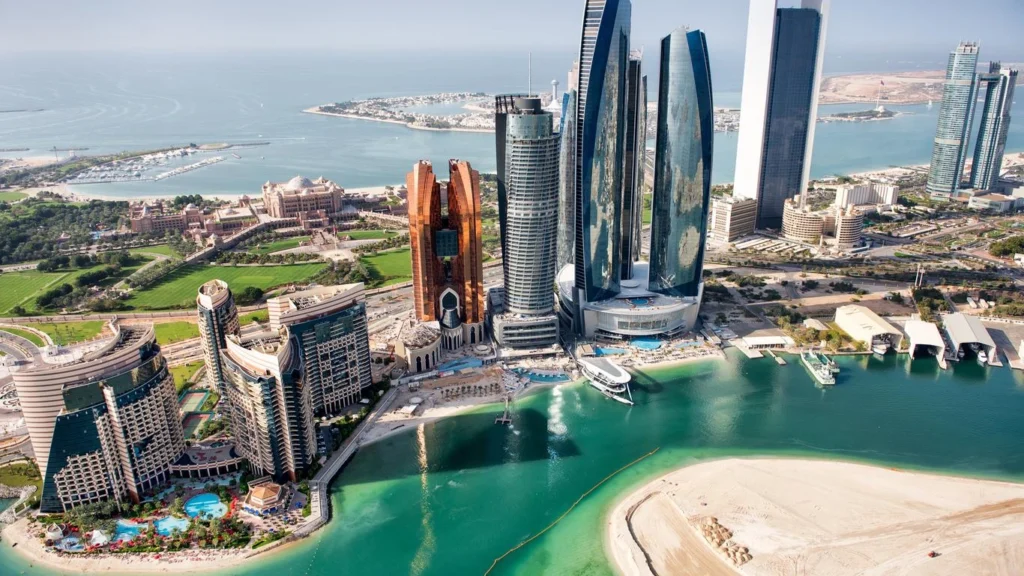
Why Abu Dhabi Stands Apart From Its Neighbors
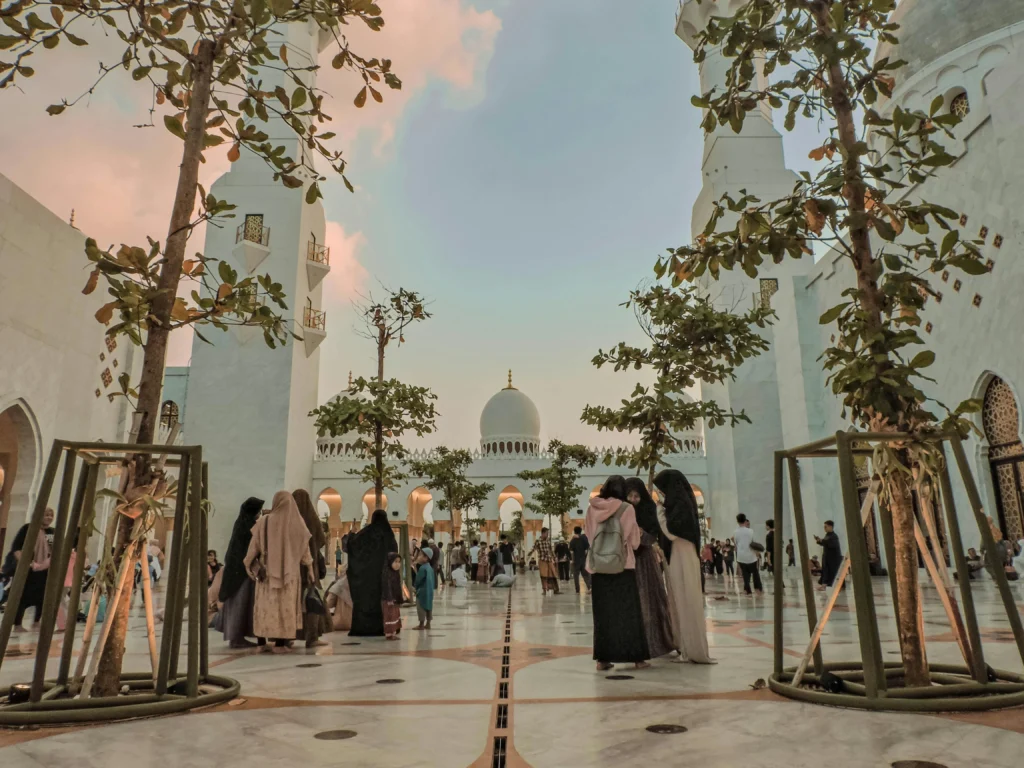
Often overshadowed by nearby Dubai, Abu Dhabi offers a quieter and more layered experience. The city protects Hawksbill turtles along its shores, preserves Bedouin desert traditions in the Liwa dunes, and showcases its rapid growth through landmarks like the Sheikh Zayed Grand Mosque and the gold and marble Qasr Al Watan.
Emirati citizens make up only about 20 percent of the population, which shapes a culture that blends Middle Eastern, Asian, and European influences across food, faith, and daily life.
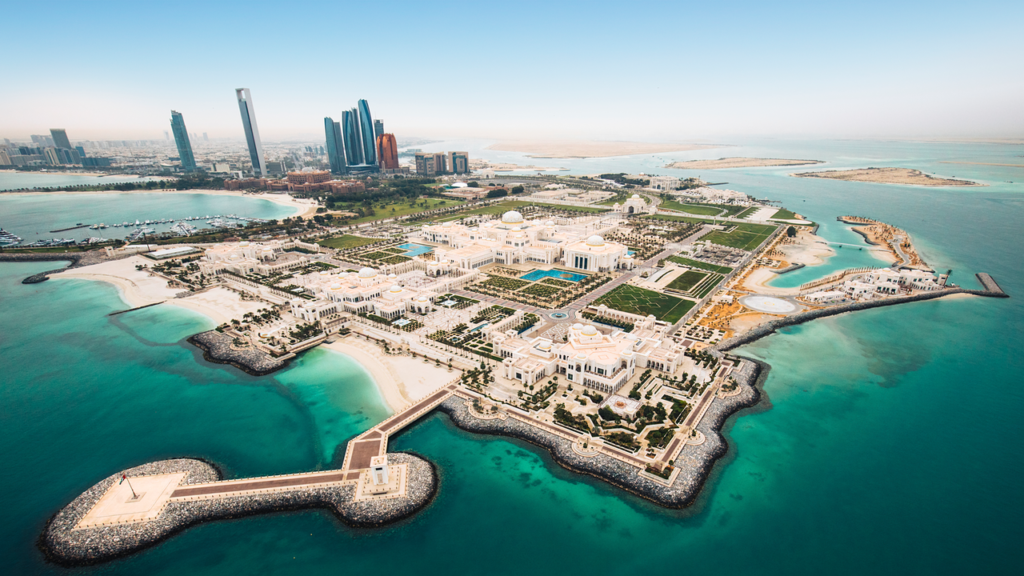
Best Time to Visit Abu Dhabi
Spring brings the most pleasant weather of the year. Visitors kayak around Jubail Mangrove Park, relax on Saadiyat Island, Hudayriyat Island, and the Abu Dhabi Corniche, and hike the towering Liwa Desert dunes that served as a backdrop for the Dune films.
The season also hosts Challenge Sir Bani Yas, the Middle East’s first long-distance triathlon, the shorter TriYAS event, and the UAE Tour cycle race. During Ramadan, travelers can enjoy lavish iftar buffets and the night markets of the Manarat Al Saadiyat Ramadan Arcade.
Summer is the low season, with average temperatures reaching 113°F. This is the time for bargain hotel deals, pool day passes, and indoor attractions. Highlights include the National Aquarium, CLYMB Abu Dhabi with the world’s biggest indoor skydiving chamber, the Louvre Abu Dhabi, the Yas Island theme parks, and events at Etihad Arena.
Autumn offers cooler temperatures ideal for cycling the 6-mile track on Hudayriyat Island and learning to surf at Surf Abu Dhabi, the world’s largest man-made wave pool. It is also the season to explore Al Ain, the “Garden City,” drive the hairpin bends of Jebel Jais, the emirate’s tallest mountain, and visit the Al Ain Oasis.
Winter delivers major events such as the Formula 1 Abu Dhabi Grand Prix and the ADNOC Abu Dhabi Marathon. Travelers can experience Emirati culture at the Al Hosn Festival, attend intimate concerts at Saadiyat Nights, enjoy the family-focused Mother of the Nation Festival, and charter a boat to explore more than 200 natural islands where dolphins often appear.
Key Areas to Explore
Saadiyat Island is the city’s most luxurious area, offering five miles of white sand, the public Mamsha Beach, and clear waters home to marine life. Turtle nesting season runs from March to August. The Saadiyat Cultural District holds the Louvre Abu Dhabi, teamLab Phenomena, and the Natural History Museum Abu Dhabi, with the Guggenheim Abu Dhabi set to open in 2026.
The new Zayed National Museum anchors this district inside a Norman Foster-designed building topped with five steel structures shaped like a falcon’s wings. It honors Sheikh Zayed bin Sultan Al Nahyan and covers more than 300,000 years of history across six permanent galleries.
Must-see exhibits include a 60-foot replica of a Bronze Age vessel, a 3,000-year-old gold pendant found near Jebel Hafeet, an Abbasid lamp, and the Abu Dhabi Pearl from Marawah Island, one of the oldest known pearls in the world.
Outside, the Al Masar Garden traces the nation’s landscape along a 1,968-foot walkway. Tickets cost $19 for adults, while children under 18 and seniors 60 and over enter free.
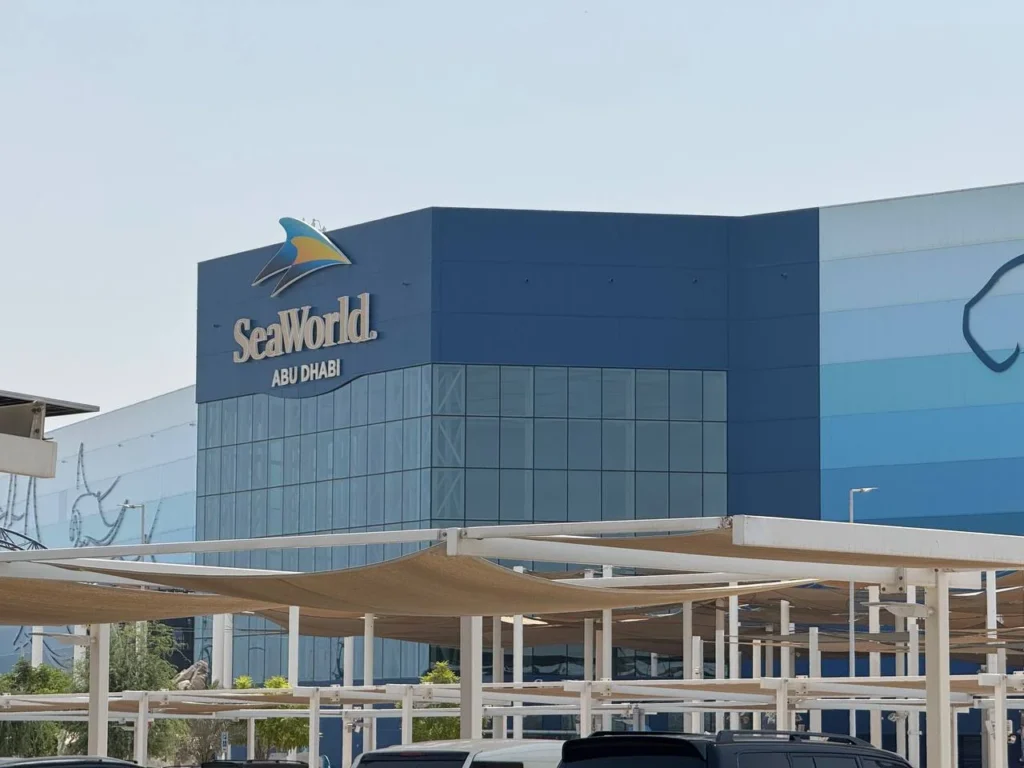
Yas Island is the fun and energetic side of the city. Visitors can drive the Yas Marina Circuit, bar hop along Yas Bay, golf at Yas Links, and visit Ferrari World Abu Dhabi, home to the world’s fastest rollercoaster. The island also features Yas Waterworld, Warner Bros. World Abu Dhabi, and SeaWorld Yas Island. Disneyland Abu Dhabi is expected to open between 2030 and 2032.
Downtown is the oldest and most authentic part of the city. The Mina Zayed Fish Market and its no-frills restaurants showcase maritime heritage, while the five-mile Corniche boardwalk offers free beaches, parks, and playgrounds. The Galleria Al Maryah Island provides designer shopping and fine dining, and historic sites like Qasr Al Hosn, the city’s first stone building, sit alongside the royal Qasr Al Watan.
Where to Stay
Emirates Palace Mandarin Oriental is the choice for travelers seeking grandeur, with gold accents and crystal chandeliers favored by celebrities and dignitaries.
W Abu Dhabi on Yas Island is the only hotel in the world positioned above a Formula 1 track, placing guests in the heart of the action with lively spots like the Wet Deck pool bar.
A Taste of Abu Dhabi
The emirate’s cuisine reflects its diversity, with options for every budget. Local Emirati dishes deserve attention, including machboos, the deep-fried lugaymat in date syrup, and cardamom-infused qahwa.
The Michelin-starred Erth Restaurant brings a modern twist to traditional food, while Ryba at the Mina Zayed port focuses on locally caught seafood.
For shawarma, the long-running Lebanese group Zahrat Lebanon, established in 1983, remains a local favorite.
Getting Around
Zayed International Airport and Dubai International Airport, a two-hour drive away, both offer direct flights to the U.S. The bus network is reliable and cheap, costing between 50 cents and $1, with convenient A1 and A2 airport routes.
Taxis are plentiful and affordable through the Careem app, and water taxis connect areas like Yas Bay and Saadiyat Island. The high-speed Etihad Rail line, set to launch in 2026, will connect Abu Dhabi to Dubai in about 30 minutes.
Know Before You Go
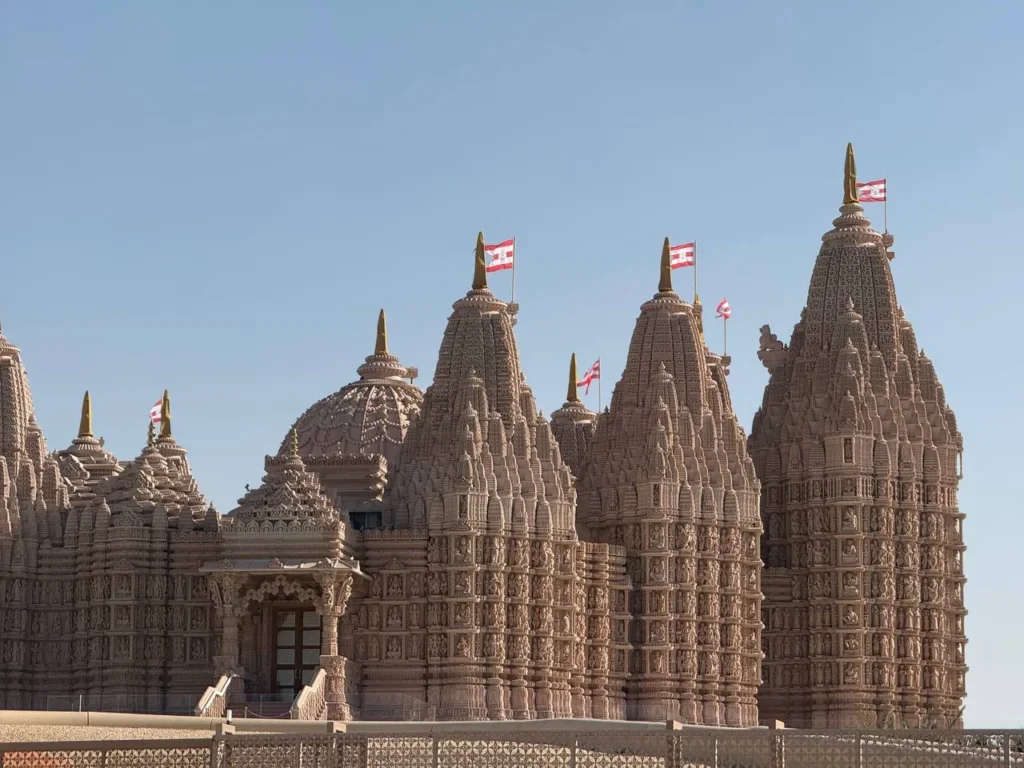
Islam is the predominant religion, though other faiths are practiced openly, as shown by the BAPS Hindu Mandir and the Abrahamic House.
There is no strict dress code for tourists, but modest clothing is recommended in malls, government buildings, and religious sites, and women must cover their hair in mosques.
Drinking in public is illegal, although alcohol is served in licensed bars and restaurants. Same-sex relations remain illegal, and public displays of affection are not acceptable.
How to Visit Sustainably
Travelers can explore Masdar City, a community that uses 40 percent less water and energy, and choose green buses and taxis, as roughly 80 percent of all taxis are hybrid, electric, or natural gas. Supporting local farms like Mazaraa Farm and Emirates Bio Farm reduces impact, while the 421 Arts Campus gift shop sells goods made by local creators.
In the desert, camping and stargazing are recommended over commercialized dune bashing, with Al Quaa offering the darkest skies in the UAE. On the beach, visitors should keep a safe distance from marine animals and report sightings to the EAD hotline at 800555.
Stay tuned with us. Further, follow us on social media for the latest updates.
Join us on Telegram Group for the Latest Aviation Updates. Subsequently, follow us on Google News
