

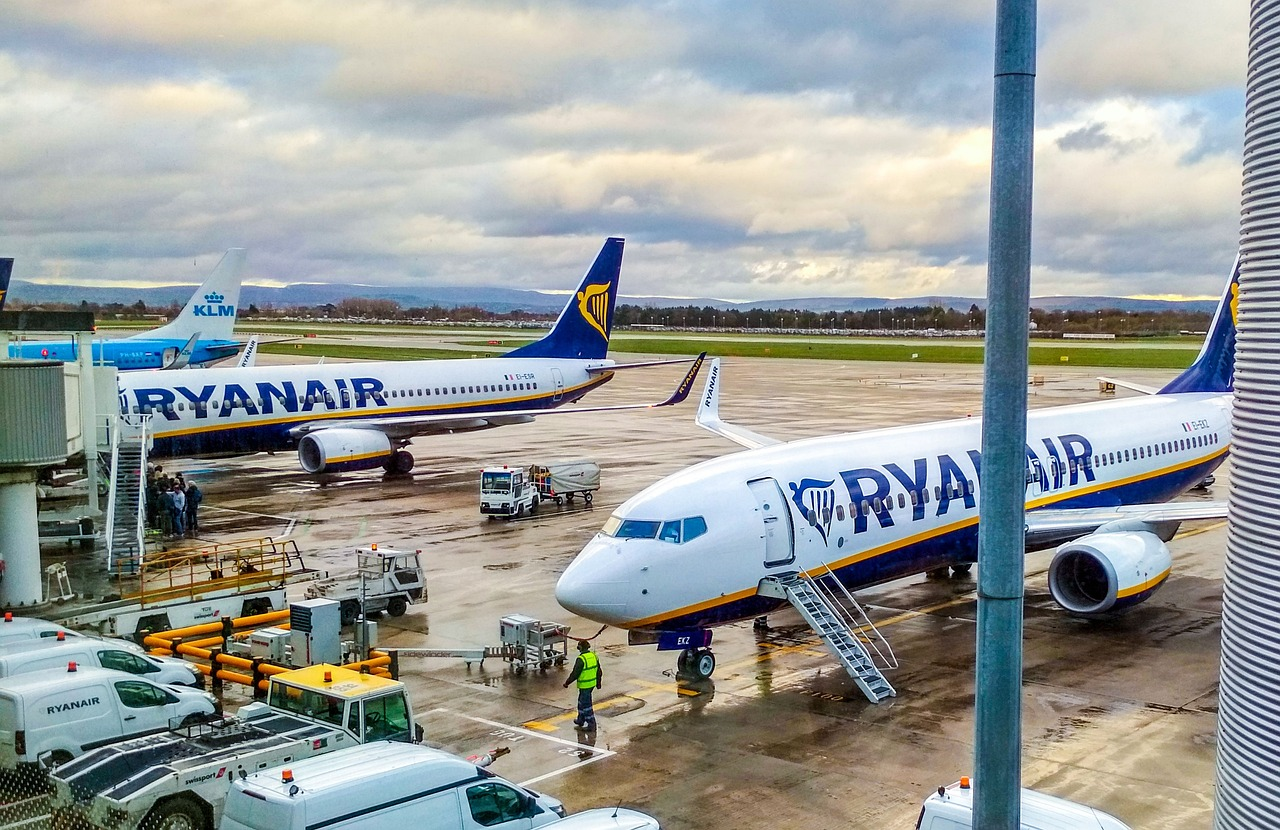
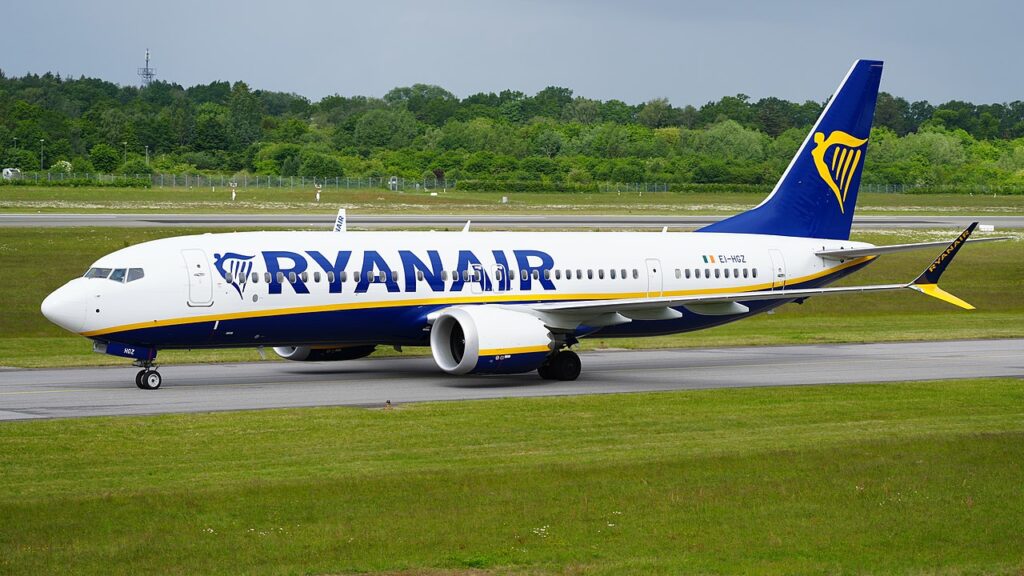
BRUSSELS- The European Union is finalizing new rules that change how airlines advertise ticket prices, with a direct impact on Ryanair (FR), the low-cost carrier headquartered at Dublin Airport (DUB).
The update softens an earlier, stricter proposal that aimed to ban carry-on bag fees outright.
The new approach forms part of a broader wave of EU passenger reforms, which also includes changes to the bloc’s flight delay compensation scheme.
Under the carry-on agreement, airlines must advertise fares that already include a full-size carry-on bag plus a personal item, though passengers can still opt out of the carry-on in exchange for a discount.
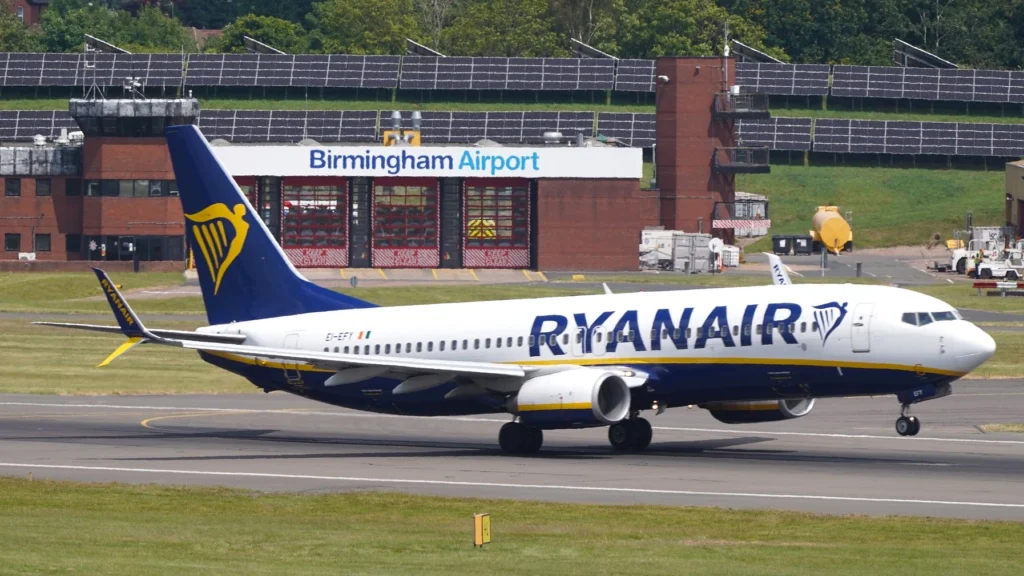
EU Airline Fare Advertising
In 2025, members of the European Parliament pushed legislation to set common hand luggage dimensions.
The proposal gave passengers the right to bring one personal item, such as a handbag, backpack, or laptop, with maximum dimensions of 40x30x15 centimeters.
It also allowed one carry-on item weighing up to 7 kilograms, with maximum combined dimensions of 100 centimeters.
In June 2025, the European Parliament’s transport committee voted in favor of this proposal. That vote did not make it law, since negotiations still had to take place with the European Commission and the Council of the EU.
Over the following year, the position shifted. European Parliament negotiators reached a deal on carry-on bags that differs from the original plan, as reported by OMAAT.
The new policy requires airlines to display ticket prices that include a full-size carry-on bag along with a personal item.
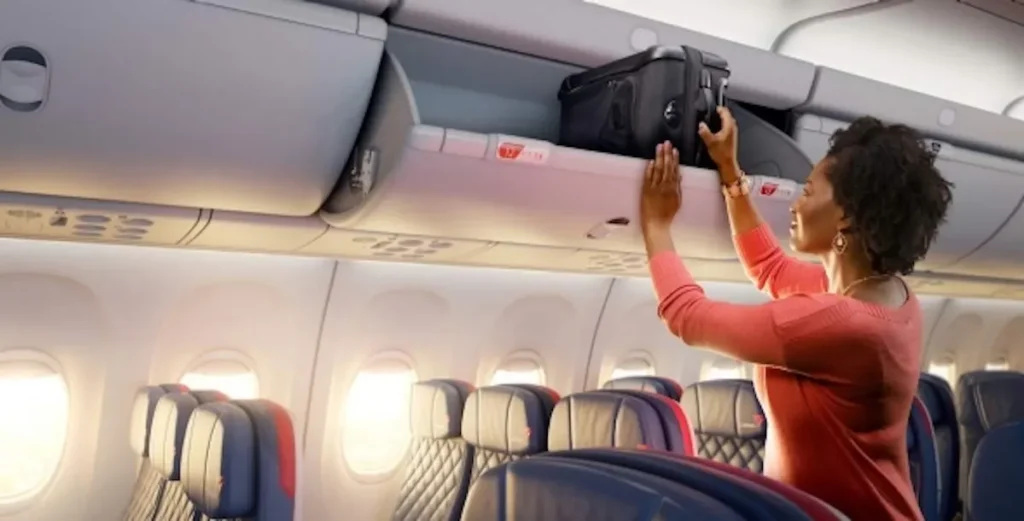
What New Carry-On Policy Actually Requires
The agreement does not ban airlines from charging for carry-on bags. During booking, passengers can choose to travel without a carry-on bag in exchange for a discount.
The core aim is to standardize how airlines present fares, so comparisons between carriers become closer to an apples-to-apples match.
Lawmakers expect to finalize the legislation soon. The exact rules on how flights can be marketed, and when the discount can apply, remain to be confirmed.
The outcome carries major weight for Ryanair, which often advertises fares priced lower than a passenger’s transport to the airport.
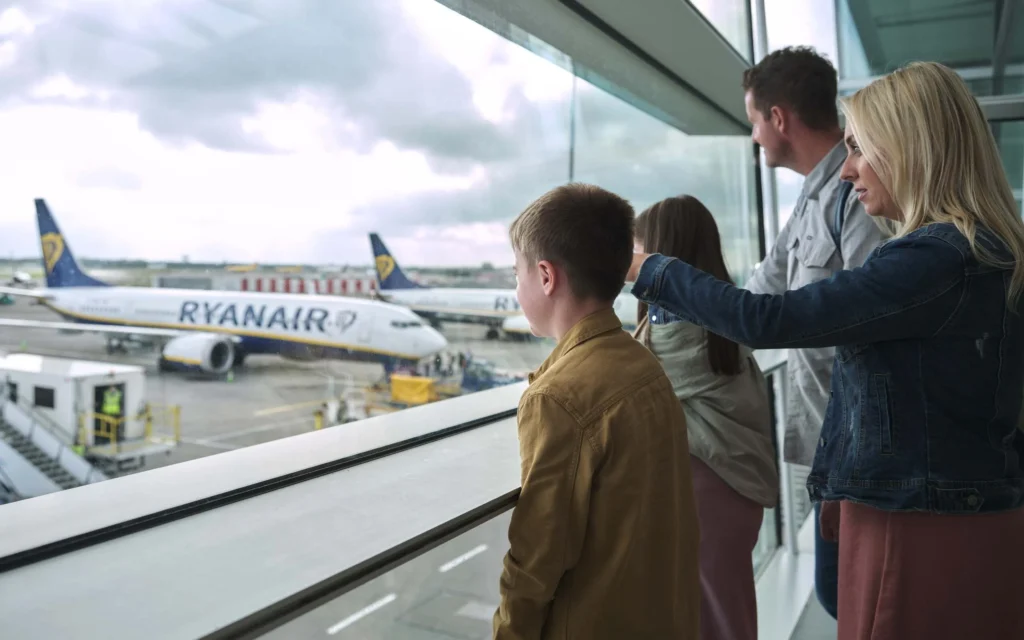
EU Passenger Reforms
The carry-on rules arrive alongside other regulatory changes affecting air travelers. The European Union is also set to reform its flight delay compensation scheme, which is already considered generous by global standards.
That move came as a surprise to many observers, since the prevailing expectation had been that the rules would become less generous rather than more.
Taken together, the two reforms signal a more active EU role in shaping the passenger experience, covering both how fares are marketed and how travelers are compensated when flights are disrupted.
Consumer Protection or Government Overreach
The policy has drawn arguments on both sides. Supporters frame it as consumer protection that prevents misleading low headline prices.
Critics argue it is unnecessary when airlines are already transparent about what each fare includes.
Notably, some who opposed the original plan to force carry-on inclusion view the revised marketing requirement as a milder measure, even if they still consider it excessive.
One common criticism centers on free-market choice. Ryanair’s website, for example, clearly states that basic fares exclude a full-size carry-on bag, which makes the lack of inclusion easy to see before purchase.
Two decades ago, a fare without a carry-on was almost unheard of, but such fares are now common, including among legacy carriers.
Another point in the debate concerns passenger preference. Some travelers argue that every passenger needs a carry-on, so marketing a fare without one makes little sense.
Others disagree, noting that many ultra-low-cost carriers charge less for checked bags than for carry-on bags.
A passenger may prefer to bring only a personal item and then pay for a checked bag instead.
Ryanair and Low-Cost Travel
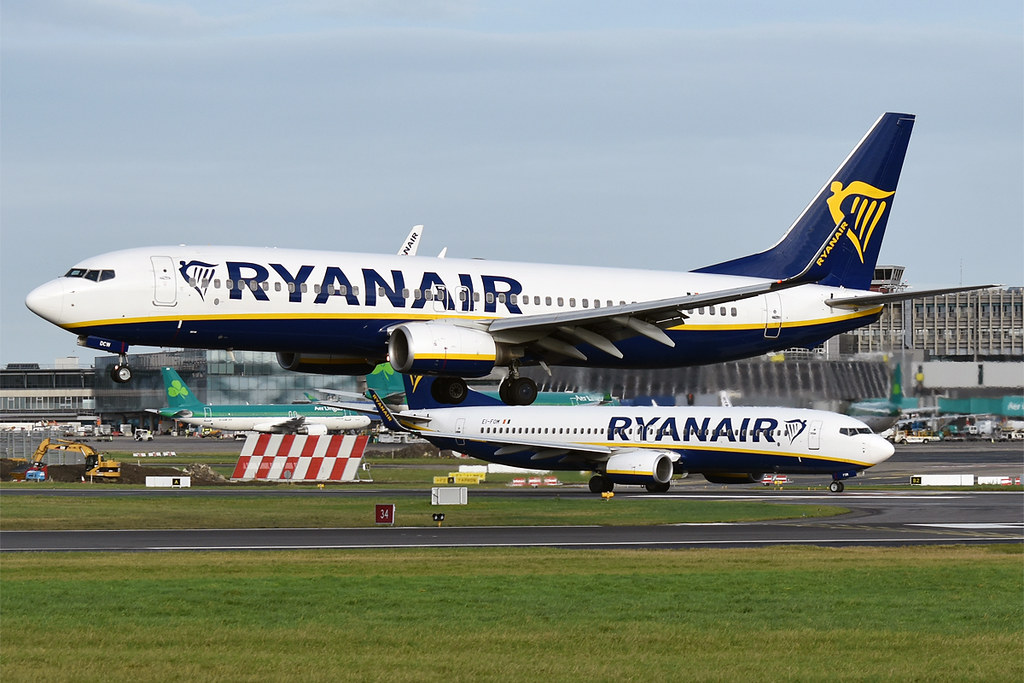
The shift affects budget carriers most, since their pricing depends on low base fares with optional add-ons.
When the rules take effect, airlines must market every fare with a carry-on included, then offer discounts for passengers who travel with only a personal item.
The change is likely to reshape how Ryanair and similar carriers advertise. It may also complicate comparison shopping for travelers who prefer a personal item plus a paid checked bag, rather than paying for a carry-on.
In 2026, passengers are reminded that comparing headline fares alone rarely reflects the true cost across different airlines.
Bottom Line
The European Union plans to change how airlines market tickets. The original 2025 proposal would have forced every fare to include a full-size carry-on bag.
Negotiators later scaled this back, and the revised plan requires all fares to be advertised with a carry-on included, while allowing discounts for personal-item-only travel.
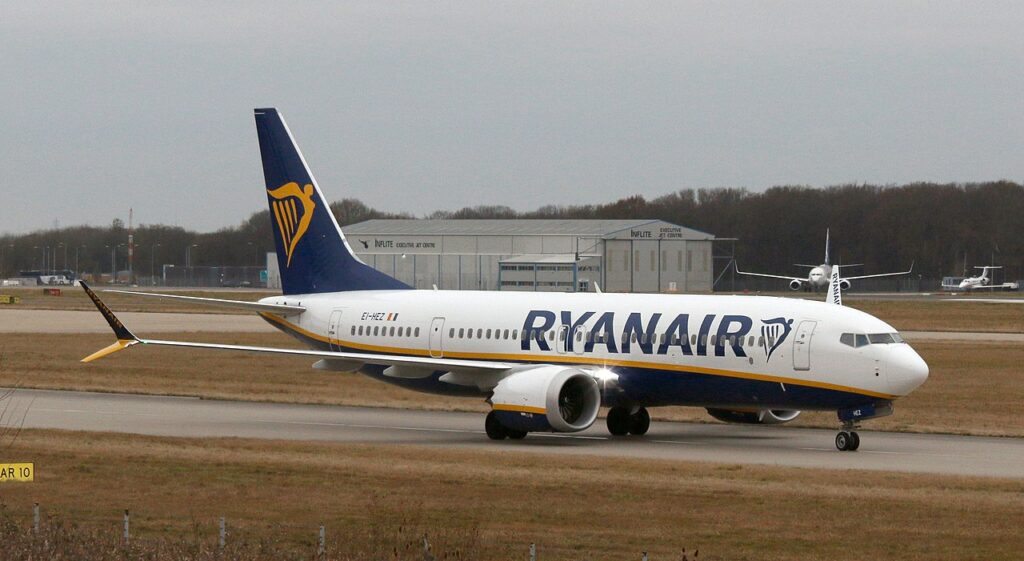
Implementation details are still pending, but the rules are set to significantly alter how low-cost carriers like Ryanair present their flights.
Stay tuned with us. Further, follow us on social media for the latest updates.
Join us on Telegram Group for the Latest Aviation Updates. Subsequently, follow us on Google News
