


SINGAPORE– Singapore has reportedly begun exploring the future of sixth-generation combat aviation by holding early discussions about the Global Combat Air Programme (GCAP), a multinational initiative led by the United Kingdom, Japan, and Italy.
The reported move signals the Republic of Singapore Air Force (RSAF) is assessing long-term options beyond its current fleet, even as it prepares to introduce the Lockheed Martin F-35 Lightning II into service.
The reported talks remain informal and exploratory, with no indication that Singapore has decided to join GCAP or procure the Tempest fighter being developed under the program.
Instead, the discussions reflect Singapore’s long-standing strategy of evaluating advanced aerospace technologies years before making procurement decisions. The Republic of Singapore Air Force continues to modernize its capabilities while awaiting deliveries of its F-35A and F-35B fighter aircraft.
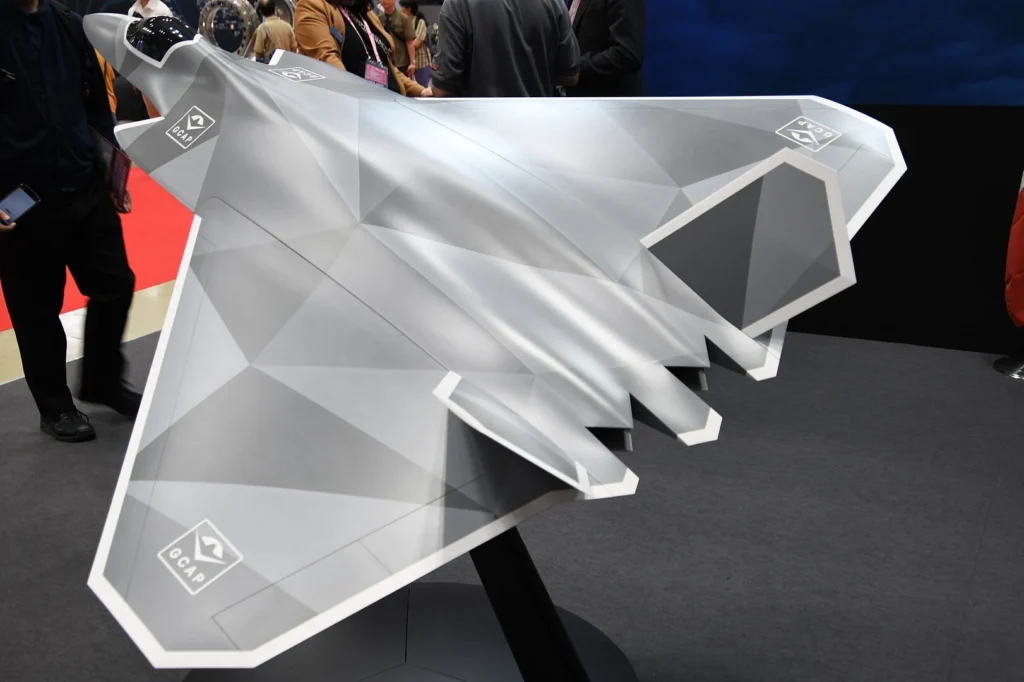
Singapore GCAP Discussions Begin
The Global Combat Air Programme aims to deliver a sixth-generation combat aircraft and an integrated air combat system by around 2035.
Beyond the Tempest fighter, the initiative includes advanced sensors, artificial intelligence-enabled systems, secure networking, autonomous collaborative aircraft, and next-generation weapons.
According to reports, Singapore has begun gathering information about the program rather than negotiating membership. This cautious approach aligns with the country’s history of studying major defense projects well before making investment decisions.
Singapore followed a similar path with the F-35 program.
It became a Security Cooperative Participant years before placing its first order, allowing the country to evaluate the aircraft, monitor technological progress, and better understand future operational capabilities before committing to a purchase.

RSAF Fleet Modernization
The reported interest in GCAP comes as the RSAF continues one of the region’s most advanced fighter modernization programs.
Its combat fleet currently consists of 40 Boeing F-15SG Strike Eagles and 49 Lockheed Martin F-16C/D Fighting Falcons, providing the force with a strong mix of air superiority and multirole capabilities.
The next phase of modernization will introduce eight conventional takeoff and landing F-35A fighters and 12 short takeoff and vertical landing F-35B aircraft.
Deliveries of the F-35B are expected to begin first, with the aircraft initially supporting pilot training in the United States before eventually operating from Singapore.
To support the new fleet, Singapore is expanding infrastructure at Pulau Sudong by extending its runway to accommodate future operational requirements, TWZ reported.
The project also aims to reduce the impact of military flight operations on densely populated areas while increasing domestic training capacity.
The country is also expected to pursue upgrades for its F-15SG fleet after completing the ongoing modernization of its F-16 fighters, ensuring both aircraft types remain operational well into the next decade.

Future Combat Capability
Although Singapore has shown interest in learning more about GCAP, any decision on participation remains years away.
Defense analysts believe observer status could be a practical first step if the country chooses to engage with the program, providing insight into its governance, technology, and industrial opportunities without requiring a major financial commitment.
Singapore’s measured defense procurement strategy has consistently emphasized long-term planning, technological maturity, and operational value. That approach suggests any move toward a sixth-generation fighter would only follow extensive evaluation and careful assessment.
In the coming years, the RSAF is expected to prioritize integrating its incoming F-35 fleet while monitoring emerging technologies that could shape future air combat.
Whether Singapore ultimately joins GCAP or pursues another path, the reported discussions indicate the country is already preparing for the next generation of military aviation.
Stay tuned with us. Further, follow us on social media for the latest updates.
Join us on Telegram Group for the Latest Aviation Updates. Subsequently, follow us on Google News
