


Deciding where to live and work overseas is one of those life choices that feels both exhilarating and overwhelming.
With career prospects, quality of life, cost of living, culture, safety, and long-term opportunity all on the line, it helps to have a compass.
In 2026, according to data and sentiment highlighted by GoOverseas, certain countries stand out as especially welcoming for expats seeking a fresh start, whether that’s for career growth, cultural immersion, stability, or simply a better work-life balance.
Best Foreign Countries to Live and Work in 2026
Below is a carefully structured guide to the 10 best countries to live and work abroad in 2026. Each destination offers its own unique mix of strengths, challenges, and opportunities, and all have something compelling to offer those ready to leap.

1. New Zealand
When it comes to lifestyle, few countries rival New Zealand. This island nation has long ranked highly for quality of life, friendliness, safety, and work-life balance.
Jobs in tech, education, healthcare, and skilled trades are in steady demand, and while the job market isn’t as large as in some countries, the work culture is refreshingly supportive. Kiwis, as locals are affectionately known, prize family time and outdoor living, so long office hours and intense commuting are less common.
Cost of living in cities like Auckland or Wellington can feel steep at first, but overall expenses outside the major urban centres are manageable. The natural environment alone, from beaches to mountains, inspires many expats to stay for the long run.
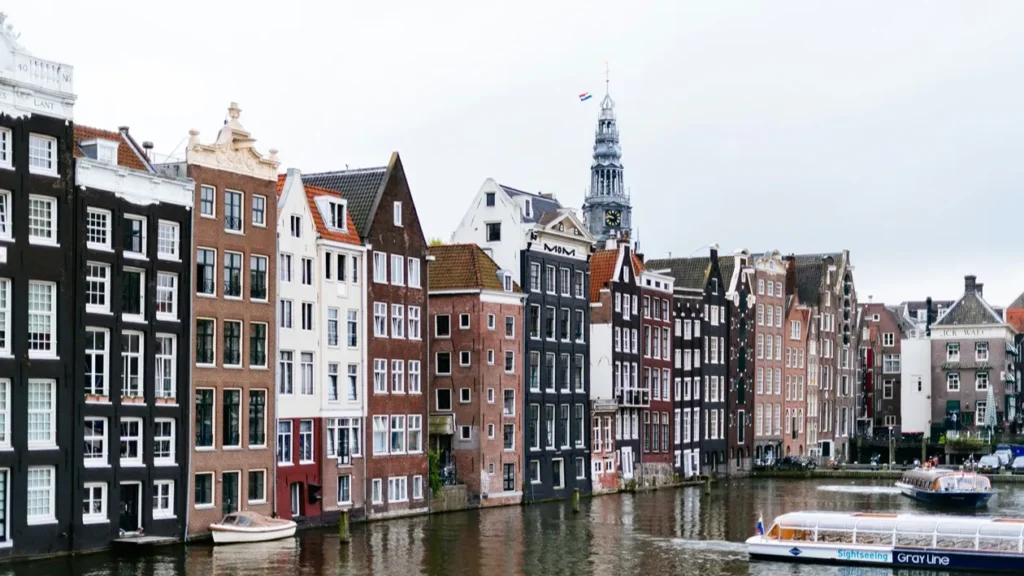
2. The Netherlands
The Netherlands is a dream for people who value efficient public services, excellent infrastructure, and high English proficiency. Amsterdam, Rotterdam, and Utrecht are among Europe’s most dynamic urban centres, buzzing with international business and cultural variety.
Job opportunities are strong in tech, engineering, logistics, and creative fields, and the Dutch emphasis on work-life balance is backed by generous holiday allowances and flexible working patterns. Cycling culture and world-class public transport make commuting painless.
While housing in top cities can be competitive, many expats find that the country’s compact size and quality of life make up for it.

3. South Korea
South Korea is an intriguing fit for expats seeking a blend of dynamic economic opportunity and rich cultural experience. Cities like Seoul and Busan are modern metropolises full of energy, innovation, and growth, especially in tech, manufacturing, and education.
K-culture (music, food, fashion) has global appeal, and the cost of living, though high in big cities, is offset by efficient services and vibrant urban life. English teaching roles have traditionally helped many expats break into the market, though professionals in tech, business, and engineering are increasingly finding opportunities as well.
Adapting to local customs and expectations can take time, but for people who thrive in fast-paced environments, South Korea offers a compelling place to work and grow.
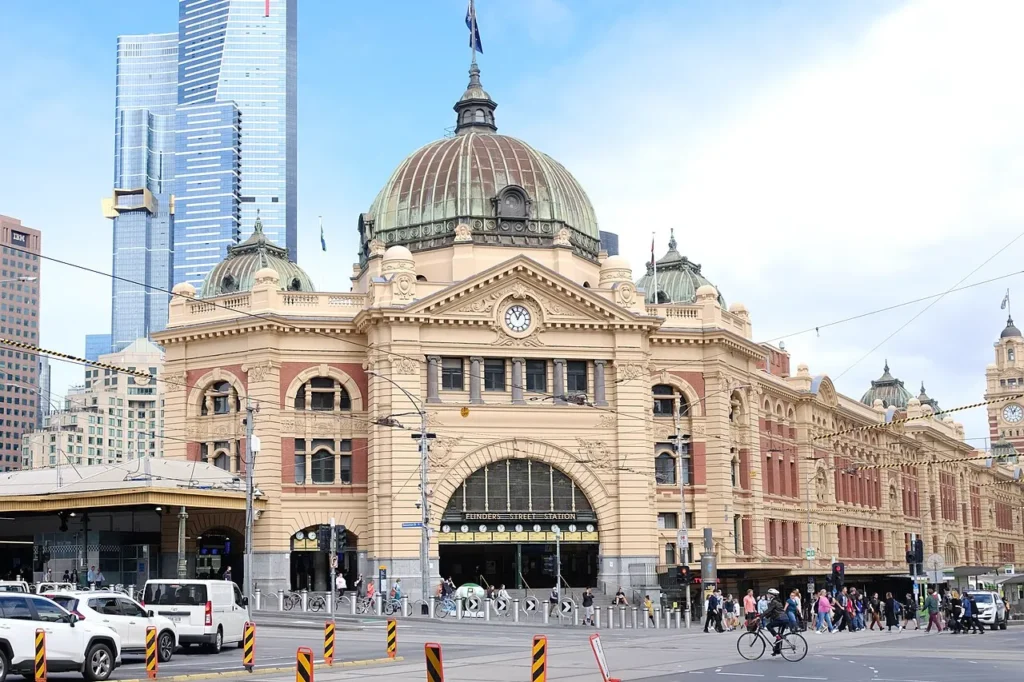
4. Australia
Australia remains high on the list for its enviable blend of economic opportunity and outdoor lifestyle. Cities like Sydney, Melbourne, and Brisbane are magnets for expats drawn to strong labour markets, competitive wages, and relaxed yet professional work environments.
The country’s points-based immigration system favours skilled professionals, particularly in healthcare, engineering, IT, education, and trades, meaning many people qualify for work visas without needing employer sponsorship. Beaches, parks, and sunshine are constant companions, and most Australians enjoy a laid-back yet ambitious way of life.
The cost of living can be on the higher side, especially in inner-city areas, but many expats find the overall balance worth it.
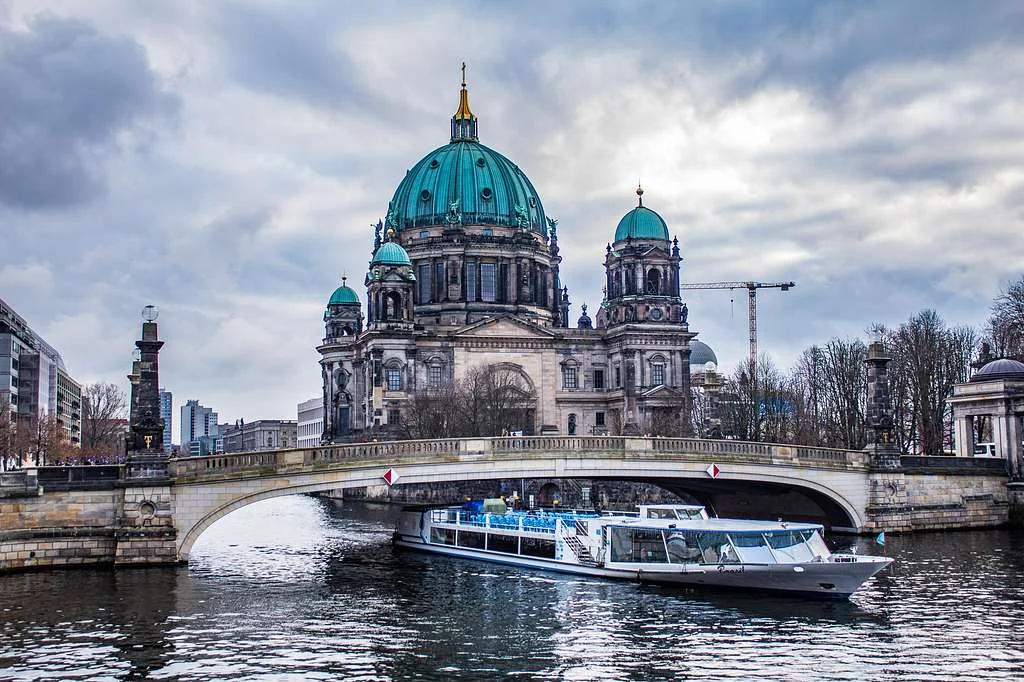
5. Germany
Germany is widely respected for its economic stability, solid social systems, and quality education and healthcare. As Europe’s largest economy, it draws professionals in engineering, IT, finance, research, and manufacturing.
Cities like Berlin, Munich, and Hamburg are melting pots of innovation and culture, and Germany’s focus on vocational training also creates opportunities for skilled tradespeople. Work-life balance is culturally valued, with generous vacation time and regulated working hours being the norm.
While German language skills are essential for many roles, there are sectors, particularly in tech and academia, where English is widely used. The country’s efficient public services and cost-effective living (outside a few hot neighbourhoods) make it a smart long-term choice.

6. Brazil
For adventurers and culturally curious professionals, Brazil brings vibrant cities, diverse landscapes, and a youthful population into the equation. São Paulo, Rio de Janeiro, and Brasília are centres of commerce, entertainment, and innovation across energy, agriculture, finance, and creative industries.
The Brazilian work culture is sociable and expressive, and the cost of living can be lower than in many Western countries. However, expats should prepare for bureaucracy, language challenges like Portuguese being essential for most roles, and regional disparities in services and safety.
For those who thrive in multicultural, dynamic environments and are ready to embrace local life fully, Brazil can be deeply rewarding.
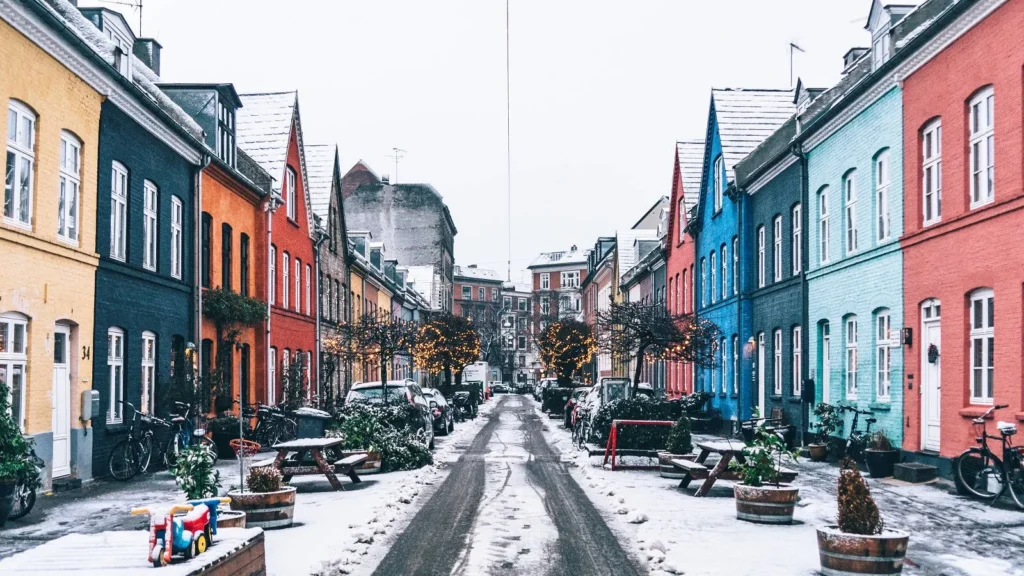
7. Denmark
Denmark regularly tops global happiness and quality-of-life charts, and for good reason. A strong social safety net, generous parental leave, reliable public services, and a culture that values work-life balance make it a standout choice for many expats.
Opportunities are especially strong in renewable energy, pharmaceuticals, design, IT, and life sciences. Copenhagen and Aarhus are titans of modern European living, cycling-friendly, green, and teeming with opportunities for professionals.
Cost of living is high, but most residents, including expats, value the trade-off of security, community, and well-paid work.

8. Botswana
Botswana might surprise some readers, but this Southern African nation has been gaining attention as a stable, forward-thinking economy with room for expatriate professionals, particularly in mining, environmental science, public health, and tourism.
The capital, Gaborone, and other key centres are developing rapidly, and the quality of life for expats can be high relative to regional standards. Botswana’s governance and safety record stand out in a continent known for diverse economic landscapes.
While the local job market is smaller and often requires specialist skills or roles supported by multinational organisations, many people are drawn by the cultural richness and the chance to contribute meaningfully in growing sectors.

9. Canada
Canada’s reputation as one of the most welcoming countries in the world is well earned. Its immigration pathways are clear, structured, and often generous for skilled workers, families, and students alike.
Cities like Toronto, Vancouver, and Montreal are diverse cosmopolitan hubs with demand in tech, healthcare, engineering, education, and trades. The quality of healthcare, education, and overall safety is high, and communities tend to be inclusive and supportive of newcomers.
Canada’s climate can be a factor; winters are long in many regions, but for many expats, the social supports, opportunities for professional growth, and quality environments make it a top destination.

10. Cambodia
Rounding out the list, Cambodia offers a very different kind of expat experience — one anchored in lower cost-of-living, laid-back lifestyle, and developing economies. Phnom Penh and Siem Reap are cultural and economic hubs where English teaching, development work, tourism, and small business ventures are common expat entry points.
Salaries tend to be lower than in Western economies, but low everyday costs, friendly communities, and a slower pace of life appeal to many, especially digital nomads and entrepreneurs. Learning Khmer isn’t essential everywhere, but it enriches the experience.
Cambodia is not without its challenges, infrastructure gaps, and bureaucracy still exist, but for people seeking a fresh way of life in Southeast Asia, it can be deeply fulfilling.
Bottom Line
Choosing where to live and work abroad in 2026 means balancing personal priorities, from career growth to safety, culture to cost of living.
What ties all these destinations together is their appeal to a broad range of expats: from those craving innovation and economic opportunity in Europe and North America, to people seeking cultural immersion, community-centric living, or emerging markets with room to grow.
Your perfect destination will ultimately depend on your goals, lifestyle preferences, and career path, but these ten countries stand out as some of the most exciting places to build the next chapter of your life.
FAQs
A strong mix of job opportunities, social stability, quality healthcare and education, safety, work-life balance, cultural openness, and a lifestyle that matches your personal goals.
It depends. In countries like the Netherlands, Denmark, and Canada, English is widely used in professional settings, though local language skills always help. In places like Germany, South Korea, and Brazil, local language competence significantly expands job prospects.
Some, like Canada and Australia, offer structured immigration pathways for skilled workers. Others may require employer sponsorship or different types of visas. Always check official government immigration information before planning.
Stay tuned with us. Further, follow us on social media for the latest updates.
Join us on Telegram Group for the Latest Aviation Updates. Subsequently, follow us on Google News
