

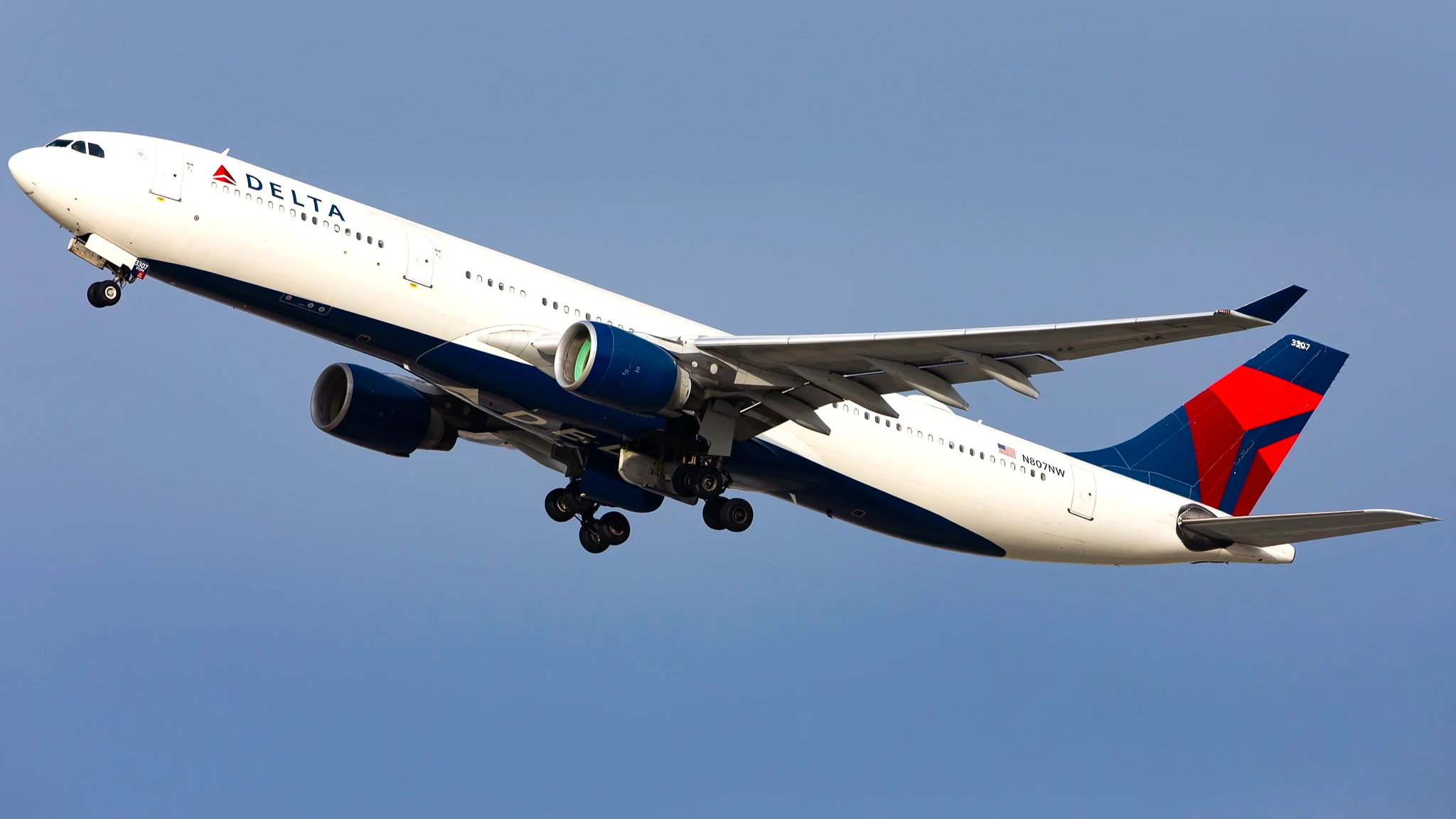
ATLANTA- Delta Air Lines (DL) flight DL223, an Airbus A330-900neo operating from Athens (ATH) to Atlanta (ATL), diverted to New York (JFK) while crossing the Atlantic. The widebody, registered N429DX, was tracked at 37,000 feet and 426 knots when the diversion was flagged.
The aircraft made an unscheduled stop in New York JFK after a crew member fell ill. The illness reduced the augmented flight crew, which tightened the legal duty time available for the long transatlantic route and prompted a planned crew swap.
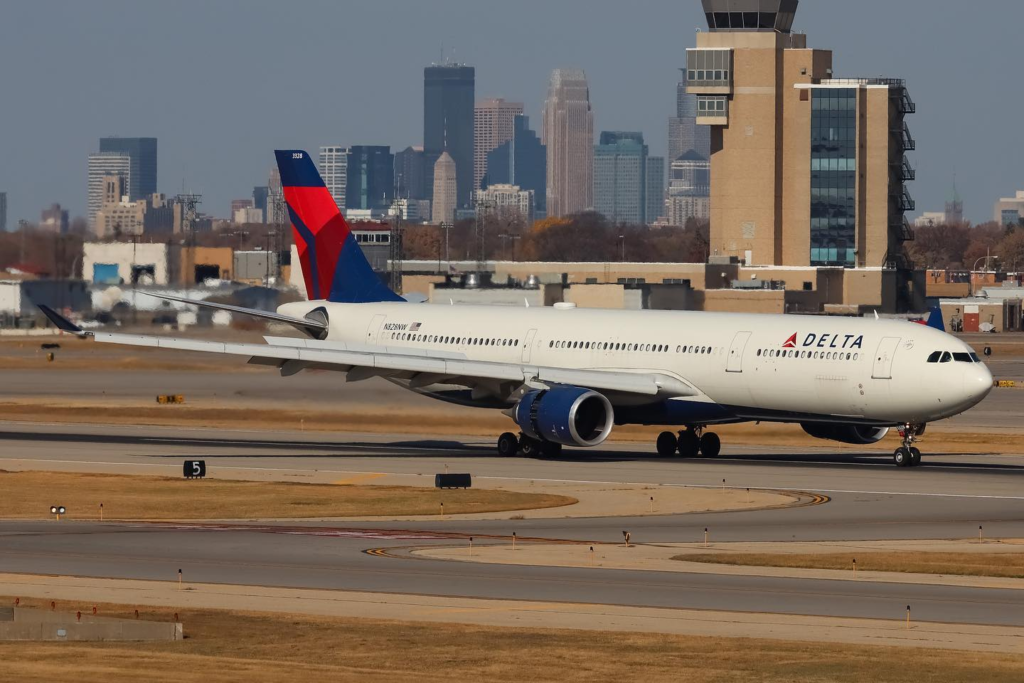
Delta Flight Diverts to New York
Delta has not issued a public statement on the event. Airline pilots familiar with the operation explained in an online aviation discussion that the stop was a planned re-crew rather than an emergency.
Flight DL223 normally operates with a four-person augmented crew, which is standard for ultra-long-haul flying that exceeds normal single-crew duty limits. When one pilot became unwell, the crew dropped to three. A three-person crew carries a shorter maximum duty day, and that reduced limit could not safely cover the full Athens to Atlanta block.
To keep the flight legal, the crew elected to land at New York JFK, where a fresh crew can take over. The new crew is expected to fly the final New York (JFK) to Atlanta (ATL) leg.
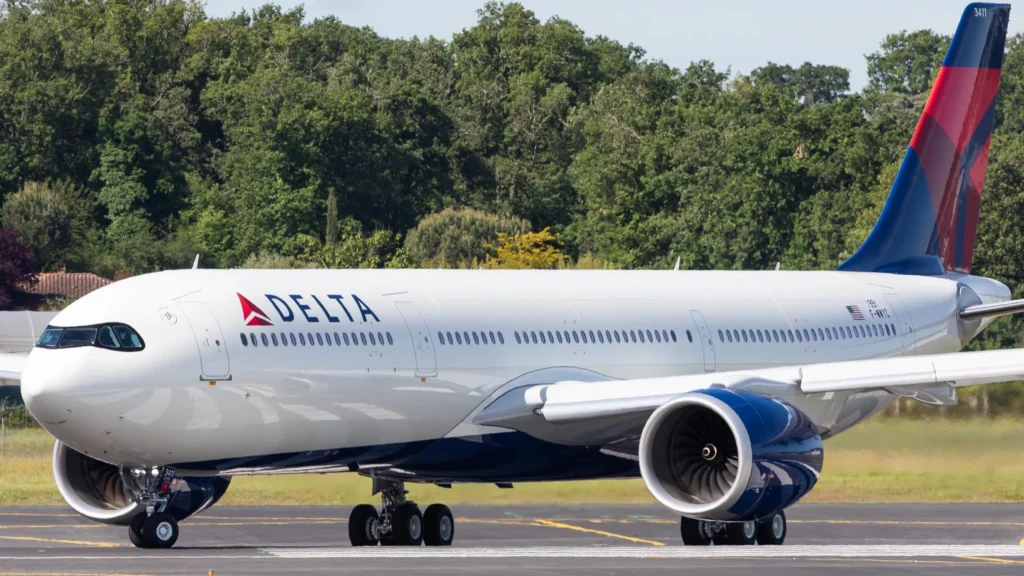
Flight Details And Tracking Data
Flightradar24 listed the flight as DAL223/DL223 on an Airbus A330-941, the type code A339. At the time of capture, the aircraft had been airborne for around five hours and was positioned over the open Atlantic on a track toward the United States.
The tracking display labelled the flight as diverting to New York (JFK). Pilots in the discussion noted that this label can be misleading, since the platform marks any change from the filed destination as a divert even when the stop is a planned operational decision.
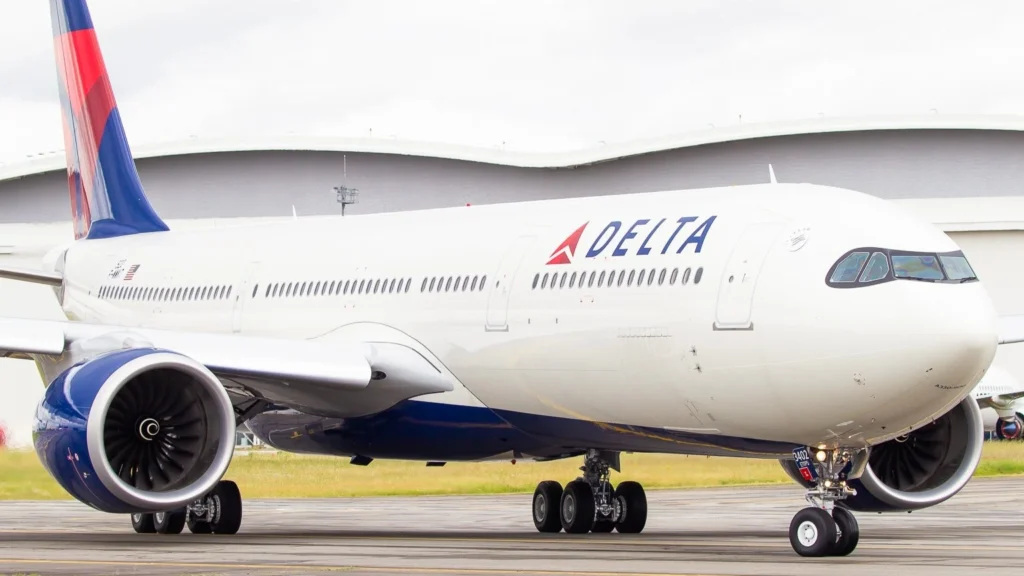
How Crew Numbers Affect Duty Limits
The core issue is the link between crew size and allowable duty time. A four-person crew can absorb delays and longer block times because pilots rotate through rest periods. A three-person crew has less rest coverage, so the permitted duty day shrinks by several hours.
According to a Delta A330 pilot in the thread, the Athens to Atlanta sector is blocked at about 12 hours and 15 minutes. The Athens to New York sector is blocked at roughly 10 hours 54 minutes for the morning service and 11 hours 15 minutes for the afternoon service.
With only three pilots, any delay on the longer Atlanta routing risked breaching the scheduled maximum duty period.
Why JFK Was The Logical Choice
New York JFK is a Delta hub with crew and aircraft support on hand, which makes a clean crew swap straightforward. The shorter Athens to New York block also kept the reduced crew within their legal limits for the segment they were flying.
Other options carried clear drawbacks. A mid-ocean turnback or an early diversion would point to a mechanical or medical emergency rather than a duty matter.
Boston, another Delta base, sits farther along the track and offers no advantage over New York (JFK) for a planned re-crew close to the destination region.

Aircraft And Route Background
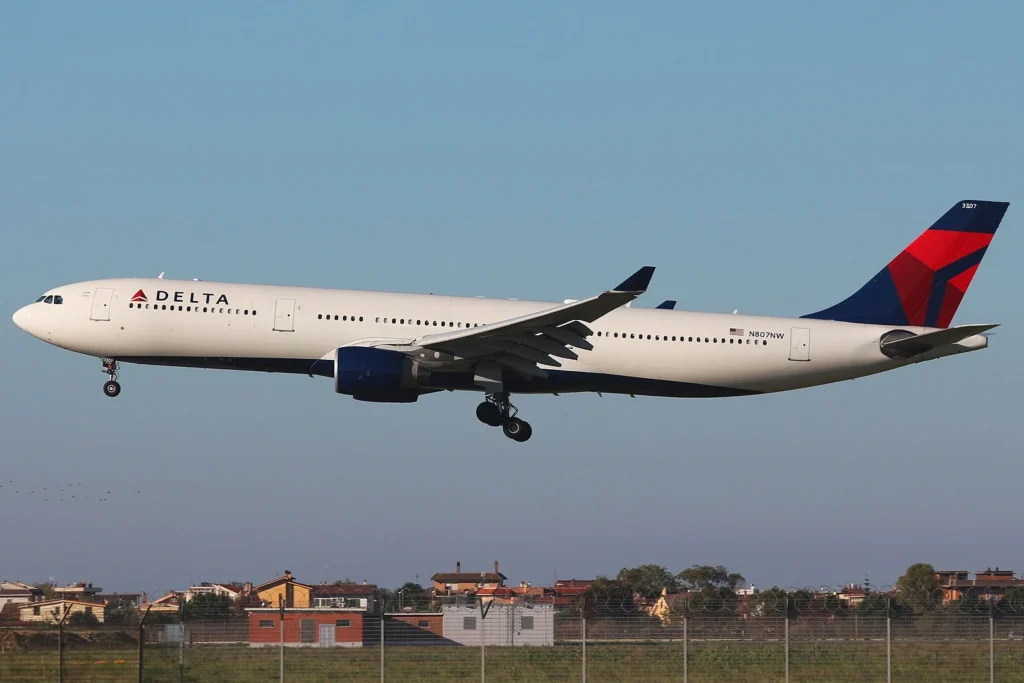
The Airbus A330-900neo is Delta’s modern widebody for long-haul and transatlantic flying, valued for its range and fuel efficiency. Registration N429DX is part of that fleet.
The Athens to Atlanta route is a seasonal long-haul service that links Greece directly with Delta’s main Atlanta hub. The New York (JFK) stop adds time to the journey but allows the airline to complete the flight safely and within crew duty rules.
Stay tuned with us. Further, follow us on social media for the latest updates.
Join us on Telegram Group for the Latest Aviation Updates. Subsequently, follow us on Google News
