

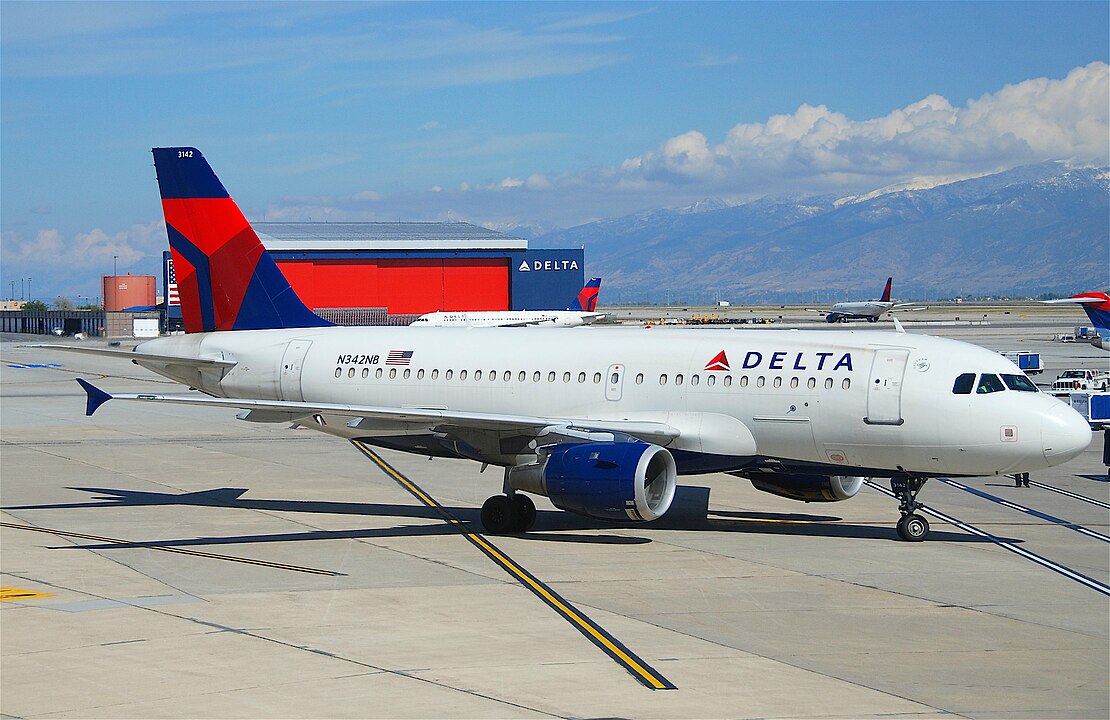
LOS ANGELES- Delta Air Lines (DL) is returning to the cross-border market between Los Angeles International Airport (LAX) and Vancouver International Airport (YVR) after a seven-year absence. The SkyTeam carrier will fly the route twice daily with an Airbus A319 starting Nov. 21, 2026.
The link will be Delta’s only nonstop service from Southern California to Canada. It adds to a growing list of international routes the airline has built from LAX, joining recent additions to Hong Kong International Airport (HKG) and Melbourne International Airport (MEL).
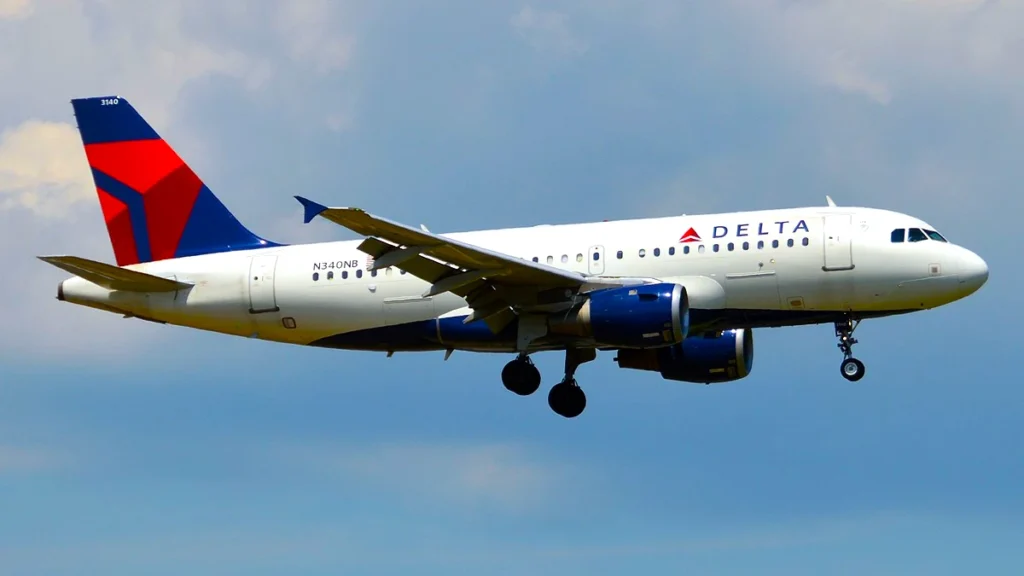
Delta to Restart Los Angeles to Vancouver Flights
Delta will operate two daily flights between LAX and YVR on an Airbus A319, with service beginning Nov. 21, 2026. Schedule data from aviation analytics firm Cirium shows the airline last flew this route in 2018 before dropping it, TPG reported.
The new service gives Southern California travelers direct access to British Columbia for outdoor trips, cruise departures, and winter travel. Vancouver carries the nickname “Hollywood North” because the city has grown into a major hub for television and film production.
YVR also serves as a large base for WestJet, a Delta partner. Travelers can currently reach Vancouver from Los Angeles only through WestJet and SkyWest code-share flights, so the new route marks Delta’s first own-metal service on the corridor since 2018.
Delta’s Expanding International Map at LAX
Vancouver is the latest international destination Delta has added from Los Angeles. The carrier launches new service to Hong Kong (HKG) on June 6 and started flights to Melbourne (MEL) in December.
These additions reflect Delta’s plan to position LAX as a premier global gateway. The airline currently flies to 68 destinations from the airport.
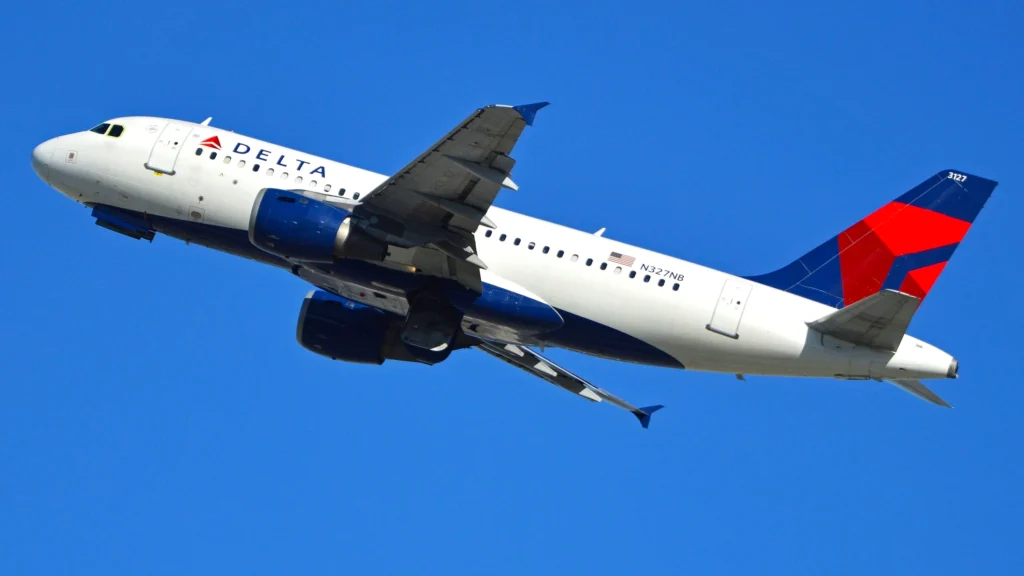
Growth Continues Despite Fuel Pressures
The Vancouver announcement comes as Delta slows its overall expansion because of high fuel prices. In January, the airline planned to grow capacity by roughly 3% in 2026 compared with the prior year.
After energy prices spiked following the U.S. and Israeli attack on Iran at the end of February, the carrier suspended its guidance for the year.
Delta CEO Ed Bastian said in April that the airline was “meaningfully reducing capacity in the current quarter with a downward bias until the fuel situation improves.”
Even with that caution, Delta keeps adding routes in competitive markets. Earlier in the week, it unveiled a new service to Charles M. Schulz Sonoma County Airport (STS) in California’s wine country from Salt Lake City International Airport (SLC). The move followed Alaska Airlines’ (AS) plan to fly the same STS-SLC route.
The carrier is also adding flights on former Spirit Airlines (NK) routes from Boston Logan International Airport (BOS), Detroit Metropolitan Wayne County Airport (DTW), and Orlando International Airport (MCO).
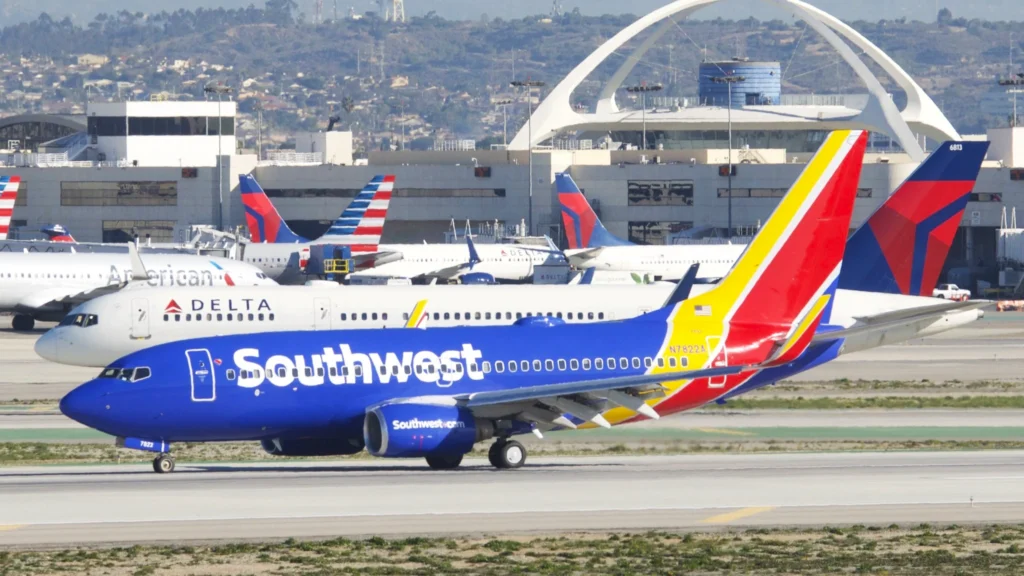
A Crowded Market for the LAX-Vancouver Route
Delta faces strong competition on the corridor. Air Canada (AC), American Airlines (AA), Flair Airlines (F8), United Airlines (UA), and WestJet (WS) already serve the market, according to Cirium schedules.
Delta’s three-hour nonstop flights are set to depart Los Angeles at 7:40 a.m. and 2:10 p.m. Return times have not been confirmed as the airline finalizes its schedule.
Vancouver Travel Guide
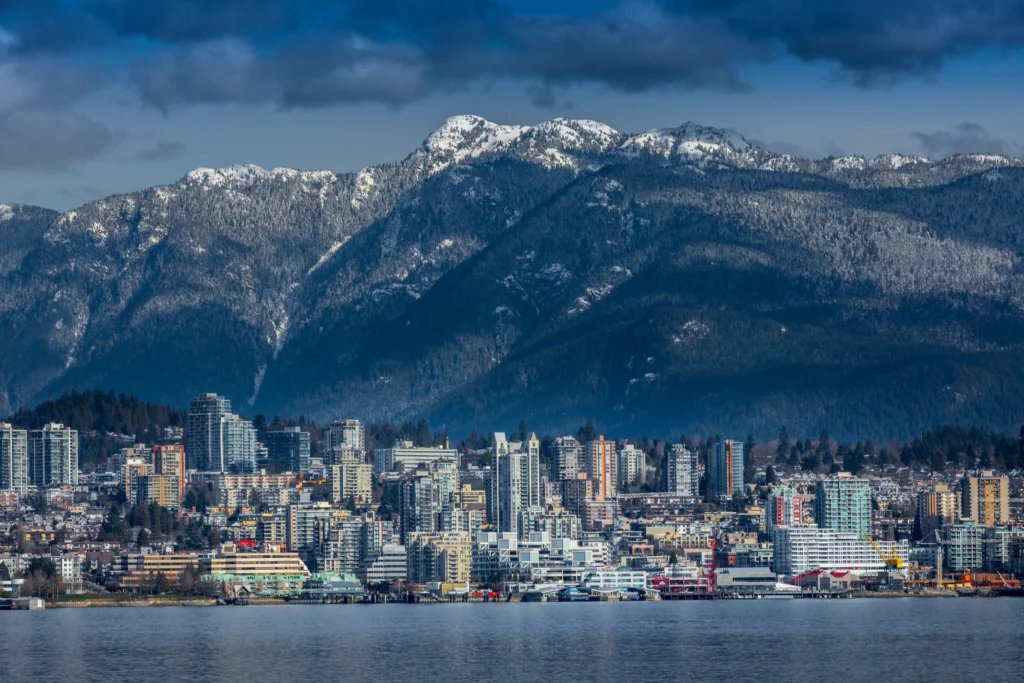
Vancouver sits on Canada’s west coast, surrounded by mountains and ocean, making it one of the most scenic cities in the country. This guide covers how to reach the city, where to stay, and how to spend three full days exploring its best attractions.
From the green expanse of Stanley Park to the food stalls of Granville Island and the day trips toward Whistler, three days offers a strong introduction to the region. The itinerary below balances city life, neighbourhood culture, and outdoor adventure.
Why Three Days in Vancouver Works Well
Vancouver is compact yet packed with variety. The downtown core is walkable, while public transport and short drives open up the wider region. Three days gives travellers enough time to see the main sights without rushing.
The city suits many types of visitors. Nature lovers enjoy the parks, trails, and beaches. Food enthusiasts find fresh seafood, craft beer, and global cuisine. Adventure seekers can hike, kayak, or ride gondolas up nearby mountains. The mix of urban and natural attractions explains why the city draws both Canadian and international travellers.
How to Get to Vancouver
Travellers can reach Vancouver by plane, train, bus, car, or cruise ship.
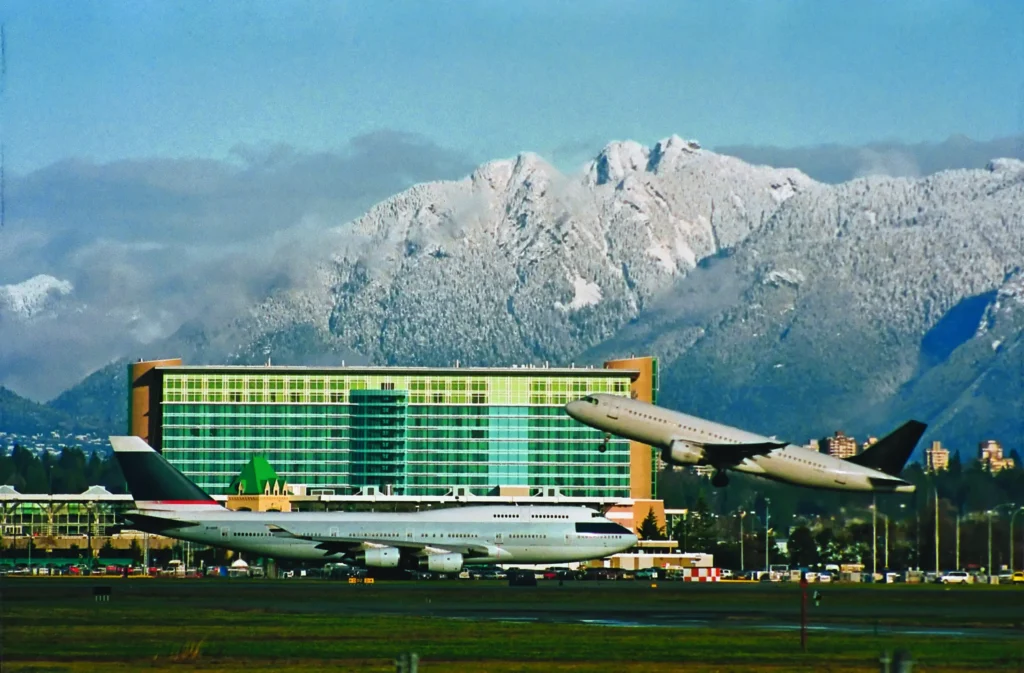
By plane, the international airport sits about 30 minutes from the city centre. The SkyTrain’s Canada Line runs from the airport to Vancouver Waterfront in roughly 25 minutes. Tickets are available from platform machines, which accept cash or credit cards, and the fare depends on the travel zone.
By train or bus, the main hub is Pacific Central Station, the terminal for Via Rail, Amtrak, and bus services. A nearby SkyTrain station connects to the westbound line toward the waterfront.
By cruise ship, passengers arrive at Canada Place on the waterfront, located right beside the SkyTrain’s Waterfront Station.
Getting Around the City
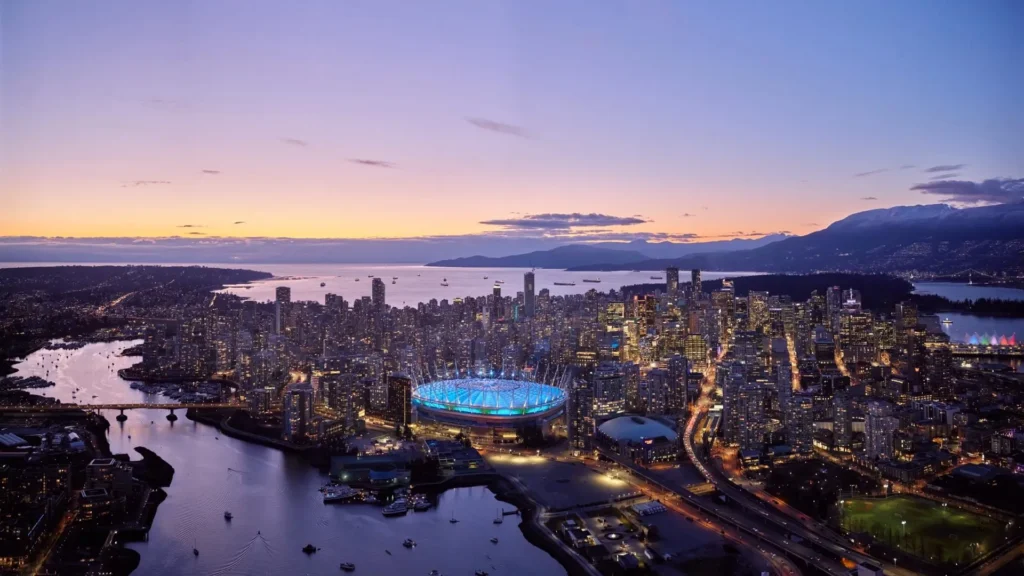
Downtown Vancouver is small and easy to explore on foot. Areas like Gastown, the Waterfront, and Stanley Park are all walkable. To reach neighbourhoods such as North Vancouver or Kitsilano, public transport is the better option.
The SkyTrain and local bus network both serve the city well. Frequent transit users benefit from a Compass Card, which works on both systems and is sold at SkyTrain stations and many London Drugs locations.
A hop-on-hop-off bus pass, available in 24 and 48-hour options, suits sightseeing days. Travellers planning day trips may prefer to rent a car, though summer rentals book up fast.
Where to Stay
Staying downtown saves both time and money for short visits, since it removes the need to commute through Vancouver’s busy rush-hour traffic. Options exist across all budgets.
Budget travellers can try the Barclay Hotel. Midrange choices include the Coast Coal Harbour Hotel, the Moda Hotel, and the Wedgewood Hotel and Spa. For a luxury stay, the Fairmont Pacific Rim and the Loden Hotel stand out.
Day 1: Stanley Park
Stanley Park covers over 1,000 acres of trails, beaches, gardens, and forest, easily filling a full day. An early start at the Vancouver Aquarium, which opens at 10am, helps visitors beat the crowds. The aquarium runs rescue and rehabilitation programs, and several residents were themselves rescued.
After the aquarium, the park’s many trails invite exploration. Key spots include the Totem Poles, Beaver Lake, the Lost Lagoon, Prospect Point, the Rose Garden, and the Hollow Tree. The Seawall offers some of the best ocean and mountain views, and Second Beach is a fine place to watch the sunset.
For food, the Teahouse Restaurant is well known but pricey and usually needs reservations. Budget travellers can pack a lunch, while the Stanley Park Brewing Co serves local beers and pub-style meals.
Day 2: Vancouver Neighbourhoods
The second day suits the downtown core and its surrounding neighbourhoods. A hop-on-hop-off tour completes the main circuit in a couple of hours.
The Waterfront and Canada Place offer mountain views and photo spots. Gastown, the oldest neighbourhood, features Victorian architecture, boutique shops, and the world’s only steam clock, plus the Vancouver Lookout for panoramic views. Granville Island draws food lovers with its large Public Market, breweries, galleries, and shops. Chinatown, Canada’s largest, dates to 1890 and holds the Dr. Sun Yat-Sen Classical Chinese Garden.
Davie Village is known for its vibrant LGBTQ community and nightlife. Yaletown offers chic coffee shops and patios. Kitsilano, a short bus ride away, features Kits Beach, paddleboard rentals, and a relaxed atmosphere.
Day 3: Explore the Nearby Outdoors
The final day focuses on the region’s natural attractions, with options shaped by interest and transport access.
Capilano Suspension Bridge Park and Grouse Mountain sit close together and combine well in one trip. The Capilano bridge hangs 70m above the river and stretches 140m, with extra trails like the Treetops Adventure and Cliffwalk. Grouse Mountain offers a cable car ride, a lumberjack show, and resident grizzly bears. Free shuttles to both leave from Canada Place, and transit access is also available.
Ocean activities are another option. Whale watching tours head into Howe Sound in search of orcas, while Seadragon Charters runs snorkelling and kayaking trips with seals. A road trip along the Sea to Sky Highway leads to Squamish and Whistler, passing the Sea to Sky Gondola, Shannon Falls, and Brandywine Falls.
Where to Eat and Drink
Vancouver rewards food lovers, with fresh seafood as a clear highlight. Granville Island’s Public Market is a must, with the pierogis earning a strong recommendation. The Boathouse serves seafood at Kitsilano Beach and English Bay, with happy hour Bellinis worth trying.
Trees Organic Coffee is known for its cheesecake, especially the white chocolate raspberry. Miku Sushi, near Canada Place, offers fresh sushi for dine-in or takeout. When ordering seafood, restaurants with the Ocean Wise label serve ethically caught options.
Nightlife
For drinks and dancing, Yaletown, Davie Street, and Gastown hold the best venues. The Craft Beer Market features over 100 draught beers, Canada’s largest selection. For comedy, Granville Island’s TheatreSports League runs nightly improv shows.
If You Have More Time
Travellers with extra days can go whale watching, take a day trip to Victoria, or attempt the challenging Panorama Ridge Hike. Three days offers a strong taste of the city, even if it cannot cover everything.
Stay tuned with us. Further, follow us on social media for the latest updates.
Join us on Telegram Group for the Latest Aviation Updates. Subsequently, follow us on Google News
