

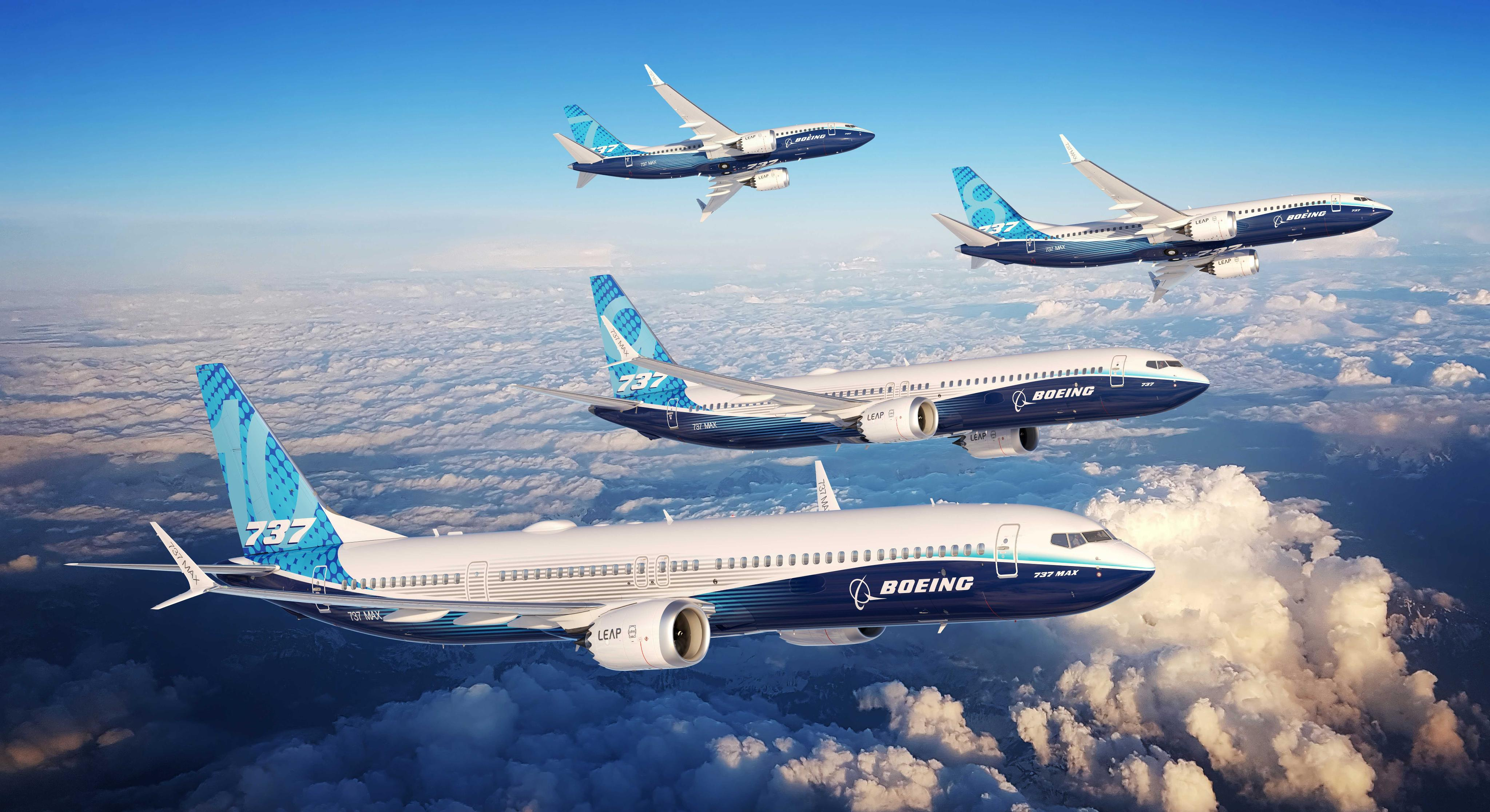
ARLINGTON– Boeing has confirmed that certification of the 737 Max 7 and Max 10 is in the final stages, with the US Federal Aviation Administration (FAA) expected to approve the Max 7 this summer. Southwest Airlines (WN) leads the order book for the smallest Max variant and continues to await deliveries.
Boeing CEO Kelly Ortberg shared the update on 27 May 2026, confirming that roughly 80% of flight tests are complete. United Airlines (UA), the largest Max 10 customer, expects to receive its jets after final approvals at the manufacturer’s facilities near Seattle-Tacoma International Airport (SEA).
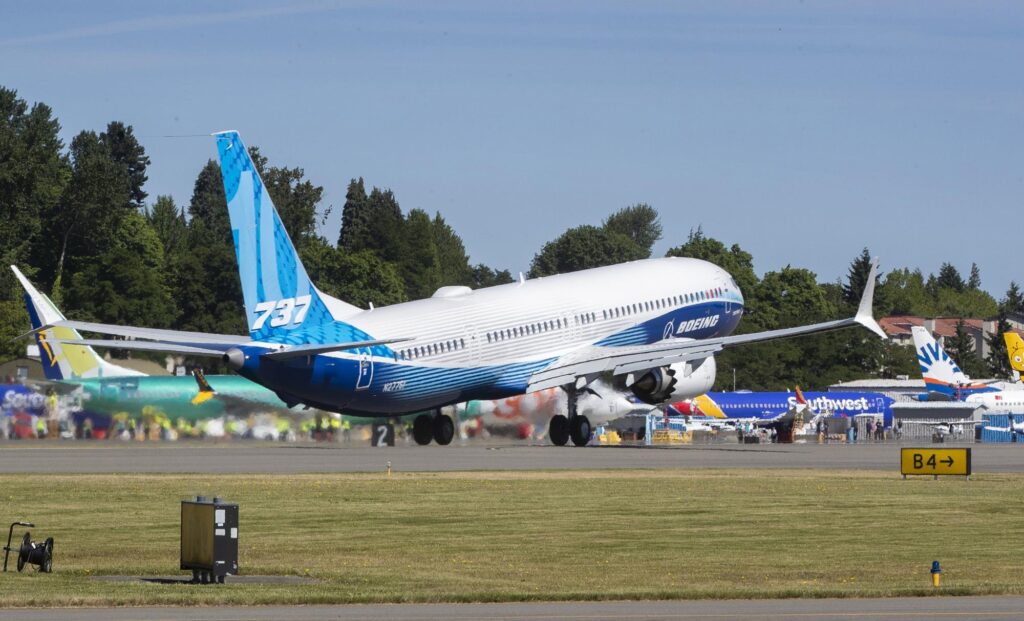
Boeing CEO Signals End of Long Certification Delays
Kelly Ortberg told investors at a Bernstein financial conference that the Max 7 and Max 10 certification programmes are nearing completion. He said the manufacturer has received all required FAA Type Inspection Authorizations (TIAs), the approvals that confirm an aircraft type is likely to meet certification standards.
“There’s clearly light at the end of the tunnel here,” Ortberg said. He added that no further TIAs are needed and that Boeing is steadily working through the remaining flight tests.
The Max 7 will receive certification first, with the Max 10 following in close proximity. Reuters reported on 27 May 2026 that FAA Administrator Bryan Bedford expects the Max 7 to be certified this summer, with the Max 10 approval likely before the end of 2026.
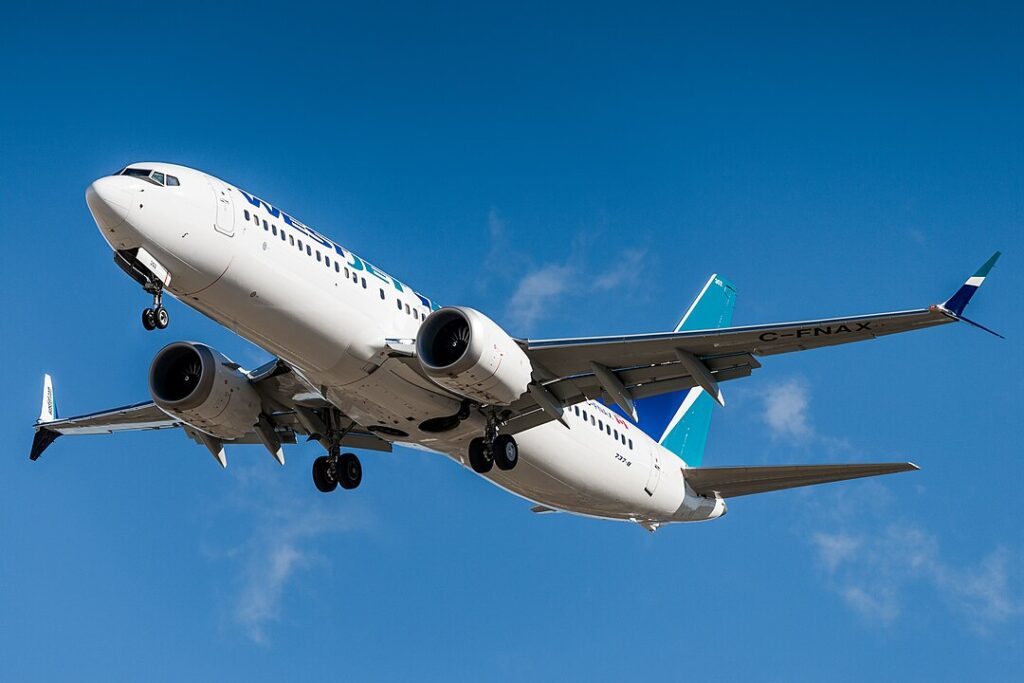
Max 10 Design Requires a More Complex Certification Package
The Max 10 measures 43.8m (143.7ft) in length, about 1.6m longer than the Max 9. The increased length required a redesigned main landing gear to prevent tail strikes during take-off rotation.
Boeing addressed this by fitting the Max 10 with a semi-levered main gear that extends 241mm (9.5in) upon rotation. A steel shrink link pulls the inner cylinder closed as the gear retracts, allowing the assembly to fit inside the same wheel well used by other Max variants.
Ortberg confirmed that the Max 10 certification package is larger than the Max 7’s because of these design differences.
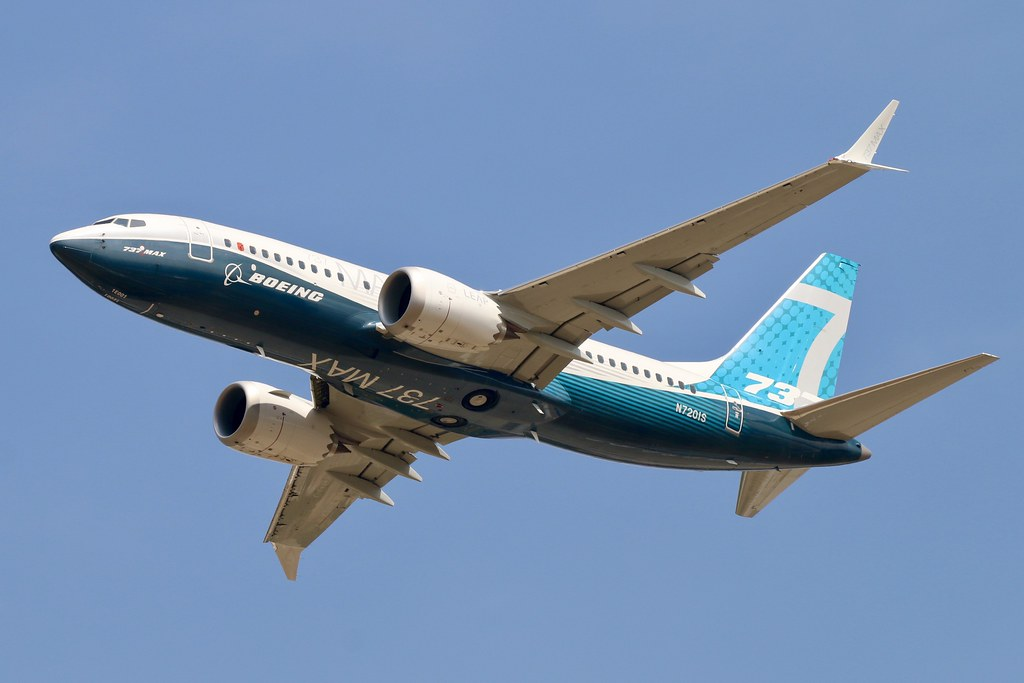
Engine Anti-Ice Redesign Testing Now Complete
Boeing has finished testing the redesigned engine anti-ice system that had previously held up Max 7 and Max 10 certifications. The original system could cause engine inlet inner barrels to overheat and potentially fail.
Boeing first revealed the issue in 2023. The defect became one of the main technical hurdles delaying the approval of both Max variants.
The redesign ensures the engine inlet structure remains within safe temperature limits during anti-ice system operation, removing a key obstacle to final certification.
Existing Max 8 And Max 9 Fleets Will Be Retrofitted
In-service Max 8s and Max 9s carry the same original anti-ice system but were certified before the defect was identified. The FAA addressed the safety risk on those aircraft by directing airlines to instruct pilots not to activate the system unless flying in or expecting icing conditions.
Boeing will install the redesigned anti-ice system on all new-build Max 8s going forward. The manufacturer also plans to fit the updated system on new-build Max 9s and to retrofit the changes on in-service Max 8s and Max 9s across the global fleet.
This phased rollout ensures that all 737 Max variants will eventually operate with the corrected anti-ice configuration.
Stay tuned with us. Further, follow us on social media for the latest updates.
Join us on Telegram Group for the Latest Aviation Updates. Subsequently, follow us on Google News
