

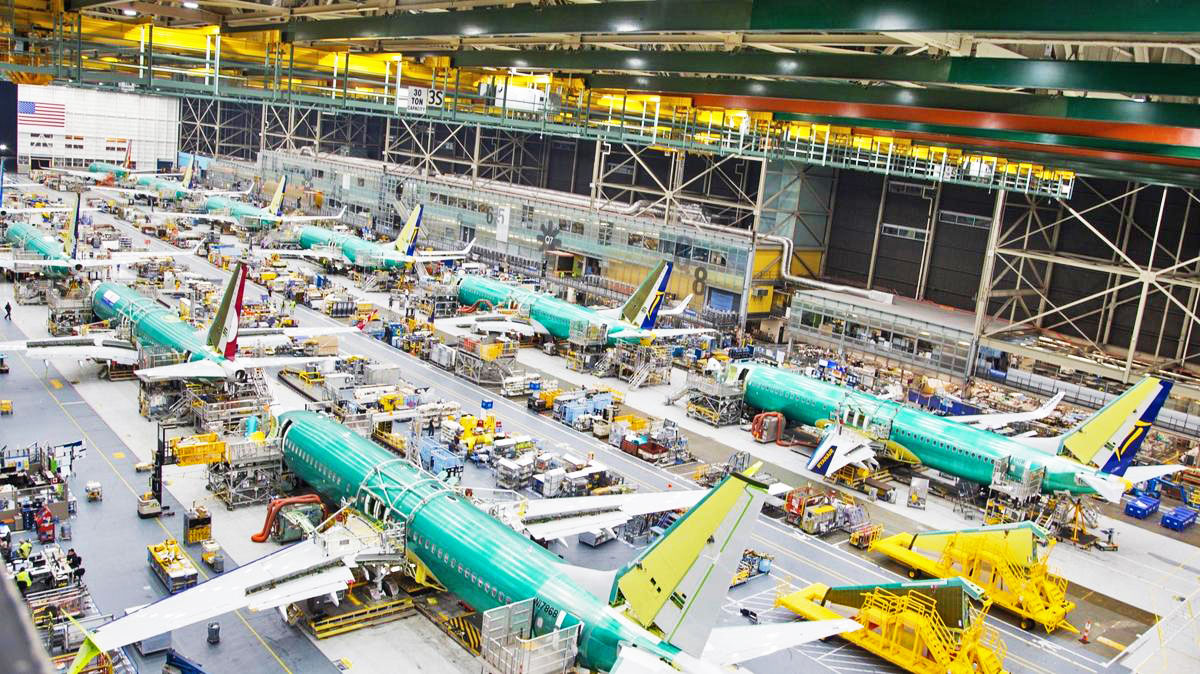
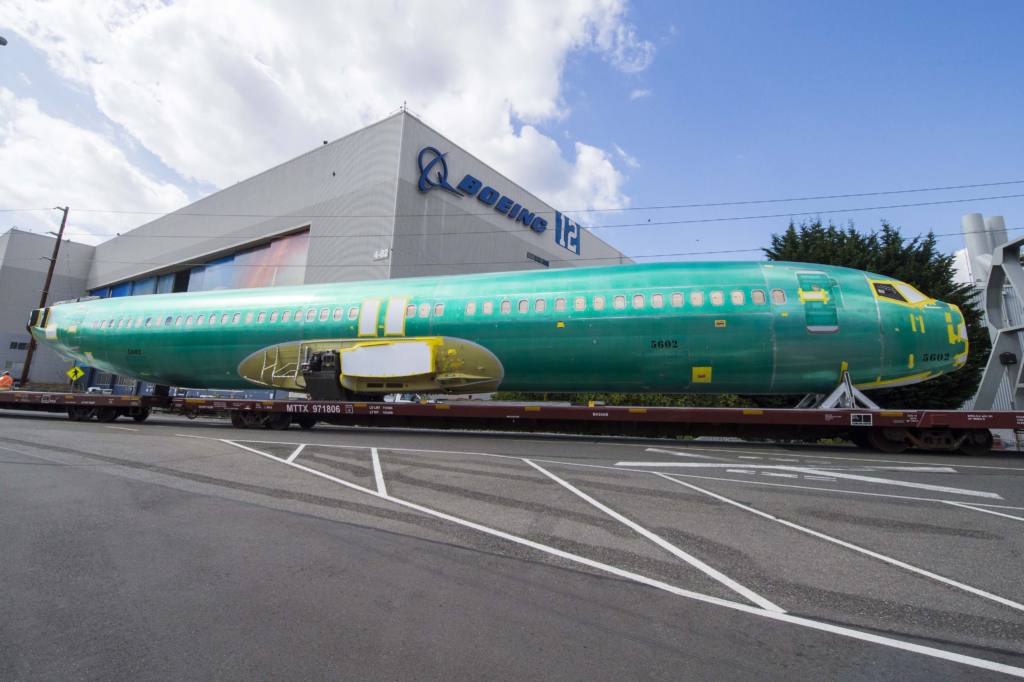
ARLINGTON- Boeing has increased 737 production to 47 jets a month, up from 42, following consultations with the Federal Aviation Administration (FAA). CEO Kelly Ortberg confirmed the milestone at the Bernstein Annual Strategic Decisions Conference on Wednesday.
The planemaker targets 52 jets per month in early 2027 through a new fourth 737 production line at its Everett (PAE) facility in Washington. The expansion follows the FAA lifting its 38-jet monthly production cap in October 2025.
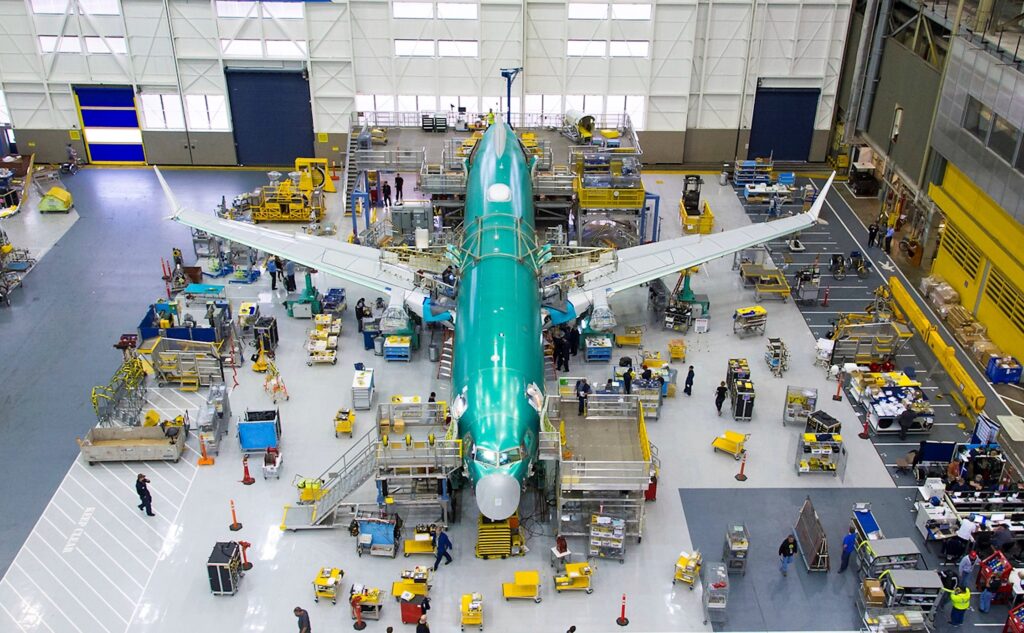
Boeing 737 MAX Production
Ortberg told investors the company is “off and rolling at the 47 rate” and expects to stabilize at that level within the next two months. The fourth production line in Everett will support the climb to 52 jets monthly, marking a significant operational shift for the U.S. planemaker.
The production cap traces back to a midair panel blowout on a nearly new 737 MAX in January 2024.
The incident exposed serious quality control issues, prompting intense oversight from customers and the FAA. Regulators capped output at 38 jets per month before easing restrictions in October 2025.
“I think the whole world’s watching to make sure we make (rate) 47 and 52,” Ortberg said, acknowledging the scrutiny on Boeing’s recovery, Reuters reported.
Financial Recovery and Turnaround Progress
Ramping up 737 deliveries remains central to Boeing’s broader turnaround. The company recorded more than $35 billion in losses between 2019 and 2024, driven by repeated production crises, certification delays, and quality lapses.
Boeing posted a $2.2 billion profit last year. The result was supported by the $10.6 billion sale of Jeppesen, its digital aviation services subsidiary.
Shares climbed roughly 4% in early trading on Wednesday before settling near the opening price.
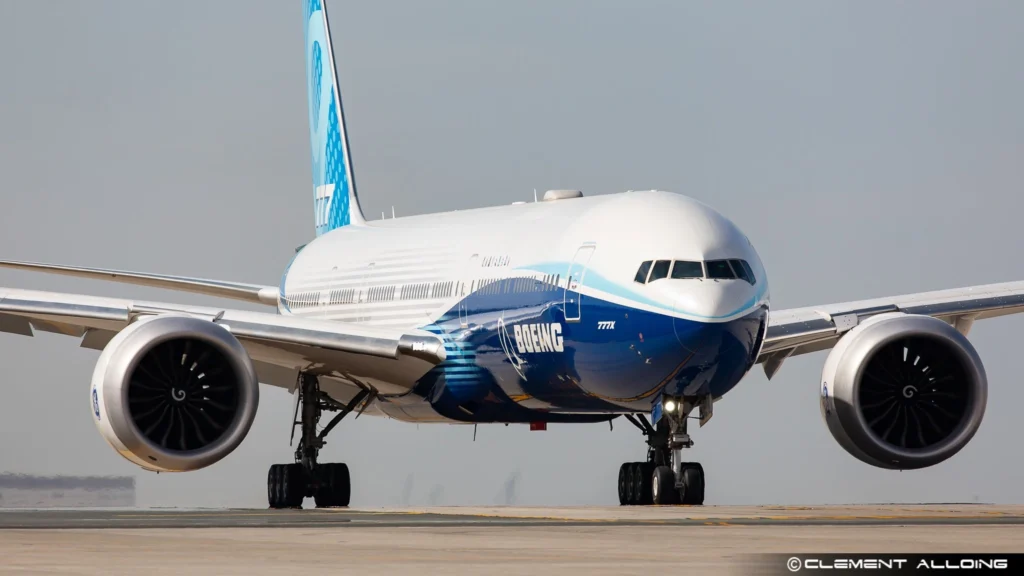
MAX 7, MAX 10, and 777-9 Certification Updates
Ortberg said certification flight tests for the 737 MAX 7 and MAX 10 are largely complete. Both variants, alongside the new widebody 777-9, have faced multi-year certification delays that weighed heavily on Boeing’s earnings.
He expressed confidence that the remaining flight testing for the new MAX engine anti-ice system will proceed without setbacks. Ortberg admitted that finishing certifications on new commercial aircraft sooner remains an area where he has not met his own goals.
787 Dreamliner Output Stabilizes
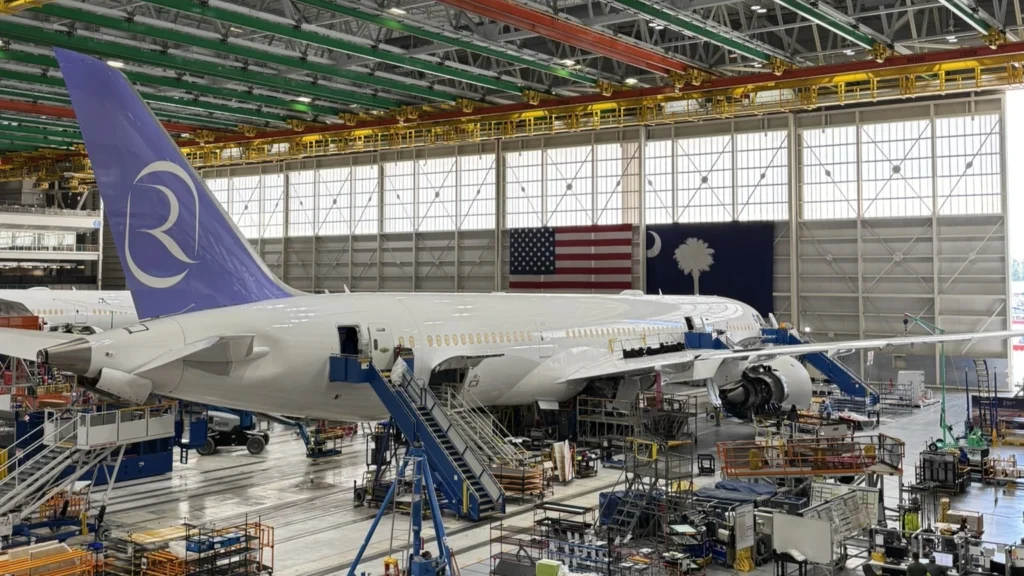
Production of the twin-aisle 787 has returned to eight jets per month. Output dipped earlier this year due to engine delivery delays from GE Aerospace. Certification issues involving new premium seats have also slowed the completion of 787 deliveries.
Boeing aims to raise 787 output to 10 jets per month later this year, provided engine supply keeps pace.
Ortberg noted that no customers have requested delivery delays despite the Iran War and elevated fuel prices. Many airlines have instead asked to accelerate deliveries where possible.
China Signals Long-Term Commitment
China committed to a future order of 200 Boeing jets earlier this month during President Donald Trump’s summit with Chinese leader Xi Jinping. The agreement marked Boeing’s first significant commitment from China in nearly a decade.
Investors had expected a larger order, sending shares lower after the announcement. Ortberg pushed back on that view, saying observers focus too heavily on the initial quantity.
He added that China needs hundreds of new aircraft annually to support economic growth, and the initial commitment should generate more orders over time.
Defense Segment Sees Strong Demand
Demand for Boeing’s munitions is “through the roof,” Ortberg said, with internal discussions centered on production capacity rather than securing new orders.
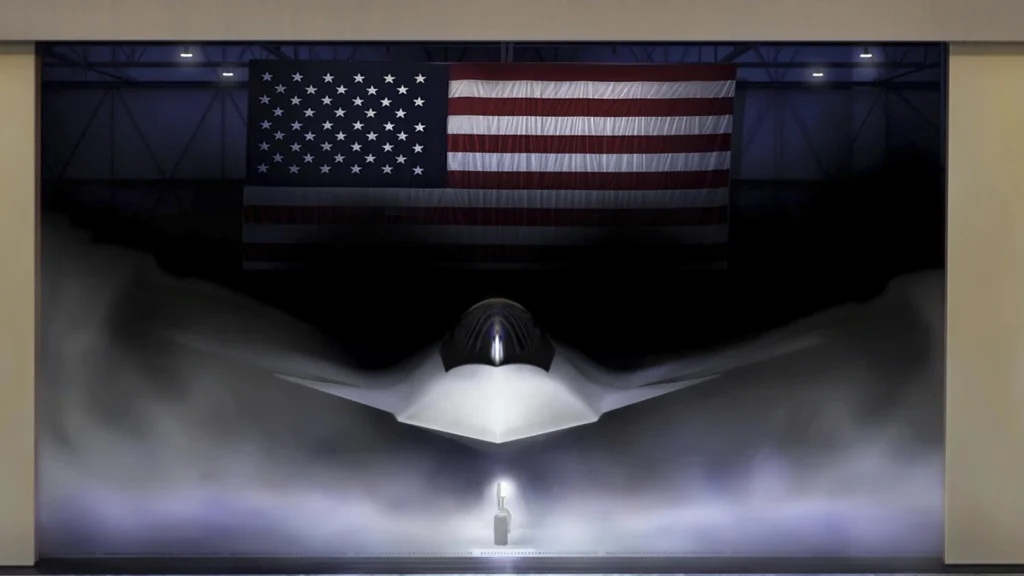
The U.S. Air Force has expressed strong satisfaction with progress on the F-47 sixth-generation fighter jet program, which Boeing won last year.
Ortberg emphasized that Boeing is approaching the F-47 program with a different operational discipline. Over the past decade, the company absorbed substantial charges on fixed-price military development contracts. He noted that Boeing has now walked away from some fixed-price opportunities it would have previously accepted.
Stay tuned with us. Further, follow us on social media for the latest updates.
Join us on Telegram Group for the Latest Aviation Updates. Subsequently, follow us on Google News
