


NEW YORK- United Airlines (UA) CEO Scott Kirby has stated that the carrier has no plans to take part in any industry consolidation for the foreseeable future. He made the comments at a Bernstein investor conference, pushing back on speculation that United is positioning itself for a major acquisition.
Kirby also dismissed the idea that United wants to buy JetBlue (B6), calling such a route network unprofitable. The remarks stand out because United and JetBlue already cooperate through the Blue Sky partnership, which supports United’s long-term goal of returning to New York John F. Kennedy International Airport (JFK).
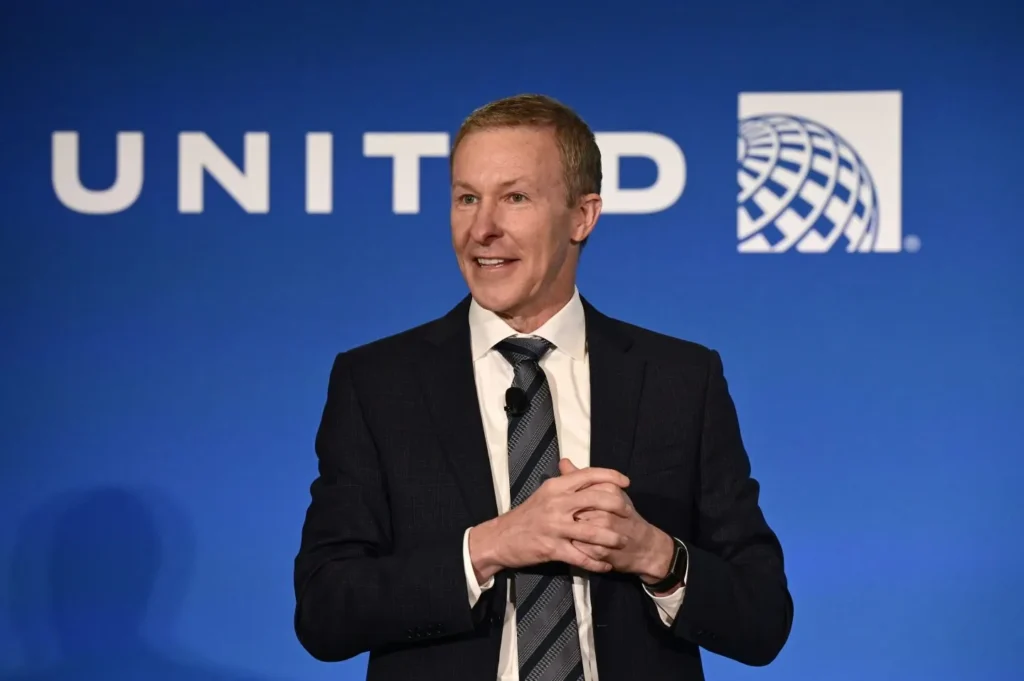
United CEO Pushes Back on Merger Speculation
At the Bernstein conference, Kirby said United does not expect to join any consolidation deal for as long as he can foresee.
He argued that the only merger that would make strategic sense for United would involve American Airlines (AA), but he noted that American is not interested. According to Kirby, American’s management does not believe such a deal would clear regulators.
When the discussion turned to whether an American pursuit was simply a way to win approval for a JetBlue acquisition, Kirby rejected the idea outright. He called that theory “idiotic” and said the last thing he would do is buy a route network that loses money. The reporting on these remarks was credited to Will Guisbond of The Air Current.
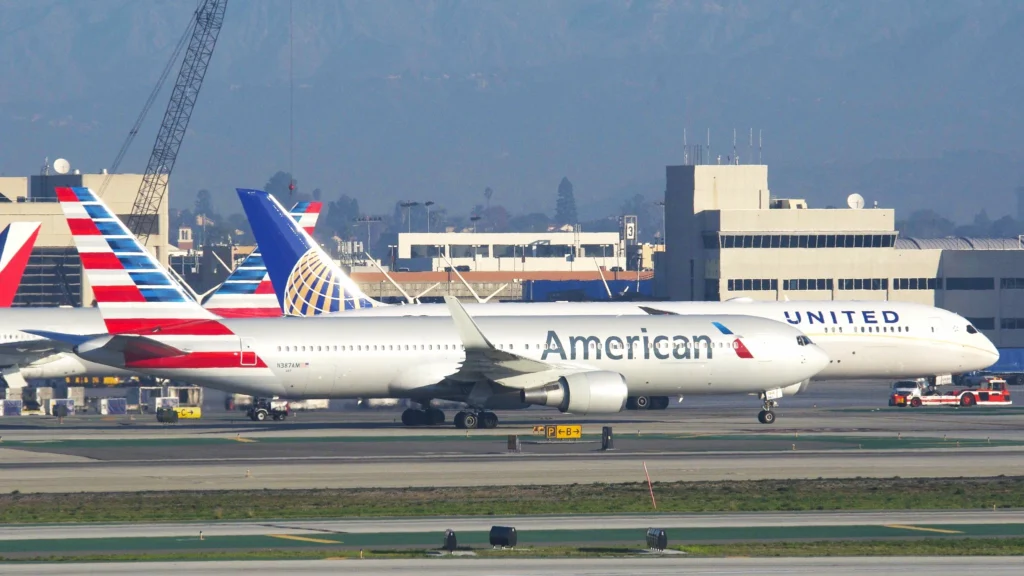
Background on the Consolidation Pitch
Several weeks before the conference, reports indicated that Kirby had approached President Trump about the concept of United acquiring American.
Kirby has spent considerable effort building ties with the Trump administration, which is viewed as more open to airline consolidation than the previous administration.
Kirby publicly framed his case using a “trade deficit” style argument tied to national competitiveness. Critics viewed the reasoning as weak, but the pitch led many observers to wonder whether it was an early step toward gaining approval for a smaller deal, such as a United acquisition of JetBlue, OMAAT flagged.
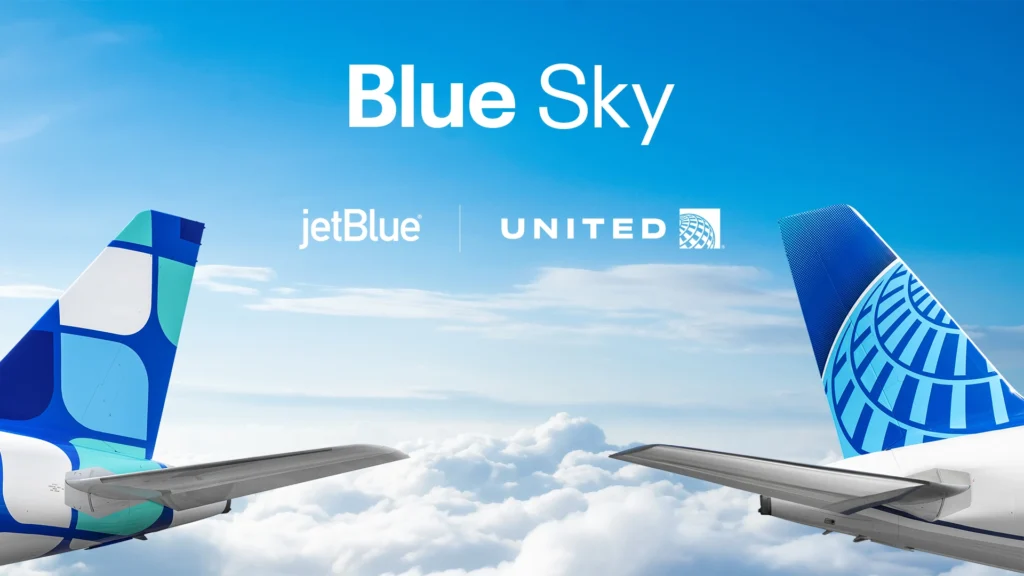
The United and JetBlue Blue Sky Partnership
United and JetBlue currently work together through the Blue Sky partnership. The agreement covers an interline arrangement and a loyalty collaboration between the two carriers.
United views the relationship as an important tool in its effort to rebuild a presence at JFK, where it wants to grow its New York footprint.
This existing cooperation is one reason Kirby’s dismissive tone toward JetBlue drew attention. Over the past two years, United executives repeatedly suggested interest in a JetBlue merger if regulators allowed it and if JetBlue was willing. About a year earlier, Kirby himself said the decision on consolidation rested with JetBlue.

Mixed Messaging Raises Questions
The sharp change in tone has raised questions about Kirby’s intentions. Some observers believe the comments may be a negotiating tactic rather than a final position, possibly aimed at influencing JetBlue’s stock price. Others note that Kirby did not acknowledge how his stance has shifted over time.
There is also a stronger financial case against JetBlue that Kirby did not emphasize. JetBlue carries close to $8 billion in debt, which would be costly to service in any merger.
Supporters of a deal argue the network could become profitable under stronger management, with bigger credit card revenue, new premium cabins across flights, and added connectivity at JFK through the Star Alliance and the transatlantic joint venture.
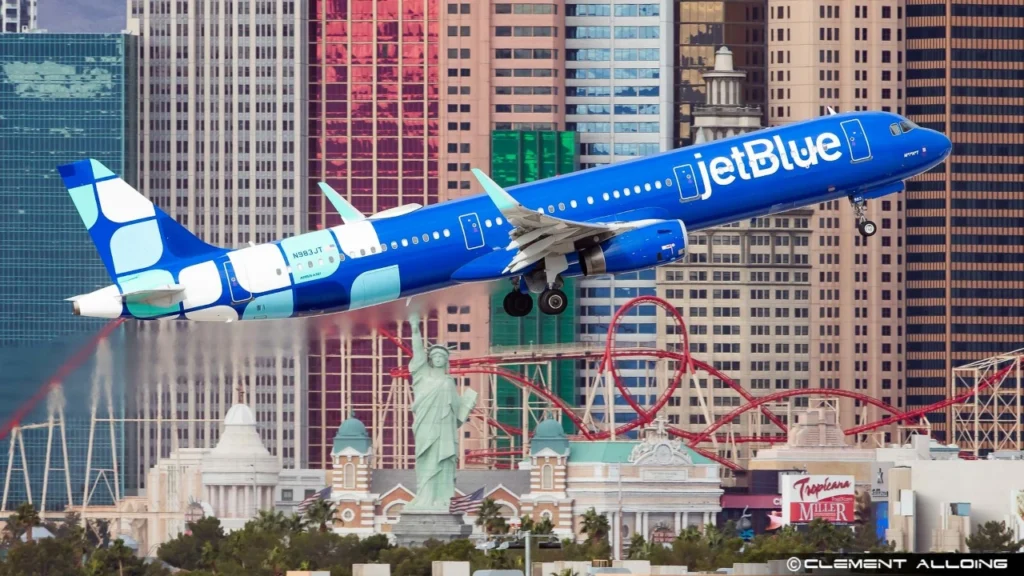
What This Means for JetBlue
JetBlue’s situation remains difficult. The airline has not posted a profit in seven years, continues to lose money, and faces a debt load that is becoming harder to manage. Even with improved operating margins, the carrier may move closer to a Chapter 11 reorganization without a deal.
JetBlue has reportedly explored merger options with several airlines. Alaska Airlines (AS) could be a logical fit, though its ongoing Hawaiian Airlines (HA) integration may make the timing too soon. A Southwest Airlines (WN) deal appears unlikely to make sense.
An American tie-up may carry the most upside, but American is considered the weakest among the potential partners financially. The recent liquidation of Spirit Airlines (NK) has further reshaped the competitive landscape.
Stay tuned with us. Further, follow us on social media for the latest updates.
Join us on Telegram Group for the Latest Aviation Updates. Subsequently, follow us on Google News
