

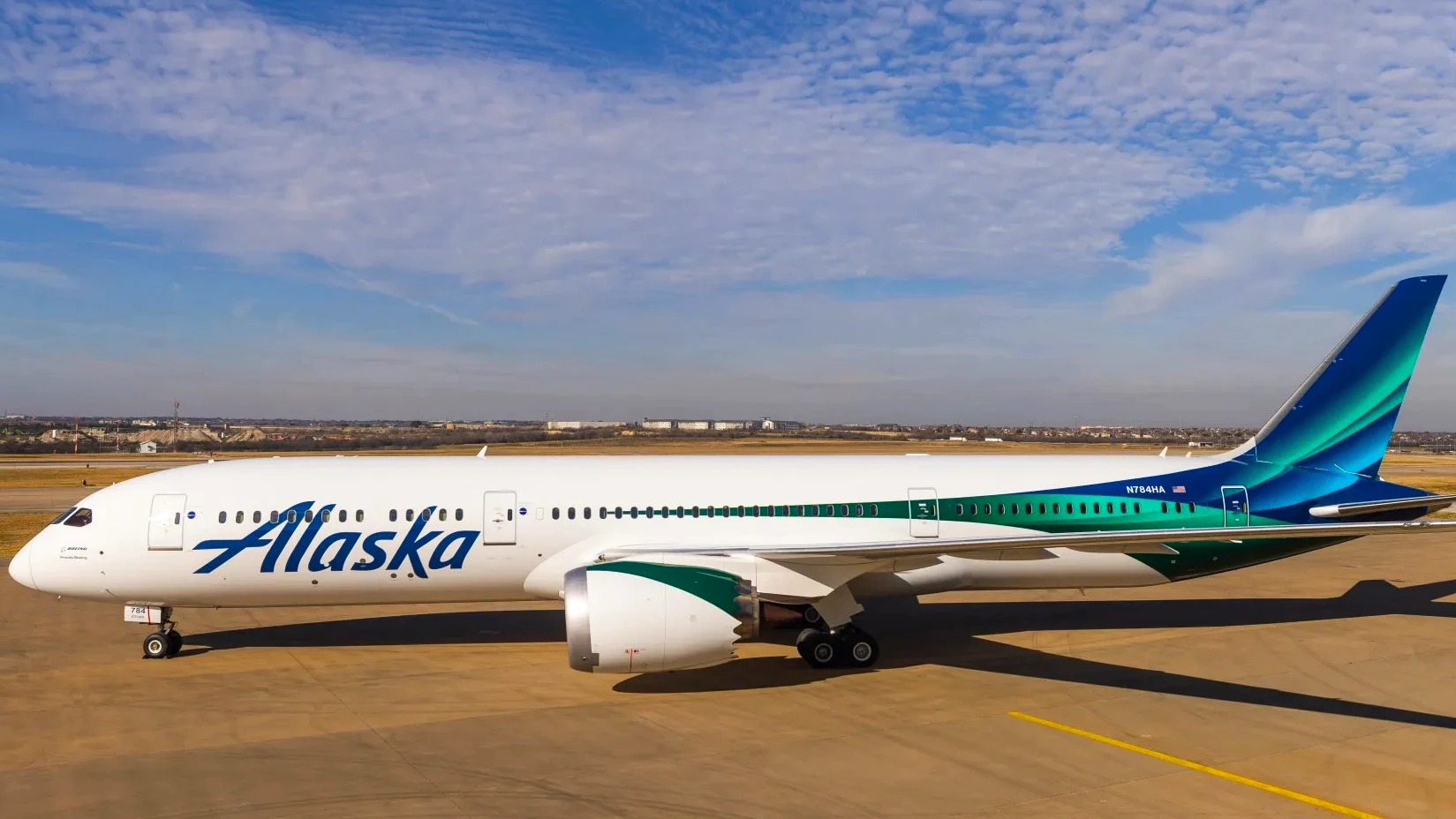
WASHINGTON– The Federal Aviation Administration (FAA) has proposed a $165,000 civil penalty against Alaska Airlines (AS) after alleging the carrier allowed visibly intoxicated passengers to board 11 separate flights between February 2024 and February 2025.
The enforcement action marks another high-profile compliance case as US regulators intensify oversight of airline operational safety and passenger handling procedures.
According to the FAA, the alleged incidents violated Section 121.575 of the Federal Aviation Regulations, which prohibits airlines from boarding passengers who appear intoxicated.
The regulator stated that Alaska Airlines failed to prevent several impaired travelers from flying, despite federal rules requiring carriers to identify and deny boarding to such passengers before departure from airports across the United States.
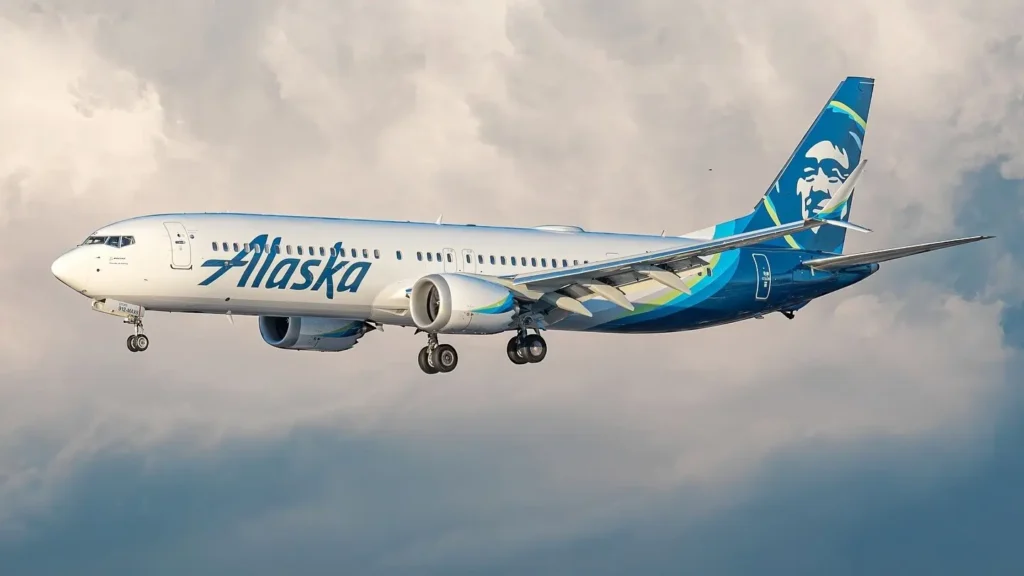
Alaska Airlines Faces Enforcement Action by FAA
The FAA said Alaska Airlines now has the option to either pay the proposed fine or challenge the penalty through a hearing before an administrative law judge under the US Department of Transportation.
Federal regulators did not publicly identify the affected flights or airports involved in the 11 reported incidents.
The enforcement case comes as the FAA continues strengthening its oversight of airline compliance programs. Regulators have increasingly focused on operational procedures involving passenger safety, alcohol-related disturbances, and crew responsibility standards.
FAA rules also require airlines to report alcohol-related passenger incidents within five days. These reports help regulators monitor trends involving disruptive behavior, intoxication, and onboard safety risks that could affect passengers or crew members during flight operations.
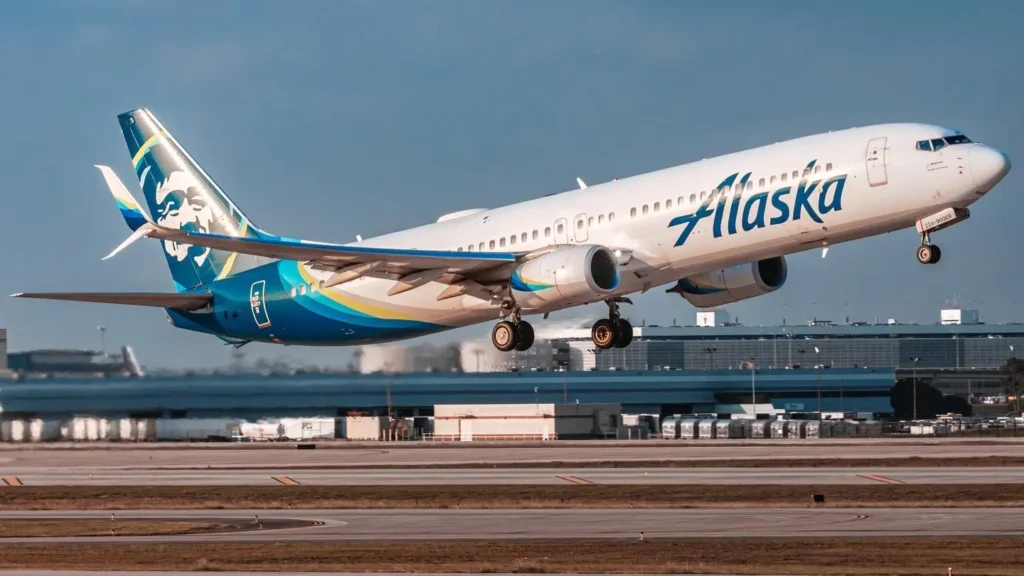
Alaska’s Response to FAA
Alaska Airlines said it fully cooperated with the FAA’s audit and has already implemented corrective measures designed to improve compliance with federal expectations.
The airline stated that it introduced enhanced employee training and stricter screening procedures for gate agents and flight attendants after the regulator raised concerns.
The carrier said frontline employees now receive additional guidance on recognizing signs of intoxication before boarding begins.
Staff members are trained to identify slurred speech, impaired movement, aggressive behavior, and other indicators that may suggest a passenger is unfit to travel.
The airline also strengthened communication protocols between gate agents, flight attendants, and cockpit crews.
Under updated procedures, employees can immediately flag passengers in the reservation system if intoxication concerns arise during boarding or pre-departure interactions.
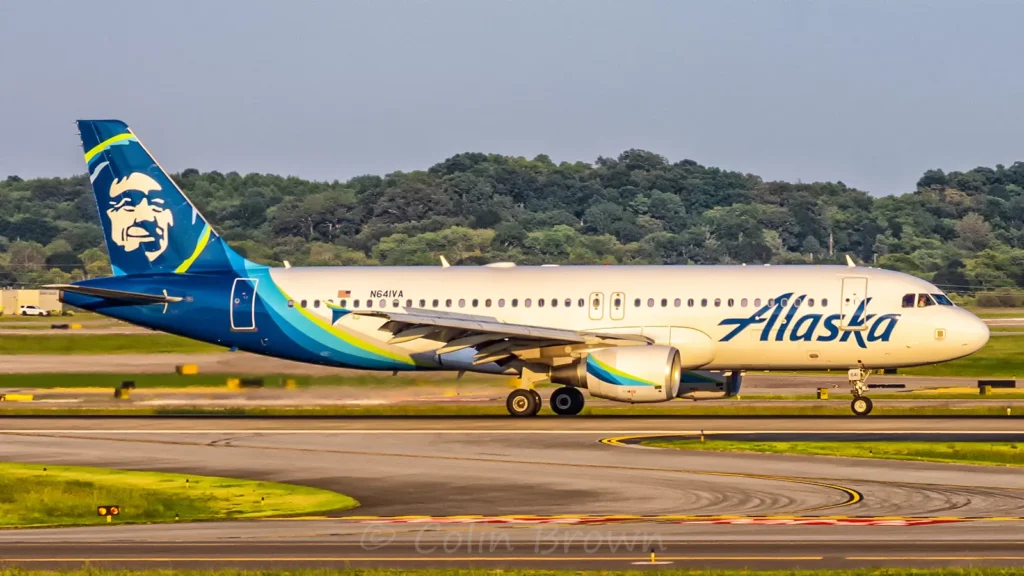
Passenger Safety Rules
US aviation regulations require airlines to maintain a strict “no-fly” policy for visibly intoxicated passengers because disruptive behavior can quickly escalate in the confined environment of an aircraft cabin.
Flight attendants are responsible not only for customer service but also for emergency evacuations, inflight medical assistance, and cabin security.
Airline employees commonly use brief passenger interactions during boarding to assess behavior and physical condition.
Indicators such as unstable walking, aggressive mood changes, glazed eyes, or the smell of alcohol may trigger additional screening or denial of boarding.
If a passenger becomes confrontational after being denied travel, airport law enforcement officers may intervene.
In serious cases, the FAA can separately pursue enforcement actions against passengers, including civil penalties that can exceed $37,000 for disruptive conduct onboard commercial aircraft, Simple Flying flagged.
Stay tuned with us. Further, follow us on social media for the latest updates.
Join us on Telegram Group for the Latest Aviation Updates. Subsequently, follow us on Google News
