

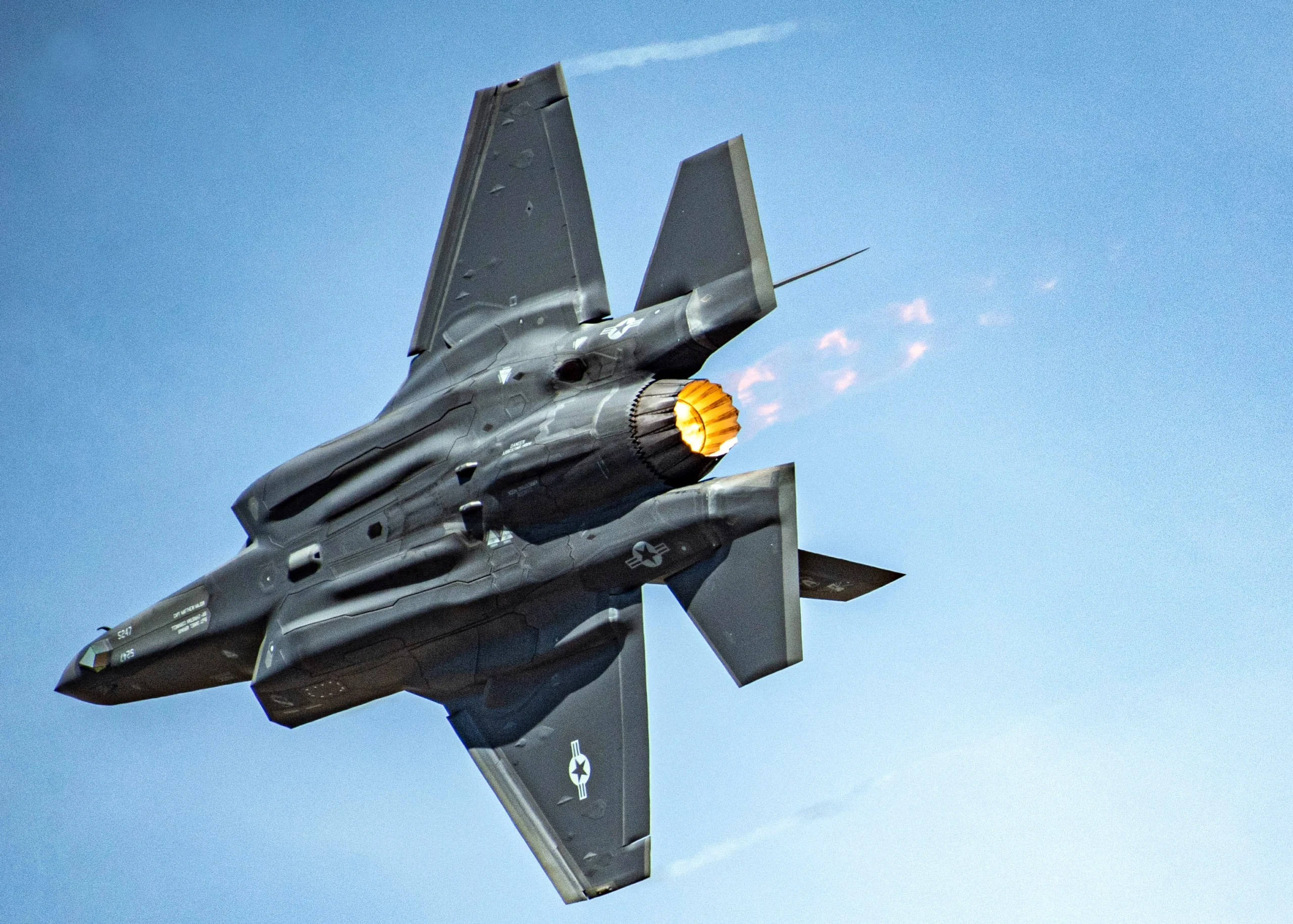
PATUXENT RIVER- Earlier this year, the F-35 Joint Program Office and the United Kingdom Ministry of Defence completed the first test flight of 4 Selective Precision Effects At Range Capability 3 (SPEAR 3) missiles aboard a fifth-generation F-35B Lightning II test aircraft, marking a major milestone for Britain’s next-generation precision strike capability.
The flight took place at Naval Air Station Patuxent River, Maryland, home of the F-35 Integrated Test Force.
Royal Navy Lt. Cmdr. Nick Baker of the Air and Space Warfare Centre piloted the test aircraft, with engineering and weapons specialists from multiple nations supporting the mission on the ground.
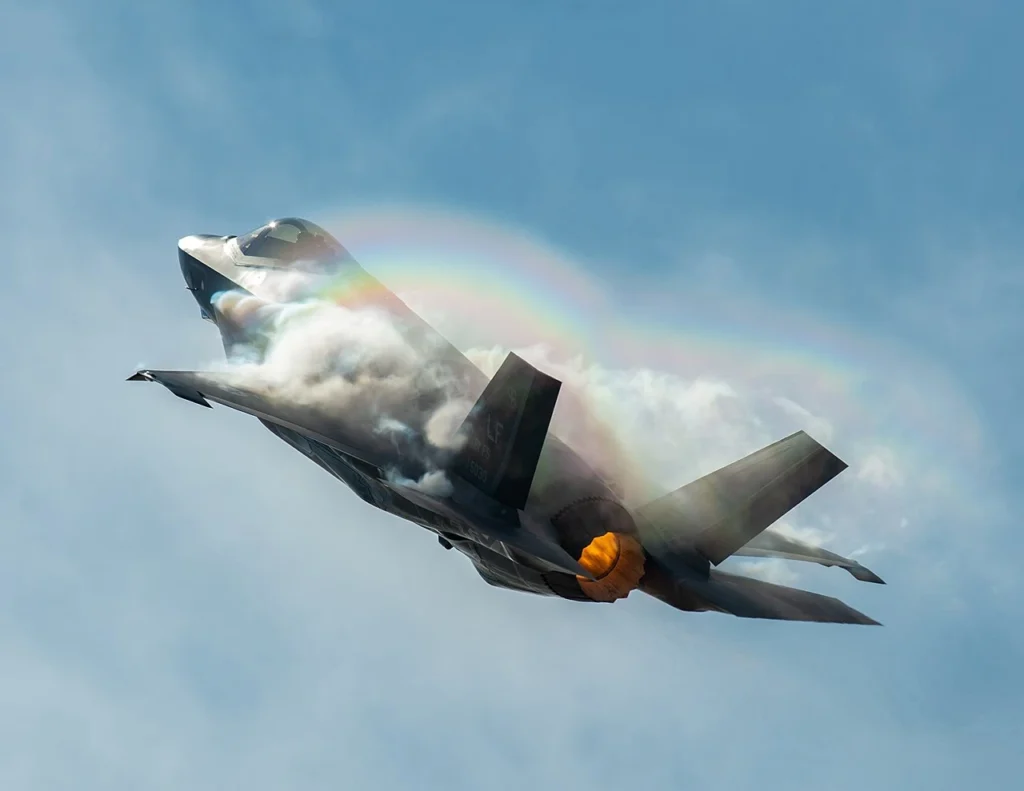
SPEAR 3 Missile Integration on F-35B
The first carriage flight forms a critical step in qualifying SPEAR 3 for operational service on the F-35B, the short take-off and vertical landing variant of the Lightning II.
The trial strengthens the UK’s F-35B precision strike arsenal and reinforces the F-35 JPO’s commitment to advancing enterprise-wide capabilities for all partner nations operating the aircraft.
For the test, maintainers loaded four inert SPEAR 3 rounds fitted as environmental data recording assets.
The instrumentation captured the technical baseline needed to progress to mission systems integration and jettison trials, the next critical milestones for SPEAR 3 integration on the F-35.

US and UK Teams Deliver Test
The mission drew on contributions from the F-35 JPO, the UK MoD, and a wide industry base, with the effort characterised by a spirit of collaboration.
Personnel from the US Navy, the Royal Navy, the Royal Air Force, and Lockheed Martin Aerospace maintainers and weapons technicians handled aircraft preparation and weapons loading. Engineers from MBDA Inc. oversaw test execution and data analysis.
RAF Cpl. Daniel Housden, who has been closely involved in the test programme, described the achievement as the result of sustained joint work.
He stated the team had been working hard toward the key milestone and expressed pride that SPEAR 3 has now flown on the F-35B.
He added that he looked forward to continuing with testing at the F-35 ITF and starting preparations for the first ejections.
Dan Shelton, the F-35 JPO UK and Italy weapons integration program manager, credited the combined UK government and industry weapons team alongside US government and industry partners.
He noted that the team’s exceptional collaboration proved essential in navigating the complexities of the programme, allowing the group to work through every challenge and deliver results.
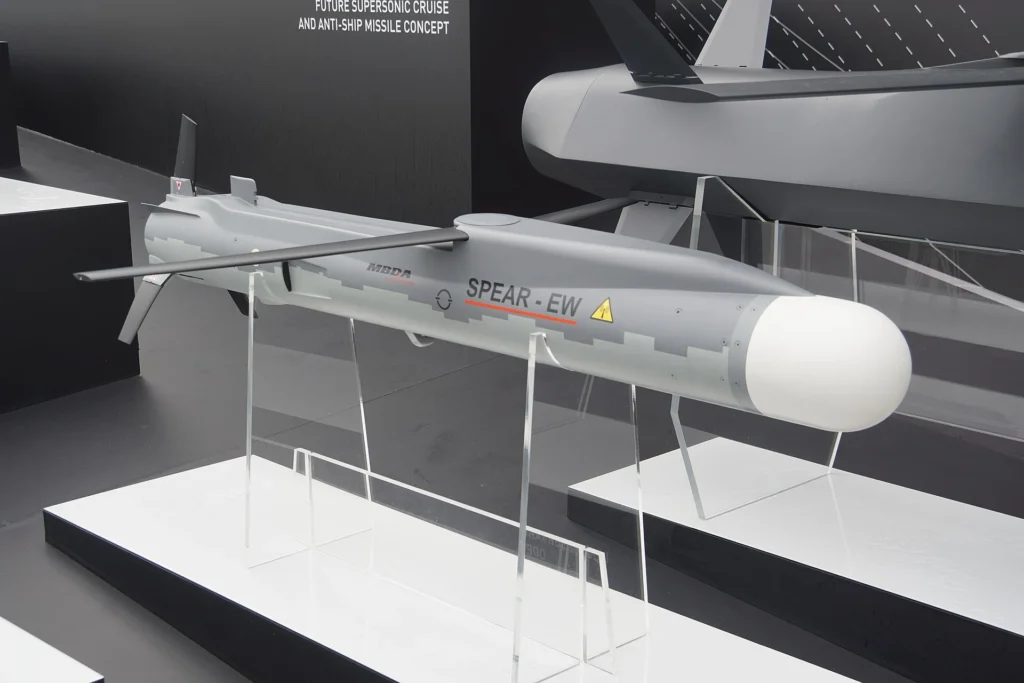
Inside the SPEAR 3 Weapon System
SPEAR 3 sits at the centre of the UK’s future precision strike capability. The MoD plans to adopt it as the primary air-launched, precision effects, surface attack weapon, supported by an advanced, network-centric design that links the weapon into the wider battlespace.
The system addresses the persistent demand for precision strike weapons capable of operating in all conditions, resisting intensive countermeasures, and engaging moving and manoeuvring targets.
These 3 requirements have shaped the design from the outset and define its operational role.
An internal turbojet engine powers the missile, allowing it to fly out to its target and deliver a precision effect against threats such as surface-to-air missile sites, armoured vehicles, and critical infrastructure.
The propulsion arrangement gives the weapon a stand-off range that pure glide weapons cannot match.
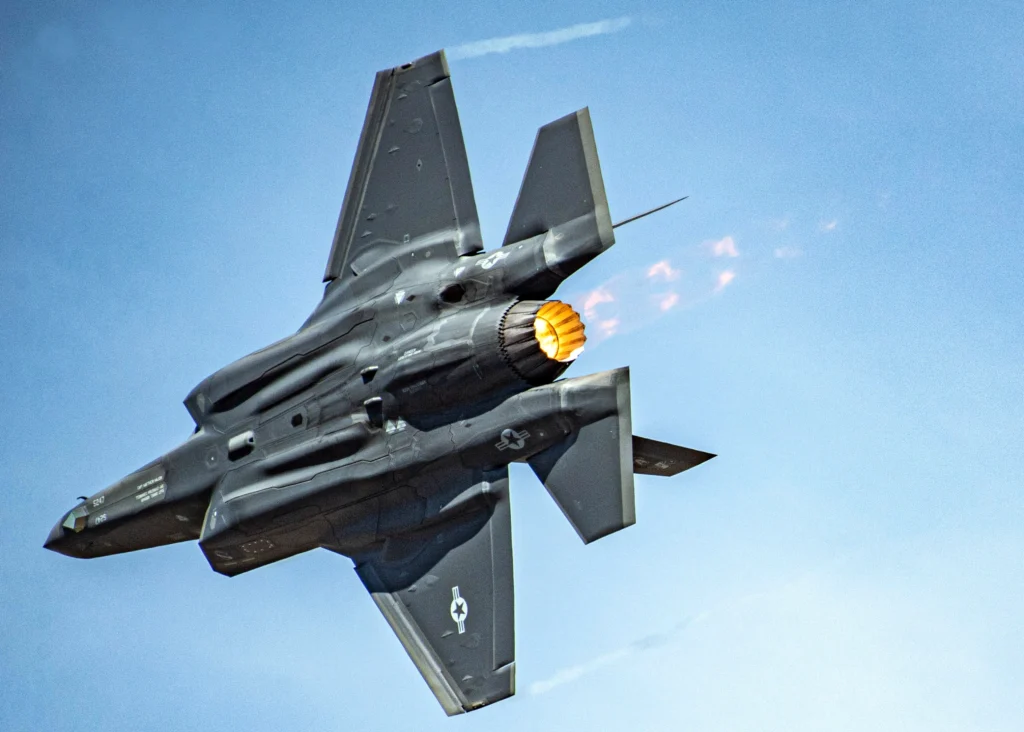
Future Trials and Operational Loadout
Test team members analysed the data collected from the first flight and are now preparing for the first mission systems integration work and jettison trials. Both phases must clear before live firings can begin.
Once fully integrated, the F-35B will be able to carry up to eight SPEAR 3 missiles. The configuration enhances the aircraft’s ability to conduct precision strikes while maintaining stealth and survivability, giving the UK Lightning Force a deep magazine of stand-off precision weapons for operations in contested airspace.
Stay tuned with us. Further, follow us on social media for the latest updates.
Join us on Telegram Group for the Latest Aviation Updates. Subsequently, follow us on Google News
