

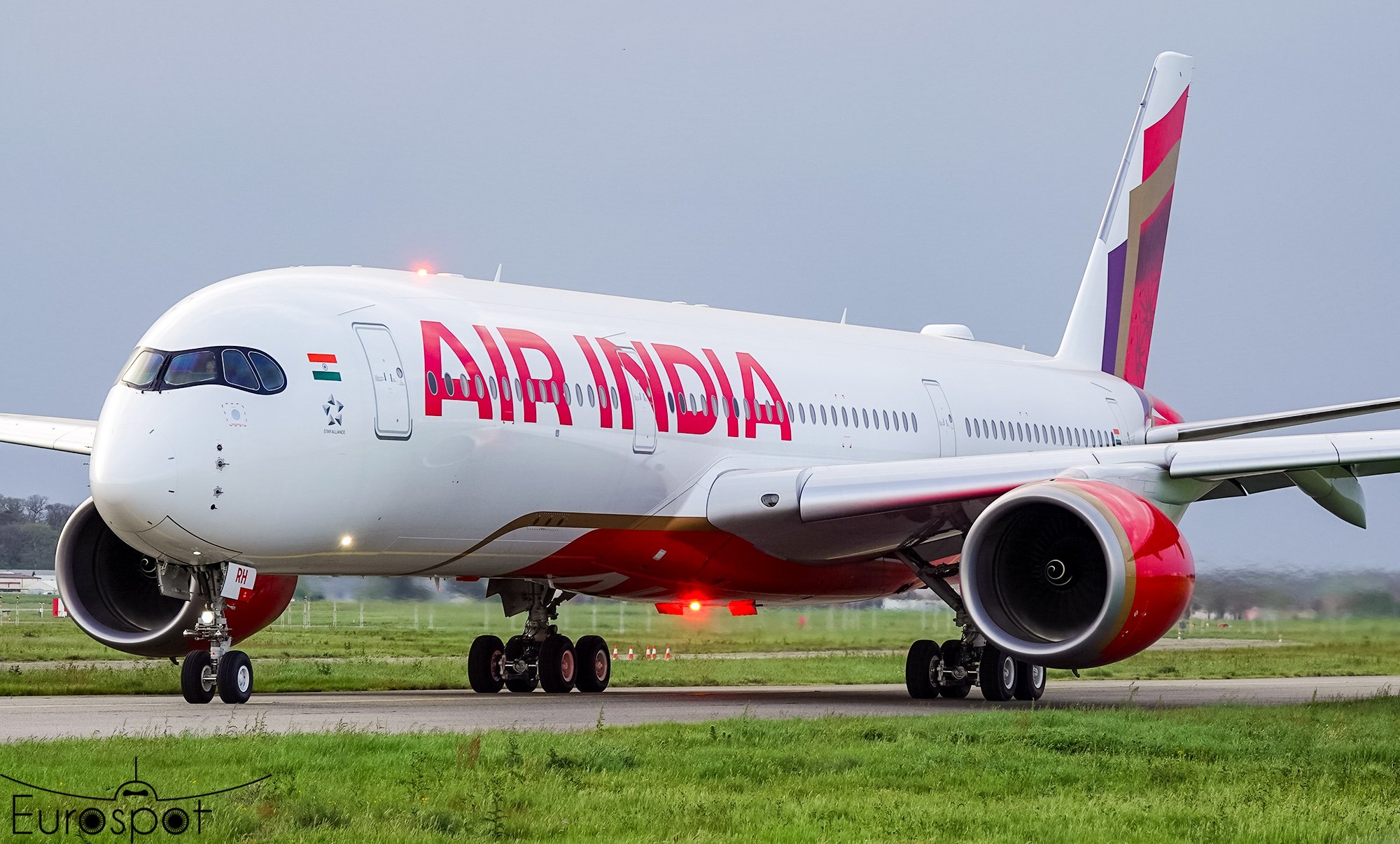
DELHI- Air India (AI) is accelerating its digital transformation strategy by deploying artificial intelligence across customer service, maintenance planning, crew management, and operational monitoring.
The Tata Group-owned airline expects these AI-driven initiatives to generate nearly Rs 100 crore in annual savings as it expands its fleet and operations.
The carrier’s chief digital and technology officer, Satya Ramaswamy, said the airline has already developed more than 30 in-house AI tools to improve efficiency across its business.
Air India’s ongoing technology overhaul comes as the airline attempts to modernize its systems, reduce operating costs, and improve reliability while managing accumulated losses exceeding Rs 26,000 crore.
AI Customer Service
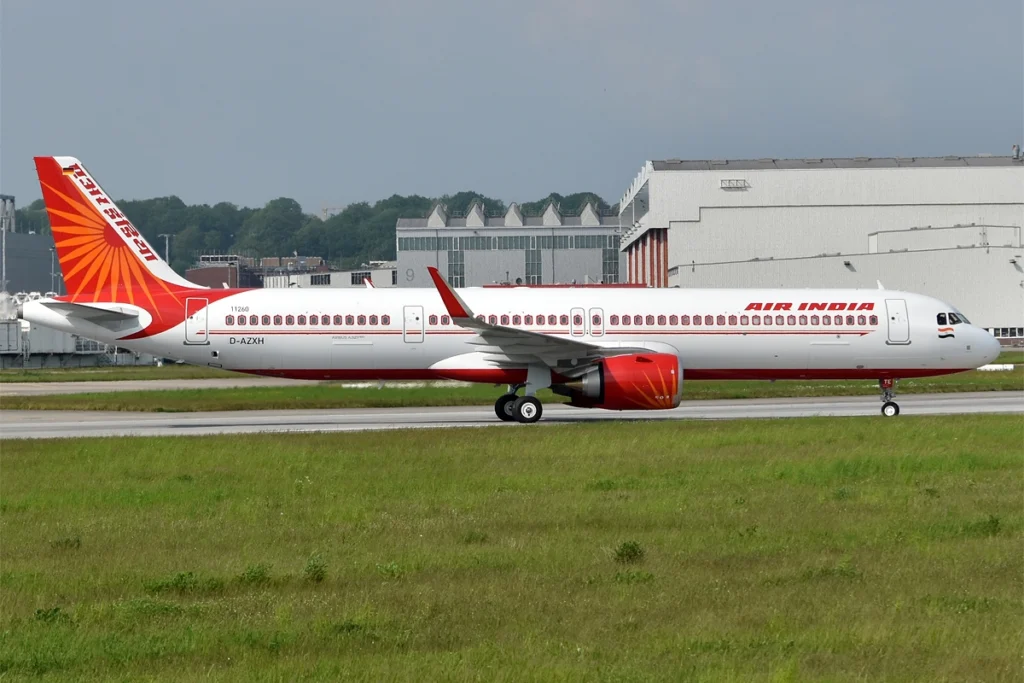
Air India has increasingly integrated generative AI into passenger-facing services. The airline’s chatbot now automatically processes customer emails, booking details, and refund requests, enabling faster issue resolution and reducing pressure on customer support teams.
According to the airline, the AI-enabled system has already cut call center volumes by nearly 50%.
The platform can evaluate customer cases and make logical decisions regarding refunds, ticket modifications, and complaint handling without requiring extensive manual intervention.
The airline’s digital transformation has also attracted recognition from global technology firms.
Microsoft CEO Judson Althoff stated that Air India is the first airline globally to deploy generative AI for customer service at scale.
Ramaswamy, who previously led data initiatives at Tata Consultancy Services, was selected by Tata Sons Chairman Natarajan Chandrasekaran to rebuild Air India’s digital infrastructure after the carrier returned to private ownership.
AI-powered Fleet Operations for Air India
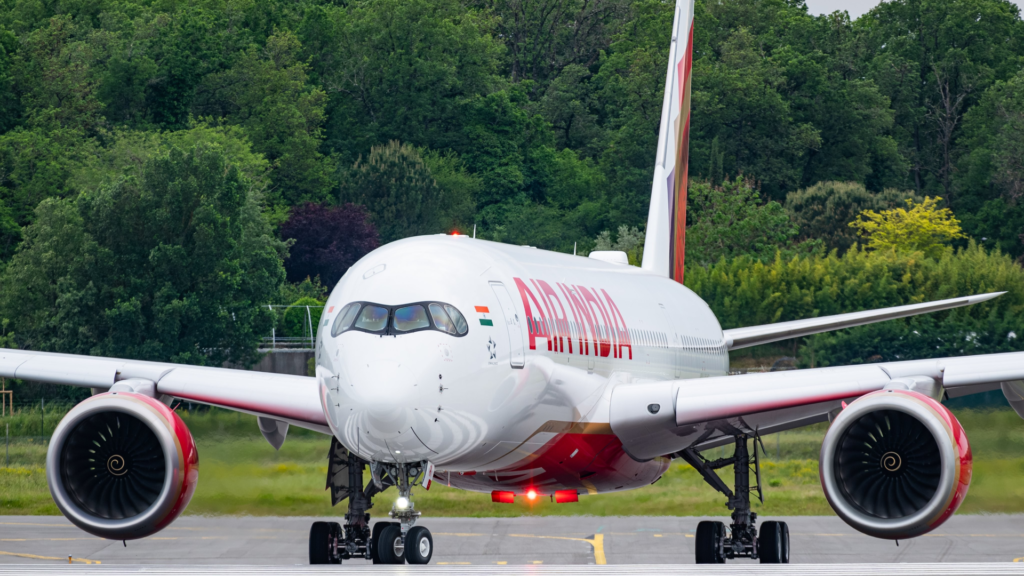
Air India is also using AI to improve operational performance across its nearly 300-aircraft fleet, Economic Times reported.
The technology supports predictive decision-making in aircraft maintenance and identifies operational disruptions before they escalate into wider delays.
The airline’s internally developed monitoring system analyzes real-time operational patterns at airports and stations. The software can identify trends affecting on-time performance and alert operational teams before disruptions spread through the network.
For airlines, maintaining schedule reliability depends on multiple interconnected activities, including baggage handling, aircraft cleaning, crew positioning, passenger boarding, and cargo unloading.
Delays in one process can rapidly affect subsequent flights.
Ramaswamy explained that the AI-powered performance tool helps teams identify the root cause of delays at specific stations and respond quickly with corrective measures.
The system allows Air India to move from reactive problem-solving to proactive operational management.
Air India’s Expansion Strategy
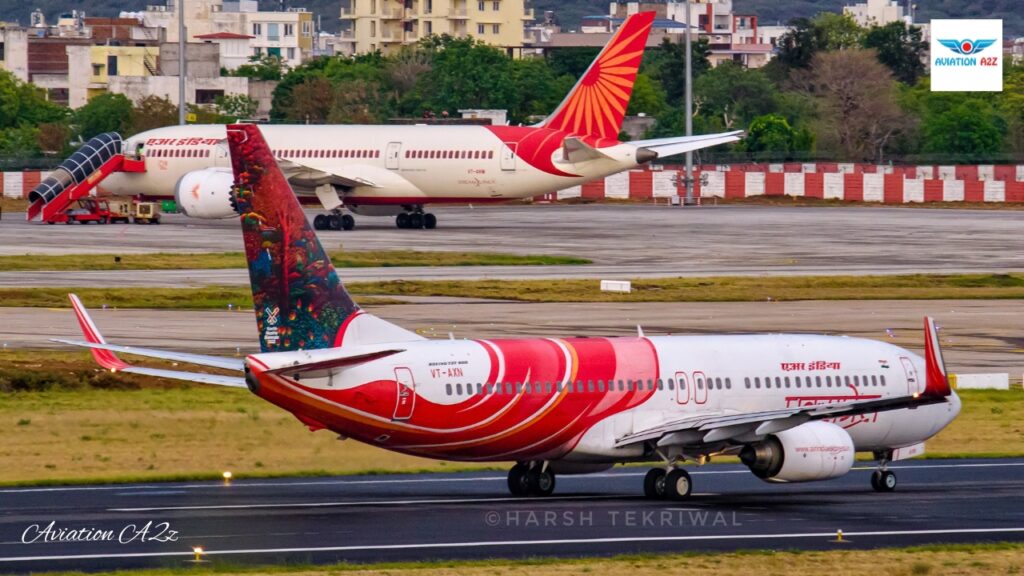
The airline believes AI will become increasingly important as it expands its fleet over the coming years.
Air India currently has one of the aviation industry’s largest aircraft order books and plans to increase capacity significantly.
One example involves crew duty allocation. The airline is developing AI systems that can assign tasks more efficiently, reducing the need for proportional hiring as the carrier inducts additional aircraft.
The strategy aligns with Tata Group’s broader effort to transform Air India into a globally competitive full-service airline.
Digital automation and AI-driven efficiency are expected to play a major role in controlling costs while supporting future growth.
Stay tuned with us. Further, follow us on social media for the latest updates.
Join us on Telegram Group for the Latest Aviation Updates. Subsequently, follow us on Google News
