

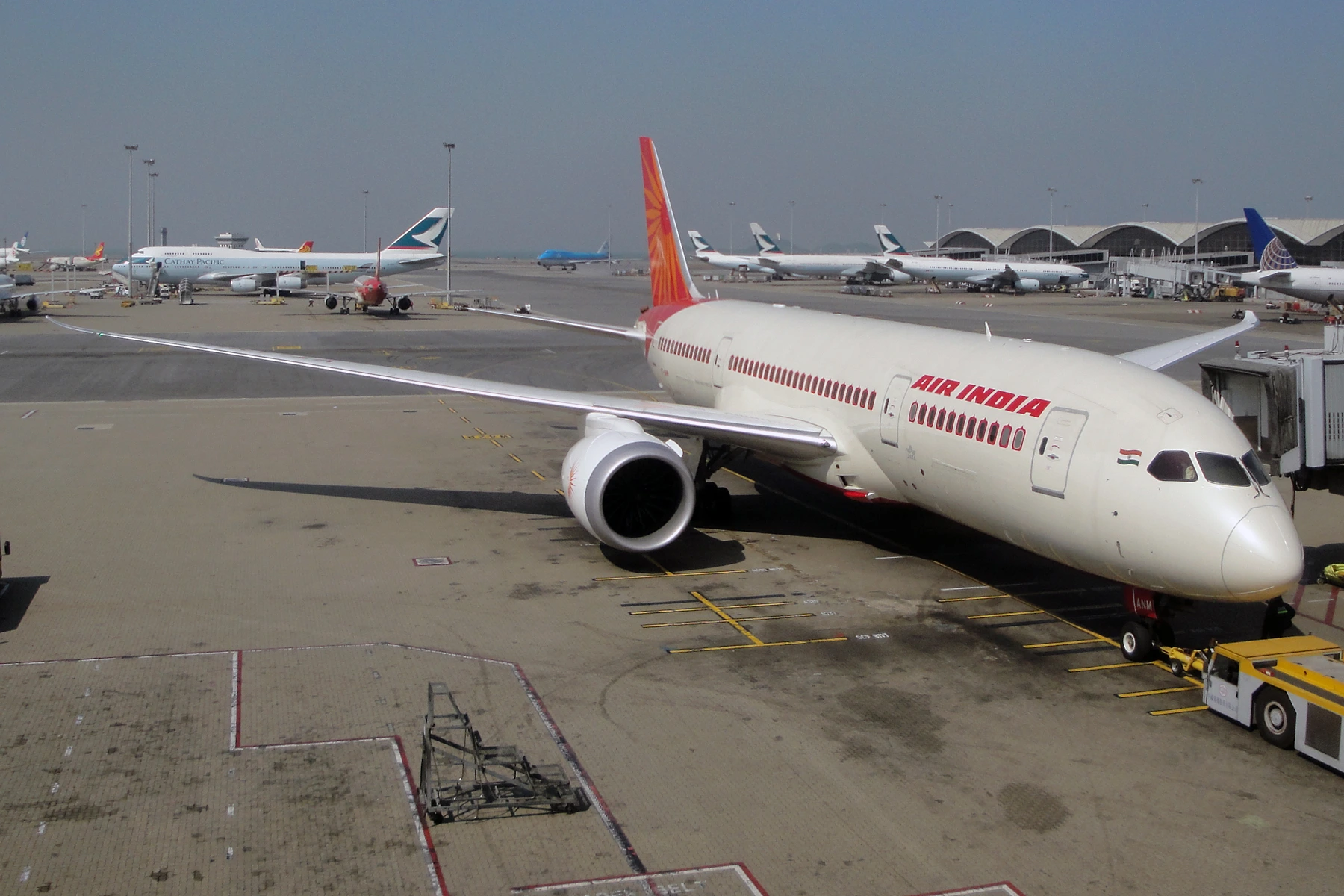
SEATTLE– India’s aviation regulator will send officials to the United States to monitor Boeing’s testing of a fuel-control switch panel linked to an Air India (AI) Boeing 787 incident, as scrutiny around the Dreamliner’s engine fuel systems intensifies ahead of the final AI171 crash report.
The Directorate General of Civil Aviation (DGCA) plans to observe the examination at Boeing’s Seattle facility after pilots operating an Air India Boeing 787 flight from London Heathrow Airport (LHR) to Bengaluru Kempegowda International Airport (BLR) reported irregular behavior involving the aircraft’s fuel switches during engine start procedures earlier this year.
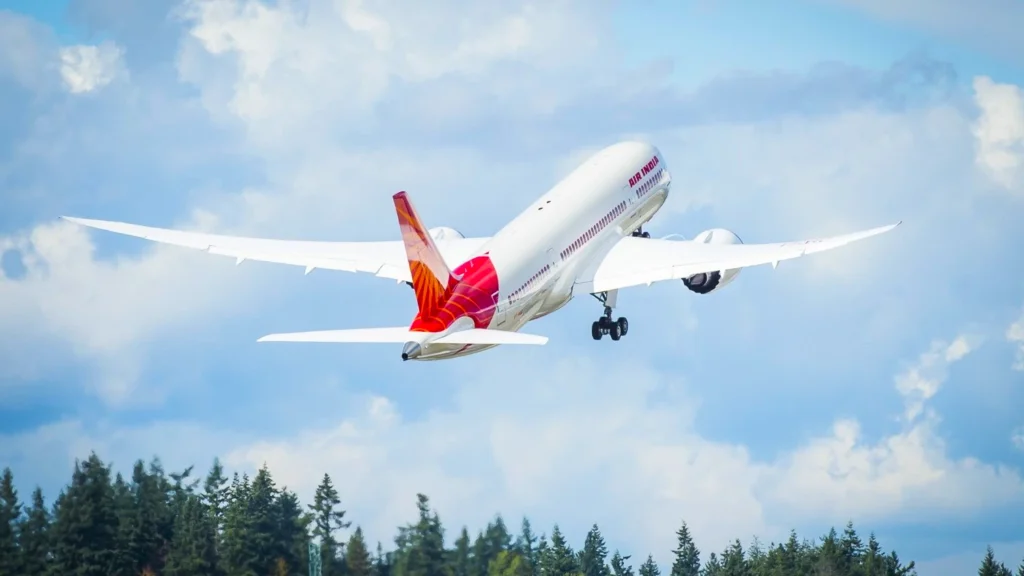
Boeing Switch Probe
The fuel-control switch module became a focal point after Air India pilots noticed that the switches did not consistently remain locked in the “RUN” position during pre-flight checks in February 2026.
According to previously disclosed DGCA findings, the switches stabilized only after a third attempt before the aircraft departed London.
Although Boeing and Indian regulators later concluded that the module appeared serviceable, the component was removed and shipped to Boeing’s Seattle testing center for deeper technical evaluation.
Indian officials reportedly described the upcoming examination as “sensitive,” prompting the DGCA to insist that its officers attend the tests in person.
The additional scrutiny comes as investigators continue work on the final report into the Air India AI171 Boeing 787 crash in Gujarat in June 2025, which killed 260 people.
Preliminary findings from that investigation indicated that fuel supply to both engines had been interrupted almost simultaneously.
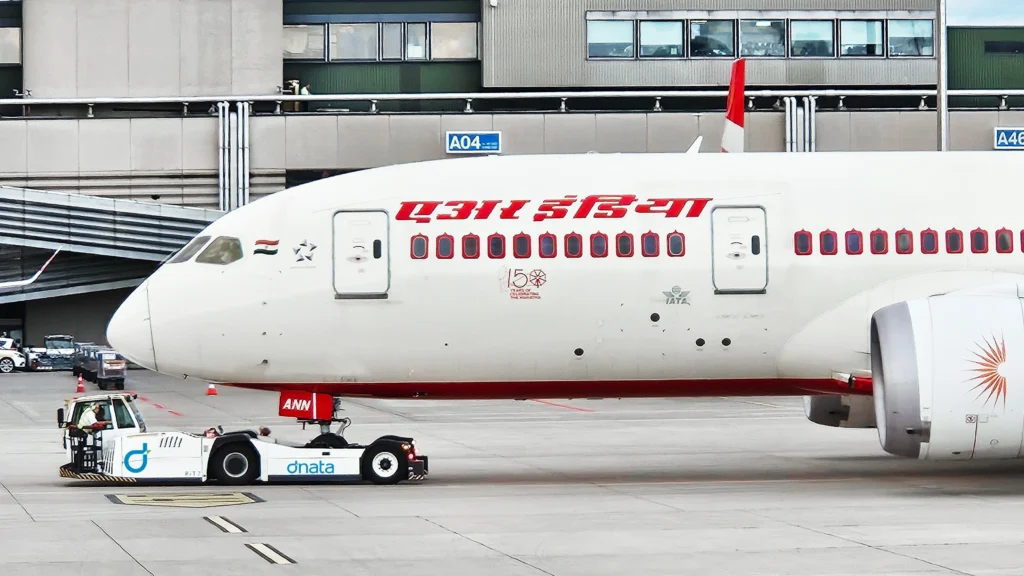
DGCA Oversight
India’s aviation regulator now plans to examine whether external pressure or unusual handling could move the fuel switches despite their locking mechanism.
The testing is expected to take place in June and will involve detailed laboratory analysis under Boeing supervision.
Air India stated that Boeing and the DGCA had already deemed the switch panel fully functional. However, the airline added that the additional inspection was being conducted “out of abundant caution” to ensure a comprehensive evaluation of the system’s integrity.
The Tata Group-owned carrier will reportedly fund the travel costs for two DGCA officials visiting Seattle.
Boeing has not publicly commented on the planned examination, while the U.S. Federal Aviation Administration previously indicated that available evidence did not point toward a mechanical defect in the AI171 crash.

Safety Concerns Grow for Air India 787
The issue has renewed attention on Boeing 787 fuel-control systems globally. Following the February incident, Boeing reportedly circulated a service bulletin to Dreamliner operators reminding airlines about existing operating procedures, although no new mandatory directives were issued.
UK regulators also questioned Air India after the London incident, seeking clarification on why the aircraft continued operating despite the pilots’ observations during engine start. The airline later informed authorities that the switches passed post-flight inspections.
The case remains highly sensitive because cockpit recordings from the AI171 crash reportedly suggested that fuel flow to both engines was interrupted shortly after takeoff.
Aviation experts and pilot associations in India have urged investigators to avoid premature conclusions until the final report is released.
With the DGCA directly overseeing the Boeing tests, Indian authorities appear determined to rule out every possible technical factor connected to the fuel-control switch system before closing one of the country’s deadliest aviation investigations.
Stay tuned with us. Further, follow us on social media for the latest updates.
Join us on Telegram Group for the Latest Aviation Updates. Subsequently, follow us on Google News
