


AHMEDABAD— India’s Federation of Indian Pilots (FIP) has raised fresh concerns over the Air India (AI) Flight AI171 crash, suggesting a possible electrical disturbance may have triggered a critical failure during takeoff from Sardar Vallabhbhai Patel International Airport (AMD), Ahmedabad.
The Boeing 787-8 aircraft, bound for London Gatwick Airport (LGW), crashed shortly after departure on June 12, 2025, killing 260 people and becoming one of the deadliest aviation incidents in recent years.
The pilots’ body has formally urged the Aircraft Accident Investigation Bureau (AAIB) to expand its probe beyond initial findings. It has proposed that investigators examine whether an electrical anomaly before liftoff could have led to an unintended shutdown of both engines.
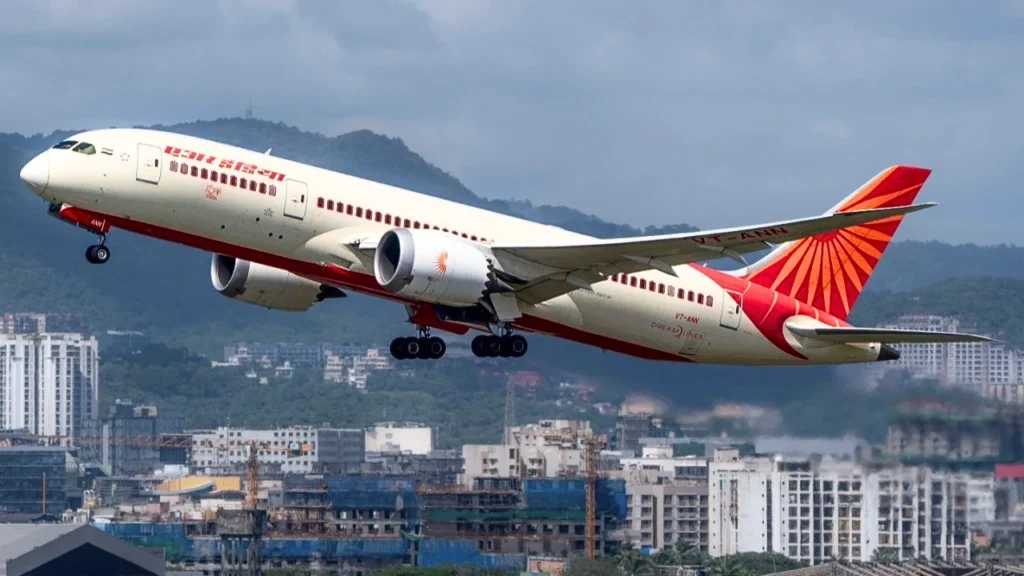
Air India 787 Electrical Fault Theory
FIP has argued that a pre-lift-off electrical disturbance could explain the simultaneous fuel cutoff to both engines. In its submission to the civil aviation ministry, the group pointed to known risks associated with lithium-ion battery systems and abnormal voltage behavior.
The organization stated that such conditions may trigger unintended relay operations within the aircraft’s electrical architecture. This, in turn, could lead to the activation of fuel cutoff switches without direct pilot input.
FIP has described this scenario as a testable hypothesis and called for a detailed technical evaluation by specialized institutions, including aerospace and engineering agencies. The Telegraph quoted a part of the letter:
Based on lithium-ion battery failures, relay behaviour under abnormal voltage, and Boeing 787 electrical design, a prelift-off electrical disturbance could have caused unintended relay operation and dual engine fuel cut-off without pilot input…Technical causes cannot be ruled out till this analysis is made.
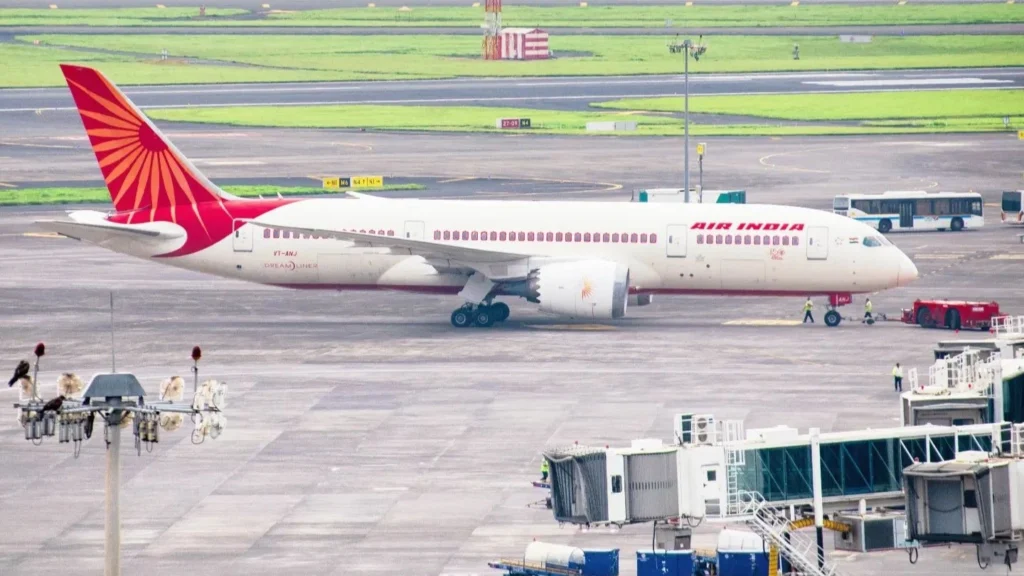
Crash Investigation Details of Air India FLight 171
The AAIB’s preliminary findings had earlier indicated that fuel supply to both engines was cut off within a one-second interval shortly after takeoff.
This sudden loss of thrust caused confusion in the cockpit, as captured in the cockpit voice recorder.
According to the initial report, one pilot questioned the other about the fuel cutoff, while the response indicated no intentional action. This exchange has remained central to the ongoing debate over whether the event was mechanical or human-related.
Despite these findings, the final report has not yet been released, leaving room for further technical examination and interpretation of the available data.
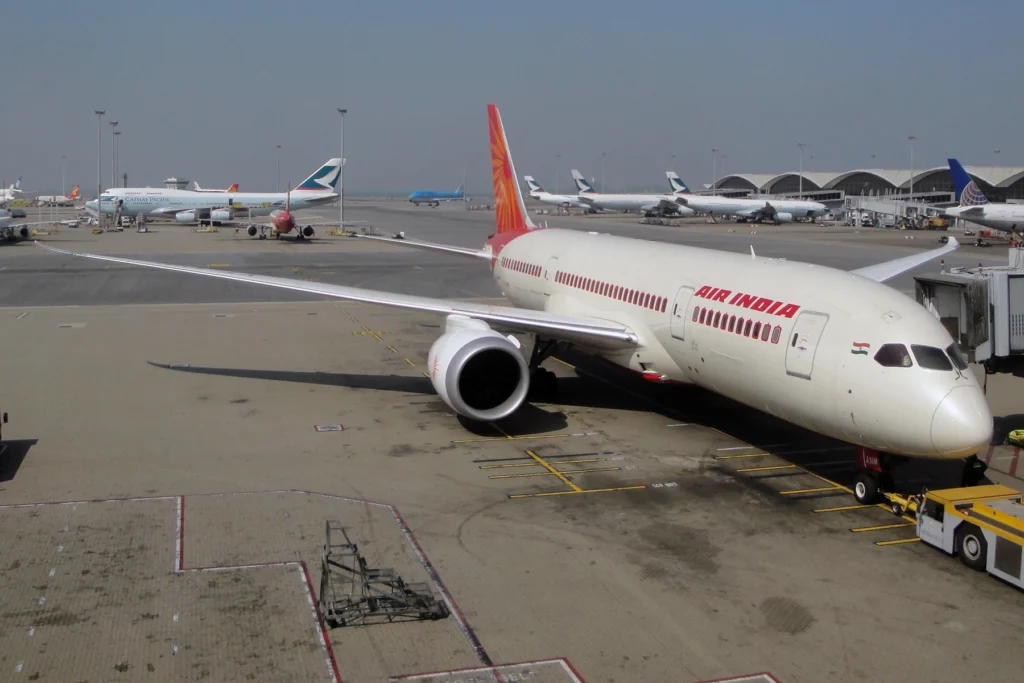
Calls for Probe
FIP has requested additional validation of the timeline presented in the preliminary report through simulator testing on Boeing 787 platforms.
The group believes such testing could help verify whether the sequence of events aligns with known system behaviors.
The pilots’ body has also emphasized that technical causes should not be ruled out until comprehensive electrical system analysis is completed.
It has recommended collaboration with institutions such as IIT Bombay, the Aeronautical Development Agency, and Hindustan Aeronautics Limited.
Stay tuned with us. Further, follow us on social media for the latest updates.
Join us on Telegram Group for the Latest Aviation Updates. Subsequently, follow us on Google News
