

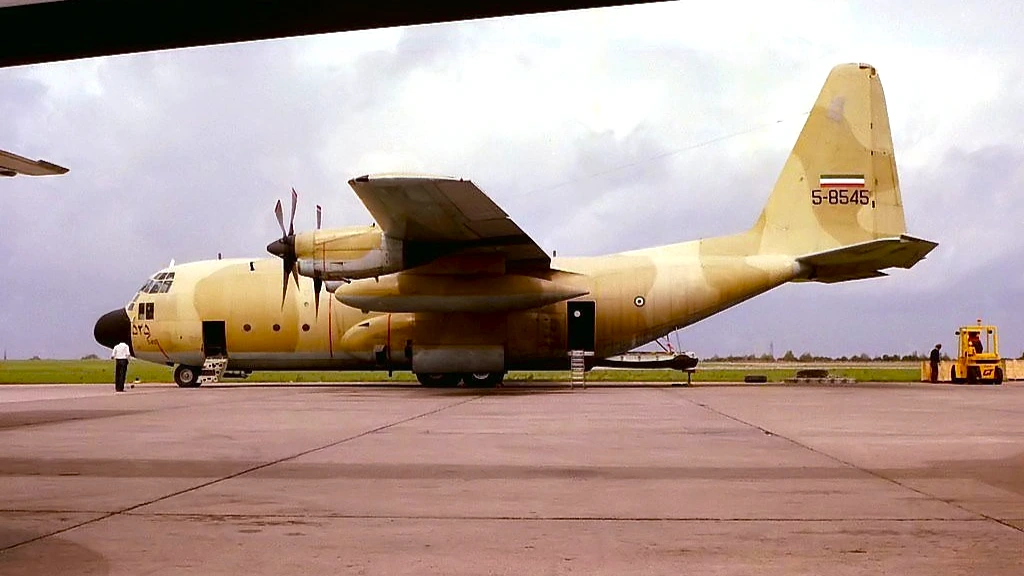
ISLAMABAD— Pakistan reportedly allowed Iran to park military aircraft, including an Iranian Air Force RC-130 reconnaissance plane, at Pakistan Air Force Base Nur Khan near Rawalpindi during the recent Iran-United States conflict, according to U.S. officials cited by CBS News. The move occurred while Islamabad publicly positioned itself as a neutral mediator between Tehran and Washington.
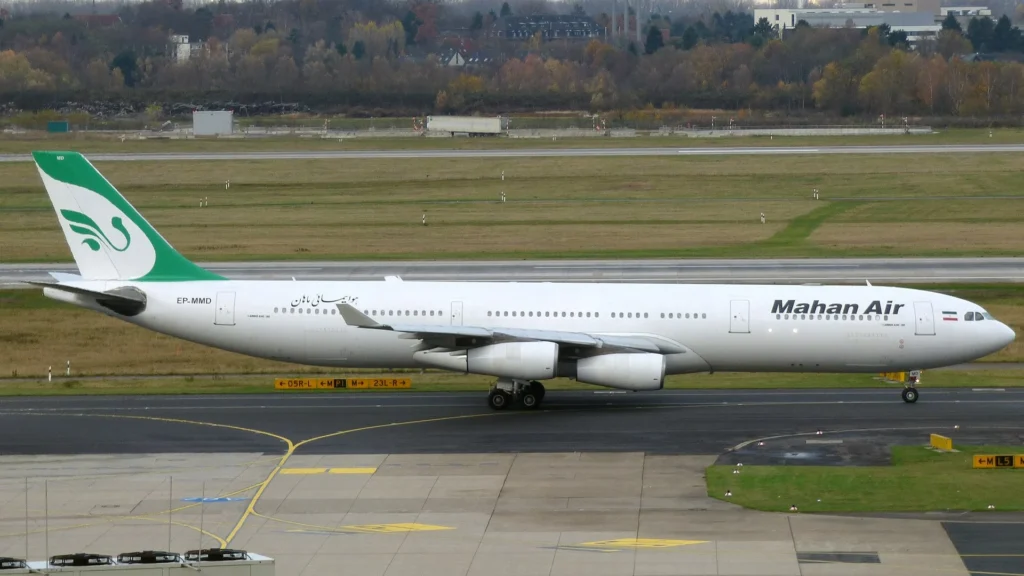
Iran also reportedly relocated civilian aircraft, including a Mahan Air (W5) plane, to Afghanistan during the crisis. The aircraft initially landed at Kabul International Airport (KBL) before being moved to Herat International Airport (HEA) near the Iranian border for safety reasons.
Iranian Aircraft Movement to Pakistani Airbase
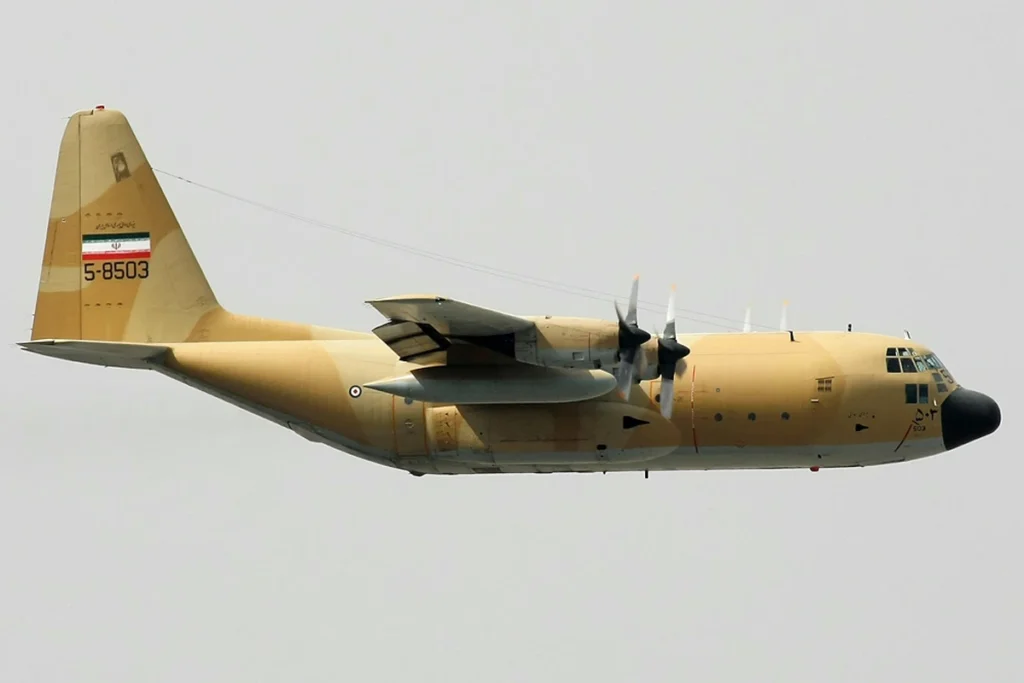
U.S. officials told CBS News that Iran sent multiple aircraft to Pakistan Air Force Base Nur Khan days after President Trump announced the ceasefire with Iran in early April. The base holds strategic importance, located just outside the Pakistani garrison city of Rawalpindi.
Among the military hardware reportedly parked at the facility was an Iranian Air Force RC-130, a reconnaissance and intelligence-gathering variant of the Lockheed C-130 Hercules tactical transport aircraft. The officials, speaking under condition of anonymity, indicated the movements appeared designed to shield Iranian assets from potential American airstrikes.
A senior Pakistani official rejected the claims, telling CBS News that Nur Khan base sits in the heart of the city, making it impossible to hide a large fleet of parked aircraft from public view.
Pakistan’s Official Position on the Matter
On Tuesday, Pakistan’s Ministry of Foreign Affairs confirmed Iranian planes were present in the country. The ministry stated the Iranian aircraft arrived during the ceasefire period and held no connection to any military contingency or preservation arrangement.
The ministry described claims suggesting otherwise as speculative and misleading. According to the statement, the aircraft were present to facilitate the movement of diplomatic personnel and security teams for potential peace talks.
Islamabad maintained it has consistently acted as an impartial facilitator and remained transparent with all relevant parties throughout the diplomatic process. The ministry noted that while formal negotiations have not resumed, senior-level diplomatic exchanges have continued.
Iranian Civilian Aircraft in Afghanistan
An Afghan civil aviation officer told CBS News that a Mahan Air (W5) civilian aircraft landed in Kabul (KBL) shortly before the war started. The aircraft remained parked at the airport after Iranian airspace closed.
During Pakistani airstrikes on Kabul in March, which stemmed from tensions with the Taliban-led government over alleged safe havens for Tehrik-e-Taliban Pakistan, the Taliban’s civil aviation authorities relocated the aircraft.
Officials moved the plane to Herat Airport (HEA) near the Iranian border to protect it from possible bombing.
According to the aviation officer, this remained the only Iranian aircraft left in Afghanistan. Taliban chief spokesman Zabihullah Mujahid denied the presence of any Iranian airplanes in Afghanistan, telling CBS News the claim was untrue.
Pakistan’s Strategic Balancing Act
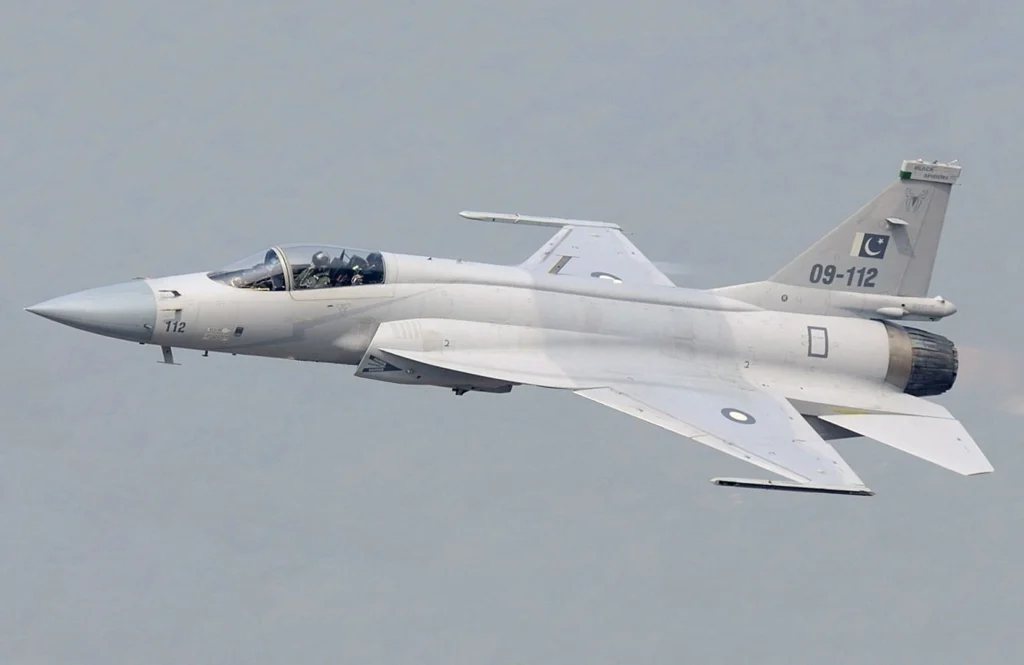
Pakistan’s reliance on China for military assistance has increased significantly over the past decade. A Stockholm International Peace Research Institute study showed China supplied approximately 80 percent of Pakistan’s major arms between 2020 and 2024, alongside close economic ties with Beijing.
Islamabad has attempted to navigate both sides of the crisis. The country has presented itself to Washington as a stabilizing intermediary while avoiding actions that could alienate Tehran or China, Iran’s most powerful international backer.
China, which has deepened military and economic cooperation with both Pakistan and Iran in recent years, has publicly celebrated Pakistan’s role in facilitating indirect communications between Tehran and Washington.

Ceasefire Tensions and Ongoing Clashes
Iran’s latest proposal to end the war included demands for U.S. war reparations, recognition of Iranian sovereignty over the Strait of Hormuz, and the removal of American sanctions. Iran’s state-run broadcaster disclosed these conditions through a social media post.
President Trump publicly rejected Tehran’s counteroffer as totally unacceptable, though he did not specify which elements prompted the rejection. The development has strained what appears to be a ceasefire in name only.
Small-scale clashes continued around the Strait of Hormuz on Sunday, highlighting the fragility of the ceasefire. The United Arab Emirates reported that Iranian drones again targeted its territory, following several strikes earlier in the week.
Three American Navy destroyers transiting the Strait of Hormuz came under attack last week, prompting U.S. strikes on two Iranian ports near the strait.
President Trump is scheduled to travel to Beijing this week for talks with Chinese President Xi Jinping, where the Iran conflict is expected to feature prominently alongside trade disputes and Taiwan-related issues.
Stay tuned with us. Further, follow us on social media for the latest updates.
Join us on Telegram Group for the Latest Aviation Updates. Subsequently, follow us on Google News
