

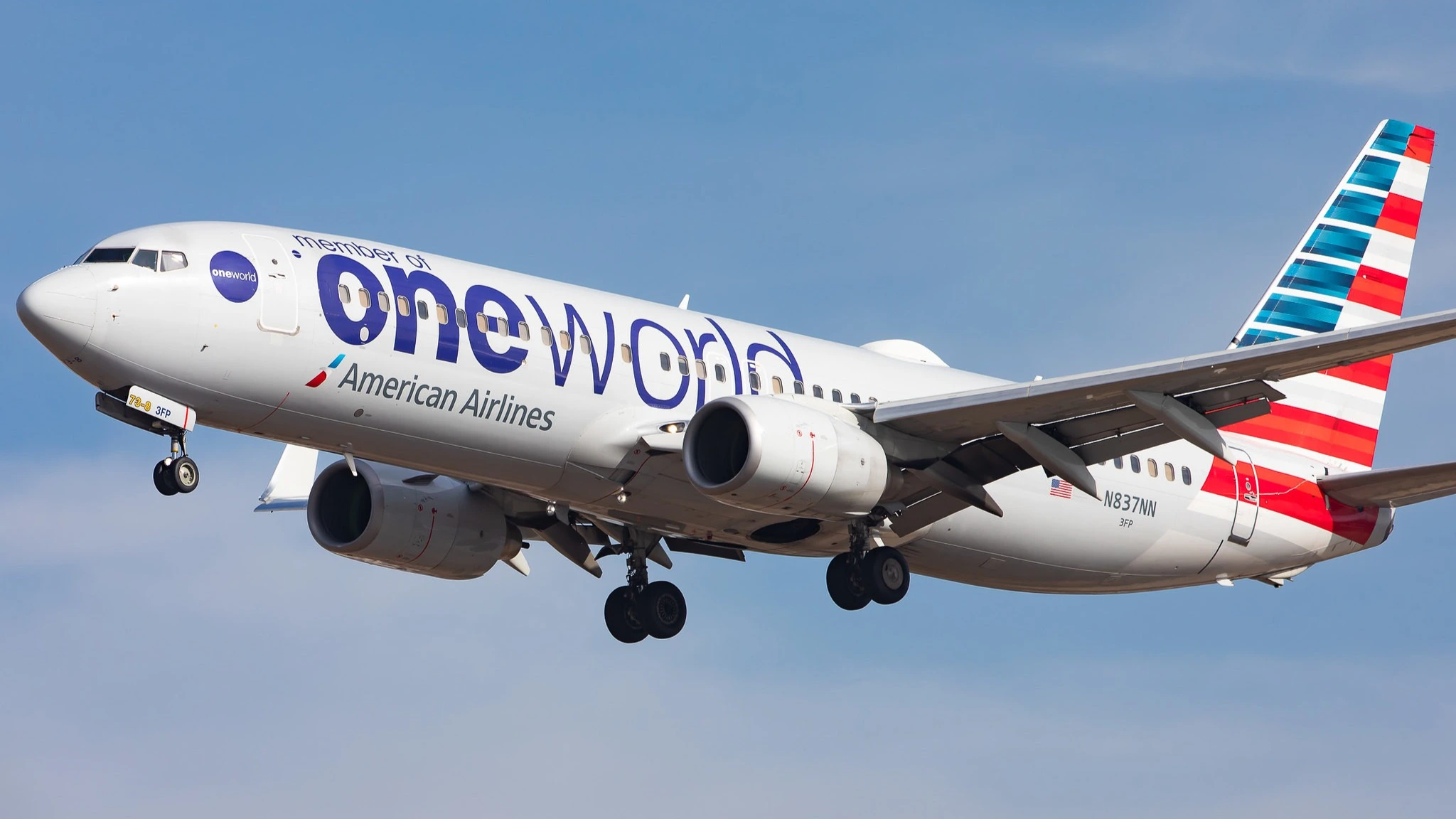
FORT WORTH- An 82-year-old Florida man has filed a lawsuit against American Airlines (AA) after he was allegedly attacked and severely beaten by his seatmate during a domestic flight last year.
The passenger claims a flight attendant stood within arm’s reach during the assault but did not intervene to stop it.
The incident took place on May 16, 2024, on a flight from Palm Beach International Airport (PBI) in West Palm Beach to Charlotte Douglas International Airport (CLT).
The woman accused of the attack was arrested upon landing, but later missed her court date and is currently classified as a fugitive.
American Airlines Elderly Passenger Lawsuit
According to the lawsuit, the elderly passenger was seated in 18D when a woman took the seat next to him. She began singing loudly and bellowing to herself from the moment she boarded the aircraft.
The passenger asked the cabin crew to either move him or relocate the woman. However, the flight was completely full, and no seat reassignment was possible.
During the flight, the woman allegedly attacked the octogenarian without warning. She reportedly struck him repeatedly with punches and severely beat him. The complaint states that the assault caused head and brain injuries.
The lawsuit further alleges that a flight attendant remained within arm’s reach throughout the attack. The crew member reportedly watched the incident unfold but did not physically intervene to stop the violence.
When the aircraft arrived at Charlotte Douglas International Airport (CLT), local police boarded and removed the woman. She was taken into custody and formally charged in connection with the assault.
The accused later failed to appear for a scheduled November court date. As a result, she is now classified as a fugitive from justice.
Reported by View from the Wing, the same woman was also later arrested at Burning Man. She allegedly assaulted another attendee with a nitrous oxide canister and kicked and punched responding officers at the event.
Damages and Emotional Impact Claimed
The 82-year-old plaintiff says he is now afraid to fly. He reports lasting mental anguish, emotional distress, feelings of violation, and continuing anxiety related to air travel.
His complaint seeks damages for pain and suffering, disability, disfigurement, and aggravation of a preexisting condition. He has also claimed loss of enjoyment of life, hospitalization expenses, medical and nursing care costs, lost wages, and reduced future earning ability despite his age.
The case raises substantive questions about whether American Airlines is the appropriate defendant. The actual attacker, not the airline, carried out the assault.
Critics of the suit suggest that AA may have been targeted because the carrier holds far deeper financial pockets than the woman accused of the beating.
To succeed, the plaintiff will likely need to prove foreseeability. This means showing that American knew the attack was coming, had a responsibility to stop it, could reasonably have done so, and simply failed to act. Each of those steps presents a legal stretch.
The lawsuit itself describes the assault as occurring without warning. Loud singing may be unusual or uncomfortable, but it is not generally considered a reliable predictor of violent behavior.
Operational Limits Faced by the Airline
American Airlines also had limited operational options during the flight. The cabin was full, and reseating either passenger was not possible without an open seat available on the aircraft.
Even a flight diversion would not have prevented the incident. The assault came suddenly, meaning any diversion decision would have been a reaction after the fact rather than a preventive measure.
Once the woman’s behavior became clear, it was likely too late to stop the attack. By that point, the violence was already underway.
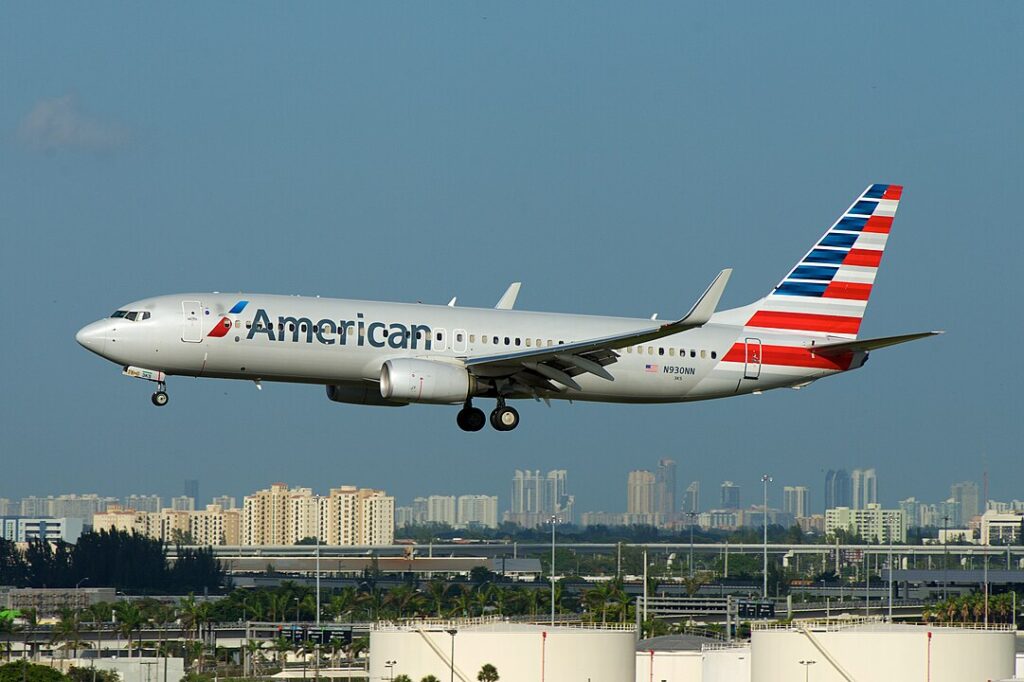
Hindsight Problem in Passenger Behavior
Hindsight tends to make every warning sign look obvious in retrospect. Airlines exercise broad operational control over passenger placement and transportation, but the range of in-cabin passenger behavior is extremely wide.
Not every passenger who behaves at the unusual end of that distribution will turn violent. Mandating the removal of every odd or unwell passenger from a flight, simply to shield the airline from possible lawsuits, would create serious overreach.
It would have been ideal if the woman’s future behavior had been known at boarding. However, retroactively imposing an obligation on airlines to predict such conduct sets an unreasonable legal standard.
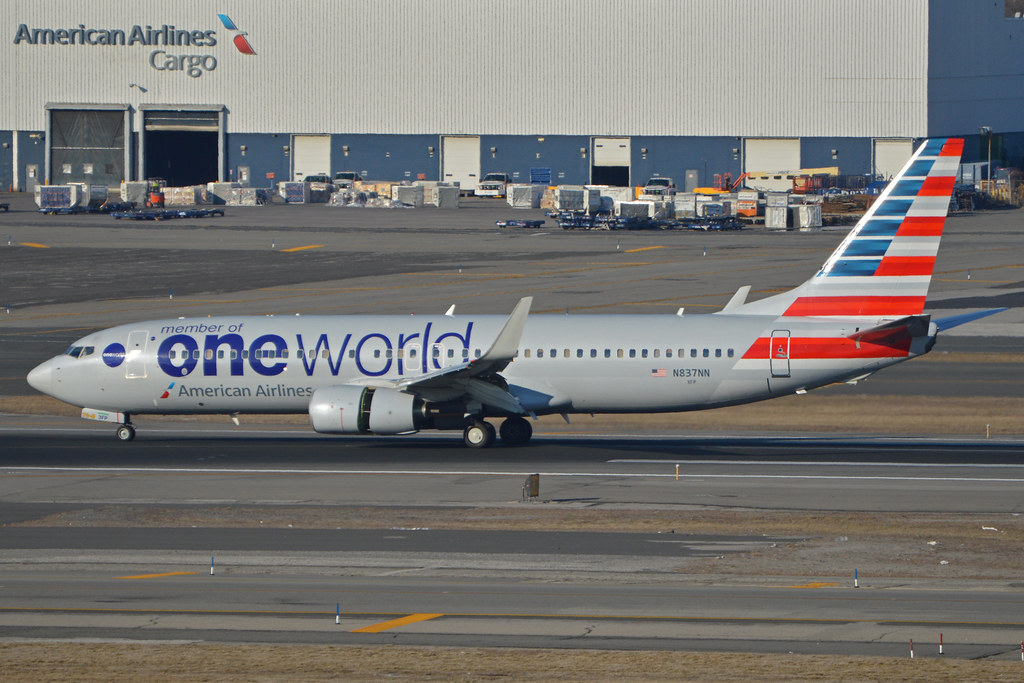
Flight Attendant’s Position
The strongest factual point for the plaintiff centers on the flight attendant’s proximity to the assault. Being within arm’s reach raises questions about possible intervention.
However, it is unclear how effectively a single crew member could have stopped the attack without sustaining injury themselves. This will likely become a key factual dispute as the case progresses.
If the flight attendant did not immediately intercede but instead contacted other crew members for assistance, that response may have been reasonable under the circumstances. Other crew clearly became involved at some stage, since law enforcement was waiting at the gate when the aircraft arrived in Charlotte (CLT).
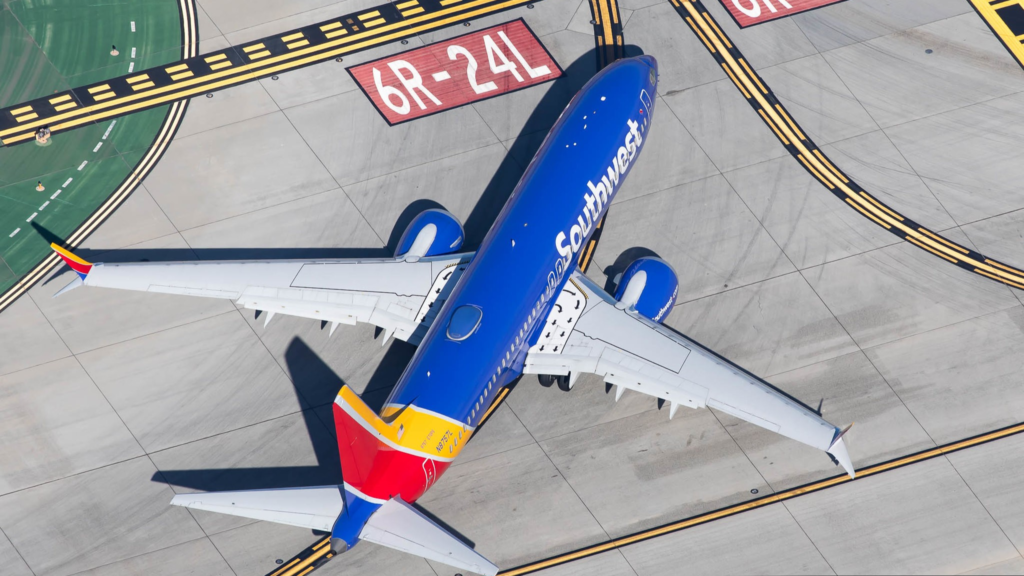
Similar Past Incident
Comparable lawsuits have been filed against other US carriers in recent years. In one case, a passenger sued Southwest Airlines (WN) over a drunk attack from another customer, arguing that the carrier’s open seating policy at the time made the attack inevitable.
In a separate matter, a passenger pushed a flight attendant onto a sleeping woman. American Airlines reasonably argued that the unruly passenger was entirely at fault for the incident.
The judge in that case still allowed the lawsuit to proceed. A jury could consider whether American mishandled the disruptive passenger and delayed his removal. The current lawsuit follows a similar legal framing.
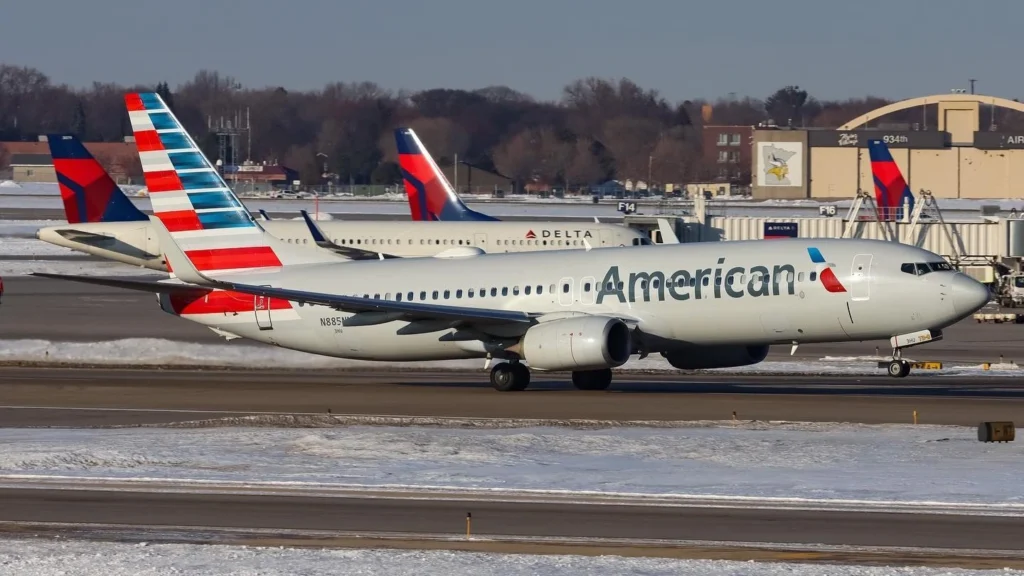
Current Status of Lawsuit
On Wednesday, the federal judge dismissed the suit without prejudice. The dismissal stemmed from the plaintiff’s failure to clarify his citizenship for diversity jurisdiction purposes.
The passenger has been granted permission to refile his complaint to address this procedural deficiency. He has until May 19 to submit the corrected filing and continue pursuing his claim against American Airlines.
Stay tuned with us. Further, follow us on social media for the latest updates.
Join us on Telegram Group for the Latest Aviation Updates. Subsequently, follow us on Google News
