

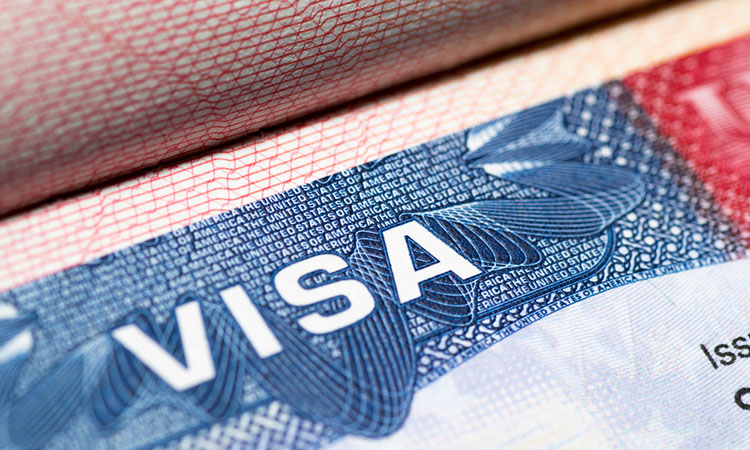
WASHINGTON, D.C.— The United States (US) government has quietly revised its immigration policy to allow foreign doctors from countries under a travel ban to continue living and working in the country.
The change comes after months of uncertainty that disrupted hospitals, delayed visa processing, and placed hundreds of physicians at risk of losing their jobs.
The updated policy from the Department of Homeland Security restores visa processing for medical professionals, reversing an earlier administrative freeze that affected citizens from 39 countries.
The decision is expected to stabilize healthcare staffing, particularly in underserved regions that rely heavily on international medical graduates.
The earlier restrictions had halted decisions on visa extensions, work permits, and green cards, creating operational challenges for hospitals across major hubs such as John F. Kennedy International Airport (JFK), New York, and Los Angeles International Airport (LAX), Los Angeles, where many international doctors enter the country.
The reversal now allows U.S. Citizenship and Immigration Services to resume processing applications tied to physicians, providing relief to healthcare systems facing workforce shortages.

US Visa Policy Change
The revised guidance confirms that physicians are no longer subject to the administrative hold that had been in place since January.
This hold had paused immigration benefits for individuals from countries listed under an expanded travel restriction policy.
Officials did not formally announce the change but updated internal systems and public-facing information, signaling a quiet shift in approach. Authorities later confirmed that applications related to medical professionals would continue to be processed without interruption.
This adjustment effectively creates a functional exemption for doctors, allowing them to maintain legal work status while broader immigration controls remain in place.
The move reflects a targeted response to critical workforce needs rather than a broader rollback of travel restrictions.
Hospitals and medical institutions had raised concerns that the earlier policy was disrupting patient care. Many physicians were placed on administrative leave because their immigration status could not be renewed on time.
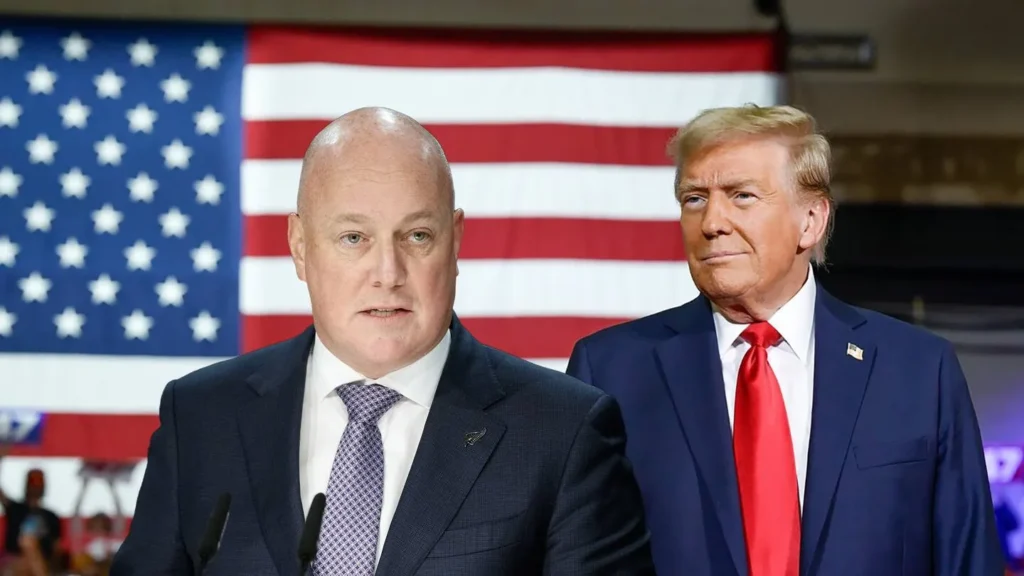
Impact of Doctor Shortage in the US
The United States is currently facing a significant physician shortage, estimated at around 65,000 doctors.
This gap is expected to widen as the population ages and more healthcare professionals retire in the coming years.
Foreign-trained physicians play a vital role in addressing this shortage, accounting for roughly 25 percent of the country’s medical workforce. A large proportion of these doctors serve in primary care fields such as internal medicine, pediatrics, and family medicine.
These specialties often struggle to attract domestic graduates due to demanding workloads and relatively lower compensation compared to specialized fields. As a result, international medical graduates frequently fill essential roles in rural and underserved communities.
Medical associations had warned that continuing the visa freeze would worsen healthcare access, especially in regions already facing staffing shortages. Their concerns highlighted the direct link between immigration policy and public health outcomes.
The recent policy adjustment is expected to help maintain continuity of care and prevent disruptions in hospital operations. It also reassures healthcare providers that international recruitment remains a viable solution.

Impact of the International Graduates
International medical graduates form a substantial portion of the U.S. healthcare workforce, contributing both to primary care and specialized services.
Many of these doctors train in U.S. residency programs before transitioning into full-time roles in hospitals and clinics.
Their presence is especially important in underserved communities, where healthcare access often depends on the availability of foreign-trained professionals. These doctors frequently take positions in areas that struggle to attract locally trained physicians.
The earlier visa restrictions had placed this pipeline at risk, creating uncertainty for both hospitals and trainees. By restoring visa processing, authorities have reinforced the stability of this essential workforce segment.

Risks Related to the Residency Program
Residency programs across the United States faced significant disruption due to the earlier immigration restrictions.
Hundreds of incoming doctors were uncertain about their ability to begin training, while others nearing completion risked losing their placements.
Medical institutions rely heavily on a steady flow of residents to maintain patient care services. Any interruption in this pipeline can lead to staffing shortages and increased workload for existing personnel.
The policy change provides clarity for both trainees and institutions, ensuring that residency programs can proceed as scheduled. It also helps safeguard future workforce supply by preventing gaps in medical training cycles.
Industry Response
Medical organizations and advocacy groups have welcomed the decision, describing it as necessary to protect patient care and workforce stability.
Leaders in the healthcare sector emphasized that the policy change ensures continuity for both practicing physicians and those completing training programs.
In recent months, more than 20 medical associations had urged federal agencies to provide exemptions for qualified doctors. These groups argued that restricting physicians based on nationality undermines healthcare delivery and national interest priorities.
The impact of the earlier policy had been immediate and visible. Some doctors faced detention or legal uncertainty due to lapses in visa processing, while others risked losing residency placements.
Roughly 1,000 medical trainees nearing the end of their programs were at risk of losing positions in federally designated underserved areas. In addition, hundreds of incoming residents faced uncertainty about whether they would be able to begin work on scheduled start dates.
Advocacy organizations representing international medical graduates noted that many affected physicians had not received direct communication about the changes.
However, they expressed cautious optimism following confirmation that visa processing has resumed.
Legal experts have also described the exemption as a positive development, noting that it could reduce the need for ongoing litigation related to delayed immigration cases.
The decision may help restore confidence among international professionals considering careers in the United States.
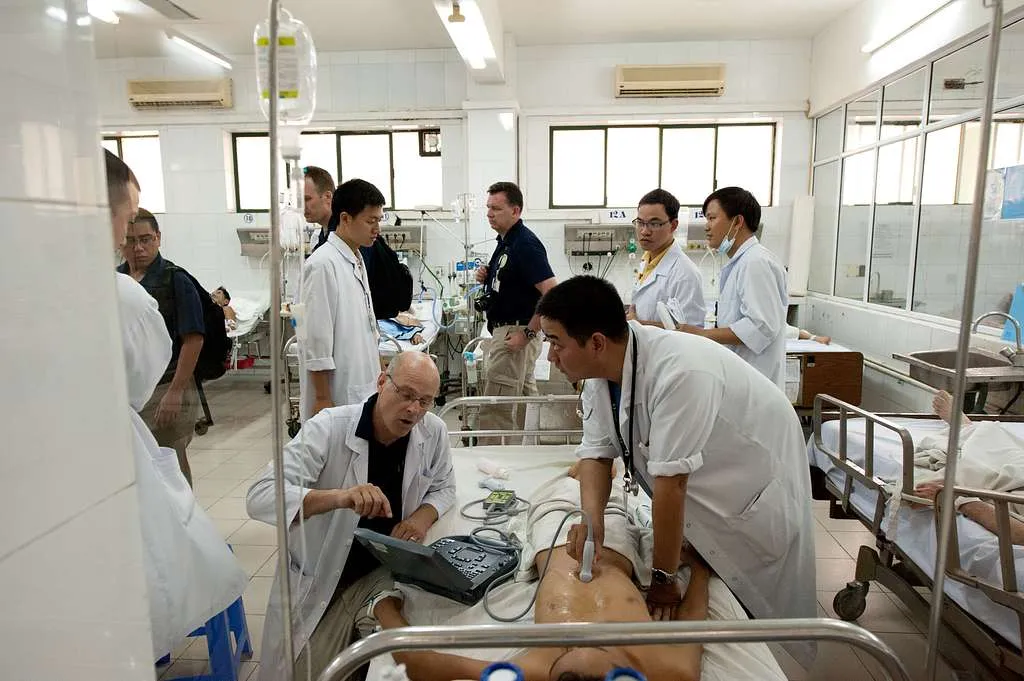
United States Healthcare Workforce Crisis
The United States healthcare system continues to face a widening gap between the number of available doctors and patient demand.
Estimates of a shortage of more than 50,000 physicians, with projections suggesting that the deficit will increase significantly over the next decade, The New York Times flagged.
This shortage is driven by an aging population, rising chronic disease cases, and a wave of retirements among experienced doctors.
As demand for healthcare services grows, hospitals and clinics are under pressure to maintain staffing levels.
Foreign-trained physicians play a critical role in filling this gap, particularly in regions where recruiting domestic doctors remains difficult. The recent visa policy adjustment directly supports these efforts by ensuring that trained professionals remain in the system.
Stay tuned with us. Further, follow us on social media for the latest updates.
Join us on Telegram Group for the Latest Aviation Updates. Subsequently, follow us on Google News
