

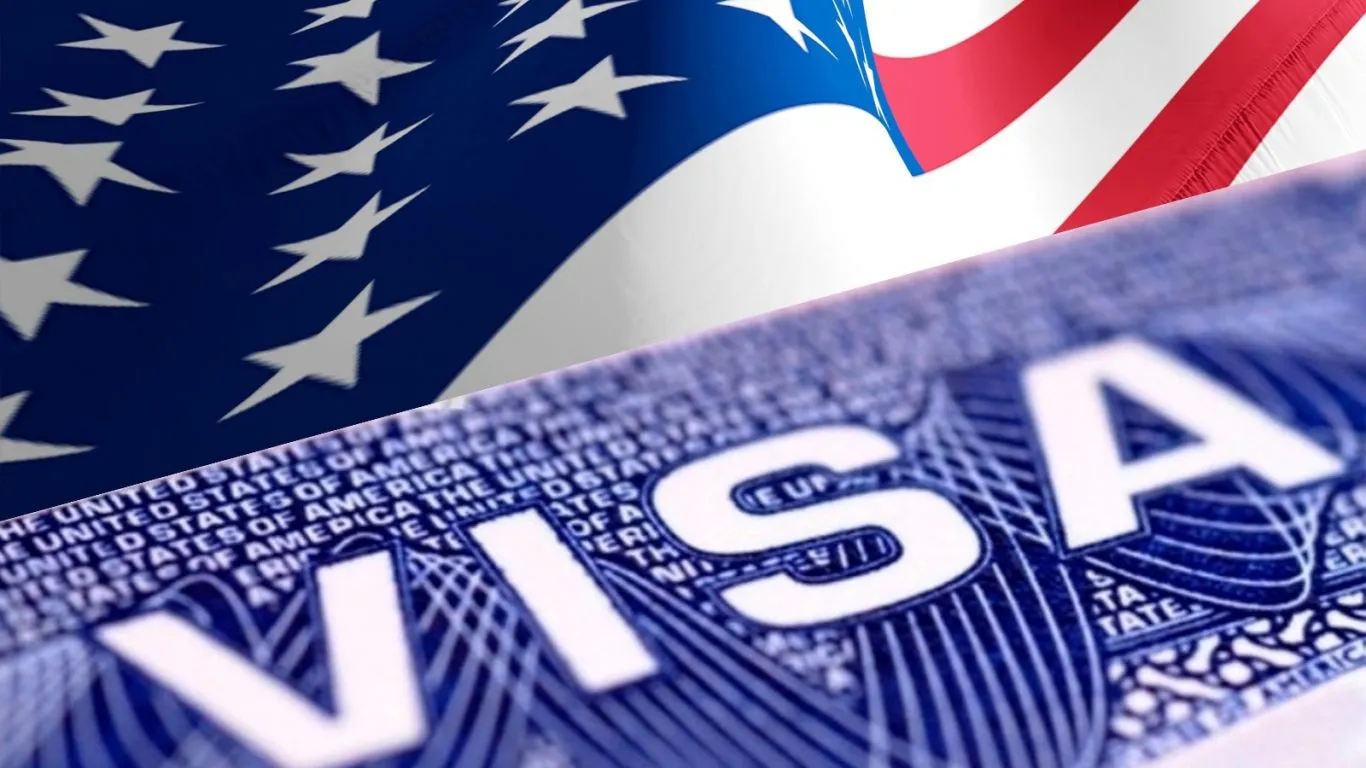
WASHINGTON— The United States has introduced new visa screening measures requiring applicants for temporary visas to declare that they have not faced harm and do not fear returning to their home country.
The directive, issued by the U.S. Department of State, applies to all embassies and consulates worldwide and is expected to impact visa approval outcomes significantly.
The policy affects millions of travelers, including tourists, students, and business visitors heading to major gateways such as John F. Kennedy International Airport (JFK) and Los Angeles International Airport (LAX).
Officials state that the measure aims to strengthen immigration screening and reduce misuse of non-immigrant visa channels.

US Visa Screening Changes
Under the new guidance, visa applicants must answer two additional questions during the consular process.
These questions ask whether the applicant has experienced harm in their home country and whether they fear returning.
If an applicant answers affirmatively or refuses to respond, consular officers may treat the case as high-risk, increasing the likelihood of denial. The directive instructs officers to use these responses as a key factor in determining eligibility before continuing the interview.
Authorities argue that the change addresses gaps in identifying individuals who may later seek asylum after entering the United States.
Officials believe that existing procedures did not adequately capture such risks during the visa stage.
Policy Rationale for the Directive
The directive links the new requirements to concerns about misrepresentation during the visa process.
According to internal guidance, a significant number of individuals who later apply for asylum may not disclose their intentions when seeking temporary entry.
A spokesperson for the State Department said consular officers serve as the first line of defense in safeguarding national security. The department emphasized that all available tools are being used to ensure applicants meet legal requirements.
The policy also aligns with broader immigration measures introduced under recent executive actions.
These include expanded vetting protocols and tighter entry restrictions for certain nationalities, reflecting a more restrictive approach to border and immigration control, The Guardian flagged.
Impact on Aviation
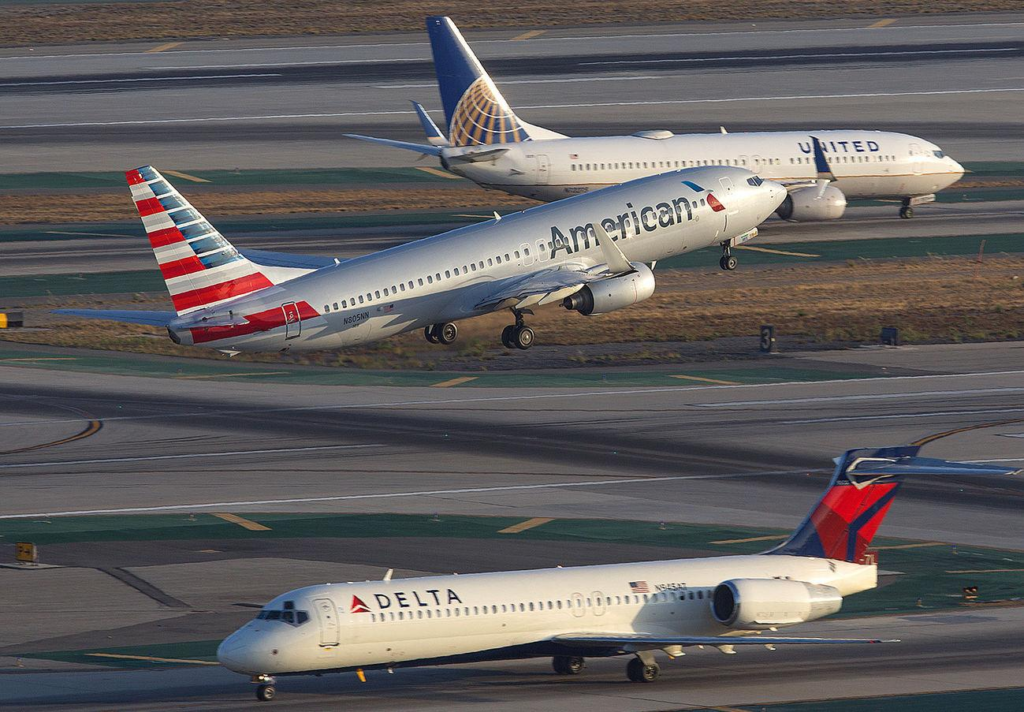
The aviation sector could face indirect effects as visa policies influence international passenger flows.
Airlines operating long-haul routes to the United States, including major carriers like Delta Air Lines (DL), may see shifts in demand if visa approvals decline.
In fiscal year 2024, the United States issued nearly 11 million non-immigrant visas, covering categories such as tourism, education, and skilled employment. Any reduction in approvals could affect load factors on transcontinental and transpacific routes.
Airports and airlines rely heavily on international travelers for revenue, particularly on premium long-haul services.
Changes in visa accessibility may therefore influence route planning, frequency adjustments, and network strategies.
Critics argue that the policy could deter legitimate travelers, including individuals with valid reasons for temporary visits.
They also highlight potential legal and ethical concerns, especially regarding applicants who may face genuine risks in their home countries.
Stay tuned with us. Further, follow us on social media for the latest updates.
Join us on Telegram Group for the Latest Aviation Updates. Subsequently, follow us on Google News
