

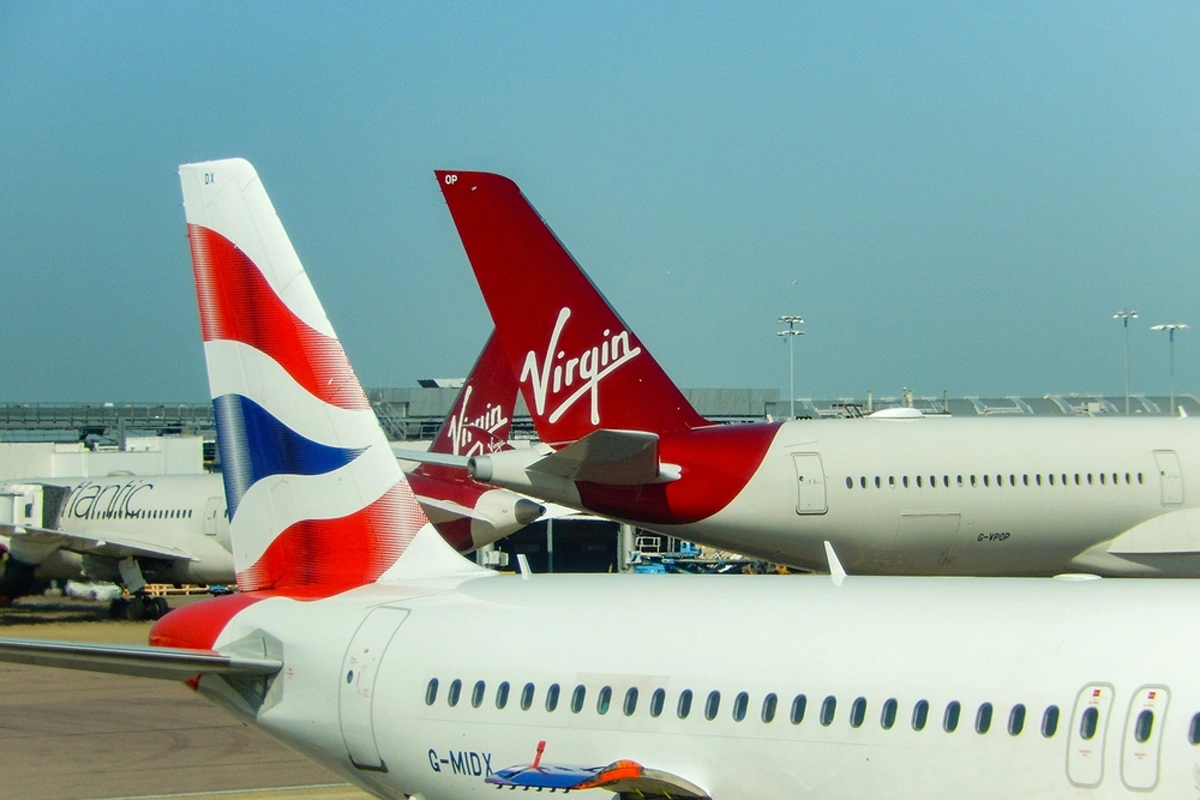
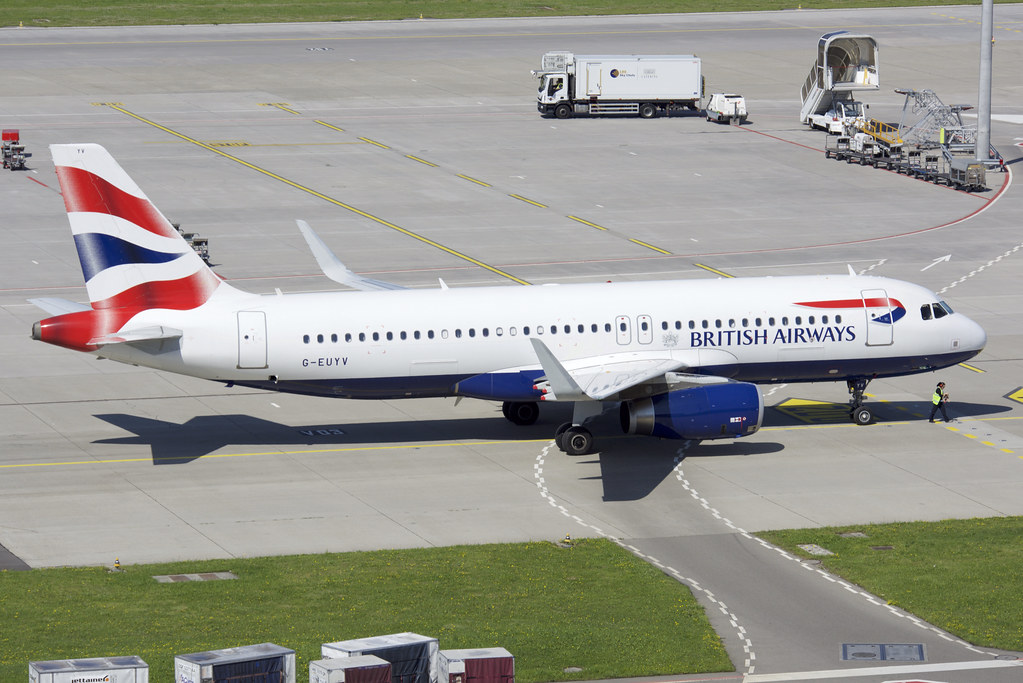
LONDON- British Airways (BA) has confirmed it will remove fabric headrest covers from its Club Europe short-haul Business Class cabin starting May 6, 2025. The airline says the move will help reduce turnaround times and prevent flight delays.
The decision has drawn criticism from frequent flyers who view the antimacassars as the last remaining distinction between Club Europe and standard Economy seating on BA’s short-haul fleet. As reported by PYOK, the change marks another cost-cutting step in a series of recent service reductions across the carrier’s European operations.
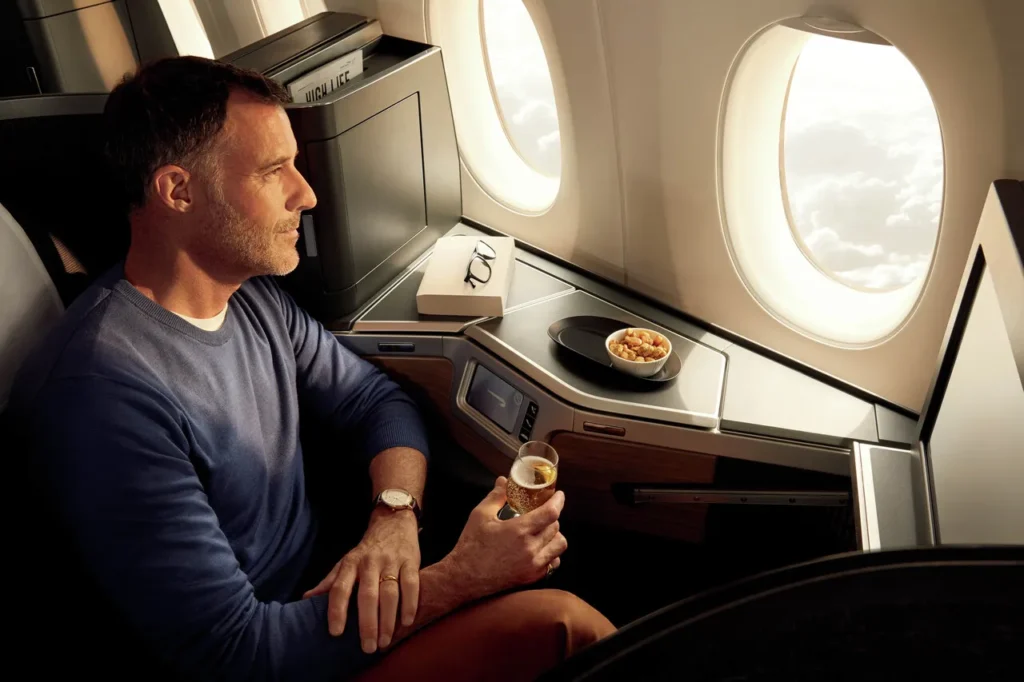
British Airways Strips Headrest Covers
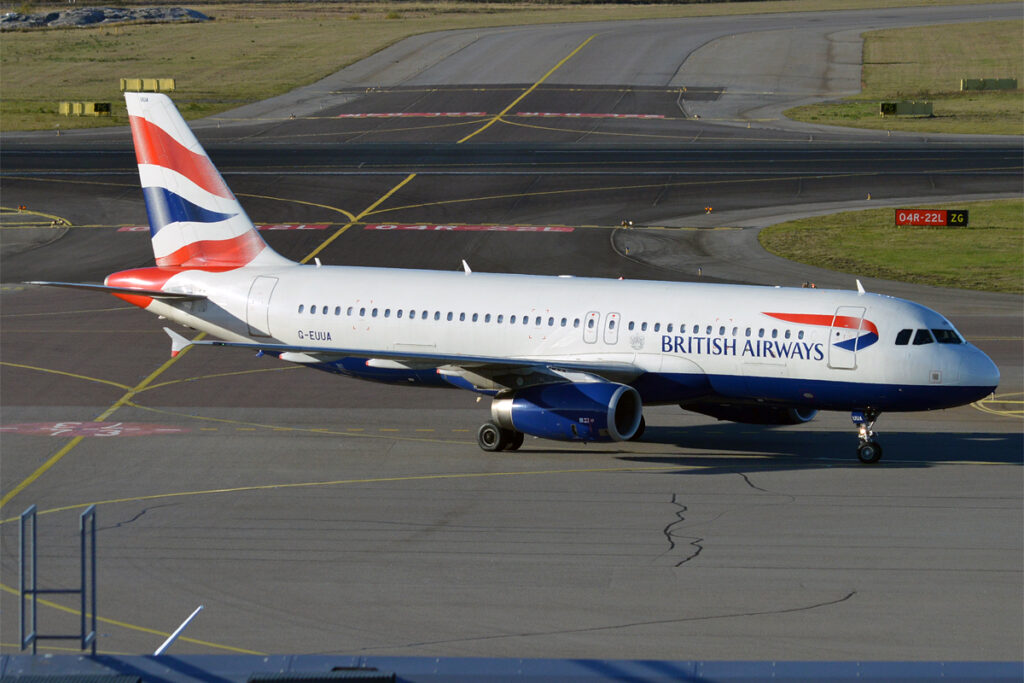
British Airways uses identical seats across all cabins on its short-haul aircraft. Club Europe passengers receive no additional legroom, with pitch actually falling below that offered by budget carrier Ryanair (FR).
The only physical differences separating Business Class from Economy are a blocked middle seat, a center console on most aircraft, and the white fabric headrest covers now being eliminated.
The airline has justified the removal by pointing to operational efficiency. BA dynamically adjusts the size of its Club Europe cabin based on demand, sometimes shifting from 8 seats to 48 seats between consecutive flights. Cleaning crews must swap headrest covers across multiple rows during each reconfiguration, a process that adds significant time to aircraft turnarounds.
With the covers gone, ground teams only need to reposition a movable curtain divider that runs along a track mounted in the overhead bins. The leather headrests fitted on short-haul aircraft can be wiped down between flights, eliminating the functional need for fabric covers.
Growing Frustration Among BA Frequent Flyers
The headrest cover removal follows a pattern of recent cutbacks to Club Europe service. British Airways has already eliminated hot breakfasts from certain short-haul routes, drawing sharp criticism from loyal customers.
Many passengers argue that the airline continues to charge premium fares while steadily reducing the product that justifies those prices.
The antimacassars, formally named after the Macassar oil popular in the Victorian era, served primarily as an aesthetic marker on BA’s leather short-haul seats. While they originally protected upholstered furniture from hair oil stains, their role on modern leather seats was largely decorative.
Long-Haul Flights Remain Unaffected for Now
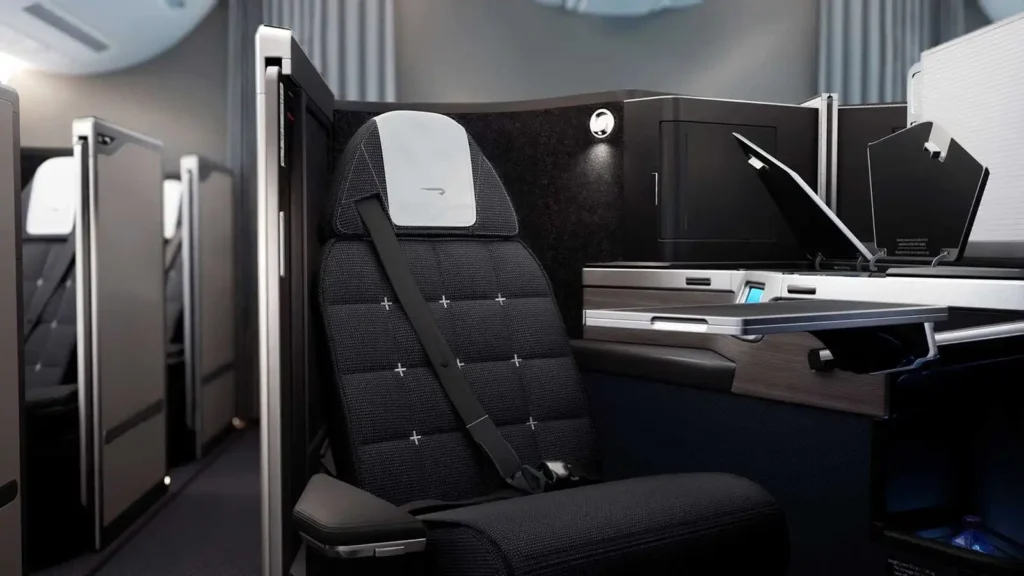
British Airways will retain headrest covers on its long-haul fleet, where fabric-upholstered seats still require protection.
First Class, Club World Business Class, and World Traveller Plus premium economy cabins all use fabric covers, while World Traveller economy uses disposable paper versions.
However, changes may be on the horizon for long-haul cabins as well. BA plans to trial leather-style headrest covers on World Traveller seats aboard select Airbus A380 aircraft later this month. These covers would not require replacement after every flight.
The airline has also installed new World Traveller Plus seats on some Boeing 787-9 Dreamliners featuring leather headrests, potentially paving the way for antimacassar removal in that cabin too.
Leather vs. Fabric Seats Remain a Divided Issue
The debate over seat upholstery extends beyond British Airways. Many passengers believe leather seats offer better hygiene than fabric alternatives, as they resist absorption of dirt and germs.
Airlines in the United States have long favored all-leather seating across most cabins. Even premium long-haul products from U.S. carriers such as United Airlines (UA), like the Polaris suites, use leather headrests, eliminating the need for antimacassars entirely.
British Airways now joins a broader industry trend of prioritizing operational speed and cost savings over traditional cabin distinctions on short-haul routes.
Stay tuned with us. Further, follow us on social media for the latest updates.
Join us on Telegram Group for the Latest Aviation Updates. Subsequently, follow us on Google News
