


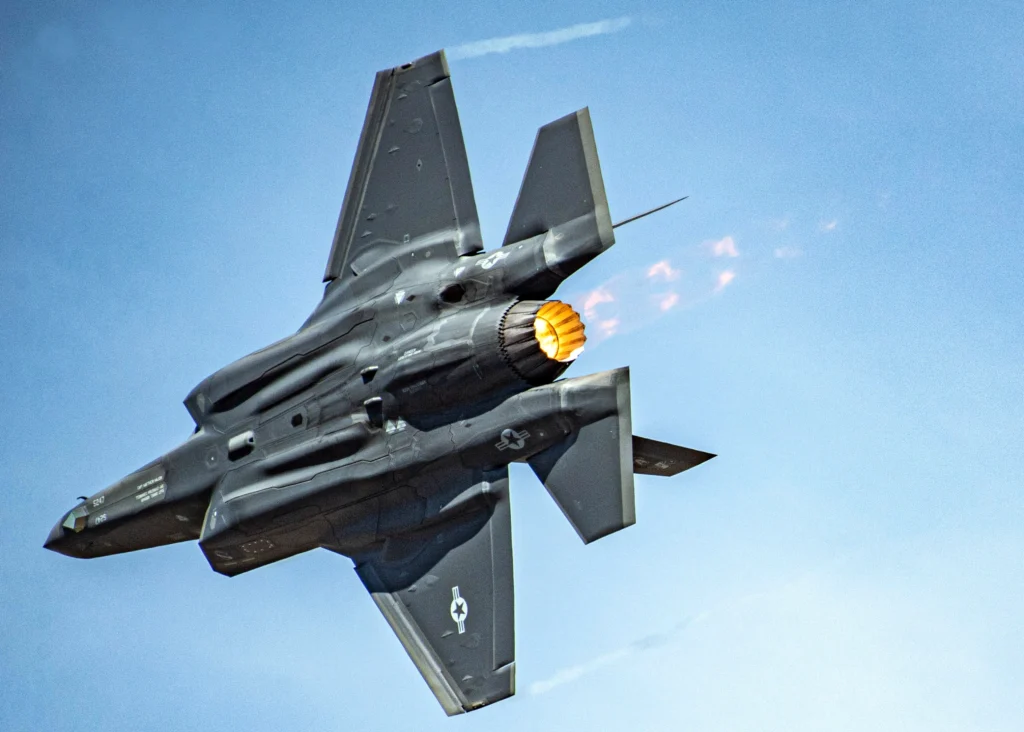
FORT WORTH- The United States Department of Defense has awarded Lockheed Martin a $177 million contract for three F-35 Lightning II fighter jets configured for flight science and test work.
The contract, approved on 23 April 2026, covers one aircraft in each of the three F-35 variants: the conventional takeoff F-35A, the short takeoff and vertical landing F-35B, and the carrier-based F-35C.
The order comes as the Pentagon works to resolve persistent delays in the F-35 Block 4 upgrade programme, now estimated at over $6 billion above original costs and at least five years behind schedule. A limited fleet of ageing test aircraft has been identified as a key bottleneck in certifying new configurations, and these three jets are expected to close that gap.
Why the Pentagon Needs Dedicated F-35 Test Aircraft
The Pentagon currently operates only a small number of flight-science F-35s. Officials and auditors have repeatedly cited this limited test fleet as a factor behind delays in rolling out upgrades for the fifth-generation stealth fighter.
Without sufficient test platforms, new hardware and software configurations face longer certification timelines, which push costs higher.
The latest contract follows the delivery of a test-instrumented F-35A to the United States Air Force (USAF) in September. That aircraft joined an ageing roster of original Flight Science jets that have supported the programme since its early development phase.
The three new jets will replace those older platforms and provide modern test infrastructure for current and future upgrade certification.
According to the Pentagon’s contract announcement, the aircraft will “support preventing a capability gap for flight test” and enable holistic testing of Block 4 capabilities and other future upgrades across the Joint Strike Fighter (JSF) programme, Flight Global reported.
Block 4 Delays and Cost Overruns
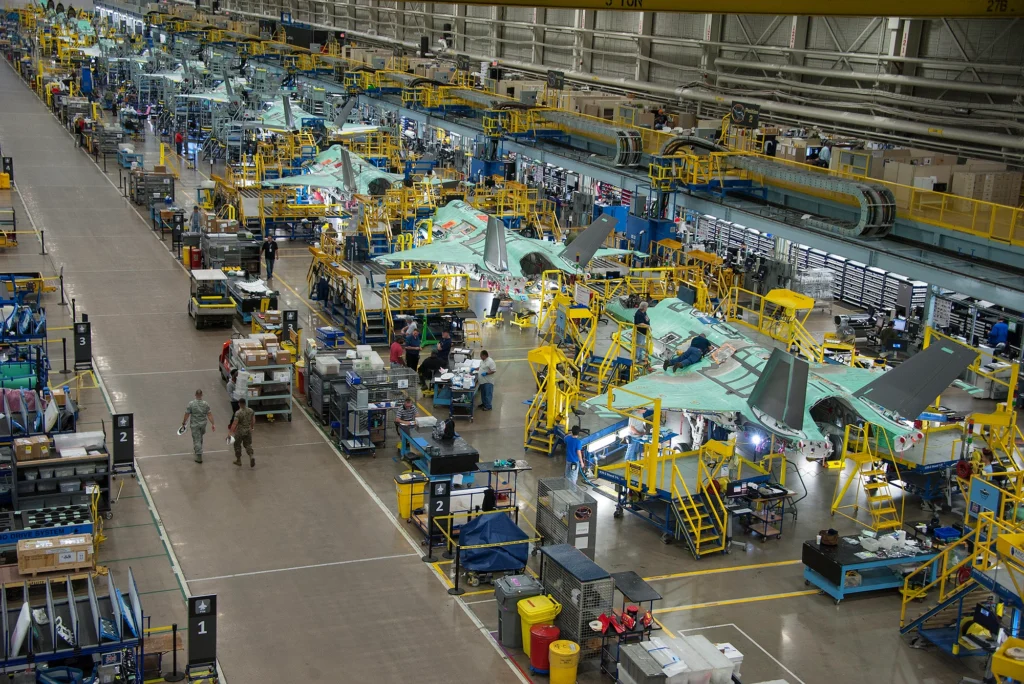
The F-35 Block 4 upgrade programme has become one of the most scrutinised defence acquisition efforts in recent years.
Block 4 encompasses a broad suite of upgrades to the jet’s weapons, sensors, and communications systems. These upgrades depend on the Technical Refresh 3 (TR-3) configuration, which provides improved onboard computing power.
TR-3 itself caused significant disruption. Protracted delays at Lockheed Martin in certifying the TR-3 hardware led the Pentagon to halt all new F-35 deliveries for a full year between 2023 and 2024. That delivery pause affected production schedules and operational readiness across the US military and allied nations.
The US Government Accountability Office (GAO) noted in a September report that Block 4 costs now exceed original estimates by more than $6 billion, with completion running at least five years late. Delivery of the first Block 4-configured F-35 is now projected for 2031.
Engine and Power System Upgrades Under Consideration
Beyond Block 4, the Pentagon is pursuing multiple complex projects to upgrade the F-35’s electrical power generation and thermal management systems. Current power and cooling demands on the aircraft now exceed the original design parameters, creating a need for significant hardware improvements.
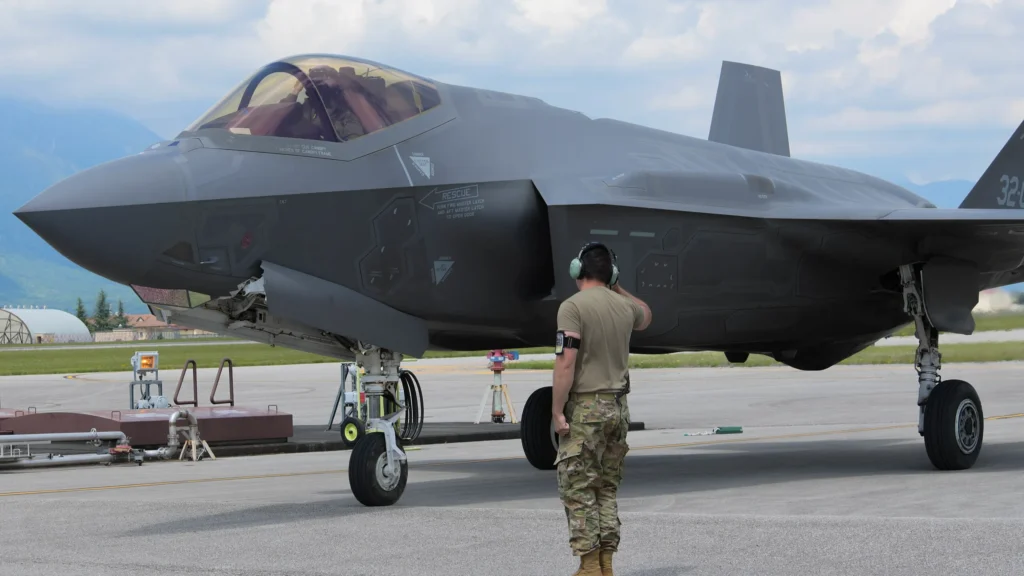
The Engine Core Upgrade (ECU) programme aims to re-core the jet’s Pratt & Whitney (PW) F135 engine. Pratt & Whitney is currently under contract and performing design work for the ECU, which would boost thrust and power generation capacity.
A separate effort targets the F-35’s Honeywell-made Power and Thermal Management System (PTMS). This upgrade is still under evaluation and has not yet received full commitment or funding from the Pentagon. Both the ECU and PTMS programmes will require dedicated test aircraft to validate new hardware in flight conditions.
Test Fleet Critical to Avoiding Further Delays
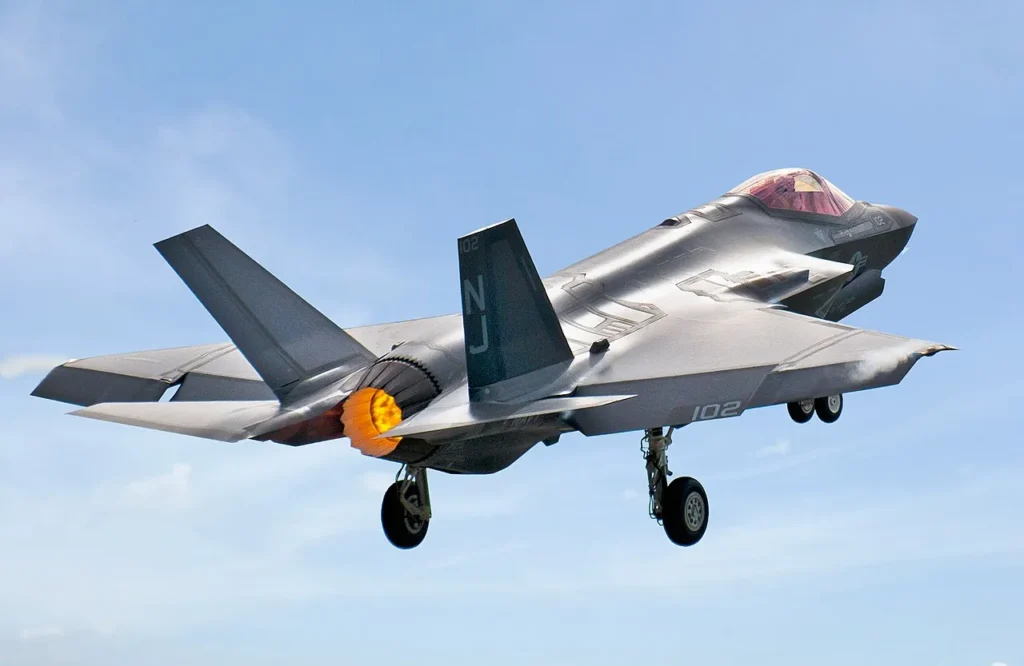
The addition of three new flight-science jets addresses a structural weakness in the F-35 programme. Without adequate test platforms, every major upgrade effort risks the same pattern of delays that plagued TR-3 and Block 4 certification.
The Pentagon’s decision to invest $177 million in dedicated test aircraft signals recognition that flight testing infrastructure is as important as the upgrades themselves. As the JSF programme moves toward Block 4 delivery in 2031 and beyond, these aircraft will serve as the foundation for validating each new capability before it reaches operational squadrons.
Stay tuned with us. Further, follow us on social media for the latest updates.
Join us on Telegram Group for the Latest Aviation Updates. Subsequently, follow us on Google News
