

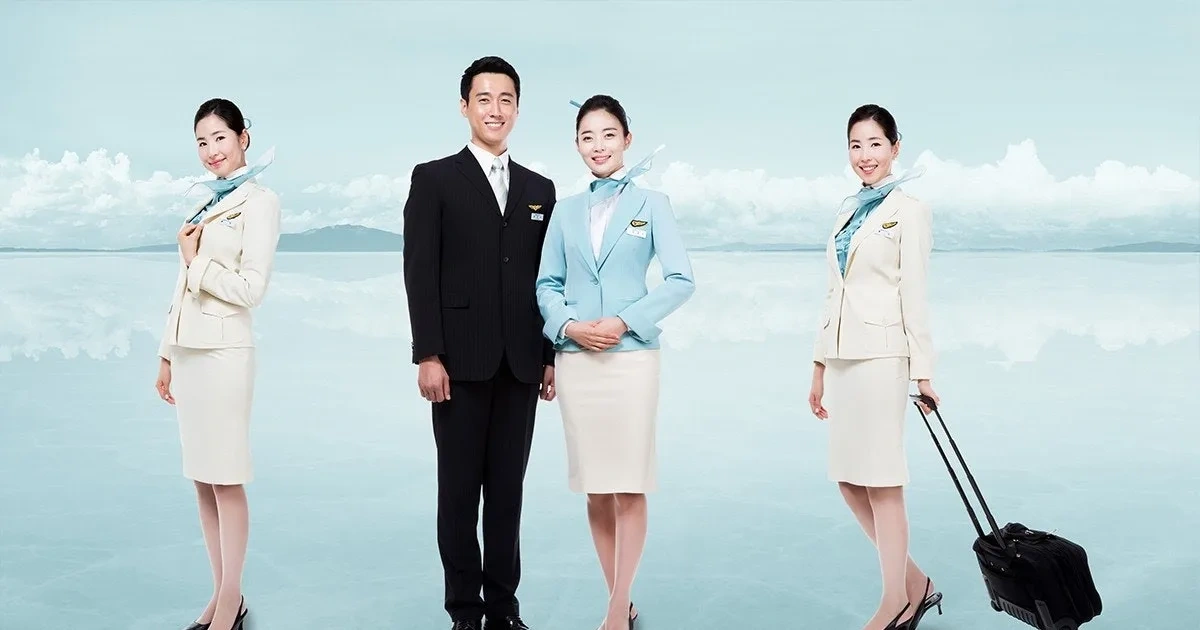
SEOUL— Korean Air (KE) is reviewing its long-standing uniform and grooming policies, with a potential shift that could allow flight attendants to wear sneakers while on duty. The move follows internal consultations as the airline assesses ways to improve employee comfort without compromising its brand image.
The Seoul-based carrier, which operates primarily from Seoul, has historically enforced strict appearance standards for cabin crew. These rules have shaped its global reputation but have also drawn scrutiny for being rigid and outdated in a modern aviation workplace.
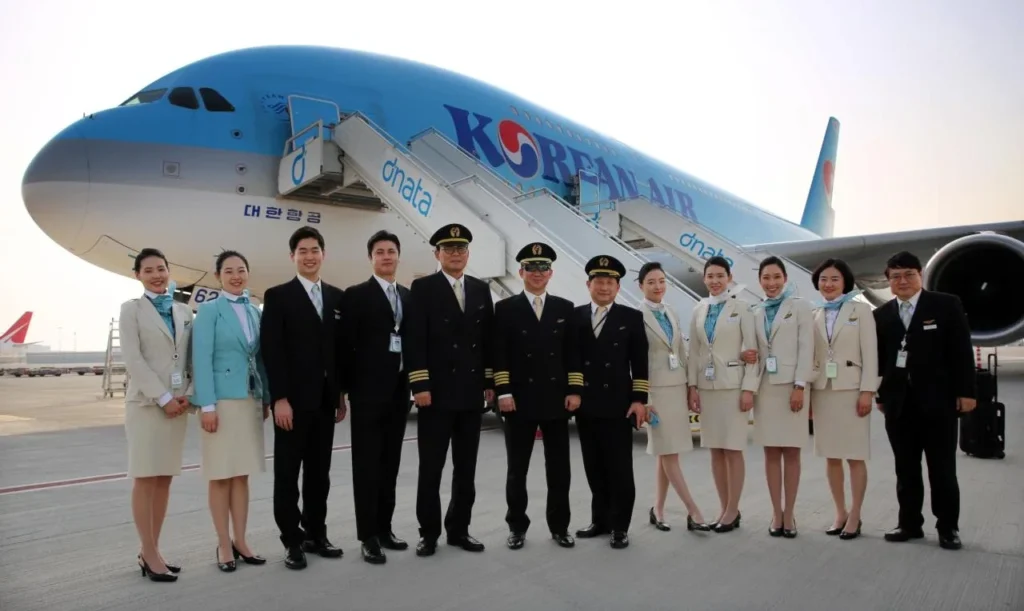
Korean Air Attendant Uniform Changes
Korean Air currently requires female flight attendants to wear high heels measuring between 3 and 5 centimeters while moving through airport terminals.
Crew members can only switch to flat shoes after boarding, reflecting a policy that prioritizes formal presentation during passenger-facing moments.
The proposed change would introduce sneakers as an approved option, aligning the airline with evolving industry practices. This shift indicates a broader reassessment of workplace norms in aviation, where comfort and functionality are gaining importance alongside aesthetics.
The airline has not confirmed a timeline for implementation, but internal discussions suggest that employee feedback is playing a key role in shaping the decision, PYOK flagged.
Asia Industry Trend
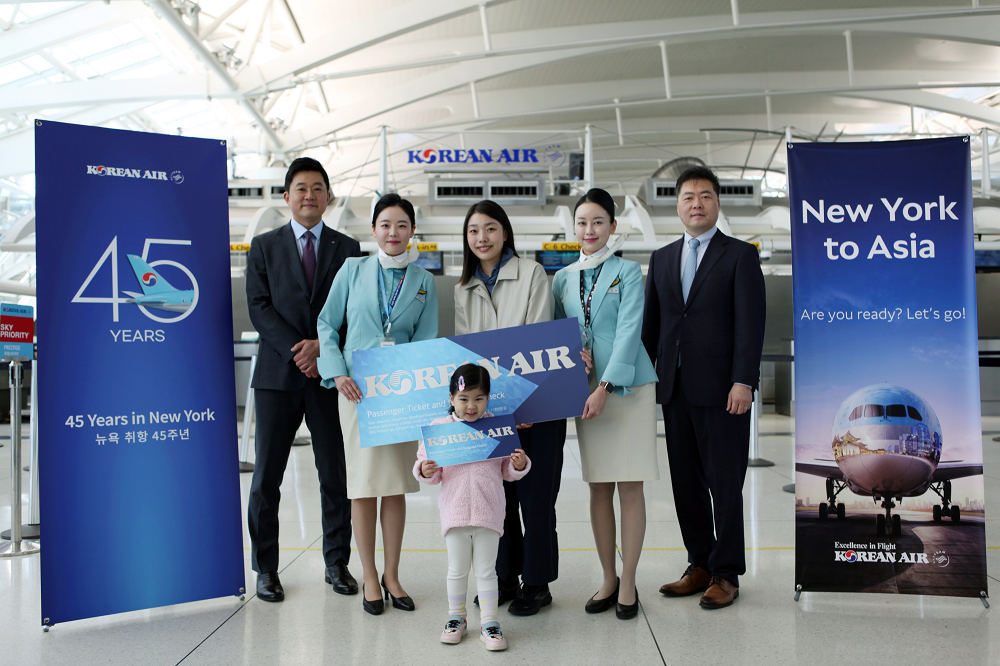
Across Asia, airlines have started modernizing uniform standards to better support frontline staff. Japan Airlines (JL) recently updated its grooming guidelines, allowing employees to wear plain black sneakers with both trousers and skirts.
This policy marked a significant departure from traditional norms, particularly because it extended flexibility to female staff regardless of uniform style. The airline introduced the change after determining that improved comfort could enhance overall service quality.
In South Korea, low-cost carrier Aero K set an early precedent by launching with a gender-neutral uniform that includes sneakers as standard footwear.
This approach challenged conventional expectations and demonstrated a shift toward inclusivity and practicality.
Global Airline Practices
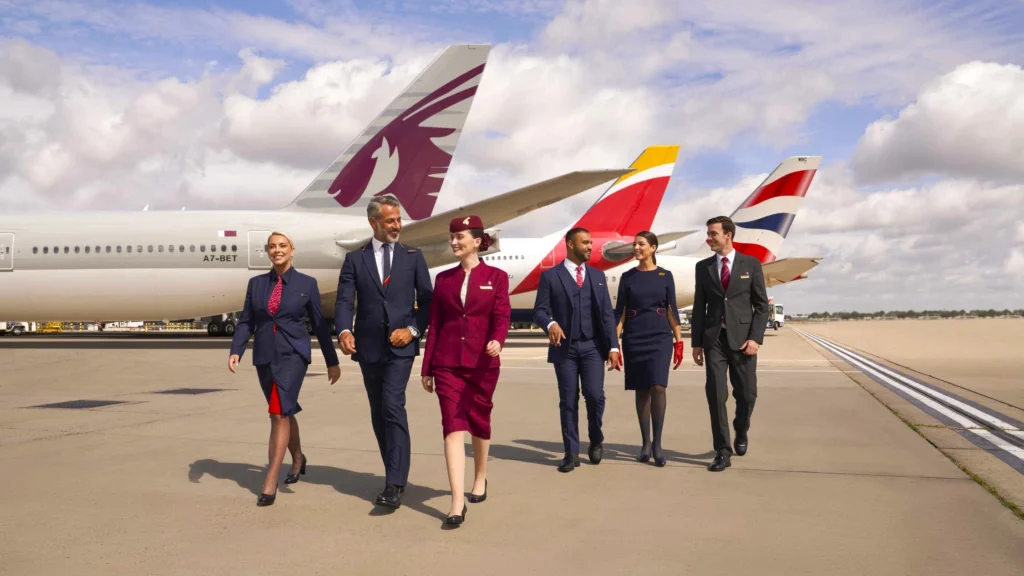
Several international airlines have already embraced similar changes. Iberia (IB) was among the first full-service carriers to permit sneakers for cabin crew, setting an example that others soon followed.
European airlines such as KLM Royal Dutch Airlines (KL), Finnair (AY), and SAS Scandinavian Airlines (SK) have also adopted more flexible uniform policies.
These updates reflect a growing recognition that employee well-being directly impacts service delivery and operational efficiency.
Korean Air’s consideration of sneakers signals that even traditionally conservative airlines are adapting to changing workforce expectations. While the airline remains known for its polished image, the potential update suggests a balance between professionalism and practicality.
Stay tuned with us. Further, follow us on social media for the latest updates.
Join us on Telegram Group for the Latest Aviation Updates. Subsequently, follow us on Google News
