

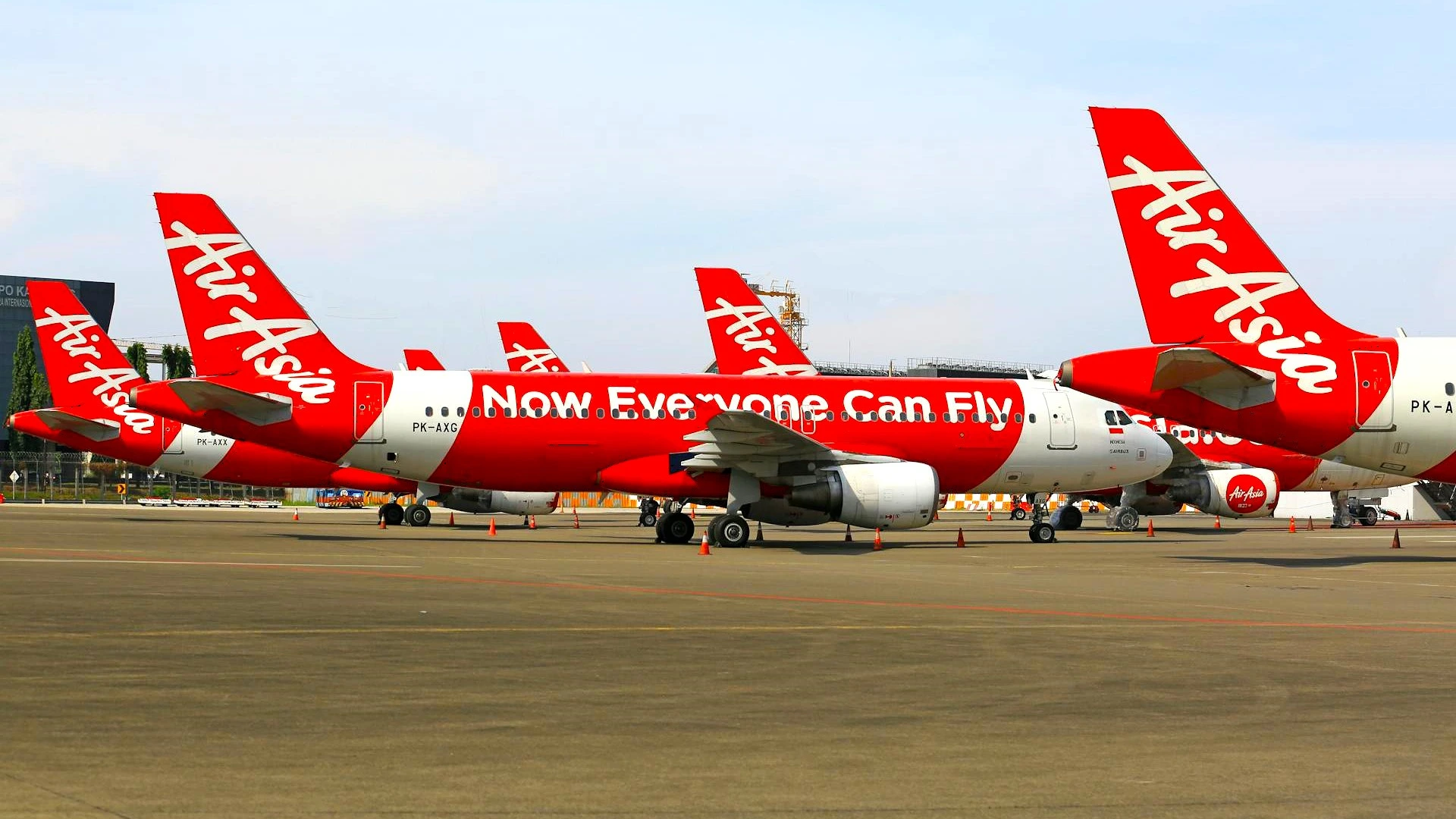
The low-cost airline sector in 2026 reflects a major shift in how budget travel is delivered, with carriers focusing not just on fares but on overall journey quality. AirlineRatings.com’s latest rankings recognize airlines that have successfully balanced affordability with reliable service and thoughtful onboard features.
These low-cost airlines continue to expand aggressively across short and medium-haul markets. Their ability to maintain low operating costs while improving passenger satisfaction has reshaped competition across the aviation industry.
10 Best Budget Airlines in 2026
In this article, we will have a look at the ten best low-cost airlines in the world in 2026.
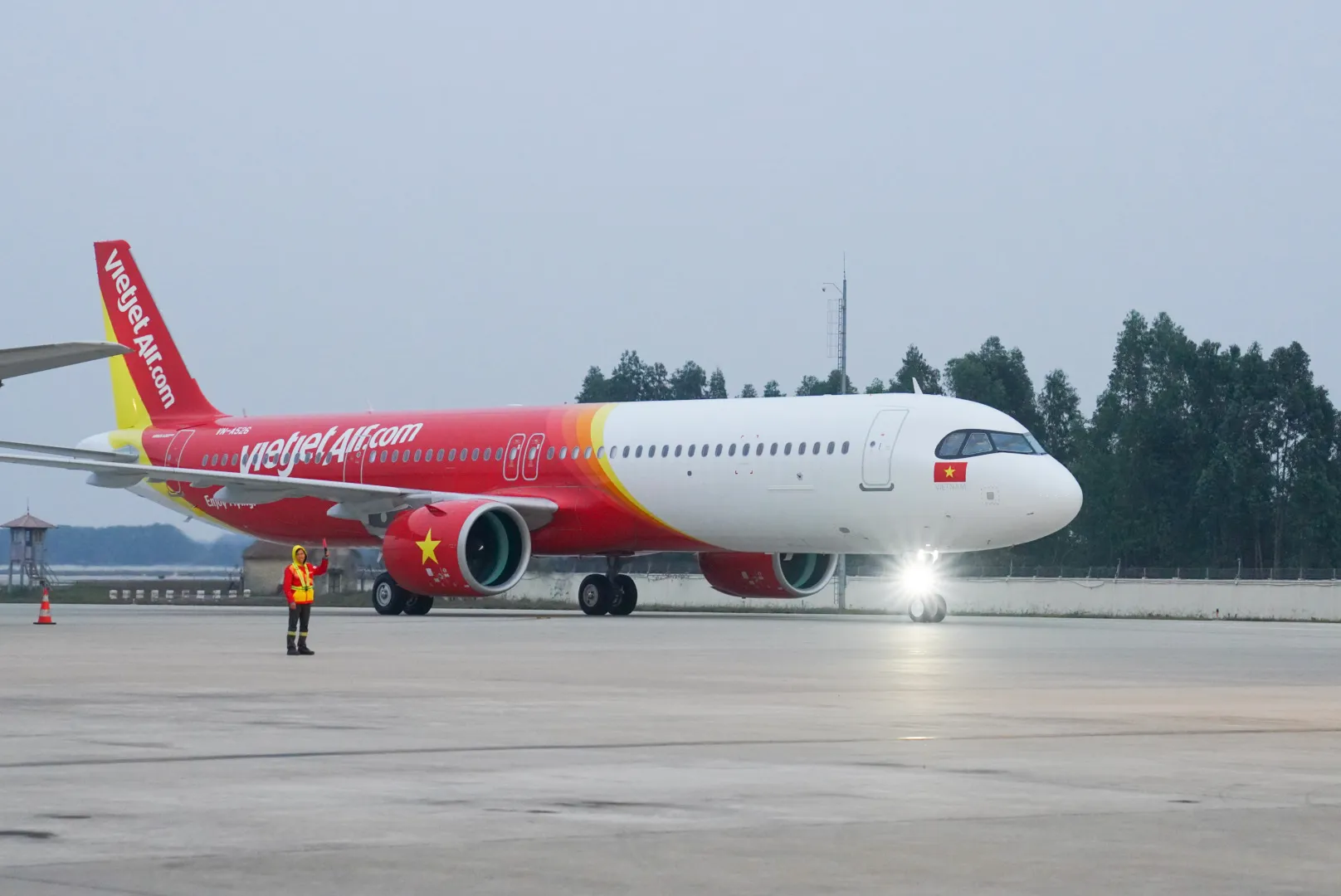
10. VietJet Air (VJ)
VietJet Air ranks tenth with its aggressive pricing strategy and rapid expansion across Asia. The airline is known for offering some of the lowest fares in the market, attracting budget-conscious travelers.
Despite its ultra-low-cost positioning, VietJet continues to expand its network and explore long-haul opportunities. Its ability to stimulate demand in emerging markets remains a key strength.
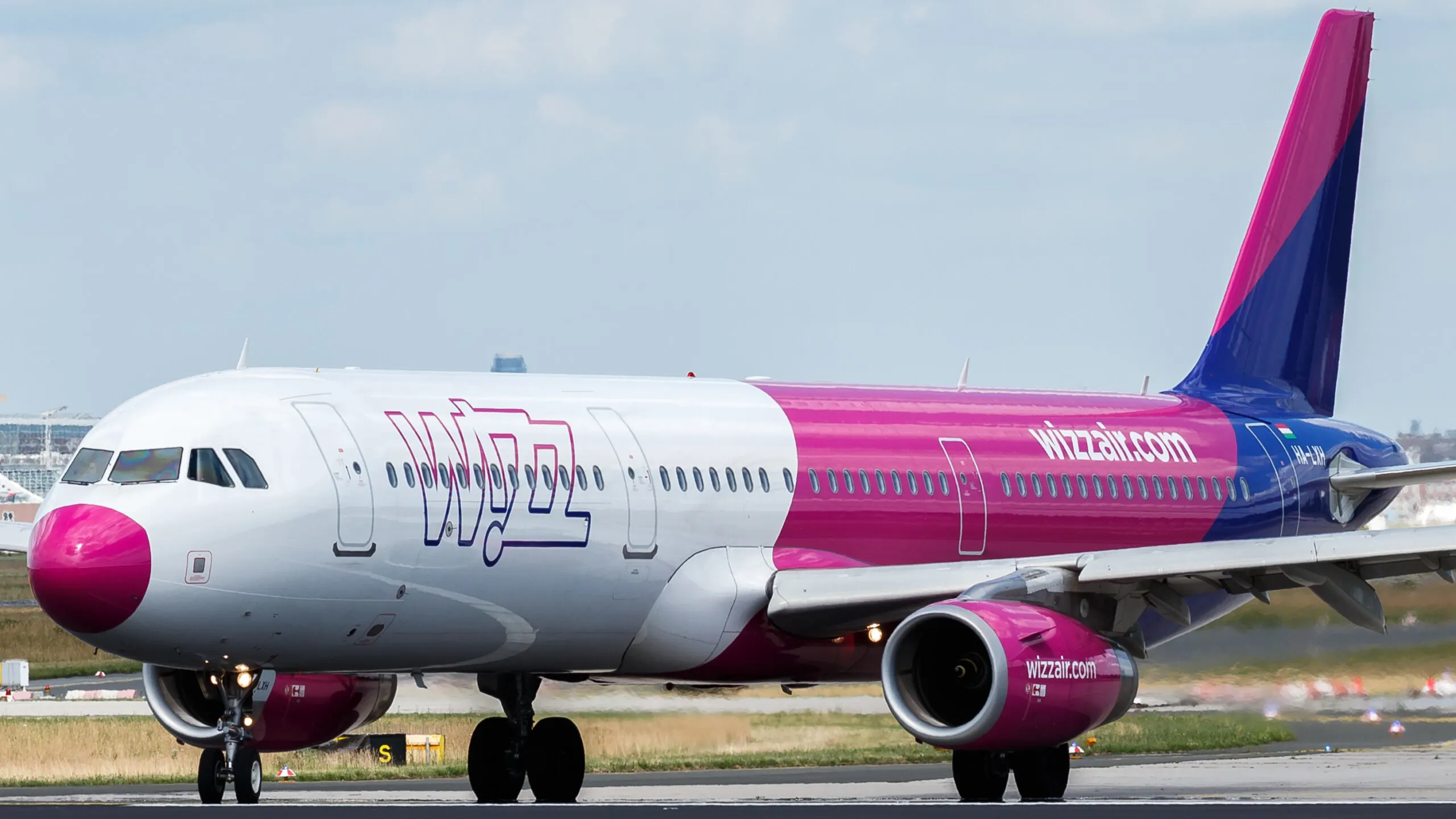
9. Wizz Air (W6)
Wizz Air secures ninth place with a highly efficient cost model and extensive European network. The airline focuses on ultra-low fares while offering optional add-ons for flexibility.
Programs such as subscription passes and flexible booking options enhance its appeal. Wizz Air continues to grow rapidly across both Western and Eastern Europe.
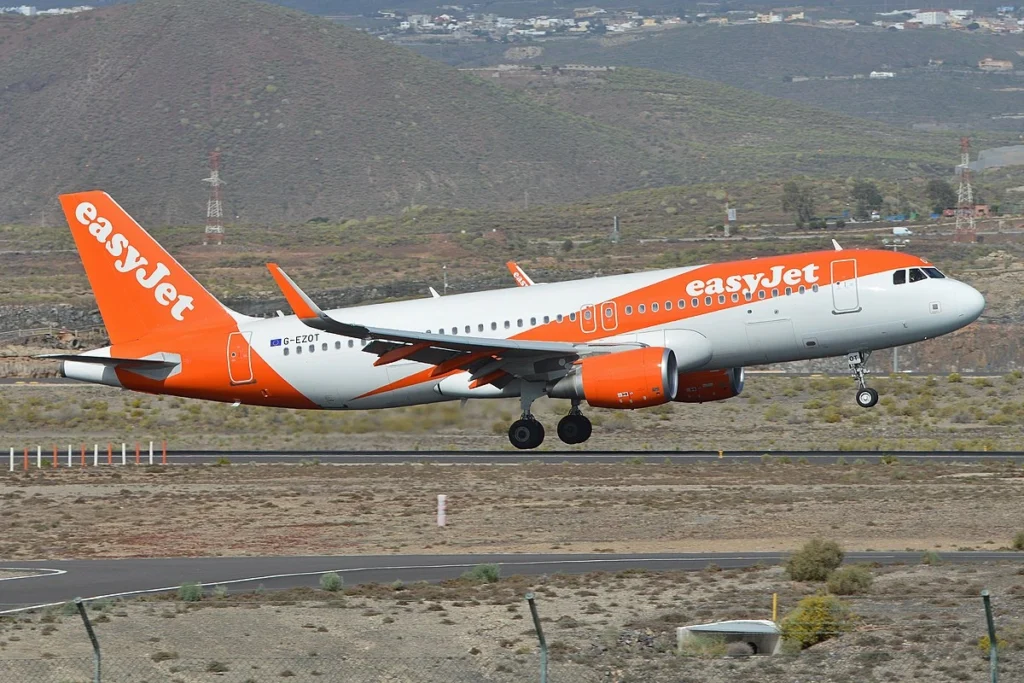
8. easyJet (U2)
easyJet remains one of Europe’s most recognizable low-cost carriers. It combines affordable fares with reliable operations and a strong presence at major airports.
The airline has also invested in digital services and customer experience improvements. Its hybrid approach allows passengers to customize their travel experience based on budget and needs.
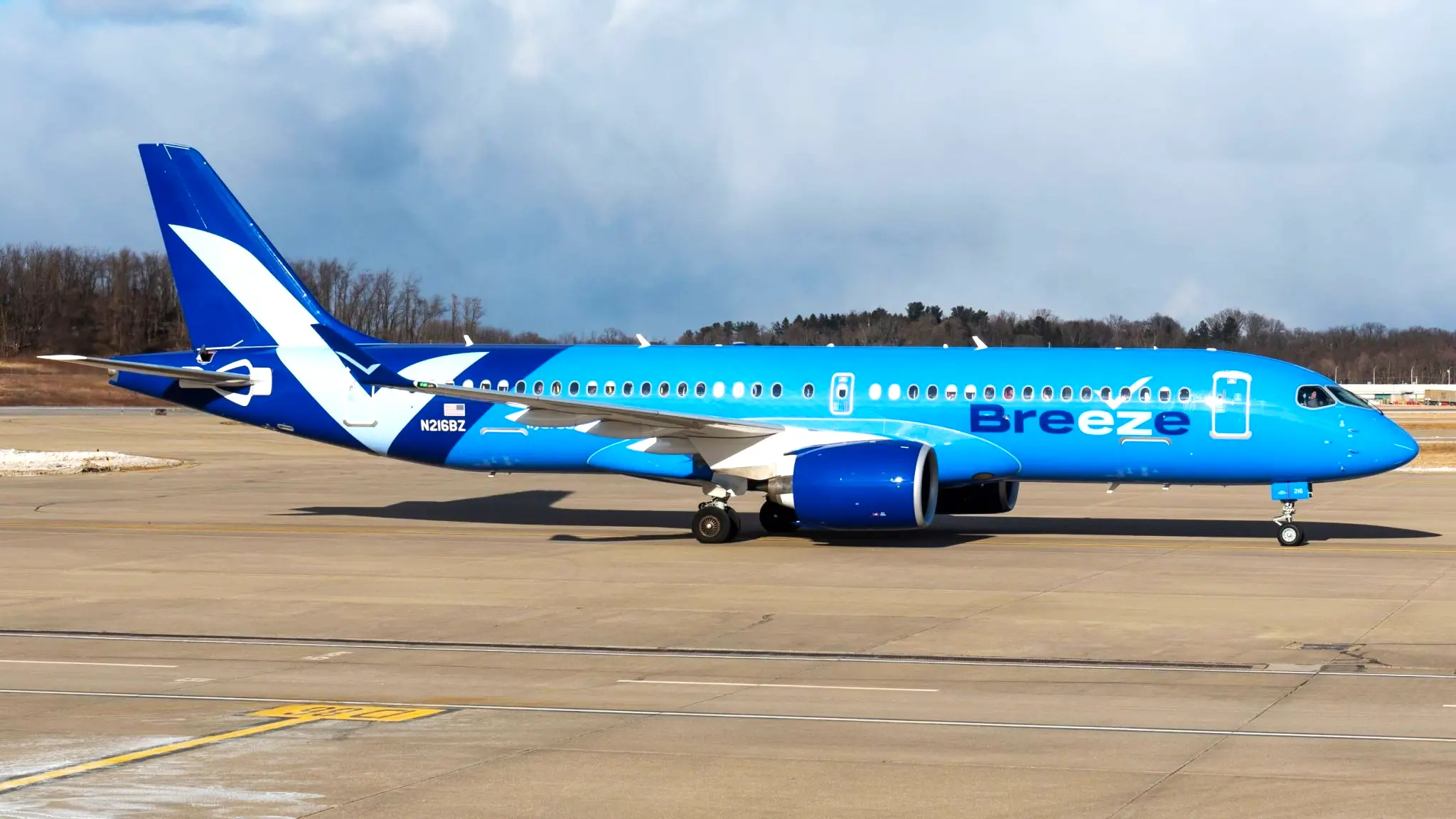
7. Breeze Airways (MX)
Breeze Airways ranks seventh as a relatively new entrant focusing on underserved routes. The airline aims to connect secondary cities with affordable and convenient flights.
Its modern fleet and simplified service model help maintain cost efficiency. Breeze is steadily expanding its footprint in the United States.
https://commons.wikimedia.org/wiki/File:Hamburg-Finkenwerder_Airport_flynas_Airbus_A320-251N_HZ-NS67_(DSC09769).jpg
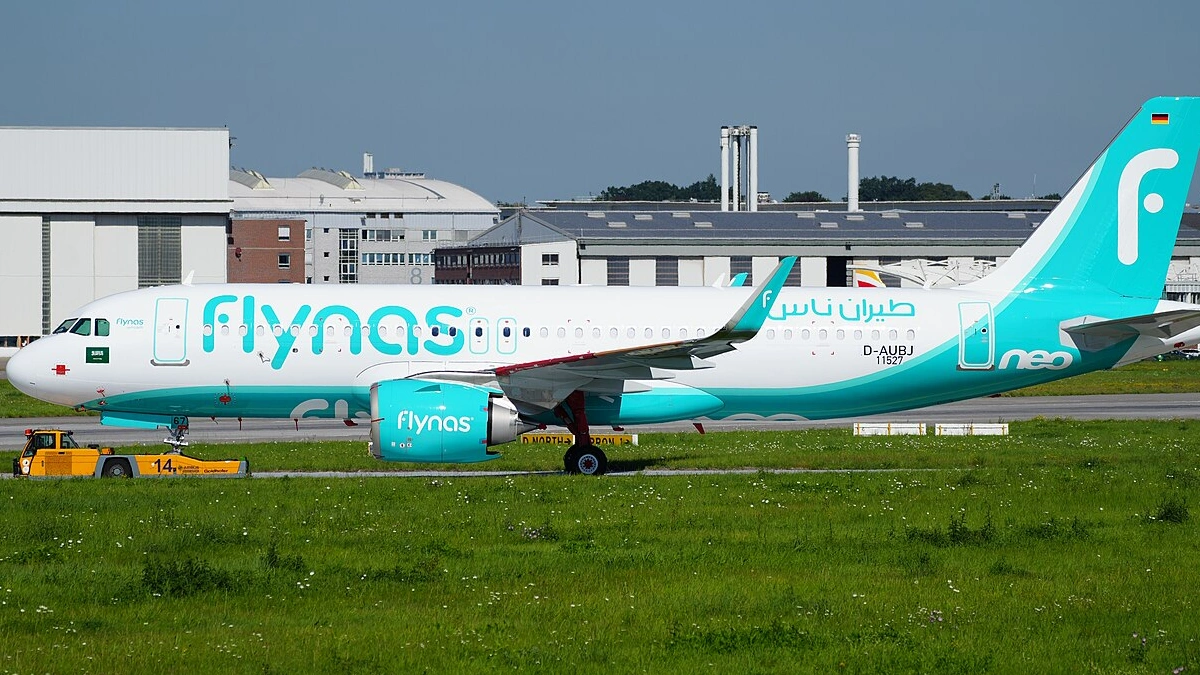
6. Flynas (XY)
Flynas has grown into a leading low-cost carrier in the Middle East. The airline offers competitive fares across regional and international routes.
Its focus on operational efficiency and expanding route networks has strengthened its market position. Flynas continues to attract both leisure and business travelers.
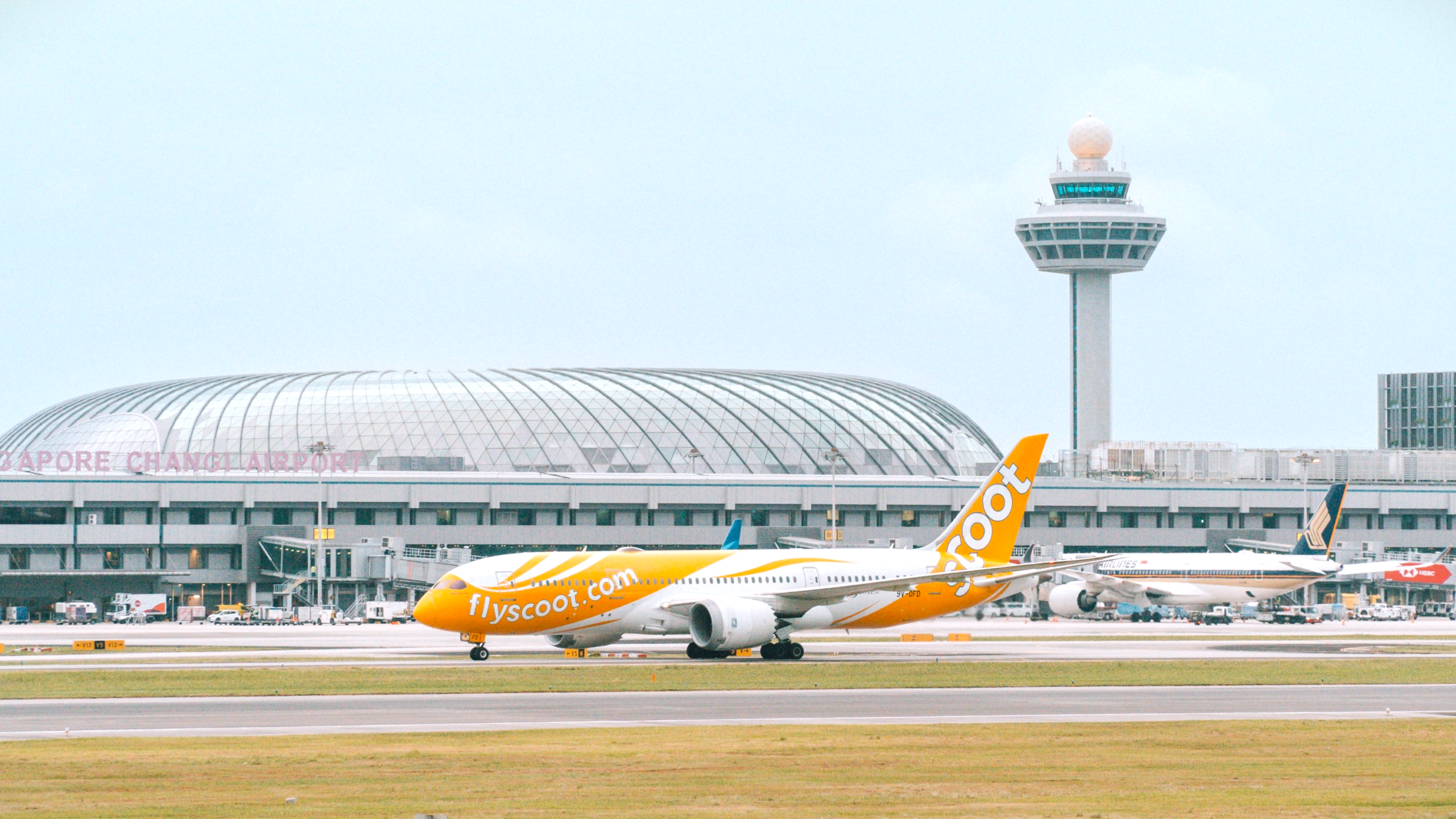
5. Scoot (TR)
Scoot, the low-cost arm of Singapore Airlines (SQ), offers a strong balance between affordability and service quality. The airline operates both short and long-haul routes.
Passengers benefit from optional extras such as meals, entertainment, and upgraded seating. Scoot’s association with a premium parent airline enhances its credibility.
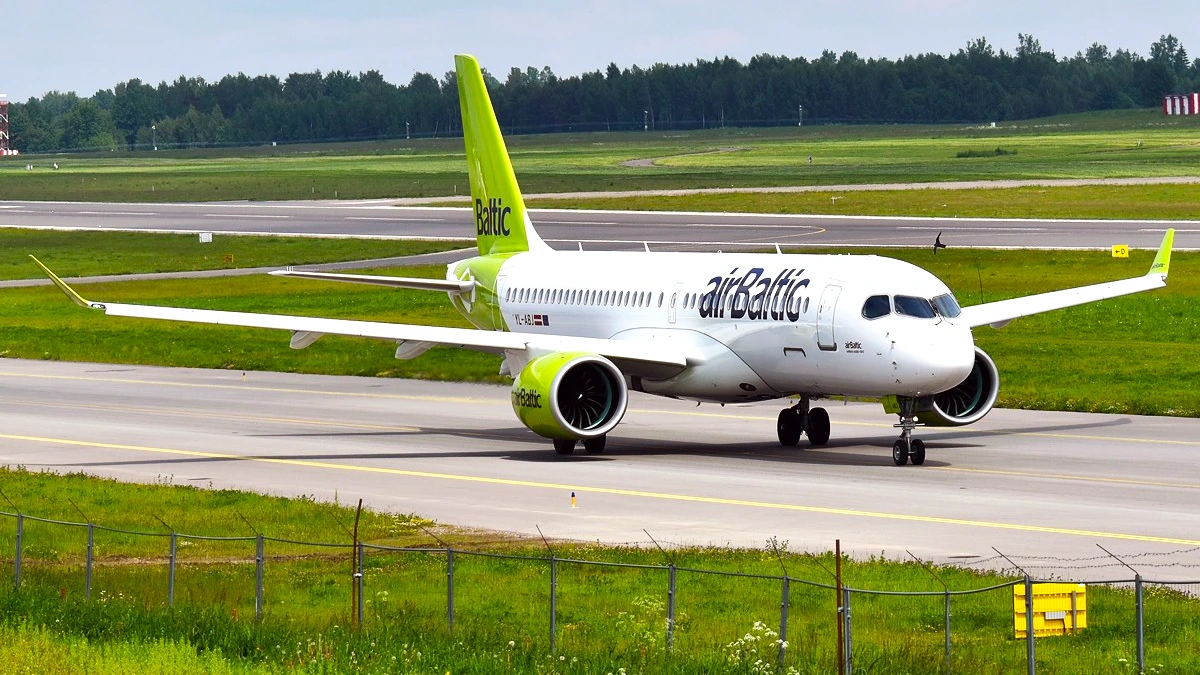
4. airBaltic (BT)
airBaltic stands out for offering features not typically associated with low-cost carriers. The airline provides complimentary Wi-Fi, which adds significant value for passengers.
Its modern fleet and efficient operations contribute to a reliable travel experience. airBaltic continues to bridge the gap between low-cost and hybrid models.
https://commons.wikimedia.org/wiki/File:AirAsia_X_Airlines.jpg
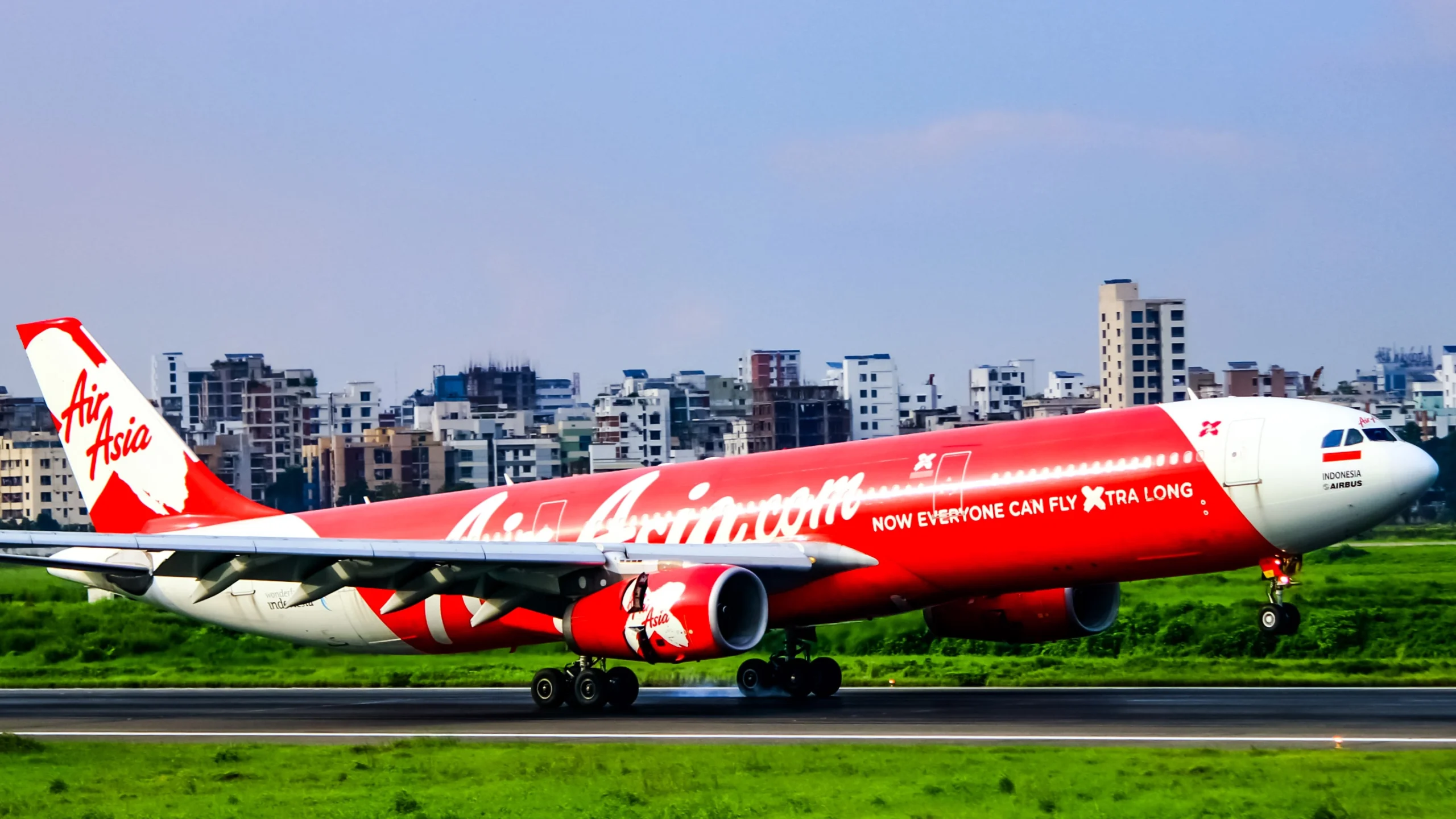
3. AirAsia Group (AK)
AirAsia Group ranks third with its extensive network across Asia and beyond. The airline is known for pioneering low-cost long-haul travel in the region.
Its Fly-Thru service allows seamless connections, enhancing convenience for passengers. AirAsia’s scale and brand recognition make it a dominant player in the budget segment.
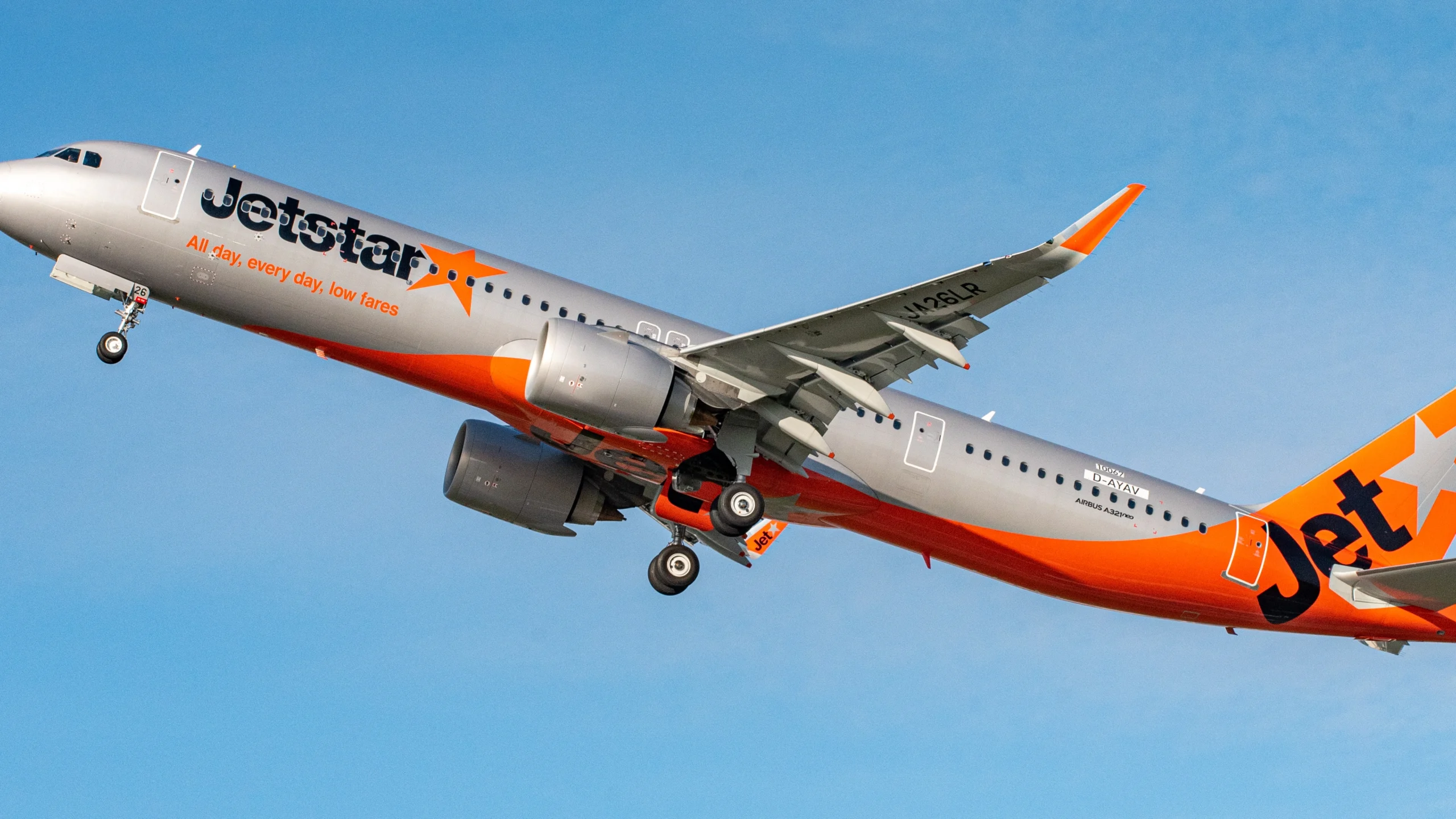
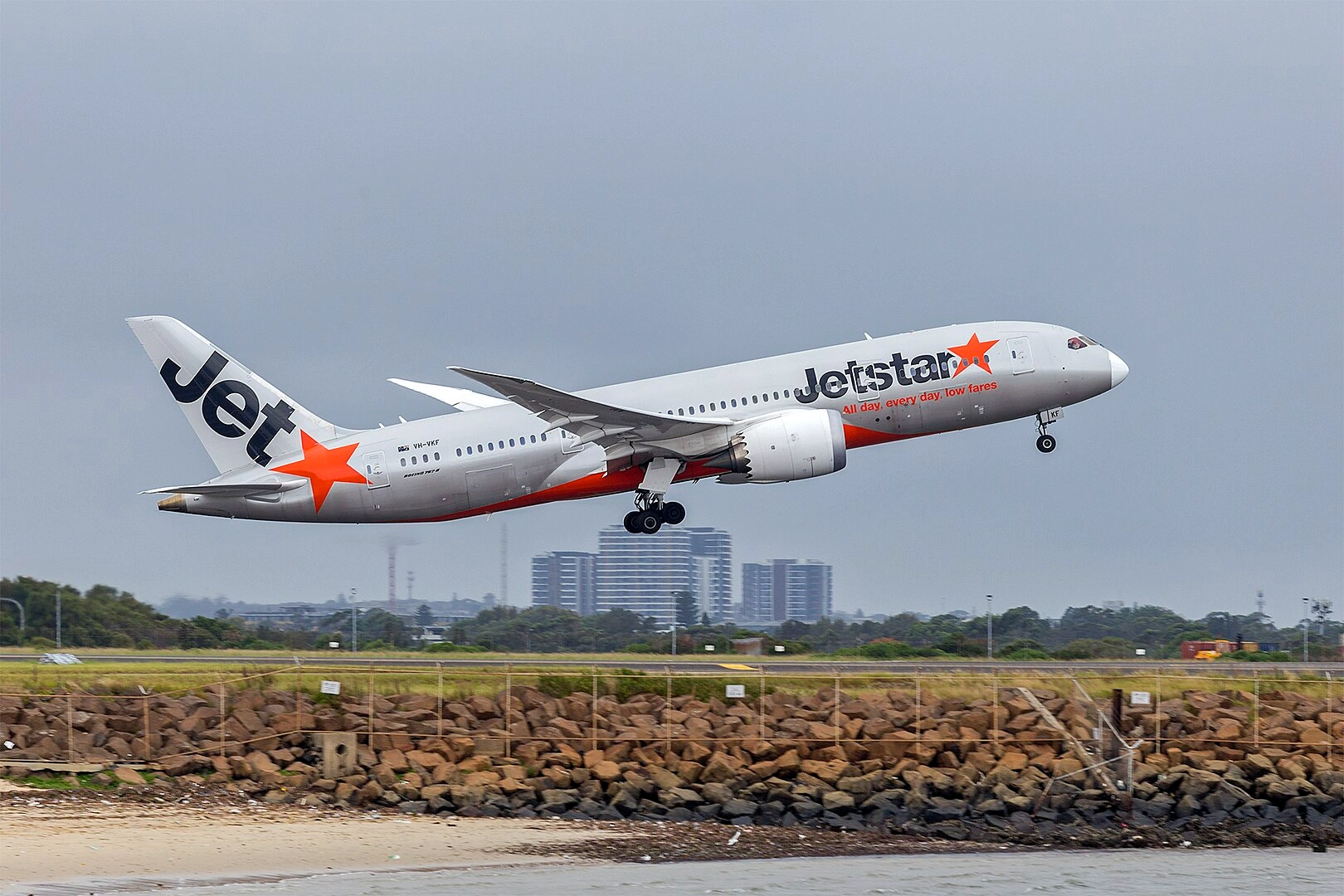
2. Jetstar (JQ)
Jetstar secures second place with a strong focus on passenger comfort within a low-cost framework. The airline offers inflight entertainment options and in-seat power on select aircraft.
Its network spans domestic and international routes, providing affordable travel options across the Asia-Pacific region. Jetstar continues to invest in improving its onboard experience.
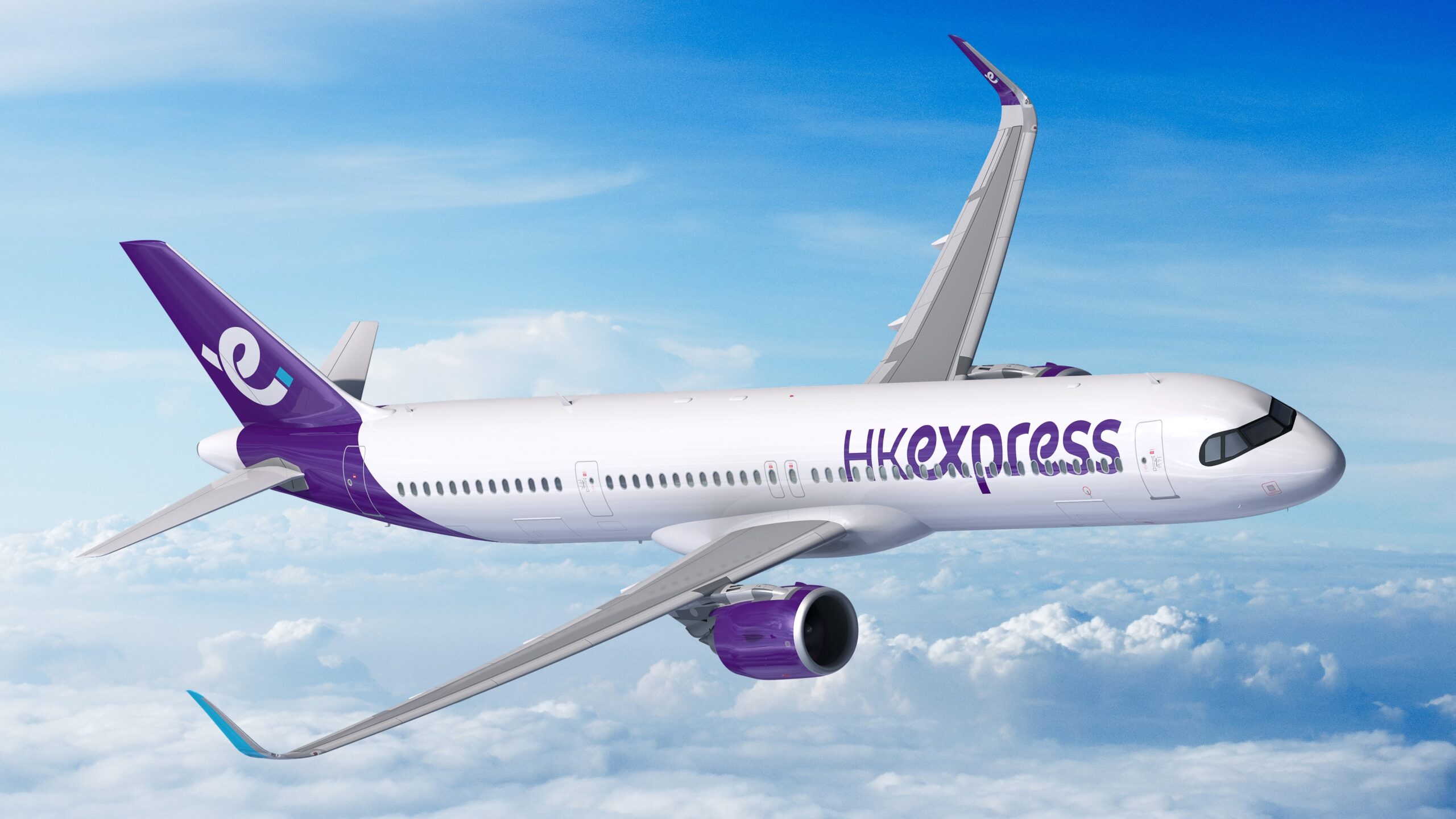
1. HK Express (UO)
HK Express takes the top spot as the world’s best low-cost carrier for 2026. The airline stands out for its exceptional cabin crew and unique onboard experience.
Its inflight menu is a defining feature, offering a variety of meals inspired by Hong Kong street food alongside international options. While it does not emphasize extras like Wi-Fi, its focus on quality service and food sets it apart.
The airline’s consistent performance and attention to passenger experience make it a deserving leader in the low-cost category.
Bottom Line
The 2026 rankings highlight how low-cost carriers continue to evolve beyond basic transportation. Many airlines now offer optional services such as meals, entertainment, and flexible booking.
Competition remains intense, with airlines focusing on efficiency while enhancing the passenger experience. Features like onboard connectivity and improved seating are becoming more common.
Low-cost carriers are also expanding into long-haul markets, challenging traditional full-service airlines. The rankings show that value, reliability, and innovation remain key factors for success in this segment.
Stay tuned with us. Further, follow us on social media for the latest updates.
Join us on Telegram Group for the Latest Aviation Updates. Subsequently, follow us on Google News
