

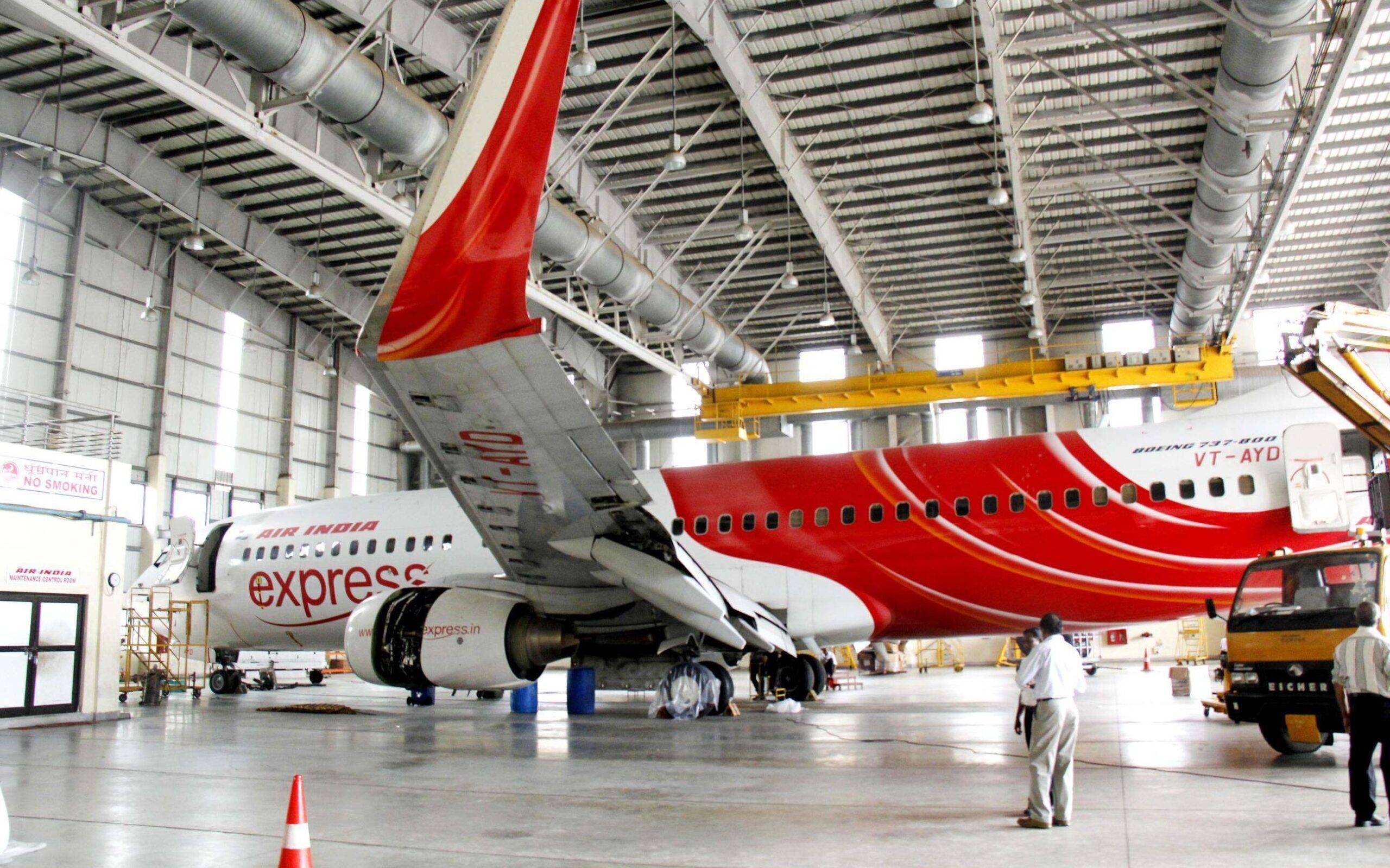
NEW DELHI- AI Engineering Services Limited (AIESL), the state-owned Maintenance, Repair, and Overhaul (MRO) provider, is actively expanding its Nagpur (NAG) facility to attract more international airline clients.
The company has also initiated the process to obtain European Aviation Safety Agency (EASA) certification for Airbus base maintenance at the facility.
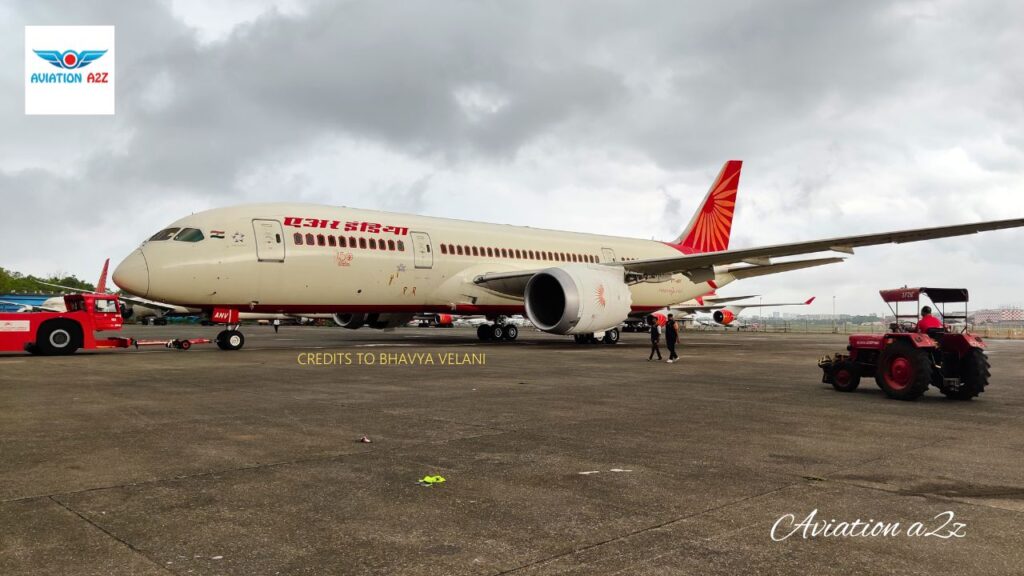
In a major milestone, an Air India (AI) Boeing 777-300ER aircraft (registration VT-ALL) recently returned to service after remaining grounded for over six years. The engineering teams at the Nagpur facility executed the complex nose-to-tail restoration, reinforcing its credentials as a capable wide-body MRO hub.
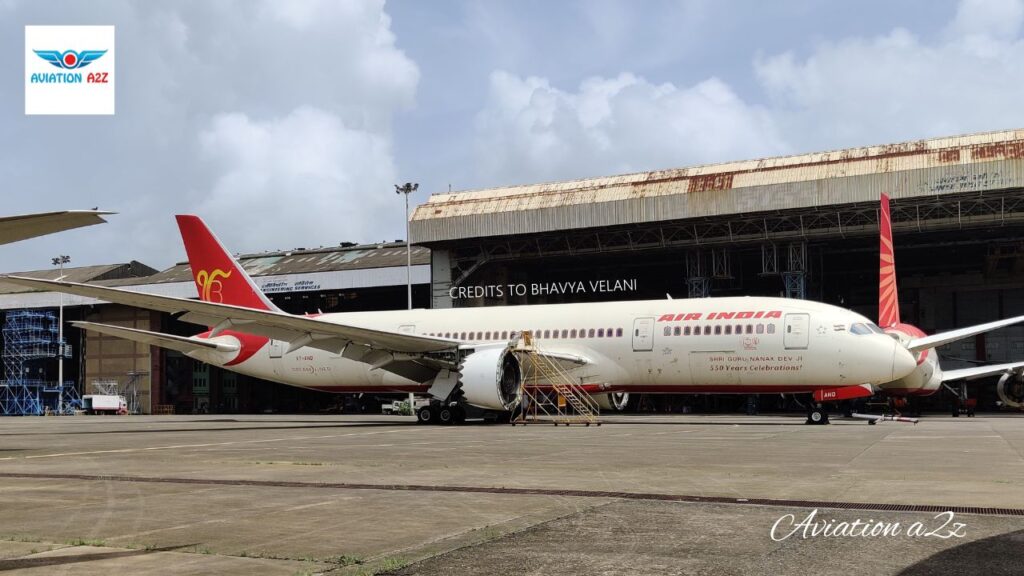
AIESL Nagpur Facility Targets Global MRO Business
AIESL, formerly a division of Air India before the airline’s privatisation, now operates under government ownership as an independent MRO services provider. The Nagpur facility serves as the company’s premium maintenance hub, and leadership is focused on scaling its international business portfolio.
An AIESL official confirmed that customer feedback for aircraft serviced at the Nagpur (NAG) facility has been consistently positive.
The facility has completed more than 240 checks on wide-body Boeing 777 aircraft as well as narrow-body Boeing 737 and Airbus A320 family jets. This track record positions the facility to compete for contracts with foreign carriers seeking reliable MRO partners in Asia.
The company is also working toward obtaining EASA approval for base maintenance on Airbus aircraft at Nagpur. This certification would allow AIESL to service European-registered Airbus planes, significantly expanding its addressable market beyond carriers regulated by India’s Directorate General of Civil Aviation (DGCA).
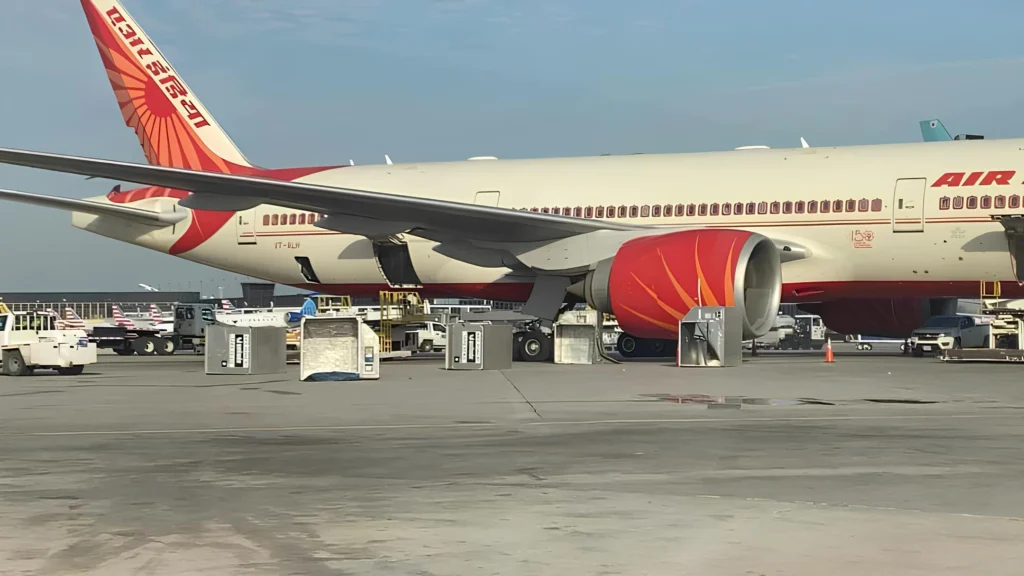
Boeing 777 Passenger-to-Freighter Conversion on the Radar
Beyond routine maintenance checks, AIESL is exploring the possibility of adding passenger-to-freighter (P2F) conversion capability for Boeing 777 aircraft at the Nagpur facility.
The P2F conversion market has grown steadily as global e-commerce demand drives airlines and cargo operators to convert aging passenger jets into freighters.
If approved and operationalised, this capability would position the Nagpur facility as one of the few MRO centres in India equipped to handle such complex structural modifications on wide-body aircraft.
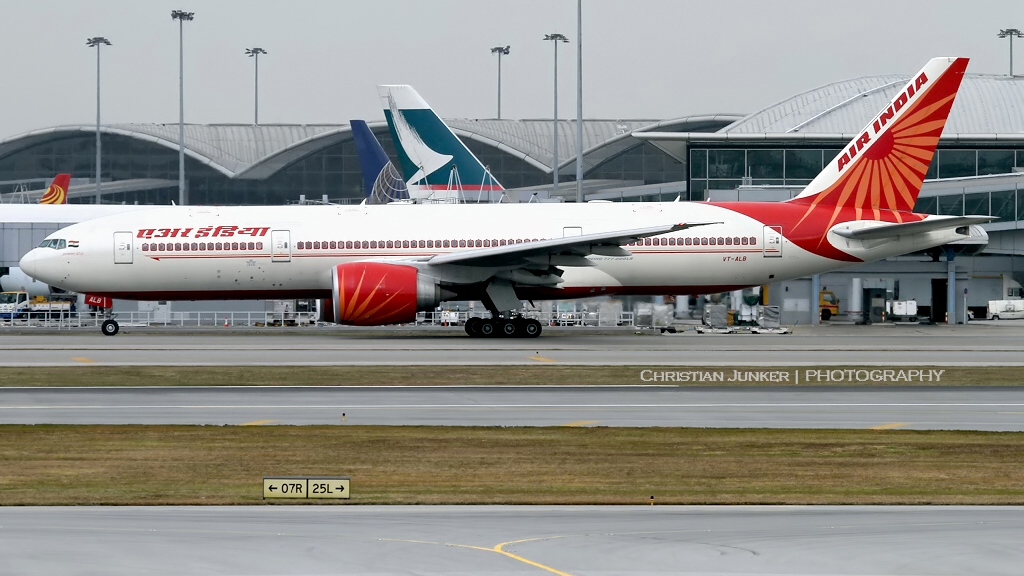
VT-ALL Restoration: A Defining Achievement
The revival of Air India’s Boeing 777-300ER aircraft VT-ALL stands as the facility’s most significant recent accomplishment.
The aircraft had been grounded since February 2020 due to multiple unserviceable systems and aging components. It entered the Nagpur facility in May 2025 for an intensive restoration programme.
The restoration involved the installation of more than 3,000 new key components and the completion of over 4,000 maintenance tasks.
Every part replacement, system restoration, and structural repair underwent stringent testing, documentation, and regulatory oversight by the DGCA, with technical guidance from Boeing. Engineering teams worked nearly around the clock to return the aircraft to airworthy condition.
An AIESL official noted that the VT-ALL project reinforced strict compliance processes across aircraft inspection, material sourcing, and testing. The learnings from this programme are expected to strengthen the facility’s overall maintenance standards going forward.
Infrastructure and Ongoing Development
The Nagpur MRO facility is equipped with two wide-body hangars, an engine run-up bay, aircraft wash provisions, and a large engine test cell. These assets allow the facility to handle heavy maintenance checks on both narrow-body and wide-body aircraft simultaneously.
However, the construction of a jet engine shop at the facility remains stalled due to various unresolved issues. Completion of this shop would add engine overhaul capability, further strengthening the facility’s position as a comprehensive MRO destination.
Stay tuned with us. Further, follow us on social media for the latest updates.
Join us on Telegram Group for the Latest Aviation Updates. Subsequently, follow us on Google News
