


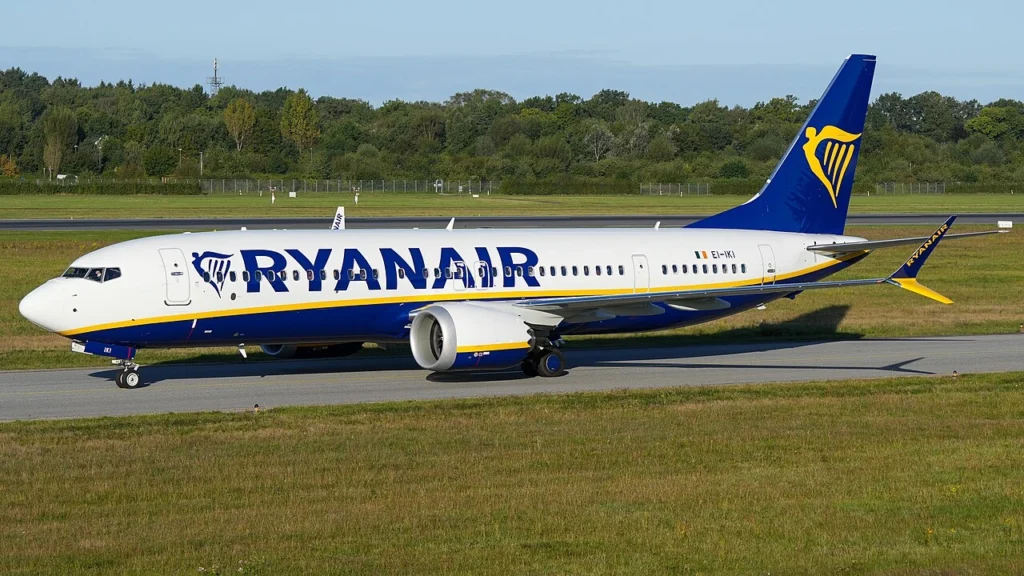
BARCELONA- Ryanair (FR) is facing criticism after reportedly dismissing a captain based at Barcelona Airport (BCN) who used his legal authority to extend the rest period of cabin crew following a delayed operation. The move has prompted concerns from Spain’s SEPLA pilots’ union over flight safety and fatigue management.
The dispute centers on the use of Commander’s Discretion, a provision under European Aviation Safety Agency (EASA) regulations that allows captains to extend duty hours and rest periods in exceptional circumstances. The union argues the dismissal could discourage pilots from making safety-first decisions on Ryanair (FR) operations.
Ryanair Captain Dismissal Sparks Flight Safety Debate
A Ryanair captain based at the airline’s Barcelona hub has allegedly been dismissed after using Commander’s Discretion to extend the mandatory rest period for a group of cabin crew who had exceeded their scheduled working hours.
According to the SEPLA pilots’ union, the captain first exercised Commander’s Discretion to complete the flight after operational delays pushed the crew beyond normal Flight Duty Limitations (FDL). Upon returning to base, the captain also extended the crew’s minimum rest period before their next assignment.
The union claims this second decision became the basis for disciplinary proceedings that ultimately resulted in the captain’s dismissal.
According to PYOK, SEPLA believes the action sends a troubling message to flight crews by creating concern that pilots could face disciplinary action for making operational decisions intended to protect safety.
Understanding Commander’s Discretion Under EASA Rules
The European Aviation Safety Agency establishes Flight Duty Limitations to reduce fatigue-related risks for pilots and cabin crew operating commercial flights.
For most short-haul operations without onboard crew rest facilities, flight crews are generally limited to duty periods of up to 13 hours. These limits are designed to ensure pilots and cabin crew remain alert throughout flight operations.
EASA regulations also recognize that unexpected operational disruptions can occur. In certain unforeseen situations, commanders are permitted to extend the maximum duty period by up to two hours using Commander’s Discretion.
This authority rests solely with the aircraft commander, who must carefully assess both personal fatigue levels and the condition of the entire crew before deciding whether an extension can be made safely.
Commander’s Discretion also allows captains to adjust the crew’s required minimum rest period if they determine that additional recovery time is necessary before the next duty assignment.
SEPLA Says Safety Decisions Must Remain Independent
SEPLA has strongly criticized the reported dismissal, arguing that captains must be free to exercise their professional judgment without fear of losing their jobs.
The union stated that Ryanair’s own communication acknowledged the captain had exercised Commander’s Discretion to complete the operation and later extended the crew’s rest period. According to SEPLA, these actions formed the basis of the disciplinary process.
The union maintains that when operational circumstances require the use of Commander’s Discretion, commanders should act solely according to safety considerations rather than employment concerns.
SEPLA warned that no pilot should have to choose between protecting flight safety and protecting their career.
The union has confirmed it is exploring all available legal avenues in an effort to have the captain reinstated.
Ongoing Debate Over Airline Scheduling Practices
EASA has consistently stated that Commander’s Discretion should remain an exceptional measure used only when unforeseen events outside an airline’s control would otherwise leave an aircraft, passengers, and crew stranded.
The regulator also emphasizes that airlines should build sufficient flexibility into their schedules so that normal operations do not routinely depend on commanders extending duty periods.
However, the European Cockpit Association argues that this is not always reflected in daily airline operations.
The association recently claimed that some airlines schedule pilots so tightly that delays are effectively anticipated, leaving commanders to rely on discretionary authority far more frequently than originally intended.
According to the association, Commander’s Discretion has increasingly become part of operational planning rather than an emergency measure for exceptional circumstances.
The Ryanair case has therefore attracted wider attention within Europe’s aviation industry because it raises broader questions about fatigue management, operational scheduling, and the independence of captains when making safety-related decisions under EASA regulations.
Stay tuned with us. Further, follow us on social media for the latest updates.
Join us on Telegram Group for the Latest Aviation Updates. Subsequently, follow us on Google News
